
Jerash Archaeological Museum in Jordan: A Complete Visitor's Guide to the Treasures of Ancient Gerasa
My First Visit to the Jerash Archaeological Museum
"After spending hours wandering through the magnificent ruins of Jerash, I thought I had already seen everything the ancient city had to offer. Then I stepped inside the Jerash Archaeological Museum. Suddenly, the temples, theaters, and colonnaded streets I had just explored came alive through beautifully preserved statues, mosaics, pottery, coins, and jewelry. Every artifact told a story, making me realize that the museum wasn't simply an extension of the archaeological site—it was the place where the history of ancient Gerasa truly came together."
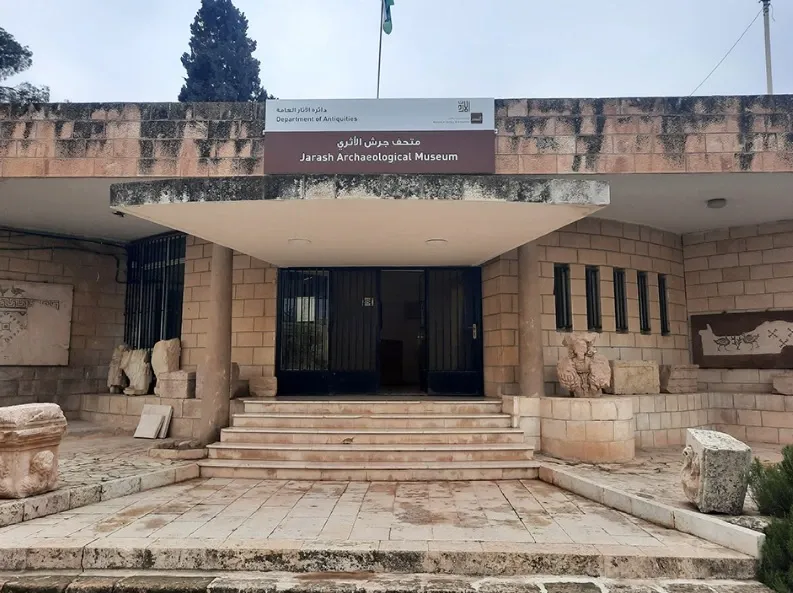
The Jerash Archaeological Museum is one of Jordan's most important museums dedicated to preserving the rich heritage of the ancient Roman city of Gerasa. Located inside the Jerash Archaeological Site, the museum houses thousands of archaeological discoveries spanning prehistoric periods through the Roman, Byzantine, Umayyad, and Islamic eras.
For travelers who want to understand the remarkable civilization behind the impressive ruins of Jerash, the museum is an essential stop. Rather than viewing scattered stones alone, visitors gain insight into the daily lives, religion, commerce, art, and culture of one of the greatest Roman cities in the Middle East.
Whether you're a history enthusiast, archaeology lover, photographer, student, or first-time visitor to Jordan, the Jerash Archaeological Museum offers an unforgettable journey through nearly 7,000 years of history.
What Is the Jerash Archaeological Museum?
The Jerash Archaeological Museum is a historical museum located within the ancient city of Jerash in northern Jordan. Established to preserve and display artifacts uncovered during archaeological excavations, it showcases one of the country's finest collections of Roman and Byzantine antiquities.
The museum's exhibits include:
- Roman sculptures
- Ancient mosaics
- Coins
- Pottery
- Glassware
- Jewelry
- Marble carvings
- Inscriptions
- Everyday household objects
- Religious artifacts
These collections help visitors understand how Gerasa developed into one of the wealthiest cities of the Roman Decapolis.
Unlike many museums where objects are displayed without context, every artifact here directly relates to monuments visitors can explore just outside the museum doors.
Quick Facts About Jerash Archaeological Museum
Location
The museum is located inside the Jerash Archaeological Site, close to the Oval Plaza and South Theater.
Approximate distances:
- 50 km north of Amman
- 45–60 minutes by car
- 75 km from Queen Alia International Airport
Opening Hours
The museum follows the operating schedule of the Jerash Archaeological Site.
Generally open:
- Morning until late afternoon
Opening hours may vary on holidays and special occasions.
Entrance Fee
Admission is included with:
- Jerash Archaeological Site ticket
- Jordan Pass
No separate museum ticket is required.
Recommended Visit Duration
Most visitors spend:
- 45–60 minutes inside the museum
- 3–5 hours exploring the complete archaeological city
Best Time to Visit
Spring (March–May)
Comfortable temperatures and beautiful scenery make spring the ideal season.
Autumn (September–November)
Excellent weather with fewer crowds.
Winter
Cool temperatures and peaceful museum visits.
Summer
Visit early in the morning to avoid the afternoon heat while exploring the archaeological site.
History of the Jerash Archaeological Museum
The museum was officially established in 1923, making it one of Jordan's oldest archaeological museums.
Initially, it occupied a small building intended to safeguard artifacts discovered during early excavations carried out by international archaeological teams.
As excavations expanded throughout the twentieth century, thousands of important discoveries were made, requiring additional exhibition space and improved conservation facilities.
Today, the museum continues to preserve artifacts uncovered during ongoing archaeological projects in Jerash.
Many of the displayed objects were discovered only a short distance from where visitors stand, providing a direct connection between the museum and the surrounding ancient city.
The History of Ancient Gerasa
To appreciate the museum fully, it's important to understand the significance of ancient Gerasa.
Gerasa flourished under Roman rule as one of the ten cities of the Decapolis.
The city became famous for:
- International trade
- Monumental architecture
- Religious diversity
- Roman engineering
- Wealthy citizens
- Cultural exchanges
Throughout Roman and Byzantine times, Gerasa continued expanding before eventually declining following earthquakes and political changes.
Fortunately, much of the city survived beneath centuries of sand, helping preserve its remarkable monuments and artifacts.
Museum Collections
One of the highlights of the Jerash Archaeological Museum is the diversity of its collections.
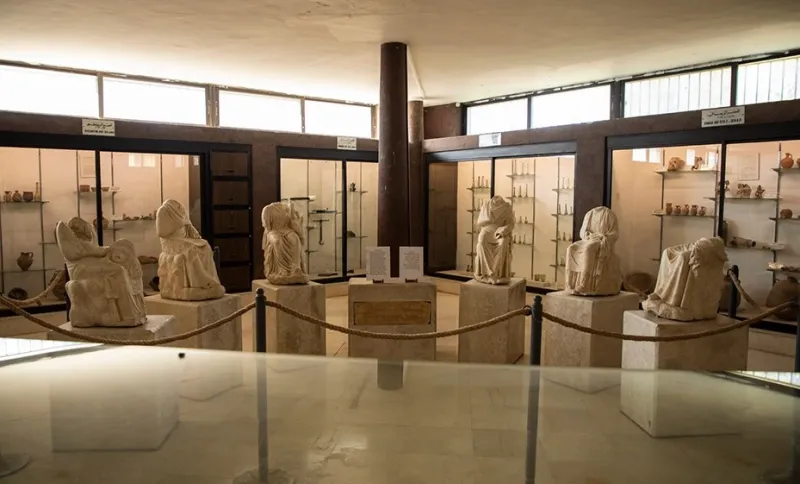
Roman Sculptures
Visitors can admire beautifully carved statues depicting:
- Roman emperors
- Local governors
- Mythological figures
- Religious deities
These sculptures reveal the artistic sophistication of Roman Gerasa.
Ancient Pottery
The pottery collection includes:
- Storage jars
- Cooking vessels
- Oil lamps
- Decorative ceramics
- Imported wares
These everyday objects offer valuable insight into domestic life nearly two thousand years ago.
Mosaic Floors
Some of the museum's finest exhibits are colorful Byzantine mosaics removed from churches and public buildings for preservation.
Visitors can admire intricate geometric patterns alongside scenes featuring plants, animals, and religious symbolism.
Coins
Thousands of Roman, Byzantine, and Islamic coins illustrate the city's economic importance.
The collection reveals how Gerasa traded with neighboring regions throughout different historical periods.
Glass Collection
Ancient Roman glass remains one of the museum's most fascinating exhibits.
Displayed objects include:
- Perfume bottles
- Drinking vessels
- Decorative containers
- Household items
Many pieces retain remarkable clarity despite their age.
Jewelry
Visitors will also discover:
- Gold earrings
- Bracelets
- Rings
- Necklaces
- Precious stones
These elegant pieces demonstrate the wealth enjoyed by Gerasa's upper classes.
Inscriptions
Stone inscriptions written in Greek and Latin help historians reconstruct the city's political, religious, and social history.
Some inscriptions commemorate important public works, while others honor emperors and local officials.
What to Expect During Your Visit
The Jerash Archaeological Museum provides far more than a traditional museum experience.
Visitors can expect:
Beautifully Organized Galleries
Artifacts are displayed chronologically, allowing visitors to follow Jerash's development from prehistoric settlements through the Roman and Islamic eras.
Air-Conditioned Exhibits
The museum offers a comfortable break from the outdoor archaeological site, especially during warmer months.
Interactive Learning Experience
Every artifact helps explain monuments visitors have already seen—or are about to visit—creating a richer understanding of ancient Gerasa.
Excellent Photography Opportunities
While respecting museum photography rules, visitors can capture remarkable images of sculptures, mosaics, and archaeological treasures.
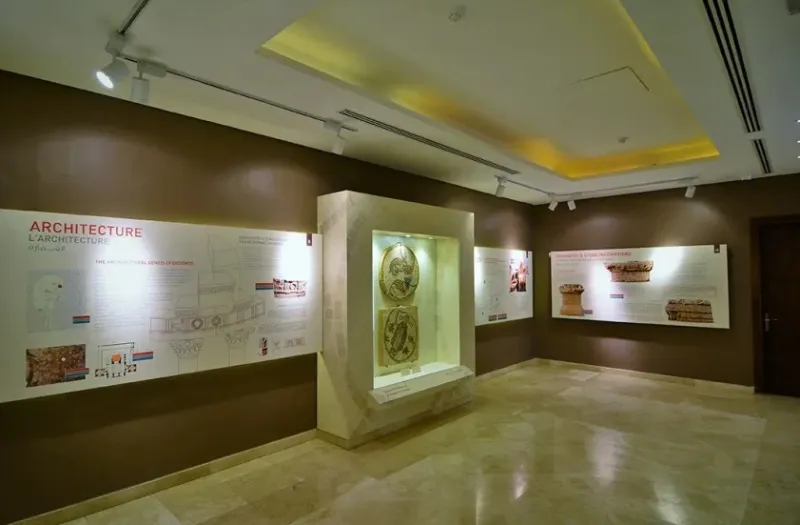
Educational Displays
Informative panels explain:
- Roman daily life
- Religious practices
- Trade routes
- Architecture
- Archaeological discoveries
Even visitors without a background in archaeology can easily appreciate the exhibits.
Why the Museum Should Not Be Missed
Many travelers focus exclusively on Jerash's outdoor monuments, but the museum completes the story.
Without visiting the museum, travelers see magnificent buildings.
With the museum, they understand the people who built them.
It transforms ancient ruins into a living civilization filled with artists, merchants, soldiers, priests, craftsmen, and families whose lives shaped one of Jordan's greatest archaeological treasures.
Facts About the Jerash Archaeological Museum: Crowds, Distances, Weather & Travel Tips
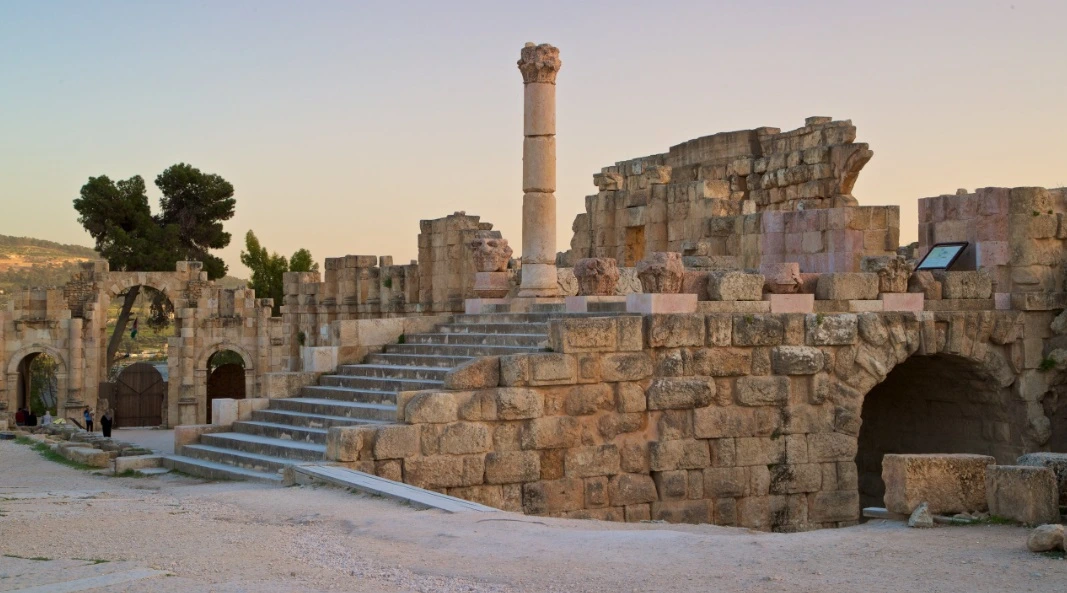
The Jerash Archaeological Museum is one of Jordan's most rewarding museums for travelers interested in archaeology and ancient history. Conveniently located inside the Jerash Archaeological Site, it serves as the perfect complement to the city's magnificent Roman ruins. Whether you're exploring Jerash for the first time or returning to discover more of its history, the museum provides fascinating insights that bring the ancient city to life.
Crowds at the Jerash Archaeological Museum
Unlike the outdoor monuments, the museum generally remains quiet throughout the day.
The busiest periods include:
- Spring (March to May)
- Weekends
- Public holidays
- During the Jerash Festival
Even during peak tourist season, visitors can comfortably explore the galleries without feeling overcrowded.
For the most peaceful experience, visit:
- Early morning
- Late afternoon
- Weekdays outside holiday periods
Because many tour groups spend more time at the outdoor monuments, the museum often feels calm and relaxing.
Distance from Major Attractions
The museum is centrally located within the archaeological city, making it easy to combine with other famous landmarks.
Nearby attractions include:
- Oval Plaza – 2 minutes walking
- South Theater – 3 minutes walking
- Temple of Zeus – 5 minutes walking
- Cardo Maximus – 5 minutes walking
- Cathedral of Jerash – 6 minutes walking
- Temple of Artemis – 8 minutes walking
- North Theater – 10 minutes walking
- Nymphaeum – 7 minutes walking
Approximate travel distances:
- Amman: 50 km
- Queen Alia International Airport: 75 km
- Ajloun Castle: 30 km
- Dead Sea: 110 km
- Petra: 230 km
Most visitors include the museum as part of a half-day or full-day visit to Jerash.
Weather at the Jerash Archaeological Museum
Although the museum itself is indoors, visitors usually spend several hours exploring the surrounding archaeological park.
Spring (March–May)
Spring offers the most pleasant weather with temperatures ideal for walking between monuments and museum exhibits.
Summer (June–August)
Temperatures frequently exceed 35°C (95°F).
The museum provides a welcome break from the heat thanks to its shaded indoor galleries.
Morning visits remain the best option.
Autumn (September–November)
Another excellent season for exploring Jerash with comfortable temperatures and clear skies.
Winter (December–February)
Cool weather and fewer tourists create a peaceful atmosphere both inside the museum and throughout the archaeological site.
Practical Travel Tips
Visit the Museum After Exploring the Ruins
Many experienced guides recommend exploring the archaeological site first, then visiting the museum.
Seeing the monuments before the artifacts helps visitors better understand how the objects were originally used.
Allow Enough Time
Although the museum is relatively compact, history enthusiasts can easily spend an hour or more studying the collections.
Don't rush through the galleries.
Read the Information Panels
The museum provides excellent explanations covering:
- Roman daily life
- Byzantine Christianity
- Ancient trade
- Archaeological excavations
- Religious customs
- Local craftsmanship
These displays greatly enrich the overall experience.
Wear Comfortable Clothing
Your museum visit will usually be combined with several hours of outdoor walking across the archaeological city.
Comfortable shoes remain essential.
Bring Water
Especially during warmer months, staying hydrated while touring Jerash is important.
Although the museum offers shade, much of your visit will be outdoors.
Hire a Professional Guide
A licensed Egyptologist or Jordanian archaeological guide can explain details that many visitors might otherwise overlook.
Their knowledge transforms simple displays into fascinating historical stories.
Real Traveler Insights
One of our travelers mentioned:
"The museum completely changed how I viewed Jerash. After seeing the statues, coins, mosaics, and household objects, I could finally imagine what daily life in the Roman city must have been like. It added an entirely new dimension to the ruins outside."
Visitors often say the museum is one of Jerash's most underrated attractions.
Many travelers who initially planned only a short visit end up spending much longer inside after discovering the impressive artifact collection.
Photography enthusiasts also appreciate the beautifully displayed mosaics and sculptures.
Why Visit the Jerash Archaeological Museum?
The museum allows visitors to connect the impressive architecture outside with the people who once lived there.
Highlights include:
- Authentic Roman artifacts
- Beautiful mosaics
- Ancient sculptures
- Jewelry collections
- Roman coins
- Glassware
- Educational displays
- Air-conditioned galleries
- Excellent historical context
For anyone interested in understanding ancient Jordan beyond its ruins, the museum is an essential stop.
Nearby Attractions
Your visit can easily include several of Jerash's most famous landmarks.
Oval Plaza
The city's iconic oval-shaped forum surrounded by elegant Roman columns.
South Theater
One of the world's best-preserved Roman theaters, famous for its remarkable acoustics.
Temple of Zeus
A magnificent sanctuary overlooking the archaeological city.
Temple of Artemis
Dedicated to the patron goddess of ancient Gerasa and one of Jerash's most impressive monuments.
Cardo Maximus
The city's grand Roman avenue lined with towering columns.
Cathedral of Jerash
A beautiful Byzantine church reflecting Jerash's Christian heritage.
Nymphaeum
A decorative Roman public fountain showcasing sophisticated hydraulic engineering.
North Theater
A smaller but equally fascinating Roman theater used for civic meetings and performances.
Frequently Asked Questions
What is the Jerash Archaeological Museum?
It is Jordan's archaeological museum dedicated to preserving artifacts discovered throughout the ancient Roman city of Jerash.
Is the museum worth visiting?
Absolutely. The museum provides valuable historical context that helps visitors better understand the archaeological site.
Is admission included?
Yes.
Entry is included with both the Jerash admission ticket and the Jordan Pass.
How long should I spend inside?
Most visitors spend between 45 and 60 minutes.
History enthusiasts often stay longer.
Can I take photographs?
Photography is generally permitted for personal use, although flash photography may be restricted around sensitive artifacts.
Always follow current museum regulations.
Is the museum suitable for children?
Yes.
Families often enjoy the interactive displays and impressive Roman artifacts.
What are the most famous exhibits?
Popular exhibits include:
- Roman statues
- Byzantine mosaics
- Ancient coins
- Jewelry
- Glass vessels
- Pottery
- Stone inscriptions
What is the best season to visit?
Spring and autumn provide the most comfortable weather for combining the museum with the archaeological park.
Conclusion: Discover the Story Behind Ancient Jerash
The Jerash Archaeological Museum offers far more than a collection of ancient artifacts—it tells the story of one of the Roman Empire's greatest cities through the everyday objects, sculptures, mosaics, and treasures left behind by its people. Together with the surrounding archaeological site, the museum creates one of Jordan's richest historical experiences, allowing visitors to appreciate not only the grandeur of Gerasa's monuments but also the civilization that once flourished there.
Whether you're passionate about archaeology, Roman history, architecture, or simply looking to deepen your understanding of Jordan's remarkable heritage, the Jerash Archaeological Museum deserves a place on your itinerary.
Book your Jordan Holiday Packages with Flying Carpet Tours and explore the Jerash Archaeological Museum alongside the country's most spectacular historical landmarks through expertly guided tours, comfortable transportation, and unforgettable travel experiences.