
The Jerash Hippodrome: A Complete Guide to Jordan’s Ancient Roman Racing Arena
A Traveler’s First Experience at The Jerash Hippodrome
"As I walked through the ancient city of Jerash, I expected to see temples and grand Roman streets, but nothing prepared me for the enormous Hippodrome. Standing in the middle of this massive arena, I imagined the excitement of horse races, chariot competitions, and cheering crowds from nearly two thousand years ago. The size of the structure and its incredible preservation made me feel as if I had stepped back into the glory days of the Roman Empire. Visiting the Jerash Hippodrome quickly became one of the highlights of my trip to Jordan."
The Jerash Hippodrome is one of the oldest and best-preserved Roman racing arenas in the Middle East. Located within the ancient city of Jerash, this impressive monument once hosted spectacular chariot races, athletic competitions, military demonstrations, and public celebrations that attracted thousands of spectators.
Today, the Hippodrome stands as one of Jordan's most fascinating archaeological treasures. Its enormous dimensions, remarkable engineering, and historical significance allow visitors to experience the entertainment culture of the Roman Empire while exploring one of the world's best-preserved ancient cities.
Whether you are passionate about Roman history, archaeology, photography, or cultural travel, the Jerash Hippodrome offers an unforgettable journey into Jordan's rich heritage.
What Is The Jerash Hippodrome?
The Jerash Hippodrome is a large Roman stadium that was built for horse racing and chariot competitions during the Roman period.
A hippodrome was one of the most important public entertainment venues in Roman cities. Unlike theaters that hosted performances or amphitheaters designed for gladiator fights, hippodromes were specifically created for fast-paced racing events.
The Jerash Hippodrome was constructed during the 2nd century AD, when ancient Gerasa (modern Jerash) was flourishing as one of the wealthiest cities of the Roman Decapolis.
The structure reflects Roman engineering at its finest, combining functionality with architectural beauty. Although racing events eventually disappeared, the monument remains one of the most complete examples of a Roman hippodrome still standing today.
Quick Facts About The Jerash Hippodrome
Location
The Jerash Hippodrome is located inside the Jerash Archaeological Site in northern Jordan.
Approximate distances:
- Around 50 km north of Amman
- About 45–60 minutes by car from Jordan's capital
- Just inside the southern entrance near Hadrian's Arch
Its location makes it one of the first monuments visitors encounter while exploring ancient Jerash.
Opening Hours
The Hippodrome follows the opening schedule of the Jerash Archaeological Site.
Typical visiting hours are:
- Morning until late afternoon
Hours may vary according to:
- Season
- National holidays
- Special archaeological events
Entrance Fees
Entry to the Hippodrome is included with the admission ticket to the Jerash Archaeological Site.
Jordan Pass holders generally receive entrance as part of the pass.
Recommended Visit Duration
Visitors usually spend:
- 20–30 minutes exploring the Hippodrome itself
- 3–4 hours discovering the complete archaeological city
Photography enthusiasts may wish to stay longer because of the spectacular panoramic views.
Best Time to Visit
The best seasons include:
Spring (March–May)
Pleasant temperatures, blooming landscapes, and ideal walking conditions.
Autumn (September–November)
Comfortable weather with fewer extremely hot days.
Winter
Cool temperatures and fewer tourists.
Summer
Possible to visit, but early mornings are highly recommended due to the heat.
History of The Jerash Hippodrome
The Hippodrome was constructed during the Roman Empire when Jerash, then known as Gerasa, became one of the most prosperous cities in the Decapolis.
Roman cities were famous for providing public entertainment. Wealthy citizens and local authorities invested heavily in impressive venues where the population could gather for sporting competitions, festivals, and celebrations.
The Jerash Hippodrome became one of these important public spaces.
Archaeologists believe it was built during the reign of Emperor Hadrian or shortly afterward in the second century AD.
The arena could accommodate approximately 15,000 spectators, making it one of the largest public entertainment buildings in Roman Jordan.
For many centuries, horse racing and chariot competitions attracted enthusiastic audiences, similar to today's major sporting events.
Roman Chariot Racing in Jerash
Chariot racing was among the most popular sports throughout the Roman Empire.
Teams competed using lightweight chariots pulled by two or four horses.
These competitions demanded:
- Speed
- Precision
- Courage
- Excellent horsemanship
The audience often supported different racing teams with incredible enthusiasm.
Victorious charioteers became famous athletes of the Roman world.
Inside the Jerash Hippodrome, spectators gathered to watch thrilling races that combined entertainment with civic pride.
Architecture of The Jerash Hippodrome
The Hippodrome demonstrates the remarkable engineering skills of Roman architects.
Its elongated oval design allowed chariots to race around a central barrier called the spina.
The structure originally featured:
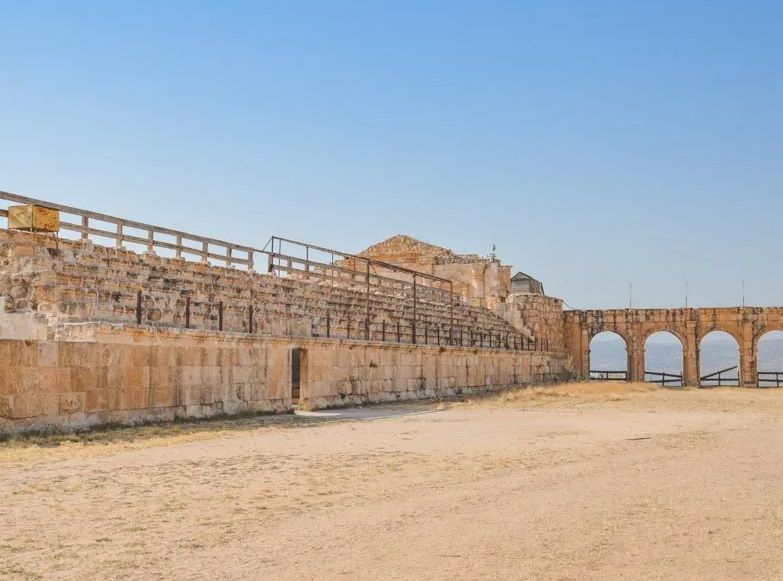
- Massive stone seating
- Multiple spectator levels
- Starting gates
- Racing track
- Central decorative area
- Monumental entrances
Although parts of the structure have been damaged over time, visitors can still appreciate its impressive size and original design.
The careful use of local limestone has helped preserve much of the monument for nearly two thousand years.
What to Expect When Visiting The Jerash Hippodrome
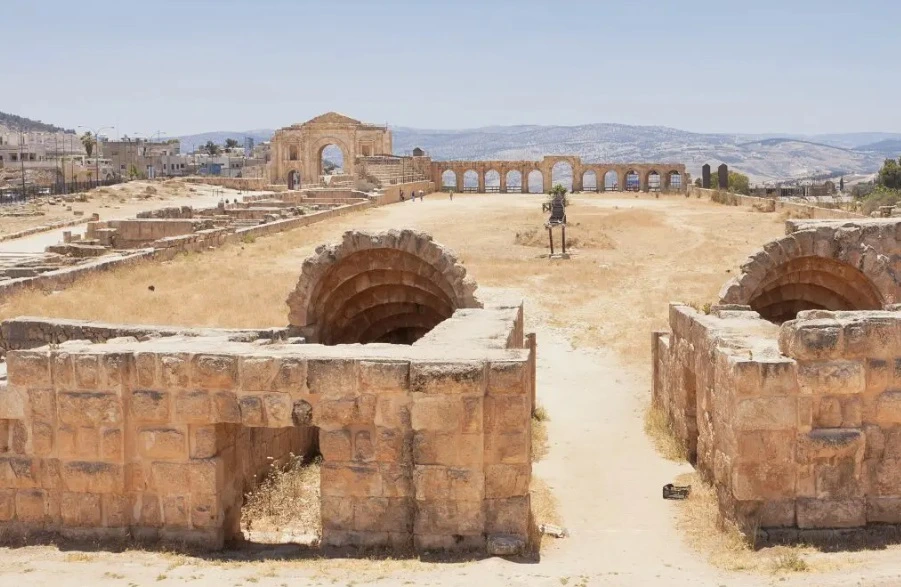
Walking into the Hippodrome immediately gives visitors a sense of its enormous scale.
Standing where thousands of Roman spectators once gathered creates an unforgettable experience.
Visitors can expect to discover:
The Ancient Racing Track
The main arena where exciting chariot races once took place.
Spectator Seating
Large stone seating areas that once welcomed thousands of enthusiastic spectators.
Outstanding Photography Opportunities
The Hippodrome offers beautiful panoramic views of nearby Roman monuments and surrounding hills.
Historical Interpretation
Informational signs and guided tours help explain how races and public events were organized during Roman times.
Many visitors find that imagining the noise, excitement, and atmosphere makes the ruins come alive.
Planning your visit to the Jerash Hippodrome is simple, especially when you know what to expect before arriving. From the best visiting hours to seasonal weather and nearby attractions, a little preparation can make your experience even more enjoyable.
Crowds at The Jerash Hippodrome
As one of the first monuments visitors encounter after entering the Jerash Archaeological Site, the Hippodrome can become busy during peak tourist hours.
The busiest periods are:
- Spring holidays
- Weekends
- National holidays
- Between 10:00 AM and 1:00 PM
For a quieter experience, arrive:
- Early in the morning
- Late afternoon
- During weekdays
Unlike some popular attractions in Jordan, the Hippodrome is spacious, allowing visitors to enjoy the site comfortably even when tour groups are present.
Distances from Major Attractions
The Jerash Hippodrome is conveniently located near many of Jordan's top destinations.
Approximate distances include:
- Amman: 50 km (45–60 minutes)
- Queen Alia International Airport: 75 km
- Ajloun Castle: 30 km
- Umm Qais: 75 km
- Dead Sea: Approximately 2 hours
- Petra: Around 3.5 hours
Because of its location, Jerash is one of the easiest and most rewarding day trips from Amman.
Weather at The Jerash Hippodrome
Since the Hippodrome is completely outdoors, weather plays an important role in your visit.
Spring (March–May)
The best season to visit.
Expect:
- Pleasant temperatures
- Green landscapes
- Excellent walking conditions
Summer (June–August)
Temperatures may exceed 35°C.
Visitors should:
- Start early
- Wear light clothing
- Carry plenty of water
- Use sunscreen
Autumn (September–November)
A favorite season for travelers because temperatures become mild again.
Winter (December–February)
Cool weather with occasional rain.
The archaeological site remains open and often feels much quieter.
Practical Travel Tips
Wear Comfortable Walking Shoes
The archaeological city covers a large area.
You'll walk across:
- Ancient stone roads
- Uneven surfaces
- Historic stairways
Comfortable shoes are essential.
Bring Water
There is limited shade inside the archaeological site.
Especially during warmer months, staying hydrated is important.
Don't Rush
Many visitors spend only a few minutes inside the Hippodrome.
Instead, take time to imagine:
- Chariot races
- Roman ceremonies
- Thousands of spectators filling the arena
Understanding the site's history makes the visit much more meaningful.
Hire a Professional Guide
A knowledgeable guide explains details that visitors might otherwise miss, including:
- Roman engineering
- Entertainment traditions
- Ancient sporting events
- Construction techniques
The stories behind the monument truly bring history to life.
Bring a Camera
The Hippodrome is one of Jerash's best photography locations.
Morning and late afternoon provide the best natural lighting.
Nearby Attractions
After visiting the Hippodrome, continue exploring the incredible monuments of ancient Jerash.
Hadrian's Arch
The monumental gateway built to celebrate Emperor Hadrian's visit.
Oval Plaza
One of the world's few surviving oval Roman forums surrounded by elegant columns.
Cardo Maximus
Jerash's impressive colonnaded main street stretching through the ancient city.
Temple of Artemis
Dedicated to the city's patron goddess and famous for its towering Corinthian columns.
Temple of Zeus
Offering panoramic views across the archaeological park.
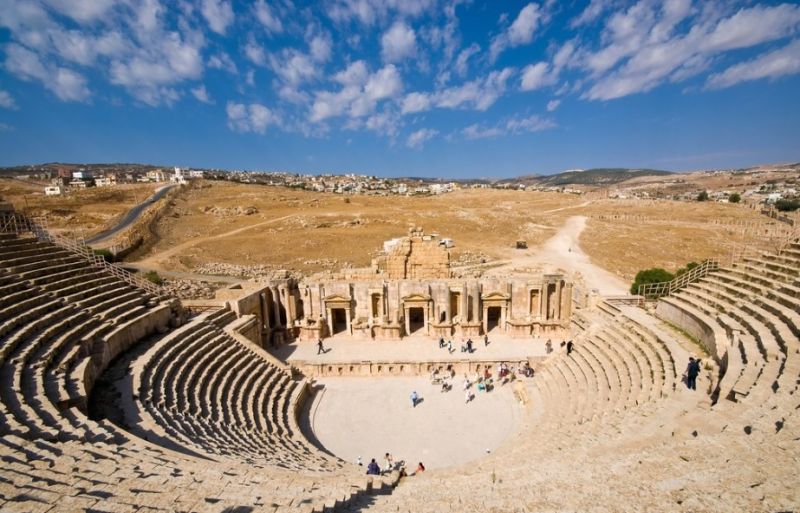
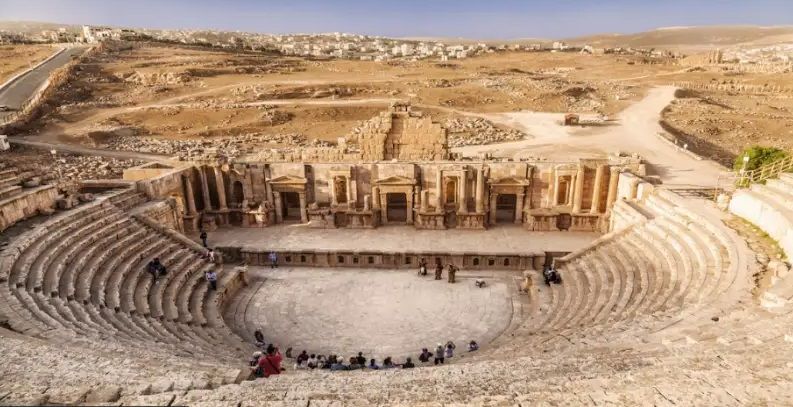
South Theater
A beautifully preserved Roman theater still used for performances today.
Real Traveler Insights
One of our travelers mentioned:
"The Hippodrome was much larger than I expected. Standing in the arena while imagining Roman chariot races made history feel incredibly real. It quickly became one of my favorite places in Jordan."
Visitors often say that although Petra is Jordan's most famous attraction, Jerash offers one of the country's most immersive historical experiences because visitors can freely walk through an almost complete Roman city.
Many photography enthusiasts also describe the Hippodrome as one of the most photogenic monuments in northern Jordan.
Why Visit The Jerash Hippodrome?
The Jerash Hippodrome offers much more than ancient ruins.
It allows visitors to experience:
- Roman engineering
- Ancient sporting traditions
- Remarkable architecture
- Jordan's cultural heritage
- Outstanding photography opportunities
Unlike museums, the Hippodrome lets you stand exactly where Roman spectators once gathered nearly two thousand years ago.
It remains one of the finest surviving Roman racing arenas anywhere in the Middle East.
Frequently Asked Questions About The Jerash Hippodrome
What was the Jerash Hippodrome used for?
It hosted Roman chariot races, horse races, military demonstrations, athletic competitions, and public celebrations.
How old is the Jerash Hippodrome?
It dates back to the 2nd century AD, during the Roman Empire.
How many people could the Hippodrome hold?
Historians estimate that approximately 15,000 spectators could attend events there.
Is the Hippodrome included in the Jerash entrance ticket?
Yes. Admission is included with your Jerash Archaeological Site ticket.
How long should I spend there?
Around 20–30 minutes for the Hippodrome itself, while the entire Jerash site usually requires 3–4 hours.
Is it suitable for children?
Yes. Families enjoy exploring the open arena, and children often find the history of Roman chariot racing especially interesting.
What is the best time to visit?
Spring and autumn offer the most comfortable temperatures for walking and sightseeing.
Conclusion: Step Into the Arena of Ancient Rome
The Jerash Hippodrome is one of Jordan's most extraordinary archaeological landmarks and one of the finest surviving Roman racing arenas in the world. From its enormous racing track to its impressive stone seating, every part of this monument tells the story of a city that once flourished under the Roman Empire.
Whether you're passionate about archaeology, Roman history, architecture, or simply discovering remarkable destinations, the Hippodrome promises an unforgettable experience. Combined with the temples, theaters, and colonnaded streets of Jerash, it offers a fascinating glimpse into one of the ancient world's greatest civilizations.
Book your Jordan Holiday Packages with our expert team today and discover the Jerash Hippodrome, the ancient city of Jerash, and Jordan's most spectacular historical treasures through carefully designed travel experiences.