
Nymphaeum Temple of Jerash: A Complete Travel Guide to Jordan’s Ancient Roman Fountain
A Traveler’s First Experience at the Nymphaeum Temple of Jerash
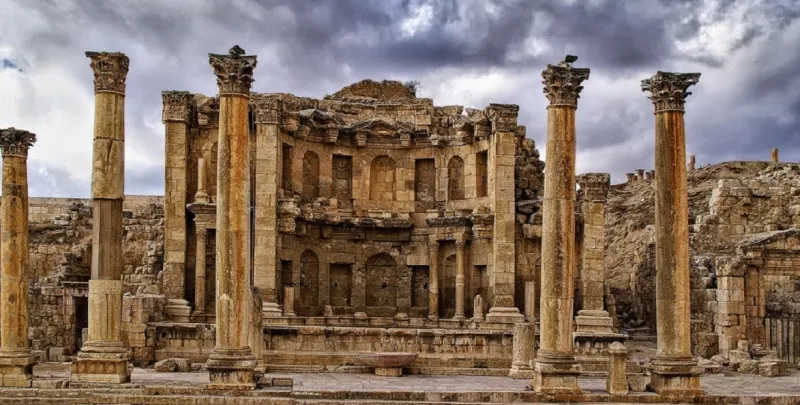
"While exploring the ancient streets of Jerash, I expected to admire grand temples and towering Roman columns. But as I turned onto the Cardo Maximus, I discovered one of the city's most elegant monuments—the Nymphaeum. Although it wasn't a temple in the traditional sense, its beautifully carved stone façade, graceful columns, and impressive fountains immediately caught my attention. I could almost imagine crystal-clear water flowing through the marble basins while Roman citizens gathered here nearly two thousand years ago. It was one of the most peaceful and fascinating places I visited in Jerash."
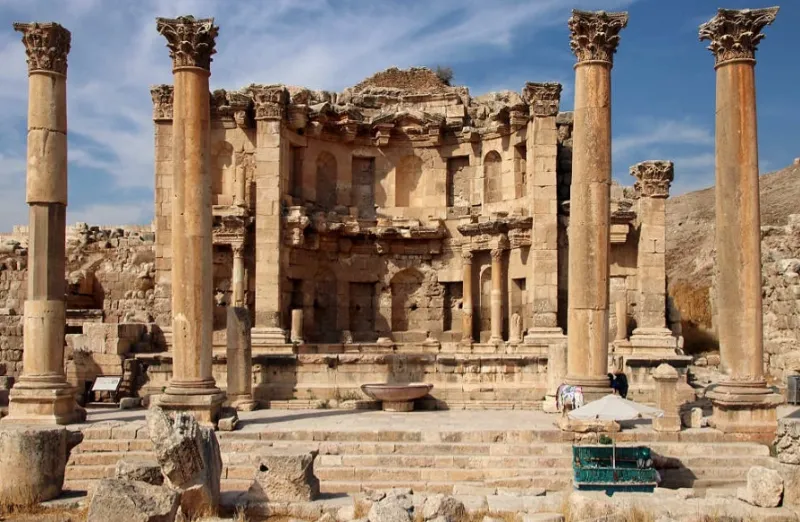
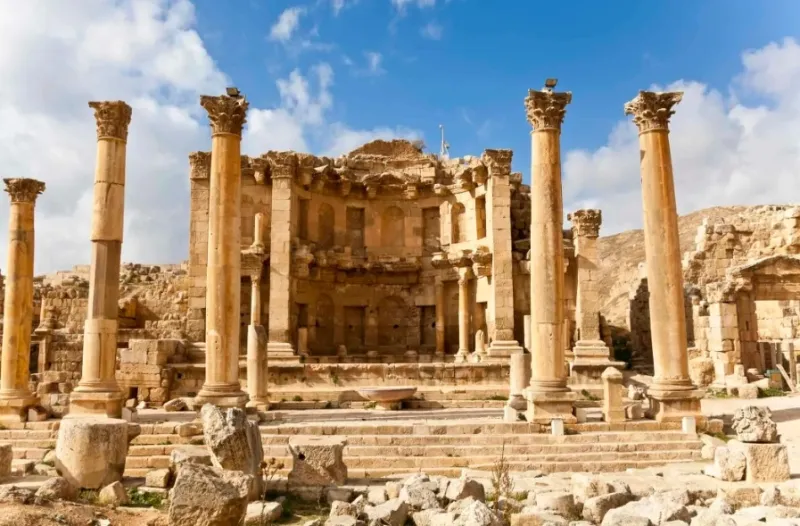
The Nymphaeum Temple of Jerash, more accurately known as the Nymphaeum of Jerash, is one of the finest examples of Roman public fountain architecture in Jordan. Located in the heart of the ancient city of Jerash, this beautifully decorated monument once served as an elaborate public fountain that provided fresh water while showcasing the wealth and engineering brilliance of the Roman Empire.
Today, the Nymphaeum remains one of the highlights of the Jerash Archaeological Site. With its elegant Corinthian columns, decorative carvings, and fascinating history, it offers visitors an unforgettable glimpse into daily life during the Roman era.
What Is the Nymphaeum of Jerash?
The Nymphaeum of Jerash is a monumental Roman public fountain built during the 2nd century AD.
Unlike religious temples dedicated to gods, a nymphaeum was a beautifully decorated civic structure built to honor the nymphs, the mythical guardians of springs and fresh water in Greek and Roman mythology.
The Jerash Nymphaeum served several important purposes:
- Providing fresh water for residents
- Decorating the city center
- Demonstrating Roman engineering
- Creating a public gathering place
- Celebrating the importance of water in everyday life
Today, it remains one of the best-preserved Roman fountains in the Middle East.
Quick Facts About the Nymphaeum of Jerash
Location
The Nymphaeum is located along the Cardo Maximus, the main colonnaded street inside the Jerash Archaeological Site.
Approximate distances:
- 50 km north of Amman
- Around 45–60 minutes by car from the capital
- Within walking distance of the Oval Plaza, Cathedral, and Temple of Artemis
Opening Hours
The Nymphaeum follows the operating hours of the Jerash Archaeological Site.
Typical visiting hours:
- Morning until late afternoon
Opening hours may vary depending on:
- Season
- Public holidays
- Cultural events
Entrance Fee
There is no separate entrance fee.
Admission is included with your Jerash Archaeological Site ticket or Jordan Pass.
Recommended Visit Duration
Most visitors spend:
- 15–25 minutes exploring the Nymphaeum
- 3–4 hours visiting the complete archaeological city
Best Time to Visit
Spring (March–May)
Comfortable weather and excellent photography.
Autumn (September–November)
Pleasant temperatures and fewer crowds.
Winter
Cool weather and peaceful surroundings.
Summer
Morning visits are recommended because temperatures become quite high during midday.
History of the Nymphaeum of Jerash
The Nymphaeum was constructed around 191 AD during the reign of the Roman Emperor Commodus, when Jerash—known as Gerasa—was flourishing as one of the most prosperous cities of the Roman Decapolis.
Roman cities placed great importance on public fountains.
They were not only practical sources of water but also architectural masterpieces that reflected the city's wealth and sophistication.
Fresh water flowed continuously through the fountain using an advanced network of aqueducts and underground channels.
The flowing water cooled the surrounding streets while creating a welcoming atmosphere for residents and visitors alike.
Why Was the Nymphaeum Built?
Water played a central role in Roman civilization.
The Nymphaeum symbolized:
- Prosperity
- Public generosity
- Roman engineering excellence
- Urban beauty
- Community life
Unlike ordinary fountains, monumental nymphaea were designed to impress visitors entering important areas of the city.
The Jerash Nymphaeum quickly became one of Gerasa's architectural landmarks.
Architecture of the Nymphaeum
The Nymphaeum combines functionality with extraordinary artistic design.
Visitors can admire:
- Elegant Corinthian columns
- Marble decorations
- Decorative niches
- Stone carvings
- Ornamental fountains
- Curved façade
- Massive limestone blocks
Archaeologists believe bronze statues once decorated the monument while water cascaded through several basins below.
The careful craftsmanship demonstrates the remarkable skills of Roman architects and engineers.
What to Expect When Visiting the Nymphaeum
Visiting the Nymphaeum offers much more than simply viewing ancient ruins.
Beautiful Roman Architecture
The monument showcases some of Jerash's finest decorative stonework.
Historic Water Engineering
Visitors learn how Roman cities distributed fresh water centuries before modern plumbing.
Peaceful Atmosphere
Compared with larger monuments, the Nymphaeum often feels quieter and less crowded.
Excellent Photography
Its elegant columns and location along the Cardo Maximus make it one of Jerash's most photogenic landmarks.
The Nymphaeum of Jerash is one of the city's most elegant Roman monuments and one of the finest surviving public fountains in the Middle East. While it is often overshadowed by the Temple of Artemis and the Oval Plaza, the Nymphaeum offers visitors a fascinating look into Roman engineering, architecture, and daily life. Planning your visit with the right information will help you fully appreciate this remarkable landmark.
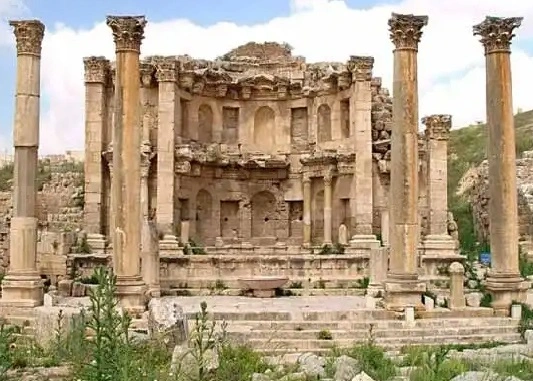
Crowds at the Nymphaeum of Jerash
The Nymphaeum is located along the busy Cardo Maximus, making it one of the most frequently visited monuments inside Jerash.
The busiest periods are usually:
- Spring (March–May)
- Jordanian public holidays
- Weekends
- Between 10:00 AM and 1:00 PM
Fortunately, visitors rarely spend long periods at the fountain, so the area never feels overly crowded.
For the best experience, visit:
- Early in the morning
- Late afternoon
- Weekdays
These times provide quieter surroundings and excellent lighting for photography.
Distance from Major Attractions
The Nymphaeum is centrally located within Jerash Archaeological Park and is easy to reach while exploring the ancient city.
Approximate travel distances include:
- Amman: 50 km (45–60 minutes)
- Queen Alia International Airport: 75 km
- Ajloun Castle: 30 km
- Dead Sea: Approximately 110 km
- Petra: Around 230 km
Nearby attractions within walking distance include:
- Oval Plaza
- Cardo Maximus
- Temple of Artemis
- Temple of Zeus
- South Theater
- Cathedral of Jerash
- Jerash Hippodrome
Its central location makes it one of the easiest monuments to include during your walking tour.
Weather at the Nymphaeum
Because the Nymphaeum is completely outdoors, weather conditions influence the overall experience.
Spring (March–May)
The ideal season.
Visitors enjoy:
- Mild temperatures
- Green scenery
- Comfortable walking
- Clear skies
Summer (June–August)
Summer temperatures can exceed 35°C.
Visitors should:
- Arrive early
- Wear light clothing
- Bring water
- Apply sunscreen
- Wear sunglasses and a hat
Autumn (September–November)
Another excellent season thanks to pleasant weather and comfortable sightseeing conditions.
Winter (December–February)
Cool temperatures and occasional rain create a quieter atmosphere.
Photography is often excellent due to softer natural light.
Practical Travel Tips
Wear Comfortable Shoes
Jerash is one of Jordan's largest archaeological sites.
Expect to walk across:
- Ancient limestone pavement
- Uneven stone streets
- Historic staircases
Comfortable footwear is essential.
Bring Drinking Water
Although the ancient fountain once supplied fresh water to Roman citizens, today's visitors should carry their own drinking water, especially during warmer months.
Visit with a Licensed Guide
The Nymphaeum's decorative details are easy to overlook without historical explanation.
A professional guide can explain:
- Roman water systems
- Mythology of the nymphs
- Decorative symbolism
- Construction techniques
- Daily life in ancient Gerasa
Take Time to Observe the Details
Many visitors simply pass by the fountain.
Instead, look closely at:
- Corinthian capitals
- Decorative niches
- Stone carvings
- Water channels
- Architectural symmetry
These features reveal the remarkable craftsmanship of Roman builders.
Combine Your Visit with Other Jerash Highlights
The Nymphaeum fits perfectly into a complete walking tour that includes:
- Hadrian's Arch
- Hippodrome
- Oval Plaza
- Temple of Zeus
- Temple of Artemis
- South Theater
- Cathedral of Jerash
- Cardo Maximus
Real Traveler Insights
One of our travelers mentioned:
"The Nymphaeum was one of the hidden gems of Jerash. While many visitors focused on the temples, I loved imagining water flowing through the beautiful stone fountain as Roman citizens gathered nearby. It gave me a real sense of everyday life in the ancient city."
Visitors often say the Nymphaeum is one of Jerash's most underrated monuments because it highlights the sophistication of Roman urban planning rather than simply showcasing monumental architecture.
Many photographers also appreciate how the fountain blends beautifully with the surrounding colonnaded streets.
Why Visit the Nymphaeum of Jerash?
The Nymphaeum offers visitors a unique perspective on Roman civilization.
Unlike temples or theaters, it demonstrates how advanced engineering improved everyday urban life.
Reasons to visit include:
- Beautiful Roman architecture
- Exceptional stone carvings
- Ancient hydraulic engineering
- Rich historical significance
- Excellent photography opportunities
- Easy access along the Cardo Maximus
It remains one of the finest surviving Roman fountains in Jordan.
Frequently Asked Questions
What is the Nymphaeum of Jerash?
The Nymphaeum is an ancient Roman public fountain built during the 2nd century AD inside the archaeological city of Jerash.
Why is it called a Nymphaeum?
The monument was dedicated to the nymphs, mythical female spirits associated with springs, rivers, and fresh water in Greek and Roman mythology.
Was the Nymphaeum a temple?
No. Despite sometimes being referred to as the "Nymphaeum Temple," it was actually a decorative public fountain rather than a religious temple.
How old is the Nymphaeum?
It was built around 191 AD, making it more than 1,800 years old.
Is the Nymphaeum included in the Jerash ticket?
Yes. Admission is included with the entrance ticket to the Jerash Archaeological Site.
How long should I spend there?
Most visitors spend 15–25 minutes, although photographers and history enthusiasts often stay longer.
What is the best time to visit?
Spring and autumn provide the most comfortable weather for exploring Jerash.
Conclusion: Discover the Beauty of the Nymphaeum of Jerash
The Nymphaeum of Jerash is one of Jordan's finest examples of Roman architecture and engineering. Once a magnificent public fountain that supplied fresh water to the thriving city of Gerasa, it now stands as a timeless reminder of the sophistication and creativity of Roman civilization.
Whether you are fascinated by archaeology, architecture, history, or photography, the Nymphaeum offers an unforgettable experience in the heart of one of the world's best-preserved Roman cities. Together with Jerash's temples, theaters, and colonnaded streets, it tells the remarkable story of a city that flourished for centuries.
Book your Jordan Holiday Packages with us today and discover the Nymphaeum of Jerash along with Jordan's most extraordinary archaeological treasures through expertly guided tours and unforgettable travel experiences.