
Karak Travel Guide: Discover Jordan's Legendary Crusader Fortress and Timeless Heritage
My First Visit to Karak
"As I drove along the King's Highway, the landscape suddenly changed. Rolling hills gave way to a dramatic hilltop crowned by a massive stone fortress. Standing before Karak Castle, I felt transported back to the age of knights, crusaders, and ancient kingdoms. Walking through its dark tunnels, towering halls, and ancient walls while overlooking the valleys below was one of the most unforgettable experiences of my journey through Jordan. Karak wasn't simply another historical destination—it was where centuries of history came alive."
The city of Karak is one of Jordan's most fascinating historical destinations. Famous for its impressive Crusader castle, breathtaking landscapes, and rich cultural heritage, Karak attracts travelers from around the world seeking history, adventure, and authentic Jordanian experiences.
Located along the historic King's Highway, Karak has served as an important crossroads for civilizations for thousands of years. Today, visitors can explore one of the Middle East's finest medieval castles while enjoying spectacular panoramic views, traditional Jordanian hospitality, and easy access to many of Jordan's most famous attractions.
Whether you're planning a cultural tour, a family vacation, or a road trip through Jordan, Karak deserves a place on your itinerary.
What Is Karak?
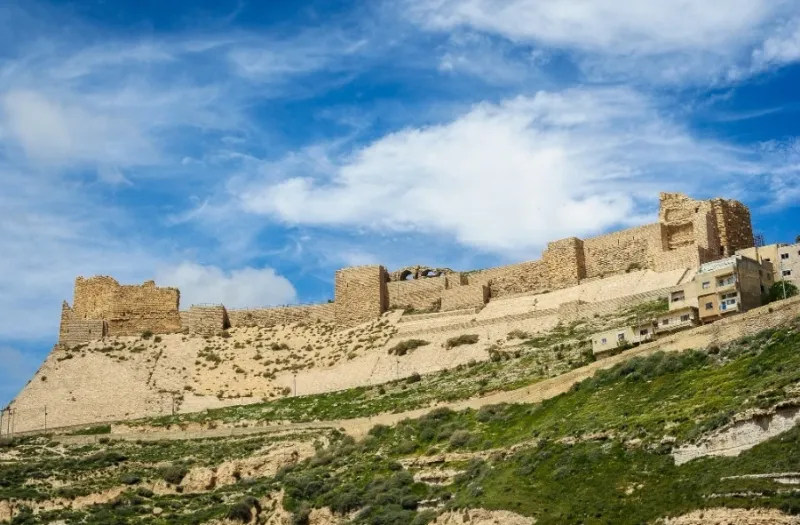
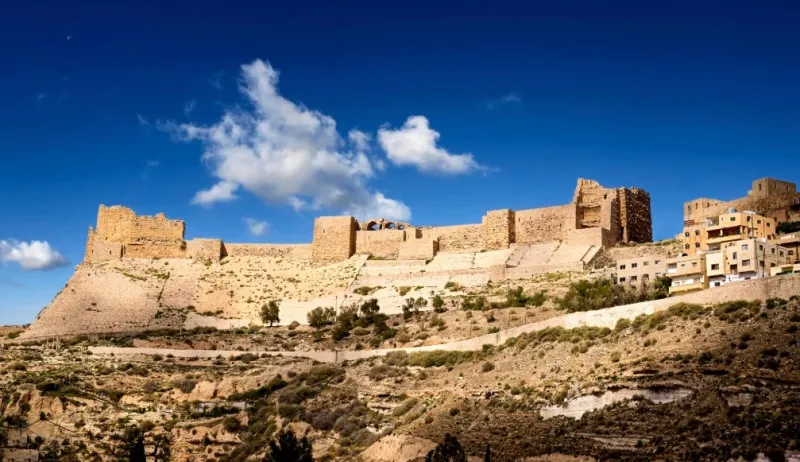
Karak is a historic city in central Jordan best known for Karak Castle, one of the largest and best-preserved Crusader castles in the Middle East.
The city has been inhabited since biblical times and has witnessed the rise and fall of numerous civilizations, including the Moabites, Romans, Byzantines, Crusaders, Ayyubids, Mamluks, and Ottomans.
Today, Karak combines fascinating archaeological landmarks, vibrant local culture, traditional markets, and beautiful mountain scenery, making it one of Jordan's top historical destinations.
Quick Facts About Karak
Location
Karak Governorate, Jordan
Approximately:
- 140 km south of Amman
- 120 km north of Petra
- 30 km east of the Dead Sea
Opening Hours
Karak Castle is generally open daily from morning until late afternoon.
Opening hours may vary during holidays.
Entrance Fee
Entry is included with the Jordan Pass.
Visitors without the Jordan Pass can purchase tickets at the entrance.
Recommended Visit Duration
Allow:
- 2–3 hours for Karak Castle
- Half a day to explore Karak city
- Full day when combined with nearby attractions
Best Time to Visit
Spring (March–May)
Autumn (September–November)
These seasons offer pleasant temperatures ideal for sightseeing.
History of Karak
Karak's history stretches back more than 3,000 years.
In ancient times, the region was known as the Kingdom of Moab, mentioned in biblical records. Its strategic location made it an important stop along major trade routes connecting Arabia, Egypt, and the Levant.
The city's greatest period of military importance began during the Crusades.
In 1142 AD, Crusader lord Pagan the Butler constructed the mighty Karak Castle, turning it into one of the strongest fortresses in the Holy Land.
The castle later became famous under Reynald of Châtillon, whose attacks on Muslim caravans eventually provoked Sultan Saladin's military campaigns.
After a long siege, Saladin captured Karak in 1188, marking one of the most important victories during the Crusades.
Throughout the following centuries, Karak remained an important administrative and military center under the Ayyubids, Mamluks, and Ottomans.
Today, its remarkable heritage attracts visitors from around the world.
Why Visit Karak?
Karak offers a unique combination of:
- Medieval history
- Ancient architecture
- Spectacular landscapes
- Authentic Jordanian culture
- Scenic road trips
- Archaeological treasures
Unlike larger tourist destinations, Karak provides a quieter and more authentic experience.
Karak Castle: The City's Greatest Landmark
The magnificent Karak Castle dominates the city skyline.
Built almost 900 years ago, it remains one of the finest surviving examples of Crusader military architecture.
Visitors can explore:
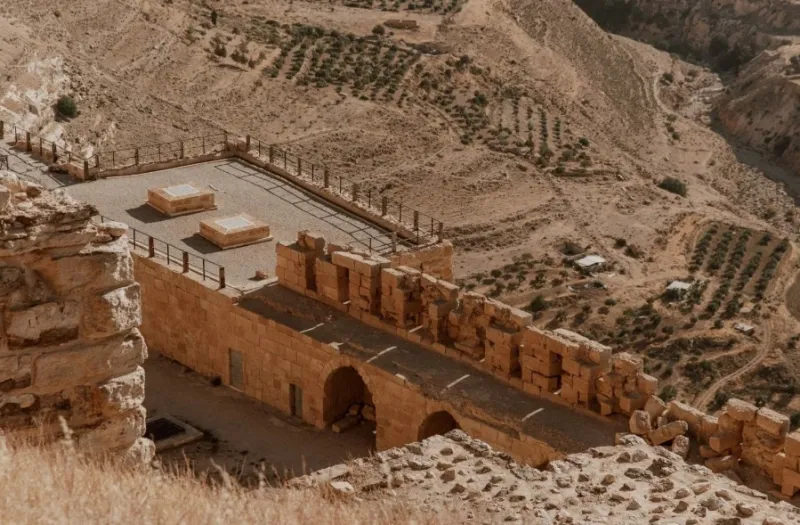
- Massive defensive walls
- Underground tunnels
- Stone corridors
- Secret passageways
- Watchtowers
- Medieval kitchens
- Storage rooms
- Chapel remains
- Courtyards
Every section of the castle tells a fascinating story of warfare, engineering, and survival.
What to Expect During Your Visit
Visitors arriving in Karak can expect an unforgettable historical adventure.
Explore One of the Middle East's Greatest Castles
The castle covers an enormous area with countless rooms and defensive structures.
History lovers can spend hours discovering hidden corners.
Panoramic Mountain Views
The castle overlooks dramatic valleys and rolling hills stretching across southern Jordan.
Photographers will find countless opportunities to capture breathtaking landscapes.
Visit the Karak Archaeological Museum
Located inside the castle, the museum displays artifacts recovered from Karak and surrounding regions, including pottery, inscriptions, weapons, and historical objects.
Walk Through the Old City
Outside the castle, visitors can explore Karak's charming streets filled with local shops, bakeries, cafés, and traditional markets.
The city's relaxed atmosphere provides an authentic glimpse into everyday Jordanian life.
Taste Traditional Jordanian Cuisine
Karak is famous for delicious local dishes, including:
- Mansaf
- Maqluba
- Fresh bread
- Local sweets
- Arabic coffee
Dining at a traditional restaurant completes the cultural experience.
Things to Do in Karak
Besides visiting the castle, travelers can:
- Explore the old town
- Visit traditional markets
- Enjoy local cafés
- Discover nearby viewpoints
- Photograph the surrounding mountains
- Drive along the scenic King's Highway
- Visit nearby biblical and historical sites
Karak is also an excellent stop when traveling between Amman and Petra.
Why Karak Is One of Jordan's Hidden Gems
Although Petra often receives most international attention, many experienced travelers consider Karak one of Jordan's most rewarding destinations.
Its combination of dramatic history, fewer crowds, and authentic atmosphere creates an experience that feels both educational and personal.
Unlike many heavily visited attractions, Karak allows visitors to explore ancient corridors and castle halls at a relaxed pace while imagining the lives of Crusaders, soldiers, merchants, and local communities who shaped the city's remarkable past.
Facts About Karak: Crowds, Distances, Weather & Travel Information
Karak is one of Jordan's most rewarding historical destinations, offering a quieter and more authentic experience than many of the country's famous tourist sites. Whether you're visiting for its legendary Crusader castle, biblical history, or scenic mountain landscapes, Karak is an ideal stop on any Jordan itinerary.
.webp)
Crowds in Karak
Unlike Petra or Jerash, Karak generally experiences moderate visitor numbers, allowing travelers to explore its historic sites without large crowds.
The busiest periods include:
- Spring (March–May)
- Autumn (September–November)
- Jordanian public holidays
- Weekends
- Organized tour groups traveling along the King's Highway
If you prefer a quieter visit, arrive early in the morning or later in the afternoon when most group tours have departed.
Distance from Major Attractions
Karak's central location makes it an excellent stop between northern and southern Jordan.
Approximate driving distances include:
- Amman: 140 km (2 hours)
- Petra: 120 km (2 hours)
- Dead Sea: 30 km
- Madaba: 95 km
- Mount Nebo: 90 km
- Dana Biosphere Reserve: 70 km
- Little Petra: 130 km
- Queen Alia International Airport: 160 km
Many visitors combine Karak with Petra, the Dead Sea, Madaba, or Dana Reserve on the same journey.
Weather in Karak
Because Karak sits on a high plateau, its climate is cooler than many other parts of Jordan.
Spring (March–May)
Spring is considered the best season, with mild temperatures, blooming landscapes, and ideal sightseeing conditions.
Summer (June–August)
Summer days are warm but generally more comfortable than the Jordan Valley or Dead Sea due to Karak's higher elevation.
Autumn (September–November)
Pleasant weather and fewer crowds make autumn another excellent time to visit.
Winter (December–February)
Winters can be cold, rainy, and occasionally snowy, creating beautiful views of the castle but requiring warm clothing.
Practical Travel Tips
Purchase a Jordan Pass
The Jordan Pass includes admission to Karak Castle, making it an excellent value for visitors exploring multiple attractions across Jordan.
Wear Comfortable Shoes
The castle features uneven stone floors, staircases, tunnels, and steep pathways. Comfortable walking shoes are essential.
Allow Enough Time
Many visitors underestimate the size of Karak Castle.
Plan at least two to three hours to explore the fortress comfortably.
Bring Water
While facilities are available nearby, carrying bottled water is recommended, particularly during warmer months.
Visit with a Local Guide
Hiring an experienced guide helps reveal fascinating stories about the Crusades, Saladin, medieval warfare, and Karak's strategic importance.
Combine Karak with Nearby Attractions
Many travelers include Karak as part of a full-day itinerary that also visits:
- The Dead Sea
- Dana Biosphere Reserve
- Petra
- Madaba
- Mount Nebo
Real Traveler Insights
One of our travelers mentioned:
"I expected to spend an hour at Karak Castle, but I stayed nearly four hours. Every tunnel seemed to lead somewhere new, and the panoramic views over the valleys were absolutely breathtaking."
Visitors often say Karak feels more authentic than many famous tourist destinations because it offers incredible history without overwhelming crowds.
Many photographers recommend staying until late afternoon when the golden sunlight beautifully illuminates the castle's ancient stone walls.
Nearby Attractions
Karak Castle
The city's most famous landmark and one of the finest Crusader castles ever built.
Karak Archaeological Museum
Located inside the castle, the museum displays artifacts spanning the Moabite, Roman, Byzantine, Crusader, and Islamic periods.
King's Highway
One of the world's oldest trade routes, offering spectacular mountain scenery and historic villages.
Dead Sea
Less than an hour away, visitors can float in the mineral-rich waters and enjoy therapeutic mud treatments.
Dana Biosphere Reserve
Jordan's largest nature reserve offers hiking trails, wildlife, and dramatic canyon landscapes.
Petra
Jordan's UNESCO World Heritage Site is easily reached from Karak, making it a popular next destination.
Why Karak Should Be on Every Jordan Itinerary
Karak combines everything travelers love about Jordan:
- Ancient history
- Medieval architecture
- Stunning mountain scenery
- Authentic local culture
- Easy accessibility
- Excellent road-trip destination
Unlike crowded tourist sites, Karak allows visitors to experience Jordan's rich heritage at a slower, more enjoyable pace.
Frequently Asked Questions
Where is Karak located?
Karak is located in central Jordan along the historic King's Highway, approximately 140 km south of Amman.
Why is Karak famous?
Karak is famous for its magnificent Crusader castle, one of the largest and best-preserved medieval fortresses in the Middle East.
Is Karak worth visiting?
Absolutely. History lovers, photographers, and cultural travelers consider Karak one of Jordan's top historical destinations.
How long should I spend in Karak?
Most visitors spend half a day, while those exploring the castle in detail may stay a full day.
Is Karak Castle included in the Jordan Pass?
Yes.
The Jordan Pass includes admission to Karak Castle.
Can families visit Karak?
Yes.
Families enjoy exploring the castle's towers, tunnels, museums, and panoramic viewpoints.
What is the best season to visit?
Spring and autumn offer the most pleasant weather for sightseeing.
Can I combine Karak with Petra?
Yes.
Many visitors travel between Amman and Petra via Karak, making it one of Jordan's most popular road-trip stops.
Conclusion
Karak is more than a historic city—it's a destination where centuries of history, breathtaking landscapes, and authentic Jordanian culture come together. From the towering walls of Karak Castle to the charming streets of the old town, every corner tells a story of kings, crusaders, merchants, and travelers who once crossed this remarkable region. Whether you're following the scenic King's Highway or exploring Jordan's legendary heritage, Karak promises an unforgettable journey through time.
Ready to discover one of Jordan's greatest historical treasures? Book your Jordan Holiday Packages with Flying Carpet Tours and experience Karak alongside Petra, the Dead Sea, Jerash, Madaba, and many more iconic destinations with expertly guided tours and seamless travel services.