

Petra City Jordan: A Complete Travel Guide to the Lost Rose City of Jordan
A Traveler’s First Impression
"When I first arrived at Petra, I felt like I had stepped into another world. Walking through the narrow Siq with its towering rose-colored cliffs surrounding me was an unforgettable moment. After a few minutes of walking, the famous Treasury appeared in front of me, and I understood why Petra is considered one of the greatest archaeological wonders in the world. The combination of ancient history, dramatic landscapes, and the feeling of discovering a hidden city made my visit one of the highlights of my journey through Jordan."
What Is Petra City Jordan?
Petra City Jordan is one of the most famous archaeological sites in the world and the most iconic destination in Jordan. Known as the Rose City because of the pink and red colors of its sandstone cliffs, Petra is an ancient city carved directly into the mountains by the Nabataean civilization more than 2,000 years ago.
Located in southern Jordan, near the town of Wadi Musa, Petra was once a powerful trading center connecting Arabia, Egypt, the Mediterranean, and the Middle East.
Today, Petra attracts travelers from around the world who come to discover:
- The famous Treasury (Al-Khazneh)
- Ancient temples and tombs
- The Siq canyon
- Royal burial places
- Stunning desert landscapes
Recognized as a UNESCO World Heritage Site and one of the New Seven Wonders of the World, Petra offers a unique combination of history, architecture, and adventure.
Quick Facts About Petra City Jordan
| Information | Details |
|---|---|
| Location | Wadi Musa, southern Jordan |
| Famous For | Rose-colored rock-cut architecture |
| Civilization | Nabataean Kingdom |
| UNESCO Status | World Heritage Site |
| Recommended Visit Duration | 1–2 days |
| Best Time to Visit | Spring and Autumn |
| Main Attraction | Treasury (Al-Khazneh) |
Location of Petra City Jordan
Petra is located in the Ma’an Governorate in southern Jordan, close to the modern town of Wadi Musa.
The location was carefully chosen by the Nabataeans because it offered:
- Natural protection from mountains
- Access to important trade routes
- Water management opportunities
Today, Petra is easily included in many Jordan travel itineraries.
Approximate distances:
- Amman to Petra: Around 230 km (about 3–4 hours by car)
- Aqaba to Petra: Around 125 km (about 2 hours)
- Dead Sea to Petra: Around 200 km
Many travelers visit Petra as part of a Jordan tour including Amman, Wadi Rum, and the Dead Sea.
Opening Hours, Tickets, and Visiting Information
Petra is an outdoor archaeological site that requires several hours of walking, so planning your visit is important.
Opening Hours
Generally:
- Morning until sunset
- Hours may change depending on season
The best experience is arriving early to enjoy cooler temperatures and fewer crowds.
Ticket Information
Entry tickets vary depending on:
- Number of days
- Visitor type
- Travel arrangements
Prices may change, so checking the latest official information before visiting is recommended.
Recommended Duration
A visit can take:
- Half day: Highlights only
- One full day: Main trails and attractions
- Two days: Deeper exploration
History and Background of Petra City Jordan
The history of Petra goes back more than two thousand years.
The city was created by the Nabataeans, an ancient Arab civilization that became famous for trade, engineering, and architecture.
Petra became the capital of the Nabataean Kingdom and developed into a wealthy commercial center because it controlled important trade routes.
The Nabataeans were skilled in:
- Water collection
- Rock carving
- Desert survival
- International trade
They created an advanced system of channels, dams, and reservoirs that allowed Petra to thrive in a dry environment.
The Nabataean Civilization and Petra’s Golden Age
During its peak, Petra was one of the most important cities in the region.
Merchants traveled through Petra carrying goods such as:
- Spices
- Silk
- Incense
- Precious materials
The city’s wealth can be seen in its impressive monuments carved into the mountains.
The Nabataeans combined different architectural influences from:
- Greek culture
- Roman design
- Local traditions
This created the unique style that makes Petra special today.
The Discovery and Rediscovery of Petra
Although Petra remained known to local communities, it became famous internationally in the 19th century.
In 1812, Swiss explorer Johann Ludwig Burckhardt visited Petra and introduced the site to the Western world.
Since then, Petra has become one of the most visited historical attractions in the Middle East.
What to Expect When Visiting Petra City Jordan
A visit to Petra is more than sightseeing; it is an experience of walking through history.
The Siq
The journey begins through the Siq, a narrow canyon stretching over one kilometer.
Visitors can enjoy:
- Tall colorful cliffs
- Natural rock formations
- Ancient water channels
The walk creates a dramatic entrance to the ancient city.
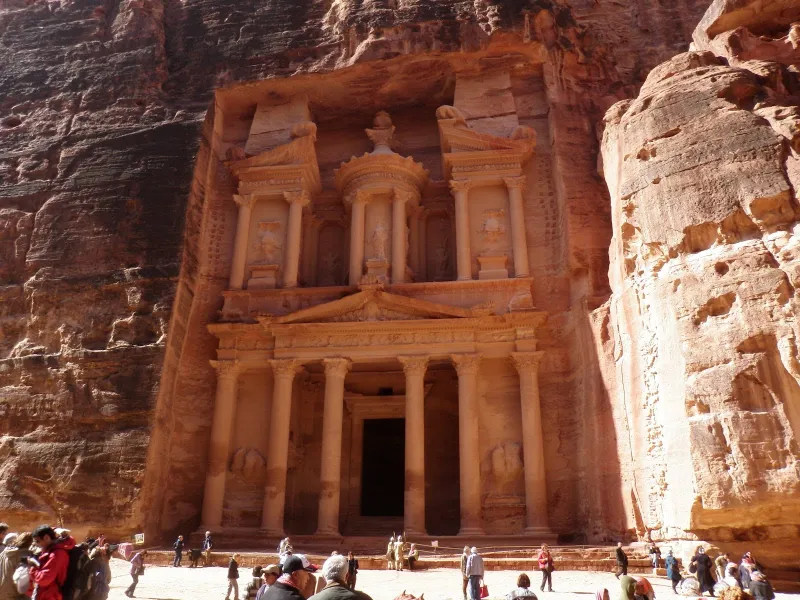
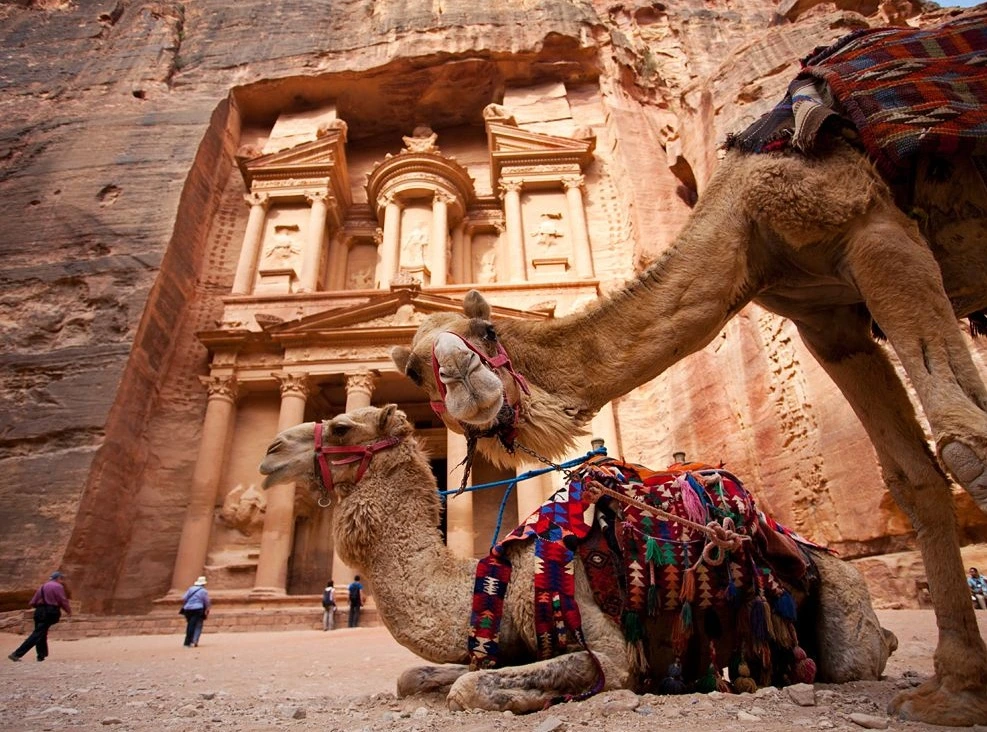
The Treasury (Al-Khazneh)
The Treasury is Petra’s most famous monument.
Carved into the sandstone mountain, it is one of the most photographed landmarks in Jordan.
Many travelers describe the first view of the Treasury as the most memorable moment of their Petra visit.
The Royal Tombs
The Royal Tombs showcase the incredible craftsmanship of the Nabataeans.
The large carved facades reflect the importance of the people buried there.
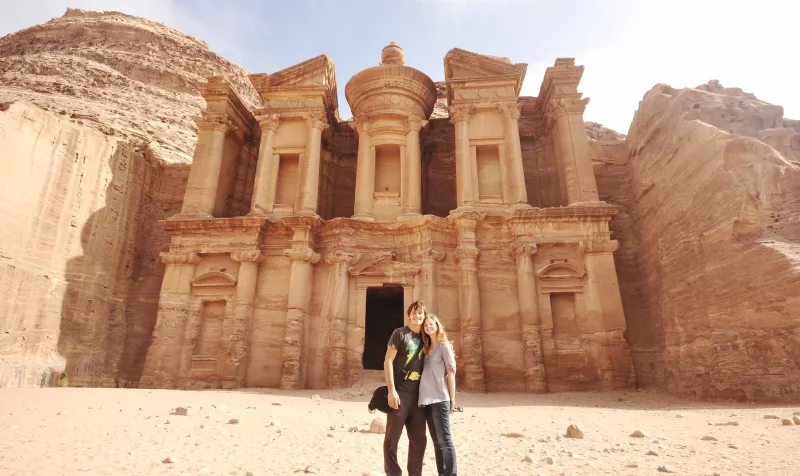
The Monastery (Ad Deir)
The Monastery is one of the largest and most impressive monuments in Petra.
Located high in the mountains, reaching the Monastery requires climbing hundreds of steps, but the journey offers beautiful views along the way.
Visitors are rewarded with:
- A massive carved facade
- Amazing mountain scenery
- A quieter atmosphere compared with the Treasury
Many travelers consider the Monastery one of the highlights of Petra.
The High Place of Sacrifice
The High Place of Sacrifice is an ancient ceremonial area located above Petra.
The viewpoint offers spectacular panoramic views over:
- The ancient city
- Mountain valleys
- Rock formations
It is an excellent choice for travelers who enjoy hiking and photography.
The Street of Facades
The Street of Facades is a collection of impressive carved tombs along the main path of Petra.
Walking through this area allows visitors to see the incredible details created by the Nabataean builders.
The Great Temple of Petra
The Great Temple was one of the largest structures in ancient Petra.
Although partially damaged, the site reveals important information about the city’s religious and public life.
Visitors can see:
- Large columns
- Ancient remains
- Archaeological discoveries
Crowds at Petra City Jordan
Petra is one of Jordan’s most popular attractions, so visitor numbers can be high during peak seasons.
The busiest periods are usually:
- Spring holidays
- Autumn travel season
- Morning group tours
For a better experience:
- Arrive early
- Spend enough time exploring
- Visit less crowded trails
- Consider a two-day ticket if you want a deeper experience
Despite the crowds, Petra’s huge size allows visitors to find peaceful areas.
Weather in Petra City Jordan
Petra has a desert climate with hot summers and cool winters.
Spring (March to May)
One of the best times to visit.
Advantages:
- Comfortable temperatures
- Beautiful landscapes
- Ideal walking conditions
Summer (June to August)
Temperatures can be high.
Tips:
- Start early
- Carry water
- Wear sun protection
- Take breaks during hiking
Autumn (September to November)
Another excellent season with pleasant weather.
Winter (December to February)
Weather is cooler and rain may occur.
Visitors should bring:
- Warm layers
- Comfortable walking shoes
Practical Travel Tips for Visiting Petra
Wear Comfortable Shoes
Petra requires a lot of walking, including uneven paths and stairs.
Comfortable shoes are essential.
Start Early
Morning visits provide:
- Cooler temperatures
- Better photography
- Fewer crowds
Bring Water
The site is large, and walking can be tiring, especially in warmer months.
Plan Your Route
Important stops include:
- The Siq
- Treasury
- Royal Tombs
- Monastery
- Great Temple
Consider a Local Guide
A guide can explain:
- Nabataean history
- Hidden details
- Stories behind monuments
Stay Nearby
Staying in Wadi Musa allows easy access to Petra and gives you more time to explore.
Real Traveler Insights
One of our travelers mentioned:
"Petra was unlike any place I had visited before. Walking through the Siq and seeing the Treasury appear was a magical moment. The history and scenery together made it unforgettable."
Visitors often say:
"The size of Petra is surprising. Photos do not show how impressive the mountains and carved buildings really are."
Another traveler shared:
"The Monastery hike was challenging but absolutely worth it. The view from the top was one of the best moments of my Jordan trip."
Many visitors describe Petra as a place where history feels alive.
Interesting Facts About Petra City Jordan
- Petra is known as the Rose City because of its pink-colored sandstone.
- It was the capital of the Nabataean Kingdom.
- The city contains hundreds of rock-cut monuments.
- Petra was an important trading center in ancient times.
- The site became one of the New Seven Wonders of the World.
- Petra has been featured in many films and documentaries.
- The ancient Nabataeans created advanced water systems to support city life.
Frequently Asked Questions About Petra City Jordan
Why is Petra famous?
Petra is famous for its rock-cut architecture, especially the Treasury, and its importance as an ancient Nabataean city.
How many days do I need in Petra?
One day is enough for the main highlights, but two days allow a more relaxed experience.
Is Petra difficult to visit?
Petra involves walking and some climbing, but visitors can choose routes based on their fitness level.
What is the best time to visit Petra?
Spring and autumn offer the best weather conditions.
Can children visit Petra?
Yes. Families can visit Petra, but comfortable walking and planning breaks are recommended.
How far is Petra from Amman?
Petra is around 230 km from Amman, approximately a 3–4 hour drive.
Should I visit Petra with a guide?
A guide is recommended for travelers who want deeper historical information.
Final Thoughts
Petra City Jordan is one of the world’s most extraordinary archaeological destinations, offering a journey through ancient history, breathtaking landscapes, and the achievements of the Nabataean civilization.
From the dramatic entrance through the Siq to the unforgettable view of the Treasury and the impressive Monastery, every part of Petra tells a story.
Whether you are interested in history, photography, adventure, or cultural experiences, Petra provides a unique travel experience that stays in visitors’ memories forever.
A visit to Jordan is not complete without exploring this legendary Rose City.
Ready to discover the wonders of Petra and explore the beauty of Jordan? Visit our Jordon Holiday Packages today and book your Jordan adventure for an unforgettable journey.