
The Ultimate Travel Guide to El Jadida Morocco: A Coastal Haven of History, Culture, and Sun
When travelers imagine an escape to North Africa, they often envision the labyrinthine souks of Marrakech, the ancient blue-hued alleys of Chefchaouen, or the sweeping Saharan sand dunes. Yet, nestled quietly along the sun-drenched Atlantic coastline lies a hidden treasure that tells an entirely different story. Welcome to El Jadida Morocco, a mesmerizing coastal destination where European Renaissance military architecture seamlessly blends with traditional Moroccan culture. Formerly known by its Portuguese name, Mazagan, this historic port city offers an exceptional, laid-back alternative to the bustling imperial metropolises inland.
Stepping into this city is like entering a living museum, where massive stone ramparts look out over the roaring Atlantic waves, and the scent of freshly grilled fish mingles with the salty sea breeze. Whether you are a dedicated history enthusiast eager to explore centuries-old fortifications, a beach lover seeking golden sands, or a traveler wanting to experience authentic Moroccan life away from the commercial tourist trails, this destination promises an unforgettable journey. In this comprehensive guide, we will delve deep into the heart of the city, exploring its unique location, top attractions, practical travel tips, and everything you need to plan the perfect itinerary.
Location: Where is This Coastal Gem?
Geography has played a defining role in the destiny of this vibrant town. Strategically positioned on the western Atlantic coast of the country, it sits roughly 55 miles (90 kilometers) southwest of Casablanca. This makes it incredibly accessible for international travelers landing at Mohammed V International Airport.
The town functions as the capital of the El Jadida Province within the Casablanca-Settat region. Its coastal positioning blesses it with a mild, refreshing maritime climate, shielding it from the intense, scorching heatwaves that frequently blanket the interior regions of the country during the peak summer months. Its proximity to major highways and a reliable national rail network ensures that reaching this scenic enclave is a smooth, straightforward endeavor, whether you choose to rent a vehicle, hire a grand taxi, or take a scenic train ride down the coast from Casablanca or Rabat.
Book our Casablanca Day Tours today and uncover the coastal secrets of El Jadida in just one unforgettable day!
A Glimpse into the Past: From Mazagan to El Jadida
To truly appreciate the unique atmosphere of the city, one must understand its tumultuous and multi-layered history. Long before European ships anchored on these shores, the area served as a modest maritime trading post. However, the city's modern narrative truly began in 1502 when Portuguese sailors landed here. Recognizing its immense strategic value for protecting their global maritime trade routes, they constructed a formidable stone fortress and established a colony they named Mazagão (Mazagan).
For more than two centuries, the Portuguese clung desperately to this fortified outpost, turning it into an impregnable stronghold capable of withstanding numerous prolonged sieges by local Moroccan dynasties. It became their absolute last territorial foothold in the country. In 1769, under intense pressure from Sultan Mohammed ben Abdallah, the Portuguese finally agreed to evacuate. In a final act of defiance as they boarded their ships for Brazil, they wired the main gates and governor’s bastion with explosives, blowing up large portions of the ramparts.
Left scarred and abandoned, the ruined site was known locally as Al-Mahdouma ("The Ruined") for over half a century. It wasn't until the mid-19th century that Sultan Moulay Abderrahman ordered its comprehensive restoration. The town was rebuilt, repopulated—notably by a thriving community of Moroccan Jews—and proudly renamed El Jadida, which translates literally to "The New". In 2004, the extraordinary, well-preserved architectural fusion of the old town earned it a well-deserved designation as a UNESCO World Heritage Site.
Best Attractions: What to See and Do?
The unique allure of El Jadida Morocco lies in its ability to offer diverse experiences within a relatively compact geographical area. From underground architectural wonders to sprawling sun-kissed coastlines, here are the absolute best attractions you cannot afford to miss:
1. The Portuguese City (Cité Portugaise)
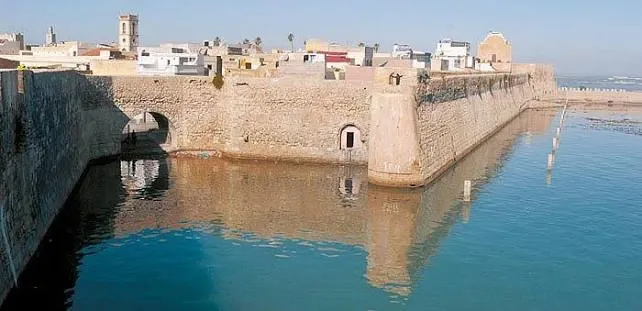
The historic heart of the town is its ancient walled citadel, an exceptional, highly preserved example of Renaissance military engineering integrated with Portuguese architectural flourishes. Enclosed by massive, thick stone walls, this neighborhood feels completely detached from the modern city surrounding it.
As you pass through its historic gates, you enter a peaceful enclave characterized by quiet, narrow streets lined with elegant, weathered buildings. What makes the Cité Portugaise profoundly unique is its cross-cultural religious harmony; within these ancient walls, centuries-old Catholic churches stand side-by-side with historic mosques and old synagogues, symbolizing the rich, multicultural fabric of the city's past.
2. The Portuguese Cistern (Citerne Portugaise)
Undoubtedly the most famous landmark in the city, the underground Portuguese Cistern is an atmospheric masterpiece of stone and shadow. Originally constructed in 1514 as a fortified warehouse or armory, it was later cleverly converted into a subterranean water reservoir to ensure the colony could survive prolonged military sieges.
When you step down into this vast underground chamber, you are greeted by an extraordinary sight: a dense forest of 25 stone pillars supporting a magnificent, vaulted ceiling built in the classic Portuguese Manueline architectural style. A single opening in the roof allows a dramatic shaft of natural sunlight to pierce the darkness, casting a perfectly sharp, ethereal reflection onto the thin layer of still water coating the stone floor. The haunting beauty of this space is so profound that legendary filmmaker Orson Welles famously utilized it as a central backdrop for his acclaimed 1951 cinematic adaptation of Shakespeare's Othello.
3. The Ramparts and Bastions
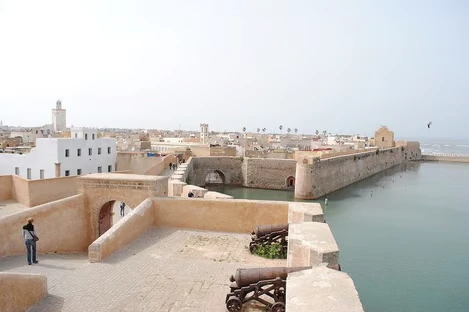
No trip to the city is complete without a leisurely walk along the top of the monumental stone ramparts that encircle the old citadel. You can ascend to the patrol path near the Bastion of the Holy Spirit and walk all the way to the famous Angel's Tower (Tour de l'Ange).
Along this historic path, you will pass rows of weathered, iron Portuguese cannons still pointed defiantly out toward the horizon. The ramparts offer unparalleled, panoramic views: on one side, you look down over the chaotic, colorful rooftops of the old medina; on the other, you gaze out at the crashing waves of the deep blue Atlantic Ocean and the busy fishing harbor below.
4. Sidi Bouzid Beach
For those looking to trade history for relaxation, Sidi Bouzid Beach is widely considered one of the finest beaches in the entire country. Located roughly 7 kilometers south of the city center, this beautiful crescent of fine golden sand is an absolute paradise for sunbathers, swimmers, and water sports enthusiasts.
The beach is particularly famous in the international surfing community for its incredibly consistent right-hand point break, drawing surfers from all corners of the globe during the autumn and winter months. The lively beachfront promenade is lined with excellent open-air cafes, seafood restaurants, and vibrant venues, making it the perfect spot to sit back and watch a spectacular Atlantic sunset.
5. The Modern Medina and Bustling Souks
While the Portuguese City represents the distant past, the modern Moroccan medina located just outside the fortress walls pulses with the raw energy of contemporary local life. Wandering through these busy, chaotic souks offers a sensory explosion.
Here, you won't find the aggressive, high-pressure sales tactics common in the heavily touristed markets of Marrakech. Instead, you can comfortably browse stalls overflowing with aromatic spices, fresh local produce, intricately hand-woven textiles, traditional leather slippers (babouches), and shimmering Moroccan pottery alongside local residents going about their daily shopping.
Best Time to Visit: Weather and Festivals
Choosing the right time to plan your journey to the region depends entirely on what kind of vacation you are looking for. Thanks to its favorable coastal geography, the city escapes the extreme weather conditions experienced by the interior provinces.
-
Spring (March to May): This is an ideal time for sightseeing, cultural exploration, photography, and exploring the surrounding countryside. Temperatures are pleasantly warm, ranging from 18°C to 23°C, and the landscape is beautifully green after winter rains.
-
Summer (June to August): Perfect for beach vacations, swimming, and enjoying coastal nightlife. The sea breeze keeps the city comfortably cool compared to inland cities, with daytime temperatures averaging around 24°C to 28°C. This is also the peak season for local tourism.
-
Autumn (September to November): A favorite season for surfers and travelers who prefer avoiding major summer crowds. The ocean water remains warm, and daytime temperatures stay highly comfortable around 20°C to 25°C.
-
Winter (December to February): Ideal for budget travel, peaceful isolation, and catching massive winter surf swells. While it is too cold for casual swimming, with temperatures dropping to 12°C to 17°C, the historic streets are wonderfully quiet and free of crowds.
Cultural Highlight: The Moussem of Moulay Abdallah Amghar
If you wish to witness a breathtaking display of traditional Moroccan heritage, plan your visit for August. During this month, the city hosts the spectacular Moussem of Moulay Abdallah Amghar, one of the largest and most culturally significant religious and cultural festivals in North Africa.
Tens of thousands of visitors gather along the coast to set up a massive canvas tent city. The absolute highlight of the festival is the Fantasia (Tbourida)—an extraordinary equestrian performance where synchronized groups of traditional riders clad in flowing white robes charge forward at full speed on magnificent Barb horses, firing their gunpowder rifles simultaneously into the sky in a deafening, unified roar. The festival also features ancient falconry demonstrations and vibrant evenings filled with traditional live music and storytelling.
Duration: How Long Should You Stay?
One of the most common questions travelers ask is how much time they should allocate to this coastal destination. The ideal duration depends heavily on your broader travel itinerary:
-
The Day Trip: Because it sits less than two hours away from Casablanca, it is highly feasible to visit the town on a quick single-day excursion. This gives you just enough time to explore the Portuguese City, marvel at the underground cistern, walk the historic ramparts, and enjoy a fresh seafood lunch by the port before heading back.
-
The Weekend Getaway: This is the ideal duration for most leisure travelers. Spending two or three days allows you to explore the historic monuments at a slow, relaxed pace, spend a full afternoon sunbathing or surfing at Sidi Bouzid Beach, and dive deep into the local culinary scene without feeling rushed.
-
The Extended Resort Stay: If you are staying at one of the luxury seaside resorts nearby, such as the famous Mazagan Beach & Golf Resort, you can easily spend an entire week here. This gives you ample time to indulge in world-class golfing, luxury spa treatments, surf lessons, and easy day trips to nearby historic towns like Azemmour or Safi.
Essential Travel Advice for Visitors
To ensure your trip goes as smoothly as possible, keep these practical, boots-on-the-ground travel tips in mind:
1. Culinary Delights: Indulge in Fresh Seafood
Being a prominent fishing port, the town offers some of the freshest, most delicious seafood in North Africa. Head down to the bustling harbor area or the local fish market where you can select raw fish, shrimp, calamari, and sardines straight from the daily catch and have them instantly grilled or fried to perfection at a nearby stall for a very modest price. Don't forget to pair your meal with a steaming glass of traditional Moroccan mint tea!
2. Dress Appropriately
While the coastal beach resorts and surfing areas are accustomed to western swimwear, the city itself remains culturally traditional and conservative. When exploring the historic Cité Portugaise, the crowded souks, or residential neighborhoods, both men and women should dress modestly. Covering your shoulders and knees shows respect for the local culture and helps prevent unwanted attention.
3. Transportation Tips
The city center is remarkably compact and highly pedestrian-friendly, meaning you can easily walk between most major historical attractions. For longer distances—such as traveling out to Sidi Bouzid Beach—look for the small, shared Petit Taxis (which are painted a distinctive bright red color). Always ensure the driver turns on the taximeter before the journey begins, or negotiate a clear, fixed price before stepping into the vehicle.
Common Mistakes to Avoid
Even experienced globetrotters can occasionally stumble when navigating a new destination. When visiting El Jadida Morocco, make sure to avoid these frequent tourist pitfalls:
-
Arriving at the Cistern Without Checking Opening Status: The underground Portuguese Cistern occasionally closes unexpectedly for routine maintenance, restoration work, or special cultural film shoots. Always check with your hotel front desk or local tourism authorities regarding the current operating hours before walking over, so you don't face disappointment at the entrance.
-
Completely Skipping the Modern Medina: Many tourists mistakenly confine their entire visit exclusively to the interior of the Portuguese fortress walls. While the fortress is undeniably beautiful, skipping the modern town means missing out on the authentic, high-energy pulse of daily Moroccan life, lower prices, and incredible street food.
-
Forgetting Warm Layers for the Evening: Because it features a refreshing maritime climate, temperatures can drop noticeably as soon as the sun dips below the Atlantic horizon, heavily driven by strong ocean breezes. Even if you are visiting in the middle of summer, always carry a light jacket, sweater, or windbreaker for your evening coastal strolls.
-
Rushing Through on a Tight Schedule: The true charm of this coastal town lies in its relaxed, unhurried pace of life. Avoid trying to squeeze it into a frantic two-hour pitstop between major cities. Take your time to sit in an ocean-view cafe, people-watch, and absorb the unique, tranquil atmosphere.
FAQ
Is El Jadida safe for solo travelers?
Yes, it is generally considered a highly safe and peaceful destination for solo travelers, including solo female travelers. Violent crime is extremely rare. However, like any popular coastal destination, you should practice standard travel common sense: avoid walking alone in poorly lit, unpopulated coastal areas late at night, and keep a close eye on your personal belongings in crowded souks or markets.
Can I travel easily from Casablanca to El Jadida?
Absolutely. The journey is incredibly straightforward. You can board a comfortable, modern national train (ONCF) from Casablanca’s main stations (such as Casa-Port or Casa-Voyageurs) which will bring you directly to the town in roughly 1 hour and 15 minutes. Alternatively, driving via the well-maintained A5 coastal highway takes about 1.5 hours.
Are the beaches safe for swimming?
The main city beach is generally safe and features calm, shallow waters, making it very popular with local families during the summer. Sidi Bouzid Beach offers pristine waters but is prone to much larger Atlantic waves and strong undertows, which is why it is highly favored by surfers. Always pay close attention to local warning flags and swim only in designated, monitored areas.
What languages are spoken there?
The primary languages spoken by locals are Moroccan Arabic (Darija) and French, the latter being widely used in hotels, restaurants, and commerce. Due to the city's unique colonial history, you may encounter older residents who speak or understand Portuguese or Spanish. English is widely understood within major luxury resorts and tourist-centric establishments, though learning a few basic Arabic phrases will be highly appreciated by the locals!
Conclusion
From the haunting, sun-dappled shadows of its underground Manueline cistern to the roaring Atlantic waves crashing violently against centuries-old stone ramparts, El Jadida Morocco stands as a profound testament to the beautiful, unexpected results of cross-cultural history. It is a destination that gracefully bridges two distinct worlds: the defensive military architecture of the European Renaissance and the warm, vibrant soul of traditional Moroccan hospitality.
By stepping away from the overcrowded tourist traps and dedicating time to explore this breezy coastal haven, you grant yourself the opportunity to experience a completely different, authentic facet of North African life. Pack your walking shoes, bring your sense of wonder, and prepare to be utterly captivated by the timeless, coastal magic waiting for you in El Jadida Morocco.
Design your dream itinerary with Morocco Private Tours 2026 and discover hidden coastal gems at your own pace!