
Zawyat Moulay Driss: The Spiritual Heart of Fez and a Journey Through Morocco’s Sacred Heritage
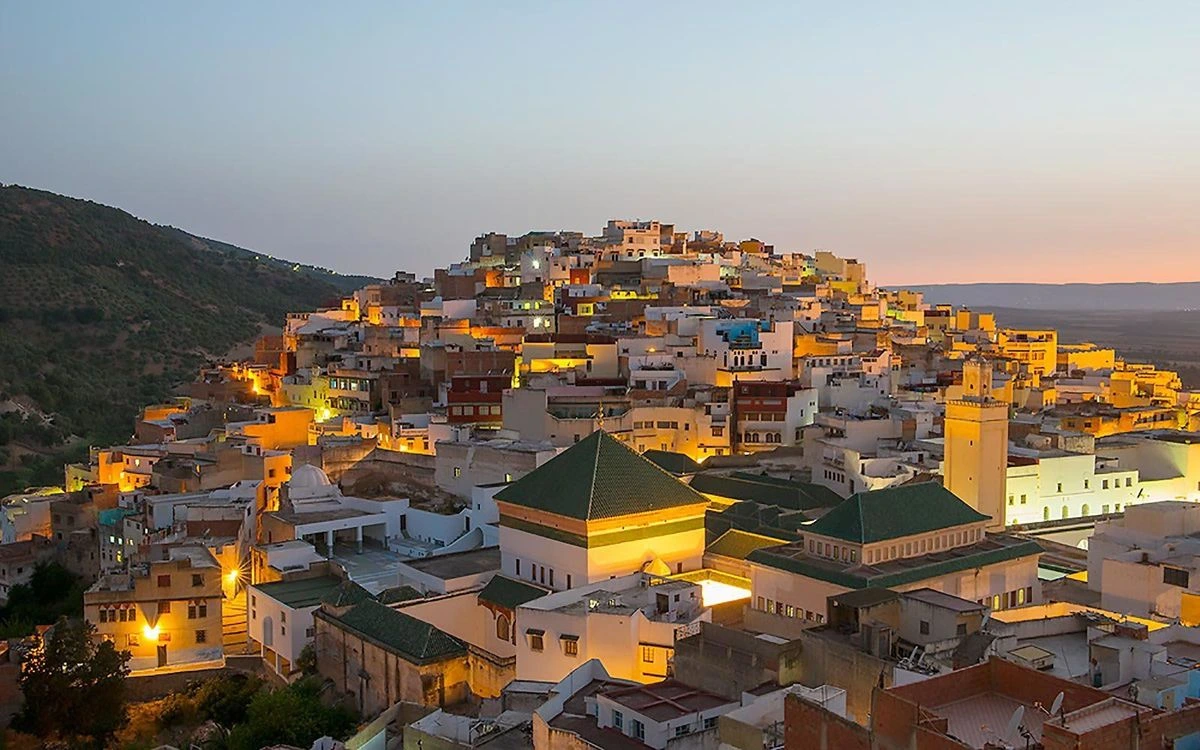
Nestled deep within the winding alleys of the ancient medina of Fez, Zawyat Moulay Driss stands as one of Morocco’s most revered religious and historical landmarks. More than just a monument, it is a symbol of faith, culture, and the enduring legacy of the Idrisid dynasty. For centuries, pilgrims, scholars, and travelers have been drawn to this sacred site, which houses the tomb of Moulay Idriss II, the founder and patron saint of Fez.
Whether you are passionate about history, architecture, spirituality, or cultural exploration, a visit to Zawyat Moulay Driss offers a unique glimpse into the soul of Morocco. The shrine's intricate craftsmanship, profound religious significance, and central role in the life of Fez make it one of the city's most important attractions.
In this guide, you will discover the history of the monument, its architectural beauty, practical visitor information, nearby attractions, and essential tips to help you enjoy the experience to the fullest.
Overview of Zawyat Moulay Driss
Zawyat Moulay Driss, also known as the Zawiya of Moulay Idriss II, is a religious complex and mausoleum located in the heart of Fez el-Bali, the oldest part of Fez. The site contains the tomb of Moulay Idriss II, who ruled Morocco from 807 to 828 CE and is traditionally regarded as the founder of the city of Fez.
The complex serves as a place of worship, pilgrimage, and spiritual reflection. It remains one of the holiest shrines in Morocco and continues to attract visitors from across the country.
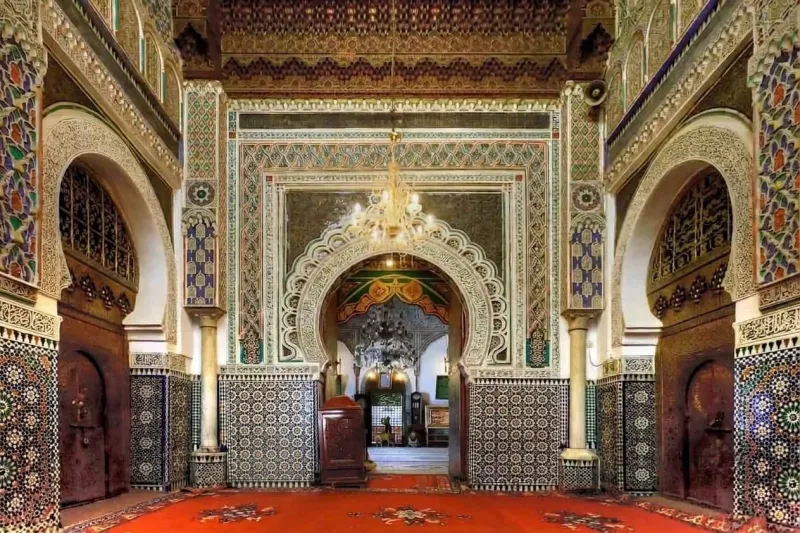
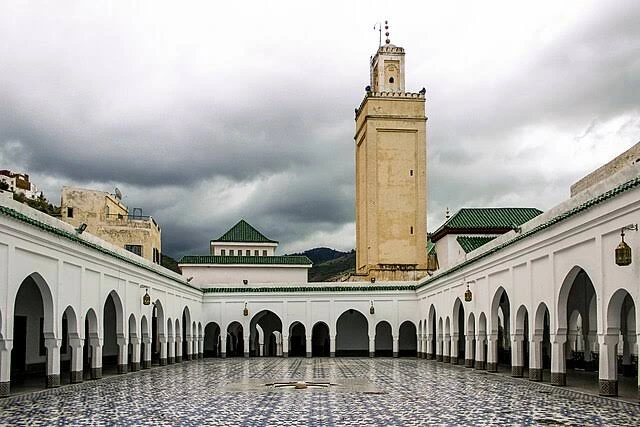
The building is famous for its exquisite Moroccan-Islamic architecture, featuring colorful zellij tilework, carved cedar wood, stucco decoration, and a distinctive green-tiled roof that has become one of the visual symbols of Fez.
If you want to explore more about Fez and the best attractions in Morocco, visit Morocco Private Tours and book your next trip now.
Location
Address: Fez el-Bali (Old Medina), Fez, Morocco
The shrine is located near Place Nejjarine and not far from Al-Attarine Madrasa, in the historic center of Fez. Because it is situated within the pedestrian-only medina, visitors typically reach it on foot while exploring the narrow streets and traditional souks.
How to Get There
-
From Bab Bou Jeloud (Blue Gate): Approximately 15–20 minutes on foot.
-
By taxi: Taxis can drop visitors at the nearest accessible entrance to the medina.
-
Guided tours: Many walking tours of Fez include the exterior of the shrine as a key stop.
When Was Zawyat Moulay Driss Built?
The origins of the site date back to the 9th century, shortly after the death of Moulay Idriss II. Over time, the original structure underwent numerous renovations and expansions.
The shrine gained renewed importance during the 14th and 15th centuries, particularly after the reported rediscovery of Moulay Idriss II's remains in 1437. This event significantly increased the site's religious prestige and transformed it into a major pilgrimage destination.
The current form of the complex largely dates to the early 18th century, when Sultan Moulay Ismail sponsored extensive reconstruction work. Additional expansions and renovations continued throughout the 18th and 19th centuries, resulting in the magnificent structure visible today.
Thus, while the spiritual origins of the shrine stretch back more than 1,100 years, much of its present architecture reflects Moroccan craftsmanship from the Alaouite period.
Historical Importance of the Shrine
The Legacy of Moulay Idriss II
To understand the significance of the shrine, it is important to understand the man it honors.
Moulay Idriss II was the son of Idriss I, founder of the Idrisid dynasty. After his father's death, he continued consolidating power in Morocco and established Fez as a major political, religious, and cultural center.
His leadership laid the foundation for what would become one of the most influential cities in the Islamic world.
A Center of Pilgrimage
For centuries, Moroccans have traveled to the shrine seeking blessings, known locally as baraka. The mausoleum remains an important pilgrimage destination and plays a central role in religious celebrations throughout the year.
Many believers consider the site a place of spiritual protection and reflection, making it one of Morocco's most sacred locations.
A Symbol of Fez
Few monuments are as closely linked to the identity of Fez as Zawyat Moulay Driss. The shrine embodies the city's rich history, religious traditions, and cultural heritage.
Its importance extends beyond religion; it serves as a reminder of the origins of Moroccan statehood and the enduring influence of the Idrisid dynasty.
Architectural Beauty and Design
One of the most remarkable aspects of the shrine is its architectural elegance.
Exterior Features
The exterior is characterized by:
-
Green glazed roof tiles
-
Ornate entrances
-
Decorative arches
-
Traditional Moroccan geometric patterns
-
Historic wooden barriers marking the sacred precinct
The green roof is particularly iconic and can be seen from various viewpoints throughout the medina.
Interior Decoration
Although access to the interior is restricted to Muslims, historical descriptions and photographs reveal breathtaking decoration, including:
-
Intricate zellij mosaics
-
Hand-carved cedar wood ceilings
-
Delicate plasterwork
-
Quranic calligraphy
-
Decorative courtyards
The craftsmanship reflects some of the finest examples of Moroccan Islamic art.
The Mausoleum Chamber
At the heart of the complex lies the mausoleum chamber containing the tomb of Moulay Idriss II.
This sacred space serves as the focal point for prayer, pilgrimage, and religious ceremonies.
Visiting Zawyat Moulay Driss Today
Can Non-Muslims Enter?
One of the most common questions concerns access.
Currently, non-Muslims are generally not permitted to enter the inner sanctuary and mausoleum. However, visitors can still admire:
-
The beautiful exterior architecture
-
Historic surrounding streets
-
Decorative entrances
-
Nearby viewpoints
-
The vibrant atmosphere of the sacred district
Many travelers find that even viewing the shrine from outside provides a memorable cultural experience.
Opening Hours
Because the site functions as an active religious shrine, formal tourist opening hours can vary.
General visiting hours for the surrounding area:
-
Daily: Approximately 8:00 AM – 6:00 PM
The sacred precinct itself remains active throughout the day for worshippers.
Visitors should note that schedules may change during religious holidays and special events.
Entrance Fees and Prices
-
Exterior viewing: Free
-
Walking through the surrounding district: Free
-
Guided tours of the medina: Prices vary depending on the guide and tour package.
Since most non-Muslim visitors view the shrine from outside, there is generally no admission fee.
Best Time to Visit
Best Season
The ideal seasons are:
Spring (March–May)
Spring offers:
-
Pleasant temperatures
-
Comfortable walking conditions
-
Beautiful natural scenery around Fez
Autumn (September–November)
Autumn provides:
-
Mild weather
-
Fewer extreme temperatures
-
Excellent conditions for exploring the medina
Best Time of Day
The best times to visit are:
Morning (8:00 AM – 11:00 AM)
Advantages:
-
Cooler temperatures
-
Smaller crowds
-
Better photography conditions
Late Afternoon (4:00 PM – 6:00 PM)
Advantages:
-
Softer sunlight
-
Vibrant atmosphere
-
Beautiful lighting on the historic buildings
For the most enjoyable experience:
-
Visit during spring or autumn.
-
Avoid the hottest summer afternoons.
-
Arrive early in the day.
-
Plan your visit on weekdays when possible.
-
Allow several hours to explore the surrounding medina.
Travelers interested in religious festivals may also consider visiting during celebrations associated with Moulay Idriss II, when the spiritual atmosphere reaches its peak.
How to Enjoy the Experience at Its Best
Explore with a Local Guide
The maze-like streets of Fez can be confusing for first-time visitors.
A knowledgeable local guide can:
-
Explain the site's history
-
Share cultural insights
-
Point out hidden architectural details
-
Help navigate the medina
Take Time to Observe the Details
Rather than rushing through the area, slow down and appreciate:
-
Tilework
-
Carved wood
-
Decorative fountains
-
Historic doorways
-
Traditional craftsmanship
Every corner tells a story.
Visit Nearby Historic Sites
The shrine is surrounded by some of Fez's most remarkable landmarks, making it easy to create a full day of exploration.
Experience the Spiritual Atmosphere
Even if you cannot enter the sanctuary, the surrounding neighborhood conveys a sense of reverence and history that is difficult to find elsewhere.
Listen to the sounds of the medina, observe local traditions, and appreciate the sacred significance of the area.
Best Attractions in Fez
A visit to Zawyat Moulay Driss should be combined with other major attractions in the city.
Al-Qarawiyyin University
Founded in 859 CE, it is considered one of the world's oldest continuously operating educational institutions.
Al-Attarine Madrasa
A masterpiece of Marinid architecture featuring stunning tilework and intricate decoration.
Bou Inania Madrasa
One of Morocco's most impressive Islamic schools and among the few religious buildings open to non-Muslim visitors.
Nejjarine Fountain
A beautifully decorated fountain showcasing traditional Moroccan craftsmanship.
Chouara Tannery
One of the most famous sights in Fez, where leather has been processed using traditional methods for centuries.
Bab Bou Jeloud
Known as the Blue Gate, it serves as the main entrance to the old medina and is among the city's most photographed landmarks.
Dar Batha Museum
A fascinating museum featuring Moroccan arts, crafts, and cultural heritage.
Merinid Tombs
Offering panoramic views of Fez, these ruins are ideal for sunset photography.
What to Wear
Because the shrine is located in a conservative and religious area, respectful clothing is recommended.
For Men
-
Long pants
-
Modest shirts
-
Comfortable walking shoes
For Women
-
Loose-fitting clothing
-
Long skirts or trousers
-
Covered shoulders
-
Comfortable footwear
While head coverings are not mandatory for tourists, modest attire demonstrates cultural respect.
What to Bring
To make the most of your visit, consider bringing:
-
Comfortable walking shoes
-
Reusable water bottle
-
Camera or smartphone
-
Sunglasses
-
Lightweight jacket during cooler months
-
Cash for local purchases
-
Offline map of the medina
The streets of Fez are often uneven, so comfortable footwear is particularly important.
Common Mistakes and How to Avoid Them
Getting Lost
Mistake: Exploring without navigation.
Solution: Use a map or hire a local guide.
Wearing Inappropriate Clothing
Mistake: Dressing too casually in a sacred area.
Solution: Choose modest and respectful attire.
Visiting During Peak Heat
Mistake: Exploring in the hottest hours of summer.
Solution: Visit early morning or late afternoon.
Rushing the Experience
Mistake: Spending only a few minutes at the site.
Solution: Allow time to appreciate the architecture and atmosphere.
Ignoring Local Customs
Mistake: Taking photos of people without permission.
Solution: Always ask before photographing locals.
Expecting Full Interior Access
Mistake: Assuming the shrine is open to all visitors.
Solution: Understand access restrictions beforehand and focus on the rich experience available from the exterior and surrounding district.
FAQ
What is Zawyat Moulay Driss?
It is a sacred religious complex and mausoleum in Fez that contains the tomb of Moulay Idriss II, the founder and patron saint of the city.
Where is it located?
The shrine is located in Fez el-Bali, the historic old medina of Fez, Morocco.
When was it built?
Its origins date back to the 9th century, while much of the current structure was reconstructed during the 18th century.
Why is it important?
It is one of Morocco's holiest religious sites and a symbol of the city's spiritual and historical identity.
Can tourists enter the shrine?
Generally, non-Muslims are not permitted to enter the inner sanctuary, but they can admire the exterior and surrounding district.
Is there an entrance fee?
No fee is generally required to view the exterior and surrounding area.
How long should I spend there?
Most visitors spend between 30 minutes and 2 hours exploring the shrine's surroundings and nearby attractions.
What is the best season to visit?
Spring and autumn offer the most comfortable weather conditions.
Is photography allowed?
Photography of the exterior is usually permitted, but visitors should respect local customs and ask permission before photographing people.
Is it worth visiting if I cannot enter?
Absolutely. The architecture, history, atmosphere, and surrounding medina make it one of the most rewarding cultural experiences in Fez.
Conclusion
A journey through Fez would be incomplete without discovering Zawyat Moulay Driss, one of Morocco's most treasured spiritual landmarks. From its origins in the early centuries of Moroccan history to its role as a major pilgrimage destination today, the shrine represents the cultural, religious, and architectural heritage that makes Fez so extraordinary.
Whether you are fascinated by Islamic history, Moroccan craftsmanship, or the timeless atmosphere of the ancient medina, Zawyat Moulay Driss offers an unforgettable experience. By visiting respectfully, exploring the surrounding neighborhoods, and taking time to appreciate its historical significance, travelers can gain a deeper understanding of Fez and the enduring legacy of the city’s beloved founder, Moulay Idriss II.
Experience the colors, culture, and beauty of Morocco with Morocco Group Tours.