
Koutobia Mosque: The Historic Heart of Marrakech and a Gateway to Morocco’s Rich Heritage
Morocco is a country where history, culture, architecture, and tradition come together in a fascinating blend. From the bustling souks of Marrakech to the blue-painted streets of Chefchaouen and the vast dunes of the Sahara Desert, every corner of the country tells a story. Among Morocco’s most iconic landmarks, the Koutobia Mosque stands as a symbol of the nation’s spiritual, cultural, and architectural heritage.
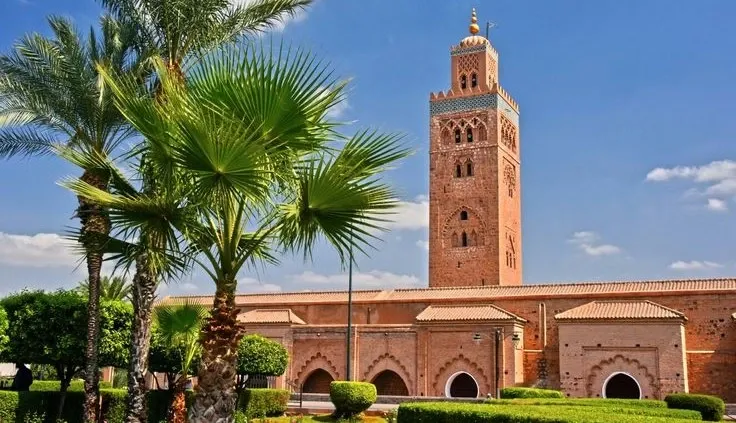
Located in the heart of Marrakech, the Koutobia Mosque is one of the most recognizable monuments in North Africa. Its majestic minaret dominates the city skyline and serves as a reminder of Morocco’s rich Islamic history. Whether you are interested in architecture, history, photography, or cultural exploration, a visit to this remarkable mosque is an essential part of any Moroccan journey.
Overview of Koutobia Mosque
The Koutobia Mosque is the largest mosque in Marrakech and one of the most important religious sites in Morocco. Built during the Almohad period in the 12th century, the mosque has become an enduring symbol of Marrakech and remains an active place of worship today.
The mosque’s elegant architecture and historical significance attract visitors from around the world. Although non-Muslims are not permitted to enter the prayer hall, the exterior, surrounding gardens, and impressive minaret offer plenty to admire and photograph.
Quick Visitor Information
Location:
Avenue Mohammed V, Medina, Marrakech, Morocco
Opening Hours:
The mosque is open daily for worshippers according to prayer times. The surrounding gardens and exterior areas can generally be visited throughout the day.
Entrance Price:
Free to view from outside. Entry to the prayer hall is restricted to Muslims.
Best Time to Visit:
Early morning or late afternoon for pleasant temperatures and beautiful lighting.
Recommended Duration:
30 minutes to 1 hour for sightseeing and photography. Combine with nearby attractions for a half-day visit.
Want to visit the Koutobia Mosque and uncover Morocco’s hidden gems? Browse Morocco Private Tours and find the perfect journey for your next adventure.
The History of Koutobia Mosque
The history of the Koutobia Mosque dates back to the reign of the Almohad Caliph Abd al-Mu'min, who ordered its construction shortly after conquering Marrakech in 1147. The mosque was built on the site of an earlier palace and became a central place of worship for the growing city.
Interestingly, historians believe that the first mosque built on the site was later replaced due to issues with its orientation toward Mecca. A second structure was then constructed nearby, resulting in the magnificent mosque that visitors see today.
The name “Koutobia” comes from the Arabic word “kutubiyyin,” meaning booksellers. During the medieval period, numerous book merchants operated in the area surrounding the mosque. Their presence transformed the district into a center of learning, scholarship, and intellectual exchange.
Over the centuries, the mosque has survived political changes, natural disasters, and urban development. Today, it remains one of the most important examples of Almohad architecture and a treasured symbol of Moroccan identity.
Architectural Significance
One of the most remarkable features of the Koutobia Mosque is its architecture. The mosque reflects the simplicity, balance, and elegance characteristic of the Almohad dynasty.
The Famous Minaret
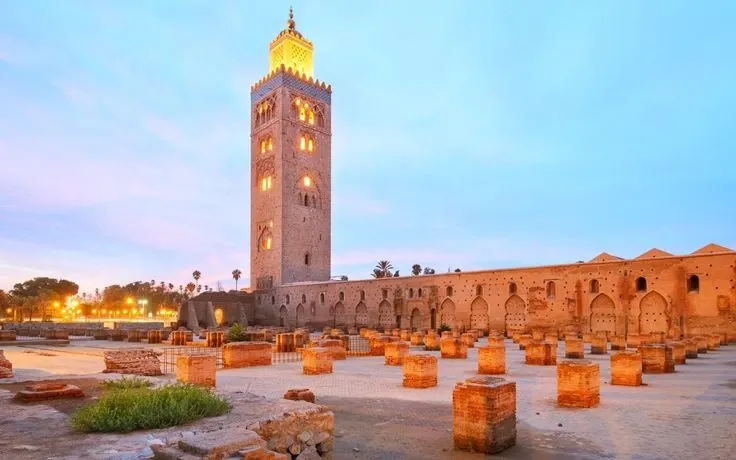
The mosque’s minaret rises approximately 77 meters (253 feet) above the city. Constructed from sandstone, it is decorated with intricate geometric patterns, arches, and ornamental details that showcase the artistic achievements of the period.
The minaret is particularly significant because it influenced the design of other famous structures, including:
-
The Giralda in Seville, Spain
-
The Hassan Tower in Rabat, Morocco
The tower remains one of Marrakech’s most recognizable landmarks and can be seen from many parts of the city.
Design and Layout
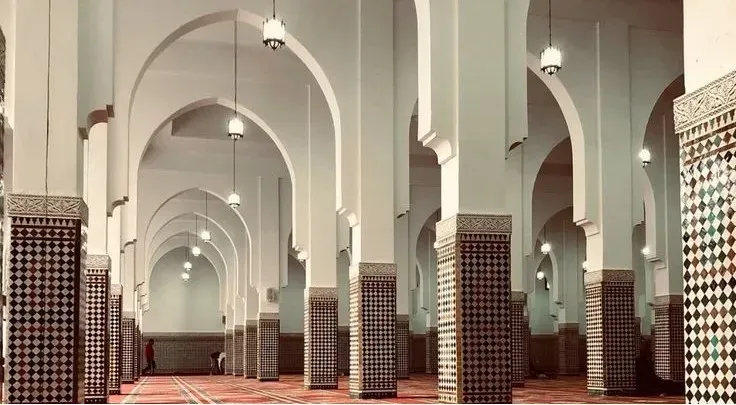
The mosque follows a traditional hypostyle plan featuring:
-
Large prayer halls
-
Multiple aisles
-
Spacious courtyards
-
Horseshoe arches
-
Decorative stonework
Its architectural harmony demonstrates the advanced engineering and artistic skills of the Almohad builders.
Historical Importance of the Koutobia Mosque
The historical importance of the Koutobia Mosque extends beyond its architectural beauty. For centuries, it has served as a spiritual, educational, and social center for Marrakech.
Religious Importance
As the largest mosque in Marrakech, it has played a central role in the religious life of the city. Daily prayers, Friday sermons, and religious celebrations continue to take place there.
Educational Legacy
The mosque’s connection to booksellers and scholars made the surrounding district an intellectual hub. Students and religious scholars gathered in the area to study theology, law, literature, and philosophy.
Symbol of Moroccan Heritage
Today, the mosque represents the continuity of Moroccan culture and Islamic tradition. It stands as a bridge between the medieval past and the modern present, attracting historians, architects, and travelers alike.
What to Expect During Your Visit
Visitors approaching the mosque are immediately struck by the grandeur of its minaret. The surrounding gardens provide a peaceful atmosphere that contrasts with the busy streets of Marrakech.
Highlights include:
-
Beautiful palm-lined gardens
-
Excellent photography opportunities
-
Views of the iconic minaret
-
Traditional Moroccan architecture
-
Nearby markets and cultural attractions
The atmosphere changes throughout the day. Early mornings are calm and quiet, while evenings offer stunning sunset views and cooler temperatures.
Best Time to Visit
Choosing the right time to visit can greatly enhance your experience.
Best Season
The most comfortable months are:
-
March to May
-
September to November
During these periods, temperatures are mild and ideal for walking around Marrakech.
Best Time of Day
Early Morning
-
Fewer crowds
-
Cooler temperatures
-
Soft lighting for photography
Late Afternoon
-
Golden-hour photography
-
Pleasant weather
-
Beautiful sunset views
Months to Avoid
July and August can be extremely hot, with temperatures often exceeding 40°C (104°F). Visitors should plan outdoor sightseeing carefully during summer.
.webp)
What to Wear
Morocco is generally welcoming and accustomed to tourists, but modest clothing is recommended, especially around religious sites.
For Women
-
Long skirts or trousers
-
Dresses covering the shoulders
-
Lightweight scarves
-
Comfortable walking shoes
For Men
-
Long trousers or respectable shorts
-
T-shirts or shirts with sleeves
-
Comfortable footwear
Respectful clothing helps visitors blend in and shows appreciation for local customs.
What to Bring
To enjoy your visit comfortably, consider bringing:
-
Water bottle
-
Sunglasses
-
Sunscreen
-
Camera or smartphone
-
Comfortable walking shoes
-
Hat or cap
-
Portable charger
-
Light scarf
These items can make exploring Marrakech much more enjoyable, particularly during warmer months.
Common Mistakes Tourists Should Avoid
Many visitors unknowingly make small mistakes that can affect their experience.
1. Visiting During Peak Heat
Midday temperatures can be intense, especially in summer.
2. Wearing Inappropriate Clothing
Although Marrakech is tourist-friendly, overly revealing clothing may be considered disrespectful near religious sites.
3. Ignoring Local Customs
Visitors should respect prayer times and avoid disruptive behavior near the mosque.
4. Missing the Gardens
Some tourists only photograph the minaret and leave. The surrounding gardens are equally worth exploring.
5. Not Exploring Nearby Attractions
The mosque is ideally located near many of Marrakech’s most famous landmarks.
Other Must-See Attractions in Morocco
A trip to Morocco should include much more than Marrakech alone. The country offers incredible diversity and unforgettable experiences.
Jemaa el-Fnaa, Marrakech
Located close to the mosque, Jemaa el-Fnaa is Marrakech’s famous central square. It comes alive with street performers, musicians, storytellers, and food vendors.
Bahia Palace
This stunning palace showcases exquisite Moroccan craftsmanship through its courtyards, mosaics, gardens, and carved woodwork.
Saadian Tombs
Dating back to the 16th century, these beautifully decorated tombs reveal the grandeur of Morocco’s Saadian dynasty.
Chefchaouen
Known as the “Blue City,” Chefchaouen is famous for its blue-painted streets, relaxed atmosphere, and mountain scenery.
Fes Medina
The ancient medina of Fes is one of the world's largest car-free urban areas and a UNESCO World Heritage Site.
Sahara Desert
A desert excursion offers:
-
Camel rides
-
Luxury desert camps
-
Spectacular sunsets
-
Star-filled night skies
The Sahara remains one of Morocco’s most unforgettable experiences.
Hassan II Mosque
Located in Casablanca, this monumental mosque features one of the tallest minarets in the world and welcomes non-Muslim visitors through guided tours.
Ait Benhaddou
This fortified village has appeared in numerous films and television productions due to its remarkable mud-brick architecture.
Atlas Mountains
Adventure seekers can enjoy:
-
Hiking
-
Mountain villages
-
Scenic drives
-
Cultural encounters with Berber communities
Photography Tips
The Koutobia Mosque is among Morocco’s most photographed landmarks.
For the best results:
-
Visit during sunrise or sunset
-
Capture reflections after rainfall
-
Include palm trees in compositions
-
Photograph from surrounding gardens
-
Use wide-angle lenses for dramatic perspectives
Remember to be respectful when photographing worshippers or religious activities.
Cultural Significance in Modern Morocco
The mosque continues to play an important role in contemporary Moroccan society. It serves as both a functioning religious institution and a cultural symbol recognized worldwide.
Its image appears in travel guides, promotional campaigns, postcards, and documentaries about Morocco. For many travelers, the silhouette of the minaret instantly evokes memories of Marrakech.
The structure also demonstrates how Morocco successfully preserves historical monuments while embracing modernization. Despite the city's growth and tourism industry, the mosque remains deeply connected to local traditions and religious life.
FAQ
Where is the Koutobia Mosque located?
The mosque is located in central Marrakech near Jemaa el-Fnaa Square on Avenue Mohammed V.
Can non-Muslims enter the mosque?
Non-Muslims cannot enter the prayer hall, but they can visit the surrounding gardens and admire the exterior architecture.
How much does it cost to visit?
Viewing the mosque from outside is completely free.
How long should I spend there?
Most visitors spend between 30 minutes and 1 hour exploring the area and taking photographs.
What is the best time to visit the Koutobia Mosque?
Early morning and late afternoon offer the best weather, lighting, and overall experience.
Why is the mosque famous?
It is famous for its impressive Almohad architecture, historical significance, and iconic minaret that dominates the Marrakech skyline.
Is photography allowed?
Yes, photography is generally allowed from public areas surrounding the mosque.
What attractions are nearby?
Nearby attractions include Jemaa el-Fnaa, Bahia Palace, Saadian Tombs, traditional souks, and numerous restaurants and cafés.
Conclusion
The Koutobia Mosque is far more than a historic building—it is a symbol of Morocco’s enduring cultural and religious heritage. Its magnificent minaret, rich Almohad history, and central role in Marrakech make it one of the country’s most important landmarks. Whether you are fascinated by architecture, history, or local traditions, the mosque offers a unique glimpse into Morocco’s past and present.
A visit to the Koutobia Mosque can easily become the highlight of any trip to Marrakech. Combined with Morocco’s vibrant cities, stunning deserts, mountain landscapes, and welcoming culture, it provides travelers with an unforgettable experience. For anyone exploring North Africa, this iconic monument deserves a place at the very top of the itinerary.
Ready to experience the beauty of Morocco’s most breathtaking destinations? Explore Morocco Holidays and start planning an unforgettable adventure today.