
The Ourika Valley: A Complete Guide to Morocco’s Scenic Mountain Escape
Nestled at the foot of the majestic High Atlas Mountains, The Ourika Valley is one of Morocco's most breathtaking natural destinations. Located just a short drive from Marrakech, this lush valley offers a refreshing escape from the city's bustling streets and desert landscapes. With its crystal-clear rivers, picturesque Berber villages, cascading waterfalls, and rich cultural heritage, it has become a favorite destination for travelers seeking both adventure and tranquility.
Whether you are planning a day trip, a weekend getaway, or a longer exploration of Morocco's mountain regions, The Ourika Valley promises unforgettable scenery, authentic local experiences, and countless opportunities to connect with nature. This comprehensive guide covers everything you need to know, including the valley's fascinating history, top attractions, best activities, travel tips, ideal visiting season, and practical advice to help you make the most of your journey.
Where Is The Ourika Valley?
The Ourika Valley is located approximately 35 kilometers (22 miles) south of Marrakech in central Morocco. Stretching along the Ourika River into the High Atlas Mountains, the valley gradually climbs in elevation until reaching small mountain villages surrounded by dramatic peaks.
Although close to Marrakech, the valley feels like an entirely different world. The bustling markets and crowded streets quickly give way to green fields, walnut groves, fruit orchards, traditional Berber homes, and spectacular mountain landscapes.
Its convenient location makes it one of the easiest and most rewarding day trips from Marrakech while also serving as an excellent gateway to the Atlas Mountains.
Explore the best of Marrakech and start planning your unforgettable Moroccan adventure with Morocco Private Tours 2026
A Brief History of The Ourika Valley
The history of The Ourika Valley is deeply connected to the indigenous Amazigh (Berber) people who have inhabited the Atlas Mountains for thousands of years. Long before modern tourism arrived, the valley served as an important agricultural and trading route connecting mountain communities with the plains surrounding Marrakech.
For centuries, local families cultivated fertile terraces using traditional irrigation systems that continue to function today. They grew olives, almonds, walnuts, apples, vegetables, and aromatic herbs while raising sheep and goats on the surrounding mountain slopes.
The valley also became known as a peaceful refuge during various historical periods due to its isolated location among the mountains. Despite modernization, many villages have preserved centuries-old customs, architecture, languages, and cultural traditions.
Traditional adobe homes built from local stone and clay blend naturally into the mountainsides, reflecting sustainable construction methods passed down through generations.
Today, visitors can still witness authentic Amazigh hospitality, traditional handicrafts, and a slower pace of life that offers a fascinating glimpse into Morocco's cultural heritage.
Why Visit The Ourika Valley?
There are countless reasons why travelers include this valley in their Moroccan itinerary.
Spectacular Natural Beauty
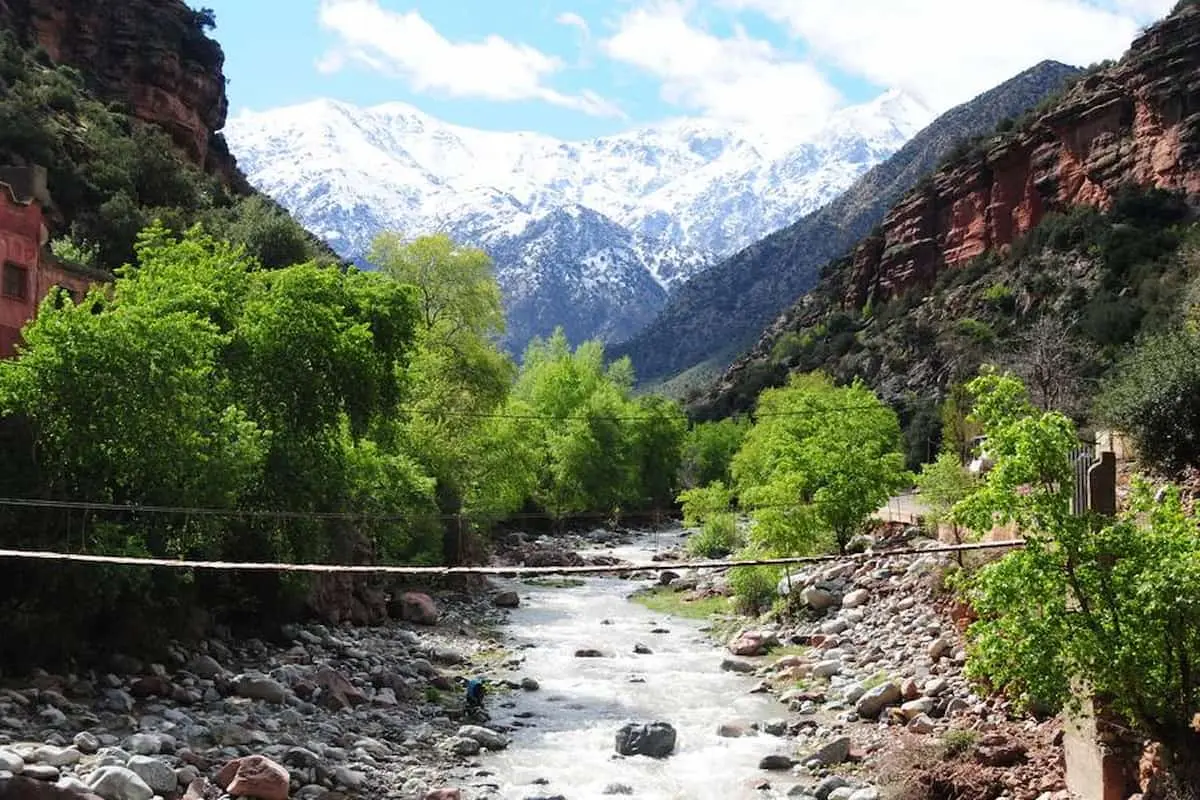
Unlike Morocco's famous deserts, the valley is remarkably green throughout much of the year. Snow-capped peaks tower above flowing rivers, forests, and cultivated farmland, creating landscapes that feel almost alpine.
The contrast between rugged mountains and lush vegetation makes the scenery truly unforgettable.
Authentic Amazigh Culture
One of the valley's greatest attractions is the opportunity to experience authentic Amazigh life.
Visitors can explore traditional villages, meet local artisans, sample homemade cuisine, and learn about customs that have remained largely unchanged for centuries.
Unlike many heavily commercialized destinations, much of the valley retains its genuine character.
Easy Access from Marrakech
Because it is less than one hour from Marrakech, the valley is perfect for travelers with limited time.
Many visitors choose a day trip, while others stay overnight to experience the peaceful atmosphere after most tourists leave.
Pleasant Climate
The higher elevation makes temperatures noticeably cooler than Marrakech, especially during summer.
When Marrakech experiences extreme heat, the valley offers refreshing mountain air and shaded riverside cafés.
The Stunning Landscapes of The Ourika Valley
Nature lovers will find endless beauty throughout the valley.
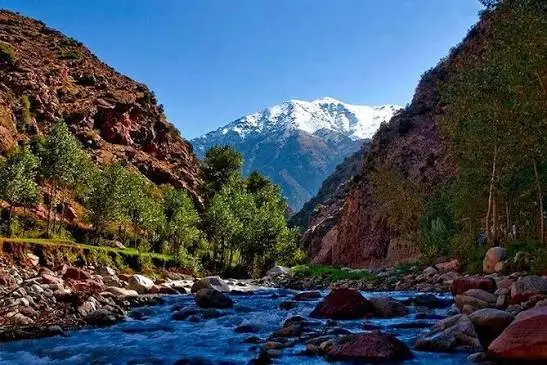
The Ourika River flows through the region, creating fertile farmland and providing water for villages along its banks.
Towering cliffs frame the valley while terraced fields climb the mountainsides.
Spring brings colorful wildflowers.
Summer fills the valley with vibrant greenery.
Autumn paints the orchards with warm golden colors.
Winter often dusts the mountain peaks with snow, creating dramatic scenery unlike anywhere else in Morocco.
Photographers especially appreciate the changing light throughout the day, as sunrise and sunset transform the mountains into shades of orange, pink, and gold.
Popular Activities in The Ourika Valley
Visit the Setti Fatma Waterfalls
The Seven Waterfalls near the village of Setti Fatma are the valley's most famous attraction.
The hike ranges from relatively easy to moderately challenging depending on how many waterfalls you visit.
Along the way, you'll cross streams, climb rocky paths, and enjoy panoramic mountain views.
The cool waterfalls provide welcome relief during warmer months.
Explore Traditional Amazigh Villages
Several villages throughout the valley welcome respectful visitors.
Walking through narrow streets reveals stone houses, community ovens, local schools, and traditional farming methods.
Many families also produce handmade carpets, pottery, jewelry, and woven textiles.
Purchasing directly from artisans supports the local economy.
Enjoy Riverside Dining
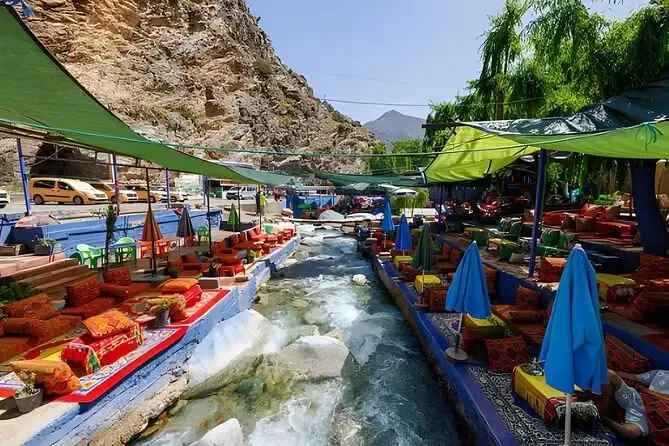
One unique experience is eating lunch beside the Ourika River.
Many restaurants place tables directly above the flowing water or even inside shallow sections of the river during summer.
Fresh Moroccan tagines, grilled meats, salads, mint tea, and homemade bread taste even better surrounded by mountain scenery.
Hiking
The valley offers trails suitable for all experience levels.
Short riverside walks are perfect for families.
Experienced hikers can venture into higher Atlas Mountain routes with local guides.
The scenery becomes increasingly dramatic as elevation increases.
Photography
Photographers will find endless subjects:
-
Mountain panoramas
-
Waterfalls
-
Traditional villages
-
River landscapes
-
Local markets
-
Terraced agriculture
-
Wildflowers
-
Snow-covered peaks
Morning light often provides the clearest conditions.
Visit Local Markets
Depending on the day, nearby villages host traditional weekly markets.
These markets sell fresh produce, spices, handmade crafts, livestock, clothing, and household goods.
Unlike tourist-oriented markets, these serve local communities and provide authentic cultural experiences.
Camel or Mule Rides
Some areas offer short camel or mule rides, particularly for families with children.
While these rides are popular, visitors should choose operators who demonstrate proper animal care and ethical treatment.
Visit Botanical and Herbal Gardens
The valley is home to several small botanical gardens showcasing medicinal plants used in traditional Moroccan remedies.
Guided tours explain how local herbs are used in cooking, cosmetics, and natural medicine.
Best Time to Visit
The valley can be visited throughout the year, but each season offers a different experience.
Spring (March–May)
Spring is considered the best season.
The landscapes are lush and green.
Wildflowers bloom across the mountains.
Temperatures remain comfortable for hiking.
Summer (June–August)
Summer attracts many visitors escaping Marrakech's intense heat.
Although warmer, the valley remains significantly cooler than the city.
Weekends can become crowded.
Autumn (September–November)
Autumn offers pleasant temperatures and fewer tourists.
Fruit orchards are particularly beautiful during harvest season.
Winter (December–February)
Winter brings cooler weather and occasional snowfall on the surrounding peaks.
The scenery becomes especially dramatic, although some hiking trails may be slippery.
Recommended Duration
The ideal duration depends on your travel style.
Half-Day Trip (4–6 hours)
Perfect for travelers with limited time.
Includes scenic driving, lunch, and a short village visit.
Full-Day Trip (8–10 hours)
The most popular option.
Allows time for hiking, waterfalls, local markets, cultural visits, and riverside dining.
Two Days or More
Ideal for travelers seeking relaxation.
Staying overnight allows you to experience peaceful mornings and evenings after day visitors have departed.
What to Wear
Choosing the right clothing will make your visit much more comfortable.
Recommended clothing includes:
-
Comfortable walking shoes or hiking boots
-
Lightweight breathable clothing during summer
-
Light jacket for spring and autumn
-
Warm layers during winter
-
Sun hat
-
Sunglasses
-
Modest clothing when visiting villages
-
Waterproof jacket if rain is expected
Avoid wearing flip-flops if you plan to hike to the waterfalls.
What to Bring
Packing a few essentials can greatly improve your experience.
Bring:
-
Reusable water bottle
-
Sunscreen
-
Camera
-
Power bank
-
Cash (many small shops do not accept cards)
-
Small backpack
-
Snacks
-
Personal medications
-
Hiking poles for longer hikes
-
Travel tissues
-
Hand sanitizer
Common Mistakes and How to Avoid Them
Wearing the Wrong Shoes
Many visitors underestimate the rocky trails.
Wear sturdy footwear with good grip.
Arriving Too Late
The waterfalls become crowded later in the day.
Arriving early provides cooler temperatures and fewer people.
Carrying Too Little Cash
Some cafés, guides, and craft sellers only accept cash.
Bring enough Moroccan dirhams for meals and purchases.
Ignoring Weather Changes
Mountain weather can change quickly.
Carry an extra layer even during warmer months.
Underestimating Hiking Difficulty
Some waterfall trails require climbing over rocks.
Take your time and wear appropriate footwear.
Not Respecting Local Culture
Dress modestly, ask permission before photographing people, and support local businesses whenever possible.
Rushing the Visit
Many travelers simply visit the waterfalls before leaving.
Take time to explore villages, enjoy local food, and appreciate the peaceful atmosphere.
Local Food You Should Try
A visit to the valley is incomplete without tasting traditional Moroccan cuisine.
Popular dishes include:
-
Chicken tagine with preserved lemons
-
Lamb tagine with prunes
-
Vegetable couscous
-
Fresh Moroccan salads
-
Homemade bread baked in clay ovens
-
Mint tea
-
Local honey
-
Olive oil produced in nearby villages
Many riverside restaurants prepare meals using fresh ingredients sourced from local farms.
Responsible Tourism Tips
Help preserve the valley's natural beauty by following responsible travel practices.
-
Do not leave litter behind.
-
Stay on marked hiking trails.
-
Respect wildlife and local agriculture.
-
Support local guides and family-owned businesses.
-
Avoid wasting water.
-
Purchase authentic handmade products instead of imported souvenirs.
-
Ask before photographing local residents.
Responsible tourism helps protect both the environment and local traditions for future generations.
FAQ
Is The Ourika Valley suitable for families?
Yes. Families with children can enjoy riverside restaurants, gentle walks, village visits, and scenic drives. Older children often enjoy hiking to the waterfalls.
Can I visit without a guide?
Yes. Many visitors explore independently, although hiring a local guide is helpful for hiking trails and learning about local culture and history.
Is one day enough?
A full day is enough to experience the highlights, but an overnight stay offers a more peaceful and immersive experience.
Is hiking difficult?
Most hiking routes are moderate. The waterfall trail includes rocky sections, so proper footwear is recommended.
Is the valley safe?
Yes. The valley is generally considered safe for tourists who follow normal travel precautions and respect local customs.
Are restaurants available?
Yes. Numerous cafés and restaurants operate throughout the valley, especially near Setti Fatma and along the river.
Can I visit during winter?
Absolutely. Winter offers beautiful mountain scenery, although temperatures are cooler and some hiking paths may be slippery.
Is photography allowed?
Yes. The landscapes are incredibly photogenic. However, always ask permission before taking photographs of local people.
Conclusion
Whether you are searching for spectacular mountain scenery, authentic Amazigh culture, refreshing waterfalls, or a peaceful escape from city life, The Ourika Valley delivers an unforgettable Moroccan experience. Its fascinating history, welcoming communities, scenic hiking trails, delicious traditional cuisine, and breathtaking natural beauty make it one of the country's most rewarding destinations.
From relaxing beside the Ourika River to exploring traditional villages and climbing toward the famous Setti Fatma waterfalls, every moment reveals a different side of Morocco's rich cultural and natural heritage. By planning your visit carefully, dressing appropriately, respecting local customs, and allowing enough time to explore beyond the main attractions, you'll discover why The Ourika Valley continues to captivate travelers from around the world and remains one of Morocco's most cherished mountain destinations.
Discover more incredible destinations with our complete guide to Morocco, take a look at Morocco Group Tours.