
The Toubkal National Park: The Ultimate Guide to Morocco's Majestic Mountain Paradise
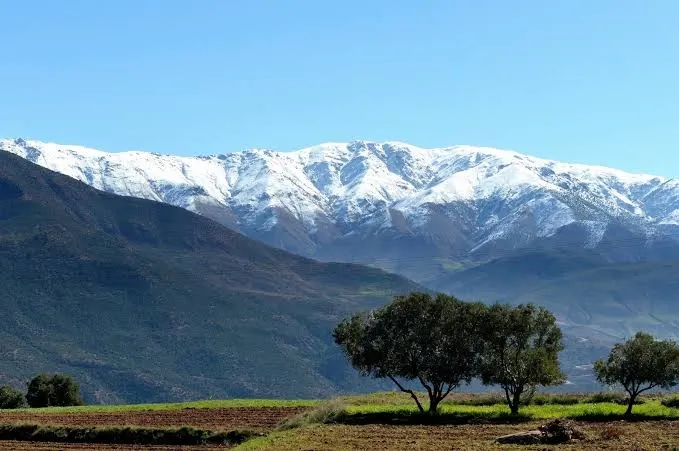
Nestled in the heart of Morocco's spectacular High Atlas Mountains, The Toubkal National Park is one of North Africa's most breathtaking natural destinations. Covering rugged mountain landscapes, picturesque Berber villages, lush valleys, crystal-clear streams, and the highest peak in North Africa, this remarkable national park offers unforgettable adventures for hikers, climbers, photographers, and nature lovers alike.
Whether you are planning to conquer Mount Toubkal, enjoy peaceful trekking through traditional villages, or simply admire some of Morocco's most stunning scenery, The Toubkal National Park provides an experience unlike any other. Every season reveals a different side of the park, making it an exceptional destination throughout the year.
This comprehensive guide explores everything visitors need to know before visiting, including its location, opening hours, entrance fees, best time to visit, recommended duration, what to wear, what to bring, practical travel advice, common mistakes to avoid, and frequently asked questions.
Overview of The Toubkal National Park
Established in 1942, The Toubkal National Park is Morocco's oldest national park and spans approximately 380 square kilometers in the High Atlas Mountains. The park protects a diverse landscape of towering peaks, deep valleys, alpine meadows, forests, rivers, and traditional Amazigh (Berber) communities.
The park's biggest attraction is Mount Toubkal, standing at 4,167 meters (13,671 feet), making it the highest mountain in North Africa. Every year, thousands of international visitors travel here to climb its famous summit and experience Morocco's incredible mountain scenery.
However, The Toubkal National Park is much more than just one mountain. It is a protected ecosystem filled with unique wildlife, traditional culture, ancient trails, and spectacular panoramic viewpoints.
Escape the ordinary and discover extraordinary destinations around Marrakech with Marrakech Excursions.
Why Is The Toubkal National Park So Important?
The importance of The Toubkal National Park extends far beyond tourism.
Environmental Importance
The park protects one of Morocco's richest mountain ecosystems. Numerous rivers originate from these mountains, supplying water to nearby communities and supporting agriculture throughout the region.
Protected forests include:
-
Atlas juniper
-
Holm oak
-
Walnut trees
-
Mountain shrubs
-
Alpine vegetation
These habitats support many species of birds, mammals, reptiles, and insects.
Cultural Importance
The surrounding Amazigh villages have preserved centuries-old traditions, architecture, language, farming methods, and hospitality.
Visitors have the opportunity to experience authentic Moroccan mountain culture while supporting local families through tourism.
Economic Importance
Tourism creates employment opportunities for:
-
Mountain guides
-
Guesthouses
-
Local restaurants
-
Mule owners
-
Transportation services
-
Handicraft sellers
Responsible tourism directly benefits local communities while encouraging conservation.
Location
The Toubkal National Park is located in the High Atlas Mountains of central Morocco, approximately:
-
70 km south of Marrakech
-
Around 1.5 to 2 hours by car from Marrakech
-
Main entrance through the village of Imlil
Country: Morocco
Nearest City: Marrakech
Main Access Village: Imlil
Most visitors begin their journey from Marrakech before traveling to Imlil, the gateway to the park.
Opening Hours
The park itself remains open 24 hours a day, 7 days a week since it is a natural protected area.
However:
-
Visitor centers generally operate during daytime.
-
Local guide offices usually open from around 8:00 AM until evening.
-
Mountain refuges follow their own schedules.
Starting hikes early in the morning is highly recommended.
Prices
One of the best aspects of visiting The Toubkal National Park is that access to the park itself is generally free.
Typical expenses include:
-
Certified mountain guide (required for summit hikes)
-
Accommodation
-
Transportation
-
Meals
-
Mule rental (optional)
-
Mountain refuge stay
Approximate costs:
-
Guide: €60–€120 per group
-
Refuge: €20–€35 per night
-
Round-trip transport from Marrakech: €25–€60
-
Meals: €5–€15
Prices may vary depending on season and service provider.
Best Time to Visit
The best time depends on the activities you wish to enjoy.
Spring (March–May)
Spring is considered one of the finest seasons.
Advantages:
-
Pleasant temperatures
-
Blooming wildflowers
-
Green valleys
-
Clear skies
-
Comfortable hiking conditions
Summer (June–August)
Higher elevations remain cool despite warmer temperatures in Marrakech.
Ideal for:
-
Long hikes
-
Multi-day trekking
-
Photography
Autumn (September–November)
Many experienced hikers prefer autumn because of:
-
Stable weather
-
Excellent visibility
-
Fewer tourists
-
Comfortable temperatures
Winter (December–February)
Winter transforms Mount Toubkal into a snowy alpine destination.
Ideal for:
-
Experienced climbers
-
Snow hiking
-
Winter mountaineering
Extra equipment is required during this season.
Recommended Duration
The ideal visit depends on your travel plans.
Day Trip
Perfect for:
-
Exploring Imlil
-
Short valley hikes
-
Cultural experiences
Two Days
The most popular option.
Allows visitors to:
-
Reach the refuge
-
Stay overnight
-
Summit Mount Toubkal
-
Return comfortably
Three to Five Days
Recommended for travelers wanting to:
-
Explore multiple valleys
-
Visit Berber villages
-
Enjoy photography
-
Experience slower trekking
Why Should You Visit The Toubkal National Park?
There are countless reasons why this destination deserves a place on every traveler's bucket list.
Spectacular Mountain Scenery
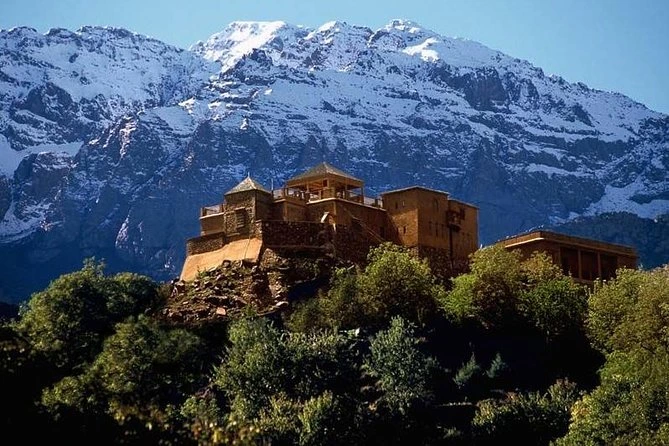
The Atlas Mountains feature dramatic cliffs, snow-capped peaks, green valleys, waterfalls, and panoramic landscapes unlike anywhere else in North Africa.
North Africa's Highest Peak
Climbing Mount Toubkal is an unforgettable achievement for hikers from around the world.
The summit offers breathtaking 360-degree views across Morocco's mountain ranges.
Authentic Amazigh Culture
Unlike heavily commercialized tourist destinations, visitors experience genuine mountain life.
Traditional villages welcome travelers with warm hospitality, homemade meals, and local traditions.
Incredible Hiking Opportunities
Trails range from:
-
Easy village walks
-
Moderate valley hikes
-
Challenging mountain ascents
-
Multi-day trekking adventures
There are routes suitable for many fitness levels.
Rich Wildlife
Nature enthusiasts may spot:
-
Barbary macaques (in nearby regions)
-
Golden eagles
-
Falcons
-
Mountain birds
-
Foxes
-
Reptiles
-
Numerous butterfly species
Stunning Photography
Every corner of the park offers postcard-worthy scenery, making it a paradise for photographers.
Sunrise and sunset provide especially magical lighting.
Hiking Routes
Several hiking routes attract visitors throughout the year.
Imlil to Refuge
Difficulty:
Moderate
Duration:
Approximately 5–6 hours
Suitable for most hikers with average fitness.
Mount Toubkal Summit
Difficulty:
Challenging
Duration:
2 days
This is the park's signature adventure.
Village Walks
Perfect for families and casual travelers.
Routes pass through:
-
Walnut groves
-
Irrigation canals
-
Mountain farms
-
Traditional villages
Wildlife and Nature
Although famous for its mountains, the park also protects impressive biodiversity.
Plants include:
-
Juniper forests
-
Wild herbs
-
Alpine flowers
-
Fruit trees
Birdlife includes:
-
Golden eagles
-
Ravens
-
Falcons
-
Rock thrushes
Mammals include:
-
Foxes
-
Wild boars
-
Small mountain mammals
The protected ecosystem is essential for preserving Morocco's natural heritage.
What to Wear?
Weather changes rapidly in the mountains.
Recommended clothing includes:
-
Waterproof hiking boots
-
Moisture-wicking shirts
-
Hiking trousers
-
Fleece jacket
-
Waterproof jacket
-
Warm hat
-
Sun hat
-
Gloves (especially outside summer)
-
Sunglasses
Dress in layers so clothing can be adjusted throughout the day.
What to Bring?
A well-prepared backpack should include:
-
Plenty of drinking water
-
Energy snacks
-
Sunscreen
-
Lip balm
-
First-aid kit
-
Trekking poles
-
Headlamp
-
Power bank
-
Camera
-
Passport
-
Cash
-
Reusable water bottle
-
Rain cover for backpack
For winter climbing:
-
Crampons
-
Ice axe
-
Thermal clothing
Practical Advice for Visitors
A successful visit begins with good preparation.
Some useful advice includes:
-
Hire a licensed mountain guide for summit climbs.
-
Start hiking early in the morning.
-
Stay hydrated.
-
Walk at your own pace.
-
Respect local customs.
-
Carry cash because card payments are uncommon in mountain villages.
-
Check the weather forecast before departure.
-
Book accommodation in advance during peak seasons.
-
Avoid littering and leave no trace.
-
Spend time interacting with local communities to enrich your experience.
Common Mistakes to Avoid
Many first-time visitors make avoidable mistakes.
Underestimating the Altitude
Altitude sickness can affect anyone.
Ascend gradually and drink plenty of water.
Wearing Improper Footwear
Running shoes are unsuitable for rocky mountain trails.
Invest in quality hiking boots.
Packing Too Little Water
Mountain hiking is physically demanding.
Carry enough water throughout your journey.
Ignoring Weather Changes
Conditions can change rapidly.
Always bring warm and waterproof clothing.
Starting Too Late
Morning departures reduce the risk of afternoon weather changes.
Skipping a Guide
Certified guides improve safety while providing fascinating local knowledge.
Leaving Trash
Help preserve this beautiful environment by carrying out everything you bring.
Sustainable Tourism in The Toubkal National Park
Responsible tourism plays a vital role in protecting the park for future generations.
Visitors can contribute by:
-
Supporting local businesses
-
Hiring local guides
-
Staying in family-run guesthouses
-
Reducing plastic waste
-
Respecting wildlife
-
Following marked trails
-
Conserving water
-
Respecting local traditions
Small actions from every traveler make a significant difference.
FAQ
Is The Toubkal National Park suitable for beginners?
Yes. Many trails are easy to moderate and suitable for beginners. However, climbing Mount Toubkal requires good physical fitness.
Do I need a guide?
A certified guide is required for summit climbs and is highly recommended for longer treks.
Is there an entrance fee?
No. Entry to the park is generally free, although visitors should budget for guides, accommodation, transport, and other services.
Can children visit?
Yes. Families often enjoy the shorter village walks and scenic hiking routes.
Is camping allowed?
Camping is possible in certain areas, but visitors should follow local regulations and environmental guidelines.
Is it safe to visit?
Yes. The park is considered safe for tourists who prepare properly, follow marked trails, and use licensed guides for mountain expeditions.
What language do local people speak?
Many residents speak Amazigh (Berber), Arabic, and French. English is becoming increasingly common among guides and tourism professionals.
Can I visit without climbing Mount Toubkal?
Absolutely. Many visitors enjoy the beautiful valleys, traditional villages, waterfalls, and cultural experiences without attempting the summit.
Conclusion
The Toubkal National Park is one of Morocco's greatest natural treasures and an unforgettable destination for anyone seeking adventure, breathtaking landscapes, and authentic cultural experiences. From the towering summit of Mount Toubkal to the peaceful Amazigh villages scattered across the High Atlas Mountains, every part of the park offers something unique. Whether you spend a single day exploring scenic trails or several days trekking through the mountains, the memories created here will last a lifetime. With proper preparation, respect for nature, and support for local communities, your visit can be both enjoyable and sustainable. If you are planning a journey to Morocco, The Toubkal National Park deserves a place at the very top of your travel itinerary, offering a perfect combination of natural beauty, outdoor adventure, and rich cultural heritage.
Create memories in Morocco with authentic packages designed just for you through Morocco Holiday Packages.