
Al Hociema City: The Complete Travel Guide to Morocco's Hidden Mediterranean Paradise
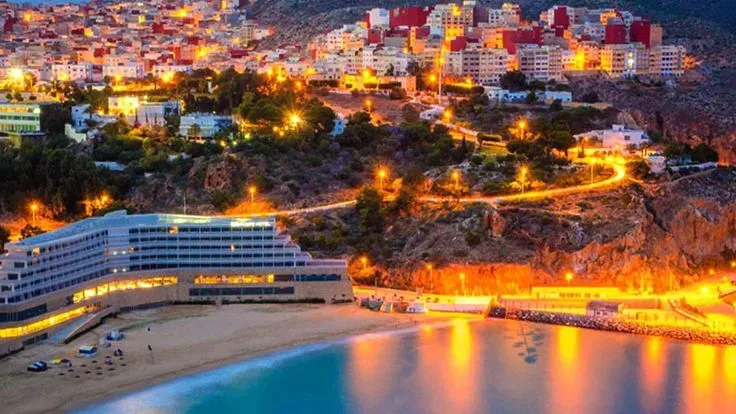
Al Hociema City is one of Morocco's most captivating coastal destinations, offering a perfect combination of breathtaking Mediterranean beaches, dramatic mountain landscapes, rich cultural heritage, and authentic local experiences. While famous cities like Marrakech, Casablanca, and Fes often dominate travel itineraries, this beautiful northern gem remains one of Morocco's best-kept secrets. Visitors who venture here are rewarded with crystal-clear waters, peaceful beaches, delicious seafood, welcoming locals, and stunning natural scenery unlike anywhere else in the country.
Whether you're searching for a relaxing beach holiday, an outdoor adventure, or a cultural journey through the heart of the Rif Mountains, Al Hociema offers something for every traveler. This comprehensive guide explores the city's fascinating history, top attractions, best travel tips, ideal visiting seasons, and everything you need to know before planning your unforgettable trip.
The History of Al Hociema City
The history of Al Hoceima stretches back centuries, although the modern city is relatively young compared to Morocco's ancient imperial cities.
The region has long been inhabited by the Amazigh (Berber) people, particularly the Rif tribes, who have preserved their language, customs, and traditions for generations. The rugged Rif Mountains surrounding the city helped create a unique culture that remains distinct from many other regions of Morocco.
During the early twentieth century, the area gained international attention during the Rif War (1921–1926), when local resistance fighters led by Abd el-Krim challenged Spanish colonial rule. The conflict became one of the most significant anti-colonial struggles in North African history and played an important role in shaping the identity of the Rif region.
The modern city was established under Spanish administration and was originally called Villa Sanjurjo. Following Morocco's independence in 1956, the city was renamed Al Hoceima and gradually developed into an important administrative, commercial, and tourism center.
Throughout the decades, Al Hoceima has experienced continuous growth while maintaining its authentic coastal charm. Despite several earthquakes in its history, including the major earthquake of 2004, the city rebuilt itself with improved infrastructure and renewed determination. Today, it stands as a symbol of resilience, cultural pride, and natural beauty.
Planning to discover the beauty of Al Hociema and beyond? Explore our carefully designed Morocco Excursions for unforgettable day trips and authentic experiences across the country's most remarkable destinations.
Location
Al Hoceima is situated on Morocco's northern Mediterranean coast in the Rif Mountains.
Its strategic location provides spectacular views where green mountain landscapes meet the sparkling blue Mediterranean Sea.
Distance from major cities:
-
Tangier: approximately 340 km
-
Fes: approximately 320 km
-
Nador: approximately 150 km
-
Casablanca: approximately 560 km
-
Rabat: approximately 500 km
The city is served by Cherif Al Idrissi Airport, making it increasingly accessible for both domestic and international visitors. Modern highways also connect Al Hoceima with many of Morocco's major cities.
Why Al Hociema City Attracts Tourists from Around the World
Every year, thousands of visitors choose Al Hociema City because it offers a unique experience that differs from Morocco's more crowded tourist destinations.
Several factors contribute to its growing popularity.
Spectacular Mediterranean Beaches
Unlike the Atlantic coastline, Al Hoceima's beaches feature calm, turquoise waters that resemble famous Mediterranean destinations in southern Europe.
The white sandy beaches and hidden coves provide perfect conditions for swimming, snorkeling, paddleboarding, kayaking, and relaxing under the sun.
Unspoiled Natural Beauty
The surrounding Rif Mountains create dramatic scenery that is rarely found elsewhere in Morocco.
Travelers enjoy panoramic viewpoints, hiking trails, mountain villages, forests, and breathtaking coastal cliffs.
Nature lovers appreciate the peaceful atmosphere and relatively untouched landscapes.
Rich Amazigh Culture
The local Amazigh culture remains vibrant throughout the region.
Visitors can experience:
-
Traditional music
-
Handmade crafts
-
Authentic local cuisine
-
Friendly hospitality
-
Colorful weekly markets
This cultural authenticity provides a deeper understanding of Morocco beyond its famous imperial cities.
Incredible Seafood
Fresh seafood is one of the highlights of any visit.
Restaurants serve:
-
Grilled fish
-
Shrimp
-
Calamari
-
Mussels
-
Lobster
-
Octopus
-
Mediterranean sardines
Many restaurants receive their daily catch directly from the local fishing port.
Peaceful Atmosphere
Unlike some of Morocco's busiest tourist destinations, Al Hoceima offers a slower pace of life.
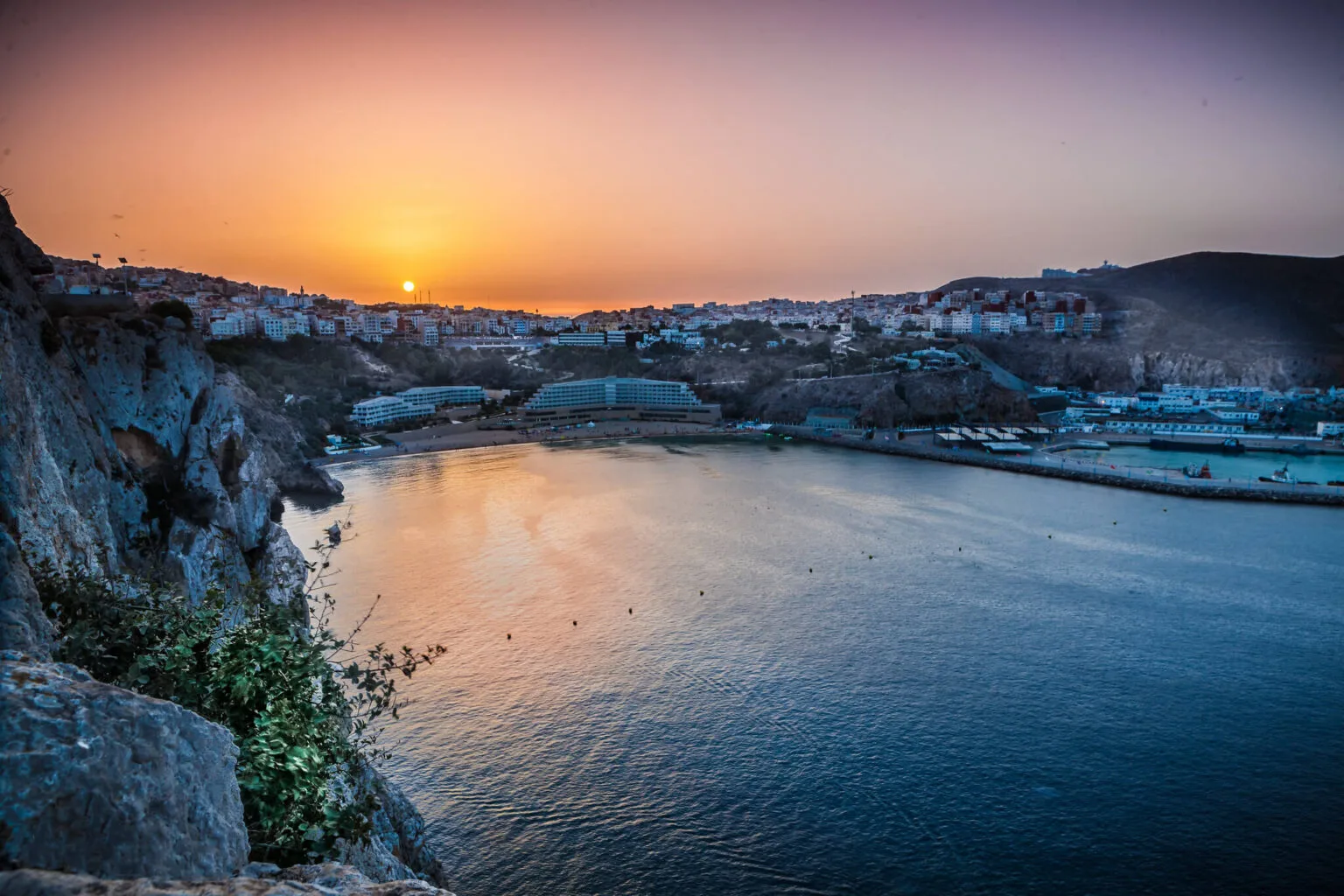
Visitors can enjoy quiet beaches, scenic walks, seaside cafés, and spectacular sunsets without overwhelming crowds.
Best Attractions
1. Quemado Beach
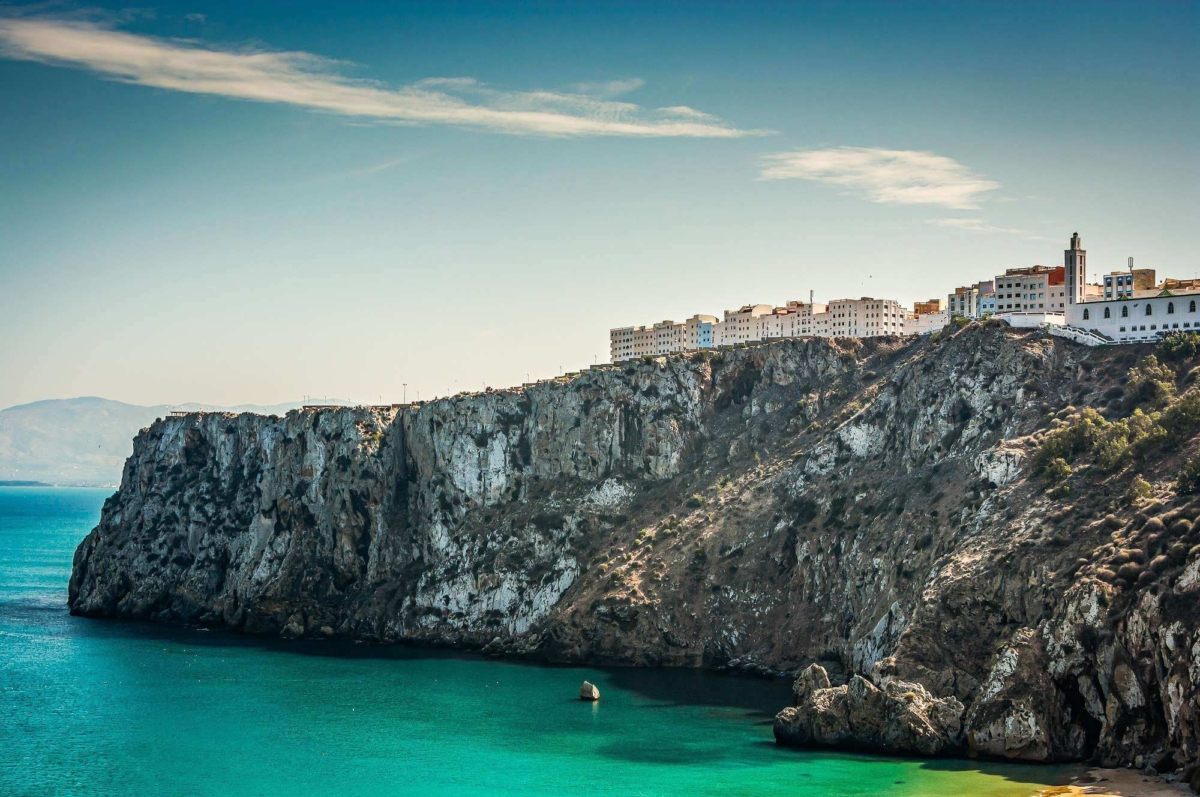
Quemado Beach is the city's most famous beach.
Surrounded by dramatic cliffs and modern hotels, it offers crystal-clear water and excellent swimming conditions.
Visitors can rent umbrellas, enjoy water sports, or simply relax while admiring the Mediterranean views.
2. Al Hoceima National Park
One of Morocco's most beautiful protected areas, the national park combines marine ecosystems, forests, mountains, and coastal landscapes.
Wildlife enthusiasts may encounter:
-
Dolphins
-
Rare birds
-
Wild goats
-
Marine life
Hiking trails reveal breathtaking viewpoints overlooking the Mediterranean Sea.
3. Cala Iris
Located west of the city, Cala Iris is a picturesque coastal village known for its peaceful beaches and stunning scenery.
It is perfect for travelers seeking tranquility away from busy tourist areas.
4. Sfiha Beach
Sfiha Beach stretches along a beautiful coastline with soft golden sand and calm water.
Families particularly enjoy its shallow waters and spacious shoreline.
5. Torres de Alcalá
These historic Spanish-era ruins provide insight into the region's colonial history.
The surrounding landscape also offers fantastic photography opportunities.
6. Mohammed VI Square
This lively square serves as one of the city's social centers.
Visitors enjoy cafés, fountains, evening walks, and local events throughout the year.
7. Local Fishing Port
Watching fishermen return with the day's catch provides an authentic glimpse into local life.
Nearby seafood restaurants serve freshly prepared dishes using fish caught only hours earlier.
8. Souks and Traditional Markets
Local markets allow visitors to purchase:
-
Handmade rugs
-
Traditional clothing
-
Pottery
-
Spices
-
Olive oil
-
Local honey
-
Amazigh jewelry
Shopping here supports local artisans while offering memorable souvenirs.
Things to Do
Visitors can enjoy numerous activities throughout the region.
Popular experiences include:
-
Swimming
-
Snorkeling
-
Boat excursions
-
Scuba diving
-
Hiking
-
Mountain photography
-
Beach picnics
-
Sunset watching
-
Seafood tasting
-
Exploring traditional villages
-
Visiting local cafés
-
Cultural sightseeing
Adventure seekers will especially enjoy exploring hidden beaches accessible only by boat or hiking trails.
Best Time to Visit
The ideal time depends on your travel preferences.
Spring (March–May)
Advantages:
-
Pleasant temperatures
-
Blooming landscapes
-
Fewer crowds
-
Excellent hiking conditions
Average temperature:
18–25°C
Summer (June–August)
Perfect for:
-
Beach vacations
-
Swimming
-
Water sports
-
Festivals
Average temperature:
26–32°C
This is the busiest tourist season.
Autumn (September–November)
Many experienced travelers consider autumn the best season.
Benefits include:
-
Warm sea
-
Comfortable weather
-
Less crowded beaches
-
Better hotel availability
Winter (December–February)
Winter remains relatively mild compared to much of Europe.
Ideal for:
-
Sightseeing
-
Photography
-
Cultural exploration
Beach activities become less common during this season.
Recommended Duration
The ideal stay depends on your interests.
| 2 Days | Main beaches, city center, seafood restaurants |
| 3 Days | Add National Park and local markets |
| 4–5 Days | Beaches, hiking, villages, boat trips |
| One Week | Complete exploration of the surrounding Rif region |
Most travelers find that four or five days provide the perfect balance between relaxation and exploration.
What to Wear
Packing the right clothing improves comfort throughout your trip.
| Spring | Light jacket, comfortable clothes, walking shoes |
| Summer | T-shirts, shorts, swimsuit, sunglasses, sandals |
| Autumn | Light sweaters, jeans, comfortable shoes |
| Winter | Jacket, long sleeves, waterproof shoes |
When visiting villages or religious sites, modest clothing is appreciated out of respect for local customs.
What to Bring
Essential travel items include:
-
Passport
-
Travel insurance
-
Sunscreen
-
Sunglasses
-
Hat
-
Camera
-
Power bank
-
Comfortable walking shoes
-
Swimwear
-
Beach towel
-
Reusable water bottle
-
Personal medication
-
Cash for local markets
A small backpack is also useful for day trips.
Suggested 5-Day Travel Schedule
Day 1
-
Arrive in Al Hoceima
-
Walk along the waterfront
-
Visit Mohammed VI Square
-
Enjoy fresh seafood dinner
Day 2
-
Relax at Quemado Beach
-
Swimming
-
Snorkeling
-
Sunset photography
Day 3
-
Explore Al Hoceima National Park
-
Hiking
-
Wildlife watching
-
Scenic viewpoints
Day 4
-
Visit Cala Iris
-
Explore nearby villages
-
Shop at traditional markets
Day 5
-
Boat excursion
-
Last-minute shopping
-
Beach relaxation
-
Departure
Common Mistakes and How to Avoid Them
| Visiting only for one day | Stay at least 3–5 days to fully appreciate the region. |
| Ignoring the mountain areas | Explore the Rif Mountains as well as the beaches. |
| Forgetting sunscreen | The Mediterranean sun can be intense even in spring. |
| Carrying only credit cards | Bring cash for small shops and markets. |
| Underestimating walking distances | Wear comfortable shoes. |
| Booking late during summer | Reserve accommodation well in advance. |
| Not learning basic French or Arabic greetings | Simple greetings are appreciated by locals. |
Local Food You Should Try
No visit would be complete without tasting regional specialties.
Recommended dishes include:
-
Grilled sardines
-
Seafood tagine
-
Couscous
-
Harira soup
-
Fresh calamari
-
Moroccan mint tea
-
Local olives
-
Honey pastries
Many restaurants along the coast prepare seafood using traditional family recipes passed down through generations.
Travel Tips
To enjoy a smooth trip:
-
Book accommodation early during summer.
-
Carry some cash for smaller businesses.
-
Respect local traditions and customs.
-
Stay hydrated during warm weather.
-
Wear comfortable footwear for hiking.
-
Arrive early at popular beaches during peak season.
-
Try local restaurants instead of international chains.
-
Learn a few basic Arabic or Amazigh greetings.
These simple tips will enhance your travel experience considerably.
FAQ
Is Al Hoceima safe for tourists?
Yes. Al Hoceima is generally considered a safe destination for visitors. As with any trip, take normal precautions, keep an eye on your belongings, and follow local advice.
How do I get to Al Hoceima?
You can arrive by plane through Cherif Al Idrissi Airport, by bus from major Moroccan cities, or by car using the country's modern highway network.
Is English widely spoken?
French and Arabic are more commonly spoken, while Amazigh is widely used by local communities. English is becoming more common in hotels and tourist-oriented businesses, but learning a few basic local phrases can be helpful.
Can I swim in the Mediterranean Sea?
Yes. The beaches around Al Hoceima are famous for their clean, calm waters and excellent swimming conditions, especially from late spring through early autumn.
Is Al Hoceima suitable for families?
Absolutely. The city offers family-friendly beaches, parks, scenic viewpoints, boat trips, and a relaxed atmosphere suitable for travelers of all ages.
What currency is used?
The official currency is the Moroccan Dirham (MAD).
Do I need a car?
A car is not essential for exploring the city itself, but renting one is recommended if you plan to visit remote beaches, mountain villages, and surrounding attractions at your own pace.
Conclusion
Al Hociema City is far more than just another beach destination—it is a place where spectacular Mediterranean scenery, Amazigh heritage, fascinating history, delicious seafood, and genuine hospitality come together to create an unforgettable travel experience. From relaxing on pristine beaches and hiking through the Rif Mountains to exploring traditional markets and learning about the region's remarkable past, every day offers something new to discover. Whether you stay for a weekend or an entire week, this hidden Moroccan treasure promises memories that will last a lifetime. As more travelers seek authentic and less crowded destinations, Al Hociema City continues to stand out as one of Morocco's most rewarding places to visit, offering beauty, culture, and adventure in equal measure.
Turn your dream Moroccan getaway into reality with our Morocco Holiday Packages, offering expertly crafted itineraries that combine Al Hociema with Morocco's iconic cities, breathtaking landscapes, and rich cultural treasures.