
Carpet Village in Ephesus: Discover the Art of Turkish Carpet Weaving
"I thought my visit to Ephesus would be all about ancient ruins and Roman history. After exploring the magnificent Library of Celsus and walking through the marble streets, our guide suggested a stop at a traditional Carpet Village near Ephesus. At first, I expected a simple shopping experience, but what I found was much more fascinating. Watching skilled artisans weave intricate patterns by hand, learning about centuries-old techniques, and seeing silk carpets shimmer in the sunlight gave me a completely different perspective on Turkish culture. It became one of the most memorable parts of my journey."
What Is the Carpet Village in Ephesus?
The Carpet Village in Ephesus refers to the traditional carpet weaving centers located around Selçuk and the Ephesus region, where visitors can discover one of Turkey's oldest and most respected artistic traditions.
More than just a place to buy souvenirs, these workshops and weaving centers offer an authentic cultural experience. Visitors can observe master weavers creating handmade carpets using techniques passed down through generations.
Turkish carpets are internationally recognized for their quality, craftsmanship, and symbolic designs. Visiting a Carpet Village allows travelers to learn how these masterpieces are made while gaining insight into Turkish heritage and daily life.
Quick Facts About Carpet Village in Ephesus
| Information | Details |
|---|---|
| Location | Near Selçuk and Ephesus, Turkey |
| Type | Traditional Carpet Weaving Center |
| Main Attraction | Handmade Turkish Carpets |
| Opening Hours | Generally 09:00 – 17:00 |
| Entrance Fee | Usually Free |
| Recommended Visit Duration | 1–2 Hours |
| Best Time to Visit | Year-round |
| Distance from Ephesus | Approximately 5–10 km |
| Suitable For | Families, Cultural Travelers, Shoppers |
History and Background
Carpet weaving has been an important part of Anatolian culture for thousands of years.
The tradition dates back to ancient civilizations that inhabited modern-day Turkey. Throughout history, carpets served practical, decorative, and symbolic purposes. They were used in homes, palaces, mosques, and even traded along major commercial routes.
During the Seljuk and Ottoman periods, Turkish carpet weaving reached extraordinary levels of artistic excellence. Distinct regional styles developed, each featuring unique colors, motifs, and weaving techniques.
The villages surrounding Ephesus became known for producing high-quality carpets using natural dyes and traditional methods. Today, many workshops continue to preserve these techniques, ensuring that this cultural heritage remains alive for future generations.
What to Expect During Your Visit
Visiting a Carpet Village is an educational and interactive experience.
Carpet Weaving Demonstrations
One of the highlights is watching local artisans create carpets by hand.
Visitors can observe:
- Knotting techniques
- Pattern creation
- Loom operation
- Finishing processes
The speed and precision of experienced weavers often amaze first-time visitors.
Learning About Natural Dyes
Traditional Turkish carpets are famous for their rich colors.
Guides often explain how natural dyes are created from:
- Plants
- Roots
- Flowers
- Minerals
- Fruits
These natural materials produce vibrant colors that can last for generations.
Silk Production Demonstrations
Many Carpet Villages also showcase silk production.
Visitors can learn how silk threads are obtained and transformed into luxurious handmade carpets.
The process provides fascinating insight into the craftsmanship behind some of Turkey's most valuable rugs.
Carpet Showrooms
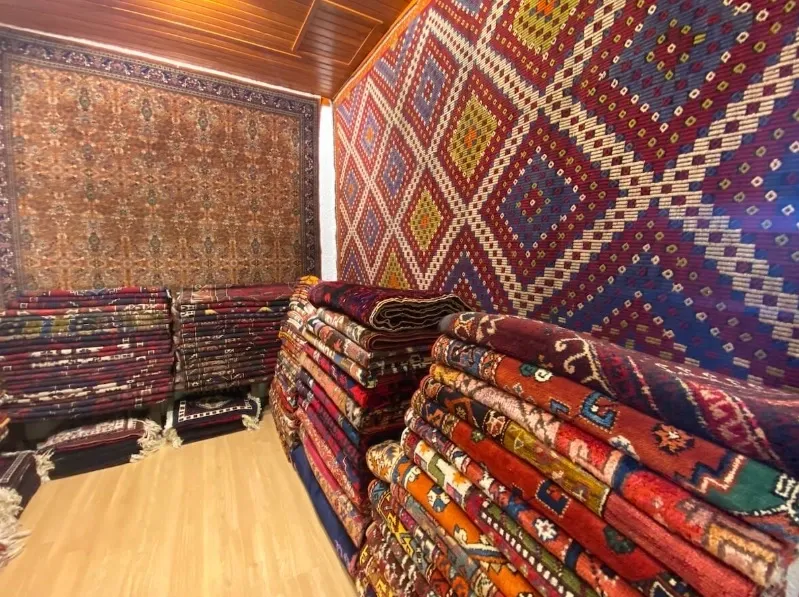
Most visits conclude in elegant showrooms displaying carpets of various sizes and styles.
Visitors can admire:
- Silk carpets
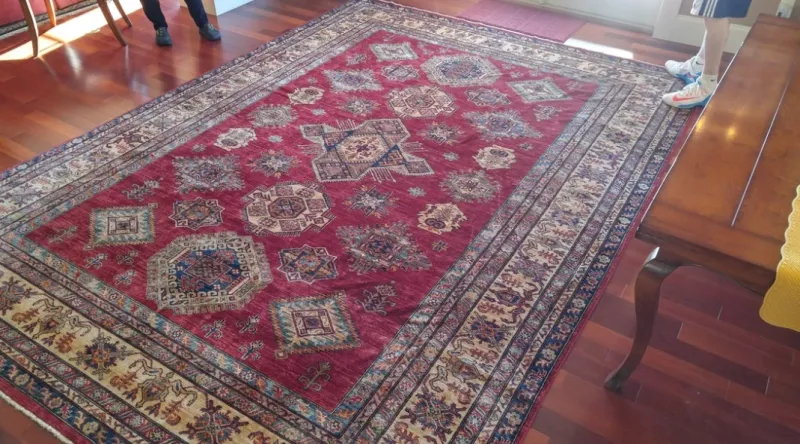
- Wool carpets
- Tribal rugs
- Decorative pieces
- Antique designs
Even travelers who are not interested in shopping often enjoy seeing the artistic diversity on display.
Why Carpet Weaving Is Important in Turkish Culture
A Symbol of Heritage
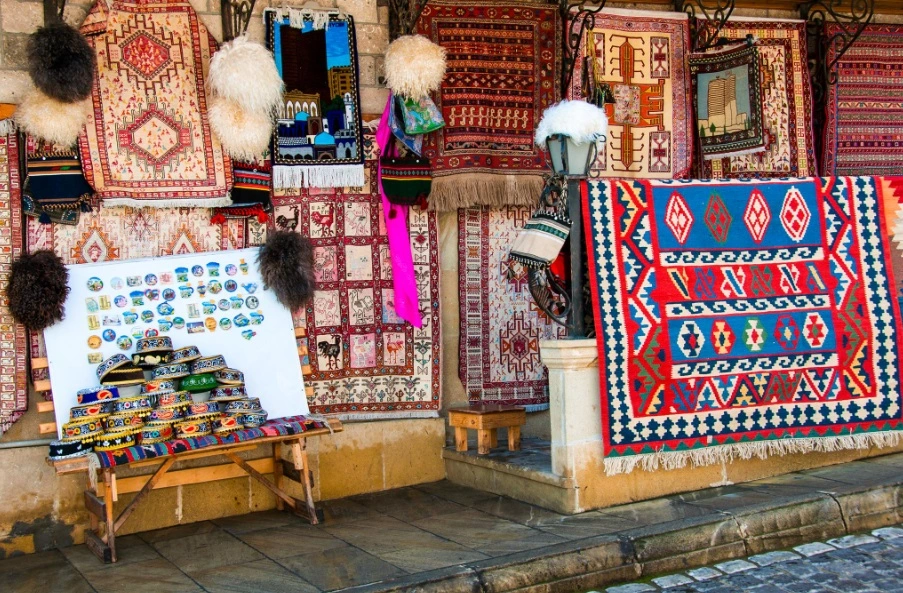
Every carpet tells a story.
Patterns often represent:
- Family traditions
- Fertility
- Protection
- Nature
- Local identity
Many designs have been preserved for centuries.
Economic Importance
Carpet production continues to support local communities and artisans.
The industry contributes significantly to cultural tourism throughout Turkey.
Artistic Achievement
Turkish carpets are considered among the finest textile arts in the world.
Collectors and museums globally recognize their cultural and artistic value.
Types of Carpets You May Encounter
Silk Carpets
Known for their softness, detail, and luxurious appearance.
Wool Carpets
Durable and practical, often featuring traditional tribal designs.
Cotton-Based Carpets
Lightweight and commonly used for decorative purposes.
Tribal Rugs
Handmade pieces featuring regional motifs and patterns.
Interesting Facts About Carpet Village in Ephesus
Every Carpet Is Unique
No two handmade carpets are exactly the same.
Each reflects the skill and creativity of the weaver.
Thousands of Knots
A single high-quality carpet may contain millions of individual knots.
Time Required
Some carpets require several months or even years to complete.
Family Traditions
Many artisans learn weaving skills from parents and grandparents.
Crowds and Visitor Experience
Compared with major attractions like Ephesus Ancient City, Carpet Villages are generally less crowded.
Visitors often appreciate:
- Relaxed atmosphere
- Personalized demonstrations
- Opportunities to ask questions
- Cultural interaction
Many tours include a Carpet Village visit as part of a broader Ephesus excursion.
Distances From Nearby Attractions
- Ephesus Ancient City: 5–10 km
- Selçuk Town Center: 5 km
- House of Virgin Mary: 12 km
- Temple of Artemis: 5 km
- Kuşadası: 20 km
These short distances make it easy to combine multiple attractions in a single day.
Weather and Best Time to Visit
Spring
Pleasant temperatures and beautiful scenery.
Summer
Warm weather and peak tourist season.
Autumn
Comfortable conditions and fewer visitors.
Winter
Quiet atmosphere and excellent opportunities for cultural experiences.
Because most demonstrations take place indoors, Carpet Villages can be visited comfortably throughout the year.
Practical Travel Tips
Take Your Time
Do not rush through the demonstrations.
The educational aspect is often the most rewarding part of the visit.
Ask Questions
Artisans and guides are usually happy to explain techniques and traditions.
Learn Before You Buy
If considering a purchase, take time to understand materials and craftsmanship.
Bring a Camera
Photography opportunities are excellent.
Combine With Ephesus
Most visitors include the Carpet Village during a full-day Ephesus excursion.
Real Traveler Insights
One of our travelers mentioned:
"Watching a carpet being woven knot by knot gave me a new appreciation for the skill involved. It was much more interesting than I expected."
Visitors often say:
"The demonstrations helped us understand why handmade Turkish carpets are so highly valued around the world."
Another traveler shared:
"Even though I wasn't planning to buy anything, learning about the weaving process became one of my favorite experiences in Turkey."
Family-Friendly Experience
Carpet Villages are suitable for:
- Families
- Cultural travelers
- Students
- History enthusiasts
- Photography lovers
Children often enjoy watching the weaving process and seeing colorful carpet displays.
Frequently Asked Questions
What is a Carpet Village in Ephesus?
It is a traditional weaving center where visitors can learn about Turkish carpet-making techniques and culture.
Is there an entrance fee?
Most Carpet Village visits are free.
How long does a visit take?
Typically between one and two hours.
Can I watch carpets being made?
Yes, weaving demonstrations are usually part of the experience.
Do I need to buy a carpet?
No. Visitors are welcome to learn and explore without making a purchase.
Are handmade carpets expensive?
Prices vary depending on size, materials, and craftsmanship.
Is the experience suitable for families?
Yes, visitors of all ages can enjoy the demonstrations and cultural insights.
Final Thoughts
The Carpet Village in Ephesus offers far more than shopping. It provides a fascinating window into one of Turkey's most treasured artistic traditions. From watching skilled artisans weave intricate patterns to learning about natural dyes and silk production, visitors gain a deeper appreciation for the craftsmanship behind handmade Turkish carpets.
Whether you are exploring Ephesus, visiting Selçuk, or discovering the cultural heritage of western Turkey, a stop at a Carpet Village adds a unique and memorable dimension to your journey.
Ready to experience the traditions, artistry, and culture of Turkey? Visit our Turkey Tour Packages today and let us help you plan an unforgettable journey that combines the wonders of Ephesus with authentic local experiences like the Carpet Village.