
Ephesus Archaeological Museum: Discover the Hidden Treasures of Ancient Ephesus
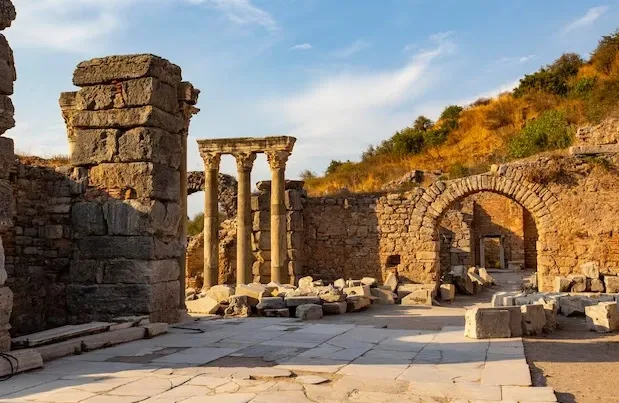
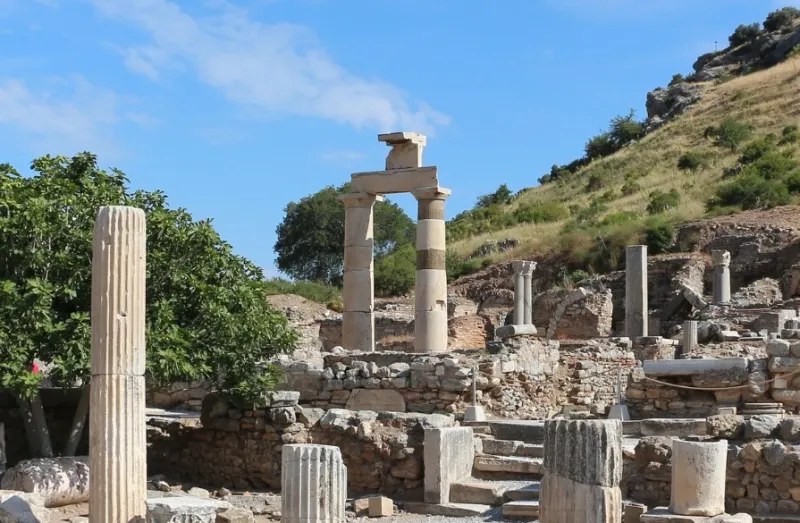
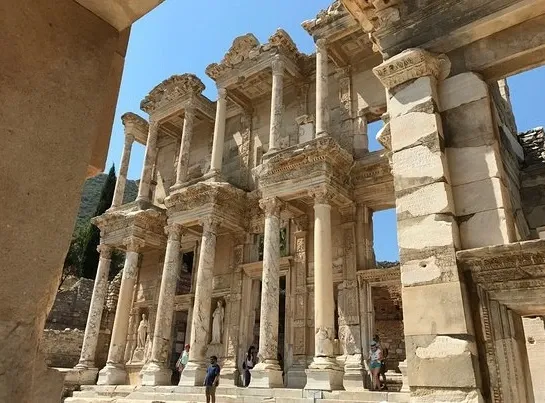
"I had just finished exploring the magnificent ruins of Ephesus when a local guide suggested one more stop before ending the day. He pointed toward the Ephesus Archaeological Museum in Selçuk and said, 'If you want to truly understand Ephesus, don't miss this museum.' Curious, I decided to visit. What I found inside completely transformed my understanding of the ancient city. Beautiful statues, intricate artifacts, and treasures recovered from centuries of excavation brought the stories of Ephesus to life. By the time I left, I realized that the museum was not simply an addition to the archaeological site—it was an essential part of the experience."
What Is the Ephesus Archaeological Museum?
The Ephesus Archaeological Museum is one of Turkey's most important archaeological museums, housing thousands of artifacts discovered during excavations at the nearby ancient city of Ephesus.
Located in the charming town of Selcuk, the museum preserves and displays many of the most valuable treasures uncovered from Ephesus and surrounding historical sites. Rather than seeing objects removed from their original context, visitors can connect directly with the history of one of the greatest cities of the ancient Mediterranean world.
For travelers interested in history, archaeology, religion, architecture, and culture, the Ephesus Archaeological Museum provides an unforgettable journey through thousands of years of civilization.
Quick Facts About Ephesus Archaeological Museum
| Information | Details |
|---|---|
| Location | Selçuk, İzmir Province, Turkey |
| Type | Archaeological Museum |
| Main Collection | Artifacts from Ephesus and nearby sites |
| Opening Hours | Usually open daily (hours may vary seasonally) |
| Entrance Fee | Separate museum ticket required |
| Recommended Visit Duration | 1–2 hours |
| Best Time to Visit | Spring and Autumn |
| Distance from Ephesus | Approximately 3 km |
| Suitable For | Families, history lovers, students, cultural travelers |
History and Background
The story of the Ephesus Archaeological Museum is closely connected to the history of Ephesus itself.
For centuries, the ancient city remained buried beneath layers of earth and vegetation. Beginning in the nineteenth century, archaeologists launched extensive excavations that uncovered temples, theaters, homes, streets, statues, inscriptions, and countless artifacts.
As discoveries increased, it became necessary to create a dedicated institution where these treasures could be preserved and displayed.
The museum was established in Selçuk to showcase the most significant finds from Ephesus and neighboring archaeological sites. Over time, its collections expanded dramatically, making it one of Turkey's most respected museums.
Today, the museum serves both as a research center and a cultural attraction, helping visitors understand the daily life, religious practices, commerce, and artistic achievements of ancient civilizations that flourished in western Anatolia.
Why the Museum Is Important
Many visitors assume that exploring Ephesus alone provides a complete picture of the ancient city.
In reality, some of the most valuable discoveries were removed from the site to protect them from weather, theft, and deterioration.
The museum contains original sculptures, statues, decorative elements, jewelry, coins, religious artifacts, and household items that cannot be seen among the ruins.
Together, the archaeological site and museum create a complete historical experience.
What to Expect During Your Visit
The museum is organized into several exhibition halls and galleries, each focusing on different aspects of life in ancient Ephesus.
Visitors move through carefully curated displays that reveal the evolution of the city across multiple civilizations.
Unlike some massive museums that can feel overwhelming, the Ephesus Archaeological Museum offers a comfortable and accessible experience.
The layout allows visitors to explore at a relaxed pace while learning about the significance of each artifact.
The Museum's Most Famous Exhibits
Statue of Artemis of Ephesus
One of the museum's most celebrated treasures is the remarkable statue of Artemis.
The goddess Artemis served as the patron deity of Ephesus and was worshipped throughout the ancient world.
The statue displayed in the museum represents one of the finest surviving examples connected to her cult.
Visitors are often amazed by the intricate details and symbolic decorations covering the sculpture.
The figure reflects the unique Ephesian interpretation of Artemis, which differs significantly from depictions found elsewhere in Greece.
Beautiful Roman Sculptures
The museum contains an extraordinary collection of Roman statues.
These sculptures once decorated public squares, temples, bathhouses, and wealthy residences throughout Ephesus.
Many pieces remain remarkably preserved despite being centuries old.
The craftsmanship demonstrates the artistic excellence achieved during the Roman Empire.
Portrait Gallery
A dedicated section displays portraits of emperors, politicians, and important citizens.
These sculptures provide fascinating insight into Roman society and the people who shaped the history of Ephesus.
Visitors often find themselves studying facial expressions and artistic details that have survived for nearly two thousand years.
Coins and Currency Collection
Ancient coins tell stories of trade, politics, and economic development.
The museum's collection includes examples from multiple civilizations that controlled Ephesus over the centuries.
These small objects reveal the city's importance as a major commercial center connecting Europe, Asia, and the Mediterranean world.
Household Artifacts
Some of the most relatable exhibits are everyday objects used by ordinary residents.
Items include:
- Cooking tools
- Jewelry
- Glassware
- Ceramics
- Personal accessories
- Religious objects
These artifacts help visitors imagine daily life in ancient Ephesus.
Understanding Ancient Ephesus Through the Museum
Life in a Major Roman City
At its peak, Ephesus was one of the largest cities in the Roman Empire.
Its population may have exceeded 200,000 inhabitants.
The museum demonstrates how sophisticated urban life became during this period.
Visitors learn about:
- Public baths
- Markets
- Religious ceremonies
- Education
- Entertainment
- Trade networks
Religious Diversity
The museum highlights the remarkable religious diversity of Ephesus.
Throughout its history, the city was influenced by:
- Anatolian traditions
- Greek religion
- Roman beliefs
- Early Christianity
This mixture of cultures helped shape Ephesus into one of the most important spiritual centers of the ancient world.
The Legacy of Artemis
No discussion of Ephesus would be complete without Artemis.
The museum's displays help explain why her cult became famous across the Mediterranean.
Her temple, known as the Temple of Artemis, was once considered one of the Seven Wonders of the Ancient World.
Although little remains of the original structure today, the museum preserves many artifacts connected to its history
Facts About the Ephesus Archaeological Museum
Crowd Levels
Compared to Ephesus itself, the museum is generally much quieter.
Visitors often enjoy a more relaxed experience without large crowds.
Early mornings and late afternoons are usually the most peaceful times to visit.
Distance From Major Attractions
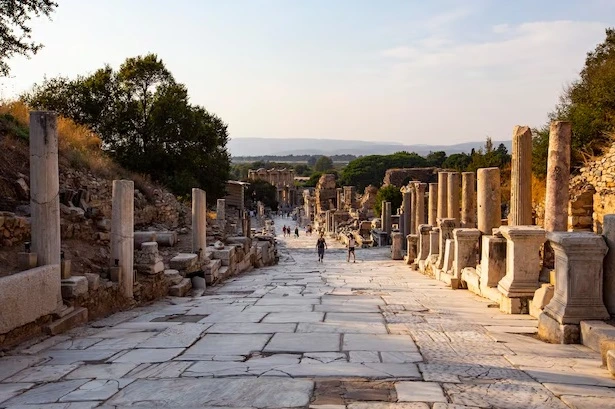
- Ephesus Ancient City: 3 km
- Temple of Artemis: 1 km
- House of Virgin Mary: 9 km
- Isabey Mosque: Walking distance
- St. John Basilica: Walking distance
These short distances make it easy to combine several attractions into one day.
Weather Considerations
Spring
Ideal temperatures and blooming landscapes make spring one of the best seasons to visit.
Summer
Temperatures can become quite hot, making the museum an excellent indoor stop during midday.
Autumn
Pleasant weather and fewer tourists create excellent sightseeing conditions.
Winter
Cool temperatures and lower visitor numbers provide a peaceful experience.
Practical Travel Tips
Visit After Ephesus
Many travelers find that visiting the archaeological site first makes the museum experience more meaningful.
You will recognize artifacts and architectural elements from locations explored earlier in the day.
Allow Enough Time
Although compact, the museum contains a wealth of information.
Plan at least one hour for a comfortable visit.
Read the Information Panels
The exhibits become far more interesting when viewed within their historical context.
Bring a Camera
Photography opportunities are excellent throughout the museum.
Always check current photography regulations before taking pictures.
Combine Nearby Attractions
Many visitors include:
- Ephesus Ancient City
- House of Virgin Mary
- Temple of Artemis
- Isabey Mosque
- St. John Basilica
within the same itinerary.
Real Traveler Insights
One of our travelers mentioned:
"The museum helped me understand Ephesus far better than the ruins alone. Seeing the original statues and artifacts made the history feel real."
Visitors often say:
"The Artemis statues alone are worth the visit."
Another traveler shared:
"I expected a small local museum, but I was surprised by the quality of the exhibits and how well everything was presented."
Why Families Enjoy the Museum
The museum offers an educational experience suitable for all ages.
Children often enjoy:
- Ancient statues
- Interactive learning opportunities
- Roman artifacts
- Stories about gods and emperors
Parents appreciate the manageable size and informative displays.
Frequently Asked Questions
Where is the Ephesus Archaeological Museum located?
The museum is located in Selçuk, Turkey, just a few kilometers from Ephesus Ancient City.
How long should I spend there?
Most visitors spend between one and two hours exploring the exhibits.
Is it worth visiting after Ephesus?
Absolutely. The museum contains many important artifacts removed from the archaeological site.
What is the most famous exhibit?
The statues of Artemis are considered the museum's most famous treasures.
Is the museum family-friendly?
Yes, it is suitable for visitors of all ages.
Can I visit year-round?
Yes, the museum is generally open throughout the year.
What is the best season to visit?
Spring and autumn provide the most comfortable weather conditions.
Final Thoughts
The Ephesus Archaeological Museum is much more than a collection of ancient artifacts. It serves as a bridge between the ruins of Ephesus and the people who once lived, worshipped, traded, and thrived there. Through its exceptional exhibits, visitors gain a deeper understanding of one of the greatest cities of the ancient world.
Whether you are passionate about archaeology, fascinated by Roman history, or simply looking to enrich your visit to Ephesus, the museum offers an experience that should not be missed.
Ready to explore the treasures of Ephesus and uncover the stories behind one of history's most remarkable cities? Visit our Turkey Tour Packages today and let us help you plan an unforgettable journey through Turkey's most iconic historical destinations.