
Traveling to Turkey is an exciting experience filled with colorful bazaars, stunning mosques, delicious food, and breathtaking landscapes. But before enjoying the streets of Istanbul or the beaches of Antalya, one important thing every traveler should understand is currency exchange in Turkey.
Turkey uses the Turkish Lira (TRY), and understanding how money works in the country can save you time, stress, and unnecessary fees. From airport exchange offices to local ATMs and credit card payments, knowing the best ways to handle your money can make your trip smoother and more enjoyable.
Many visitors arrive in Turkey unsure whether they should carry cash, exchange dollars or euros, or rely on cards. The good news is that Turkey is very tourist-friendly, and currency exchange services are widely available across the country. However, rates, fees, and convenience can vary depending on where and how you exchange your money.
This guide covers everything travelers need to know about currency exchange in Turkey in 2026, including practical tips, common mistakes, the best places to exchange money, and real insights from visitors who recently traveled there.c
Quick Facts About Currency Exchange in Turkey
Official Currency
- Turkish Lira (TRY)
Currency Symbol
- ₺
Commonly Accepted Foreign Currencies
- US Dollar (USD)
- Euro (EUR)
- British Pound (GBP)
Best Places to Exchange Money
- Local exchange offices (Döviz)
- Banks
- ATMs
- Tourist areas in major cities
Widely Accepted Payment Methods
- Cash
- Credit cards
- Debit cards
- Contactless payments
Best Time to Exchange Currency
- During weekday business hours for better bank rates
ATM Availability
- Excellent in cities and tourist destinations
Recommended Cash Amount
- Small cash for taxis, local markets, and street food
Average Tourist Spending
- Depends on travel style, but Turkey remains affordable compared to many European destinations
Understanding the Turkish Lira
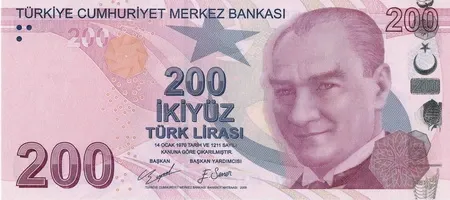
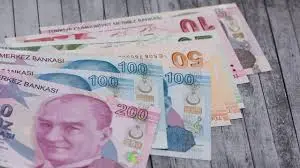
The Turkish Lira is the official currency used throughout Turkey. Banknotes come in several values, including 20, 50, 100, and 200 lira notes. Coins are also commonly used for transportation, snacks, and smaller purchases.
Although many tourist shops may display prices in euros or dollars, most daily transactions inside Turkey are completed in Turkish Lira. Restaurants, taxis, local cafés, and public transportation usually prefer local currency.
Visitors often notice that exchange rates in Turkey fluctuate frequently. This is normal, and rates may slightly differ between banks, exchange offices, and airports.
A Brief Background on Currency Exchange in Turkey
Turkey has long been one of the world’s most visited destinations, connecting Europe and Asia through trade and tourism. Because millions of travelers visit every year, the country developed a large and competitive currency exchange system.
In cities like Istanbul, exchange offices are everywhere, especially around tourist attractions, shopping streets, and airports. Over time, digital banking and international cards also became more common, making it easier for tourists to access money safely.
Today, travelers can exchange currency quickly in most parts of Turkey, though understanding the difference between good and bad exchange rates is still important.
What to Expect When Exchanging Currency in Turkey
The Place
Currency exchange offices in Turkey are usually called “Döviz.” You will find them in airports, shopping districts, tourist markets, and busy streets. Many have electronic boards outside displaying live exchange rates for dollars, euros, and other currencies.
Inside, the process is generally quick. You hand over your currency, receive Turkish Lira, and sometimes show your passport for larger transactions. Staff in tourist areas often speak basic English.
Banks also offer exchange services, but exchange offices are usually faster and more convenient for tourists.
Crowds
Exchange offices near famous tourist attractions can become crowded, especially during:
- Summer holidays
- Weekends
- Cruise ship arrival times
- Evening shopping hours
Airport exchange counters are often busy after international flight arrivals, and lines can be longer during peak tourism seasons.
If you want a smoother experience, morning hours are usually quieter.
Distances
In major Turkish cities, you are rarely far from an exchange office or ATM. In places like Istanbul, Antalya, Cappadocia, and Izmir, you may find several exchange shops within walking distance.
However, smaller villages and remote coastal areas may have fewer options. It’s smart to carry enough local cash before traveling to rural destinations.
One traveler mentioned that during a road trip through Cappadocia, finding an ATM late at night outside the tourist center became difficult, so keeping emergency cash helped avoid stress.
Weather
Weather itself does not directly affect currency exchange, but seasonal tourism does. During summer, tourist areas become busier, which can sometimes mean:
- Longer ATM lines
- Crowded exchange offices
- Slightly less favorable tourist-area rates
In winter, quieter cities may have limited exchange office operating hours.
Tips
- Compare exchange rates before changing large amounts
- Avoid exchanging all your money at the airport
- Use ATMs attached to banks for extra safety
- Keep small bills for taxis and local markets
- Inform your bank before traveling internationally
Best Places to Exchange Money in Turkey
Airport Exchange Offices
Airport exchange counters are convenient for immediate needs after arrival. However, rates are usually less favorable compared to city exchange offices.
It’s better to exchange only a small amount at the airport for:
- Transportation
- Snacks
- SIM cards
- Initial expenses
Then exchange larger amounts later in the city.
Local Exchange Offices (Döviz)
These are often the best option for travelers.
Advantages:
- Competitive rates
- Fast service
- Convenient locations
- Lower fees
Popular tourist districts usually have multiple exchange offices competing with each other, which can benefit travelers.
Always check:
- Commission fees
- Final amount received
- Updated rate boards
Banks
Banks are reliable and secure, though the process may take longer.
Advantages:
- Trusted institutions
- Secure transactions
- Fair official rates
Disadvantages:
- Limited operating hours
- Possible waiting lines
- More paperwork
Banks are useful for exchanging larger sums.
ATMs
ATMs are one of the easiest ways to get Turkish Lira.
Advantages:
- Available 24/7
- Convenient
- Good exchange rates from many international banks
Potential drawbacks:
- Foreign transaction fees
- ATM withdrawal limits
- Dynamic currency conversion traps
Always choose to be charged in Turkish Lira instead of your home currency when using ATMs or card machines.
Using Credit Cards in Turkey
Credit and debit cards are widely accepted in:
- Hotels
- Restaurants
- Shopping malls
- Cafés
- Tourist attractions
Visa and Mastercard are the most commonly accepted cards.
However, cash is still important for:
- Local markets
- Small shops
- Street vendors
- Public transport in some areas
- Taxis
Contactless payment systems are also very common in Turkey.
Should You Bring Cash or Cards?
The best approach is a combination of both.
Carry Some Cash For:
- Tips
- Local transportation
- Small purchases
- Traditional bazaars
- Emergency situations
Use Cards For:
- Hotels
- Larger restaurants
- Shopping centers
- Tour bookings
Many travelers find this balance both safe and practical.
Common Currency Exchange Mistakes in Turkey
Exchanging Everything at the Airport
Airport rates are often weaker. Exchange only what you need initially.
Ignoring Hidden Fees
Some exchange offices advertise attractive rates but charge commission fees afterward.
Always ask:
“Is there any commission?”
Carrying Too Much Cash
Turkey is generally safe for tourists, but carrying excessive cash is unnecessary and risky.
Use hotel safes when possible.
Accepting Dynamic Currency Conversion
When paying by card, machines may ask whether you want to pay:
- In your home currency
- Or Turkish Lira
Always choose Turkish Lira to avoid poor conversion rates.
Not Informing Your Bank
Some banks block international transactions if they appear suspicious.
Before traveling:
- Notify your bank
- Enable international usage
- Check foreign transaction fees
Is Turkey Expensive for Tourists in 2026?
Turkey remains one of the more affordable international destinations for many travelers, especially compared to Western Europe.
However, prices in tourist areas have increased in recent years, particularly in:
- Istanbul
- Bodrum
- Antalya
- Cappadocia
Still, travelers can find options for nearly every budget.
Budget Travelers
- Local food
- Public transport
- Affordable guesthouses
Mid-Range Travelers
- Comfortable hotels
- Domestic flights
- Guided tours
Luxury Travelers
- Bosphorus hotels
- Private tours
- Luxury resorts
The exchange rate often works in favor of foreign visitors, helping many tourists enjoy more value for their money.
How Much Cash Should You Carry Daily?
Most travelers find that carrying a moderate amount of Turkish Lira daily is enough.
You mainly need cash for:
- Taxis
- Souvenirs
- Small cafés
- Local snacks
- Public restrooms in some areas
Avoid carrying your entire travel budget at once.
A secure mix of:
- Bank cards
- Digital payments
- Moderate cash
is usually the safest approach.
Currency Exchange Safety Tips
Use Official Exchange Offices
Choose professional offices with visible rate boards.
Avoid unofficial street exchanges.
Count Your Money Carefully
Before leaving the counter:
- Verify the amount
- Check denominations
- Keep your receipt
Use Secure ATMs
Prefer ATMs:
- Inside banks
- Inside malls
- In busy areas
Avoid isolated machines late at night.
Watch for Tourist Scams
Some tourist-heavy areas may attempt:
- Incorrect change
- Confusing rates
- Fake “special offers”
Taking a moment to double-check helps avoid problems.
Real Insights From Travelers
Visitors often say that Turkey is surprisingly easy for handling money compared to other destinations.
One traveler mentioned that exchange offices in Istanbul’s tourist districts were extremely competitive, and simply walking a few streets away from major attractions resulted in noticeably better rates.
Another visitor shared that using a bank ATM instead of airport exchange counters saved a significant amount during a two-week trip.
Many travelers also appreciate how widely cards are accepted, especially in hotels and modern restaurants.
Best Time to Exchange Currency in Turkey
Weekdays vs Weekends
Exchange offices and banks may offer slightly better service and rates during weekdays.
Weekend tourist crowds can sometimes increase waiting times.
Morning vs Evening
Morning hours are usually:
- Less crowded
- More organized
- Better for comparing rates
Late-night exchange options may be limited outside major tourist districts.
Tips for Different Types of Travelers
Solo Travelers
- Keep backup cards
- Avoid carrying large cash amounts
- Use digital banking apps
Families
- Carry small bills for snacks and transportation
- Keep emergency cash separate
Luxury Travelers
Premium cards are widely accepted
- Many luxury hotels accept multiple currencies
Backpackers
- ATMs are often the easiest option
- Hostels usually prefer cash payments
Related Travel Experiences in Turkey
If you are planning your trip, you may also enjoy exploring:
- Istanbul shopping guides
- Grand Bazaar travel tips
- Cappadocia travel itineraries
- Antalya beach vacations
- Turkish street food experiences
- Bosphorus cruise tours
These travel experiences can help you better plan your daily budget and spending expectations.
FAQ About Currency Exchange in Turkey
What is the best currency to bring to Turkey?
US Dollars and Euros are usually the easiest currencies to exchange.
Can I use Euros in Turkey?
Some tourist shops accept euros, but Turkish Lira is preferred and usually gives better value.
Are ATMs easy to find in Turkey?
Yes, ATMs are widely available in cities, airports, malls, and tourist destinations.
Is it better to exchange money before arriving in Turkey?
Usually, exchange rates inside Turkey are more competitive than rates abroad.
Do Turkish exchange offices charge commission?
Some do and some don’t. Always ask before exchanging money.
Can I use credit cards everywhere?
Most hotels, restaurants, and shops accept cards, but smaller businesses may prefer cash.
Is Turkey cash-friendly?
Yes. Although cards are common, cash remains important for many everyday purchases.
How much money should I carry daily?
Only carry what you need for the day and keep the rest secure.
Is currency exchange in Turkey safe?
Yes, especially when using official exchange offices, banks, and secure ATMs.
Is Turkey worth visiting in 2026?
Absolutely. Turkey continues to offer a rich mix of history, culture, food, landscapes, and affordability for travelers.
Final Thoughts
Understanding currency exchange in Turkey can make your trip far easier and more comfortable. With exchange offices everywhere, modern banking systems, and widespread card acceptance, handling money in Turkey is generally simple for tourists.
The key is balancing convenience and smart spending:
- Exchange small amounts at airports
- Compare rates in the city
- Carry moderate cash
- Use secure ATMs
- Choose Turkish Lira during card payments
Turkey remains one of the most rewarding destinations for travelers looking for culture, beauty, and value. Whether you are exploring Istanbul’s historic streets, relaxing on the Mediterranean coast, or discovering Cappadocia’s magical landscapes, being prepared financially helps you focus on enjoying the experience itself.
Discover the Beauty of Istanbul, Cappadocia, Antalya, and More with Turkey Tour Packages by Flying Carpet Tours, and enjoy unforgettable experiences filled with history, culture, breathtaking landscapes, vibrant bazaars, luxury cruises, and magical moments across Turkey’s most stunning destinations.