
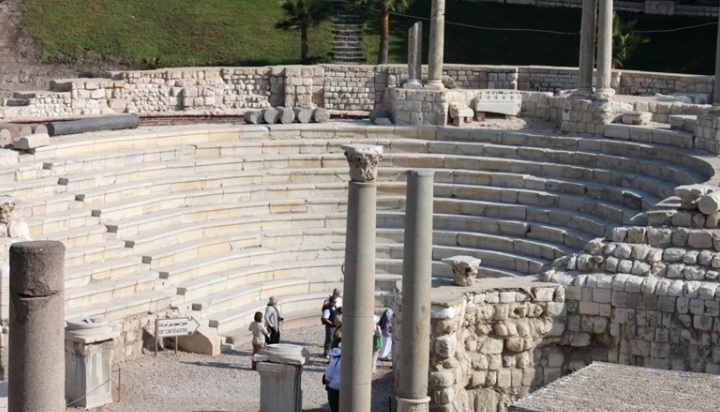
Roman Amphitheatres: Ancient Arenas of Power, Spectacle, and Culture
The Roman amphitheatre stands as one of the most remarkable architectural and cultural achievements of the ancient world. From the bustling streets of Rome to the far reaches of the Roman Empire, amphitheatres were more than just entertainment venues; they were symbols of power, social order, and engineering brilliance. These awe-inspiring structures, circular or elliptical in design, allowed thousands of spectators to witness gladiatorial combats, beast hunts, and grand public spectacles. Today, they serve as windows into the lives, values, and ambitions of ancient Roman civilization.
Origins of the Roman Amphitheatre
The concept of the amphitheatre emerged during the late Roman Republic. Early Romans organized temporary wooden stands in city forums for public events, but the idea of permanent stone amphitheatres took shape only later. The Amphitheatre of Pompeii, built around 70 BCE, is the earliest known stone amphitheatre and seated approximately 20,000 spectators. Its construction marked a significant milestone, influencing the design of later amphitheatres across the Empire.
During the Roman Empire, the construction of amphitheatres became widespread. Archaeologists have identified over 230 amphitheatres across former Roman territories, ranging from Western Europe to North Africa and the Near East. These arenas were more than entertainment spaces—they were tools of cultural integration, projecting Roman values and urban identity throughout the Empire.
Architecture and Design: Marvels of Roman Engineering
Roman amphitheatres were not merely arenas; they were engineering masterpieces. Their design reflected careful attention to crowd control, structural stability, and visibility.
Key Components
-
Arena: The central stage for combat, hunts, and public spectacles. Often covered with sand to absorb blood and provide traction for performers.
-
Cavea: The tiered seating that surrounded the arena, divided into three main sections:
-
Ima cavea: Closest to the arena, reserved for elites and magistrates.
-
Media cavea: Middle section for ordinary male citizens.
-
Summa cavea: Highest tier for women, children, and lower-status spectators.
-
-
Vomitoria: Passageways that allowed tens of thousands of spectators to enter and exit quickly and efficiently.
Some amphitheatres included underground structures, such as cages, tunnels, and elevators, to facilitate complex spectacles involving gladiators and exotic animals. Many also featured velaria, canvas awnings that protected spectators from the sun, showcasing Roman ingenuity in comfort and engineering.
Purpose and Social Significance
Roman amphitheatres were central to both entertainment and politics. The spectacles they hosted—gladiatorial games, beast hunts, and public executions—were designed to captivate audiences while reinforcing social order and imperial authority.
Entertainment and Spectacle
Gladiatorial combat was perhaps the most iconic event. Trained fighters, often slaves or prisoners, fought each other or wild animals for public amusement. Venationes, or beast hunts, brought exotic animals from across the Empire into the arena, thrilling spectators with displays of courage and skill. Some amphitheatres even hosted naumachiae—mock naval battles in specially flooded arenas—though these were rare due to their complexity and cost.
Political and Social Control
Amphitheatres also served as political tools. Emperors and magistrates sponsored games to gain favor with the populace, demonstrating wealth, generosity, and power. These public events helped maintain social cohesion while subtly reinforcing Roman dominance, especially in newly conquered provinces.
Romanization and Cultural Influence
Building an amphitheatre in a province symbolized integration into Roman culture. The presence of such a structure communicated the town’s status, allegiance, and embrace of Roman customs. Amphitheatres were thus not just arenas—they were statements of civilization, law, and order.
Famous Roman Amphitheatres
Several amphitheatres survive today, offering insight into Roman architecture and culture:
The Colosseum, Rome
Known as the Flavian Amphitheatre, the Colosseum is the largest and most famous Roman amphitheatre. Completed around 80 CE, it could accommodate up to 50,000 spectators. The Colosseum’s elaborate design included vaulted corridors, underground chambers, and multi-level seating that reflected the social hierarchy. Its enduring presence continues to attract millions of visitors, making it a symbol of Rome itself.
Amphitheatre of Pompeii
One of the oldest surviving amphitheatres, the Pompeii Amphitheatre, could hold around 20,000 spectators. Remarkably preserved due to the volcanic ash from the eruption of Mount Vesuvius in 79 CE, it provides unique insight into early Roman amphitheatre design and social customs.
Roman Amphitheatre of Italica, Spain
Constructed under Emperor Hadrian, the Italica amphitheatre is one of the largest outside Italy, with a capacity of approximately 25,000 spectators. Its size and sophistication highlight the spread of Roman architectural principles to the western provinces.
Other Notable Amphitheatres
-
Nîmes, France: Known for its remarkable preservation, still used for events today.
-
El Jem, Tunisia: One of the largest Roman amphitheatres in North Africa, exemplifying Roman influence across the Mediterranean.
These structures, whether in ruins or partially intact, testify to the breadth and legacy of Roman engineering.
Decline and Transformation
With the rise of Christianity and the fall of the Western Roman Empire, amphitheatres fell out of favor. Gladiatorial games and violent spectacles were gradually banned, and many amphitheatres became economically and politically unsustainable.
-
Repurposing: Some were converted into fortifications, marketplaces, or religious buildings.
-
Decay and Dismantling: Stones from disused amphitheatres were often reused in new constructions.
-
Preservation: A few survived due to continuous use or deliberate conservation, serving as tourist attractions and historical monuments today.
Despite decline, their legacy endures. Modern stadiums and arenas owe much to the Roman amphitheatre’s circular design, crowd management, and architectural innovations.
Cultural and Historical Significance
Roman amphitheatres provide a window into ancient society, politics, and urban life:
-
Engineering Excellence: Mastery of arches, vaults, and concrete construction.
-
Social Hierarchy: Seating arrangements reflected societal divisions, from elites to common citizens.
-
Political Power: Emperors and magistrates used amphitheatres as tools of propaganda.
-
Heritage and Legacy: They inform modern architecture, entertainment venues, and cultural tourism.
Visiting a Roman amphitheatre allows one to experience history firsthand, walking the same corridors as ancient spectators and imagining the excitement, tension, and drama of the games that once enthralled thousands.
Visiting Roman Amphitheatres Today
Tourists and history enthusiasts can explore surviving amphitheatres across Europe, North Africa, and the Middle East. Highlights include:
-
Rome, Italy: Colosseum
-
Pompeii, Italy: Pompeii Amphitheatre
-
Nîmes, France: Arena of Nîmes
-
El Jem, Tunisia: El Jem Amphitheatre
-
Santiponce, Spain: Italica Amphitheatre
Each site offers unique insights into regional adaptations, construction techniques, and historical context, making them invaluable destinations for cultural travelers and scholars alike.
Preserving Ancient Heritage
The preservation of amphitheatres is crucial. Modern development, natural decay, and lack of conservation threaten many sites. Supporting archaeological research, visiting responsibly, and promoting awareness ensures these monuments endure for future generations. By safeguarding these ancient arenas, we maintain a tangible connection to the ingenuity, spectacle, and culture of ancient Rome.