
The Mosque of Hassan II: Morocco's Magnificent Architectural Masterpiece
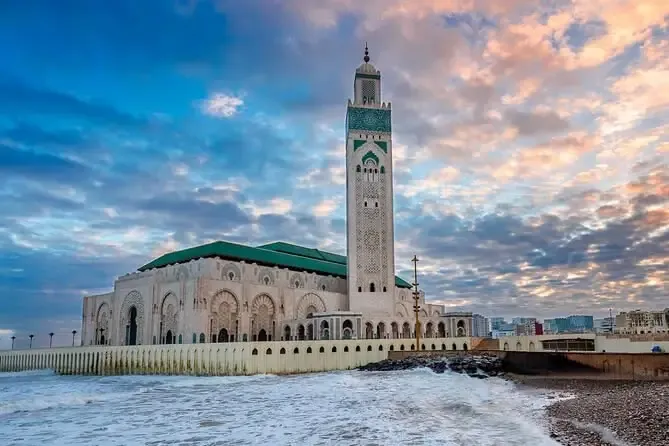
Standing proudly on the edge of the Atlantic Ocean, The Mosque of Hassan II is one of Morocco's greatest architectural achievements and one of the most breathtaking religious landmarks in the world. Located in Casablanca, this extraordinary mosque combines traditional Moroccan craftsmanship with modern engineering, creating a masterpiece that attracts millions of visitors every year.
Whether you're passionate about architecture, history, religion, or photography, visiting The Mosque of Hassan II is an unforgettable experience. With its soaring minaret, intricate mosaics, hand-carved cedar wood, and stunning oceanfront setting, the mosque offers a unique glimpse into Morocco's rich cultural heritage.
This comprehensive guide covers everything you need to know before your visit, including its history, architecture, location, opening hours, ticket prices, best time to visit, recommended clothing, what to bring, useful travel advice, common mistakes to avoid, frequently asked questions, and much more.
Overview
The Mosque of Hassan II is one of the largest mosques in the world and the largest in Morocco. It was commissioned by King Hassan II to commemorate his 60th birthday and to symbolize Morocco's spiritual and cultural identity.
Completed in 1993 after several years of construction, the mosque is a remarkable blend of traditional Islamic artistry and cutting-edge engineering. One of its most remarkable features is its location partially over the Atlantic Ocean, inspired by a verse in the Quran stating that God's throne was built upon water.
Today, the mosque serves both as an active place of worship and one of Casablanca's most visited tourist attractions.
Turn your visit to Casablanca into an unforgettable adventure with our Casablanca Day Tours. Book now to explore the city's most famous attractions, discover hidden gems, and experience the authentic charm of Morocco with knowledgeable local guides.
History of The Mosque of Hassan II
Construction began in 1986 under the direction of French architect Michel Pinseau. More than 10,000 skilled artisans participated in the project, using traditional Moroccan techniques passed down through generations.
Thousands of craftsmen worked on hand-carved marble, intricate zellige tilework, sculpted plaster, and beautifully carved cedar wood ceilings. Every decorative detail reflects Morocco's artistic excellence.
The mosque officially opened in 1993 and has since become one of Africa's most iconic landmarks.
Unlike many historic mosques around the world, The Mosque of Hassan II allows non-Muslim visitors to enter through guided tours, making it one of the few major mosques where international travelers can admire the interior.
Location
The mosque is located in Casablanca, Morocco, directly on Boulevard de la Corniche along the Atlantic coastline.
Its spectacular waterfront location makes it visible from many parts of the city and creates stunning panoramic views, especially during sunrise and sunset.
Nearby attractions include:
-
The Corniche
-
Casablanca Marina
-
Mohammed V Square
-
Old Medina
-
Rick's Café
The mosque is easily accessible by taxi, tram, or private transportation.
Why The Mosque of Hassan II Is So Famous?
Several factors make this mosque internationally renowned.
One of the World's Largest Mosques
The prayer hall accommodates approximately 25,000 worshippers, while the surrounding courtyard can hold an additional 80,000 people during major religious events.
The Tallest Minaret
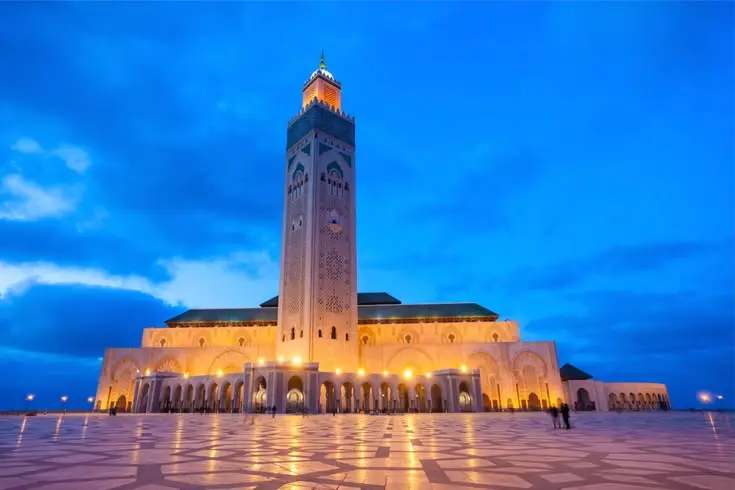
The mosque features one of the tallest mosque minarets in the world, rising approximately 210 meters (689 feet).
A laser installed at the top points toward Mecca every night.
Oceanfront Construction
Nearly one-third of the building extends over the Atlantic Ocean on specially engineered platforms.
This extraordinary design creates unforgettable views and a peaceful atmosphere.
Traditional Moroccan Craftsmanship
Every surface showcases exceptional artistry, including:
-
Marble flooring
-
Hand-painted ceilings
-
Cedar wood carvings
-
Brass chandeliers
-
Intricate mosaics
-
Stucco decoration
The attention to detail is extraordinary.
Architecture and Interior
One of the highlights of visiting The Mosque of Hassan II is appreciating its remarkable architecture.
Massive Prayer Hall
The prayer hall features soaring ceilings, elegant arches, and impressive symmetry.
Natural light enters through enormous windows overlooking the Atlantic Ocean.
Retractable Roof
A unique engineering feature is the retractable roof, which can open during pleasant weather to allow sunlight and fresh air into the prayer hall.
Stunning Chandeliers
Huge handcrafted chandeliers imported from Europe illuminate the interior beautifully.
Zellige Tilework
Moroccan artisans spent years creating colorful geometric mosaics that decorate the walls, fountains, and columns.
Cedar Wood Ceiling
The carved cedar ceilings are masterpieces of traditional Moroccan woodworking.
Cultural and Religious Importance
The mosque is not only an architectural wonder but also an important religious center.
Daily prayers, Friday sermons, and Islamic celebrations take place throughout the year.
Visitors should remember that it remains an active place of worship and should behave respectfully during their visit.
Maintaining silence, dressing modestly, and following the guide's instructions help preserve the spiritual atmosphere.
Opening Hours
Opening hours vary depending on the season, religious events, and prayer schedules.
Guided tours are generally available:
-
Monday to Sunday
-
Morning tours
-
Midday tours
-
Afternoon tours
During Ramadan and Islamic holidays, schedules may change significantly.
It is recommended to confirm the latest timetable before visiting.
Ticket Prices
Visitors generally enter through official guided tours.
Approximate admission prices are:
-
Adults: around 140 Moroccan Dirhams
-
Children: discounted rates may be available
-
Moroccan citizens: different pricing may apply
Prices are subject to change, so checking current rates before your visit is recommended.
Best Time to Visit
The mosque is beautiful throughout the year, but some periods offer an even better experience.
Spring
Spring offers pleasant temperatures and clear skies.
Autumn
Autumn is another excellent season with comfortable weather and fewer crowds.
Early Morning
Morning visits provide softer lighting and fewer visitors.
Late Afternoon
The golden sunlight creates spectacular photo opportunities, especially from the oceanfront.
Sunset is particularly magical as the mosque reflects beautifully over the Atlantic Ocean.
Recommended Duration
Most visitors spend:
-
1.5 to 2 hours for the guided tour
-
2 to 3 hours if including photography and the surrounding promenade
Photography enthusiasts may wish to stay longer to capture different lighting conditions.
What to Wear
Since this is a religious site, modest clothing is essential.
Recommended clothing includes:
-
Long pants or long skirts
-
Shirts covering the shoulders
-
Comfortable walking shoes
-
Light clothing during summer
-
A light jacket during winter or windy days
Women are generally not required to wear a headscarf for guided tours, although dressing respectfully is appreciated.
Avoid:
-
Short shorts
-
Mini skirts
-
Sleeveless tops
-
Revealing clothing
-
Beachwear
What to Bring
To enjoy your visit comfortably, consider bringing:
-
Passport or identification
-
Camera
-
Fully charged phone
-
Water bottle
-
Sunglasses
-
Sunscreen
-
Comfortable shoes
-
Small amount of cash
-
Light sweater for windy weather
A camera with a wide-angle lens is especially useful for capturing the vast interior.
Photography Tips
The mosque is one of Morocco's most photographed landmarks.
For the best results:
-
Visit shortly after sunrise.
-
Return before sunset.
-
Capture reflections after rain.
-
Photograph from the Corniche.
-
Use wide-angle shots for the interior.
-
Include people in some photos for scale.
Remember to respect any photography rules inside the mosque.
Accessibility
The mosque is designed to accommodate many visitors.
Facilities include:
-
Accessible entrances
-
Spacious walkways
-
Guided tours
-
Restrooms
-
Parking nearby
Visitors with limited mobility should confirm accessibility arrangements in advance.
Nearby Attractions
After visiting the mosque, consider exploring nearby attractions.
Casablanca Marina
A pleasant waterfront area filled with cafés and restaurants.
The Corniche
Ideal for walking beside the Atlantic Ocean.
Old Medina
Discover traditional markets and local culture.
Mohammed V Square
An elegant square featuring impressive colonial architecture.
Rick's Café
Inspired by the famous classic film Casablanca, this restaurant has become a popular stop for visitors.
Travel Tips and Advice
To make the most of your visit, keep these practical tips in mind:
-
Arrive at least 30 minutes before your scheduled guided tour.
-
Purchase tickets from official sources whenever possible.
-
Dress respectfully to avoid being refused entry.
-
Carry small cash for transportation or nearby purchases.
-
Check the weather, as the Atlantic coast can be windy.
-
Stay with your guide throughout the tour.
-
Respect prayer times and restricted areas.
-
Keep your phone on silent mode.
-
Wear comfortable footwear because the complex is large.
-
Spend time walking around the exterior after your tour to enjoy the ocean views.
Common Mistakes to Avoid
Many visitors make avoidable mistakes that can affect their experience.
Arriving Late
Guided tours usually begin on time.
Wearing Inappropriate Clothing
Modest dress is expected.
Ignoring Prayer Times
Tour schedules may change during prayers or religious occasions.
Forgetting Sun Protection
The open courtyard receives strong sunlight.
Skipping the Exterior Walk
Some visitors leave immediately after the interior tour, missing the spectacular oceanfront architecture.
Not Bringing a Camera
The mosque offers countless incredible photo opportunities.
Visiting During Peak Hours
Large crowds can reduce the overall experience.
Interesting Facts
Here are some fascinating facts about the mosque:
-
Construction required over six years.
-
More than 10,000 artisans contributed to its decoration.
-
The minaret reaches approximately 210 meters.
-
The laser atop the minaret points toward Mecca.
-
The prayer hall can accommodate around 25,000 worshippers.
-
The courtyard holds approximately 80,000 additional worshippers.
-
A portion of the mosque extends directly over the Atlantic Ocean.
-
The roof can be opened mechanically.
-
Much of the craftsmanship was completed by hand.
Why You Should Visit?
Even travelers with limited time in Casablanca often rank this mosque as the highlight of their trip.
It combines history, architecture, spirituality, engineering, and breathtaking scenery into one unforgettable destination.
Whether you're visiting Morocco for the first time or returning to discover more of its cultural treasures, the mosque deserves a place at the top of your itinerary.
FAQ
Can non-Muslims enter the mosque?
Yes. Non-Muslims can visit the interior through official guided tours.
Is photography allowed?
Yes, photography is generally permitted during guided tours, although visitors should follow any instructions provided by staff.
How long does a visit take?
Most visitors spend between 1.5 and 2 hours exploring the mosque.
Is there a dress code?
Yes. Visitors should wear modest clothing that covers the shoulders and knees.
Can children visit?
Yes. Families with children are welcome.
Is the mosque wheelchair accessible?
Many areas are accessible, but it is advisable to check arrangements before visiting.
What language are guided tours offered in?
Guided tours are often available in several languages, including English and French, depending on availability.
Is it worth visiting if I am not religious?
Absolutely. The mosque is admired worldwide for its architecture, craftsmanship, history, and spectacular coastal location.
Conclusion
A visit to The Mosque of Hassan II is far more than a sightseeing stop—it is an opportunity to experience one of the world's most remarkable examples of Islamic architecture and Moroccan craftsmanship. From its soaring minaret and intricate handmade decorations to its dramatic setting above the Atlantic Ocean, every corner reflects extraordinary artistry and cultural significance. Whether you are fascinated by history, architecture, photography, or simply wish to discover one of Morocco's most iconic landmarks, The Mosque of Hassan II offers an unforgettable experience that will remain one of the highlights of your journey through Casablanca.
Create your perfect Moroccan getaway with our Morocco Private Tours 2026. Contact us today to customize a private itinerary and enjoy a comfortable, personalized journey through Morocco's breathtaking landscapes, imperial cities, and cultural treasures.