
Best Time to Visit Marsa Alam: Beaches, Sun & Snorkeling
A Traveler’s First Impression
“I came for the beach. I stayed because of a turtle.” That is how one traveler described their first morning in Marsa Alam. The sea was perfectly flat and glassy, the sand was still cool, and the only sounds were the wind and the soft clink of a snorkel bag. A few steps from the shore, the water changed from pale turquoise to deep blue, and there, grazing quietly on seagrass, was a green sea turtle. Nobody rushed. Nobody shouted. The whole coastline seemed to be taking a slow, deep breath.
Visitors often say the same thing: Marsa Alam feels like the Red Sea before the crowds arrived. The resorts are low and spread out, the reefs start close to the beach, and the desert runs right up to the water. Because it is so relaxed, the time of year you choose has a big effect on how your trip feels. A winter week can be mild, gentle, and perfect for long snorkeling sessions. A summer week can be hot, bright, and full of warm water. This guide will help you pick the season that fits you best.
What Is Marsa Alam?
Marsa Alam is a coastal region on Egypt’s southern Red Sea, known for calm bays, coral reefs, and some of the clearest water in the country. Unlike busier resort towns, it is a spread-out stretch of beaches, small harbors, and quiet resorts, with long desert roads in between. It is a favorite for snorkelers, divers, families, couples, and anyone who wants a slow, sea-focused holiday.
The area is famous for reefs you can reach straight from the beach, and for marine life such as sea turtles, dolphins, and, with a little luck, dugongs. The sunshine is almost constant throughout the year, which is why many people say there is no bad time to visit. There is, however, a best time for your personal style of trip.
Quick Facts
- Location: Southern Red Sea coast of Egypt, in the Red Sea Governorate, south of Hurghada and Safaga and north of the Sudan border
- Getting there: Most visitors fly into Marsa Alam International Airport, which is roughly an hour’s drive from many resorts, depending on where you stay. Others drive or take transfers from Hurghada, which is several hours away by road.
- Opening hours: The sea and public beaches are open at all hours, while resort beaches, dive centers, and boat trips follow their own schedules. Boats usually leave in the morning, and dive centers often operate during the day. Confirm times with your operator.
- Prices: Visiting a public beach can be free or low-cost, while snorkeling trips, diving, and boat excursions are priced separately. Rates vary by season, group size, and operator, so check our website for current options.
- Recommended duration: Three to four nights for a short reef getaway, or five to seven nights for snorkeling, day trips, and relaxing
- Best time to visit: October to April for the most comfortable weather overall, with May and September also excellent for travelers who enjoy heat and warm water
- Hottest months: June to August
- Coolest months: December to February
A Short Background of Marsa Alam
A Fishing and Trading Coast
For many centuries, this part of the Red Sea coast was used by traders, fishermen, and travelers moving between the Nile Valley and the sea. In ancient times, expeditions passed through the eastern desert to reach the coast, and small harbors served as gateways for trade and exploration. Remains and routes in the surrounding desert are still part of the area’s story.
A Quiet Village
For a long time, Marsa Alam was a small fishing and trading village rather than a tourist destination. The coastline had few buildings, and the reefs were known mainly to local fishermen and a few adventurous divers. The area’s remoteness is a large part of why the reefs stayed in such good condition.
Growth of Tourism
In recent decades, new roads, an international airport, and carefully planned resorts have opened the area to visitors. Development has been steady rather than explosive, and many resorts are low-rise and set back from the shoreline. Protected areas, including Wadi El Gemal National Park, help safeguard the coast and its wildlife.
Today, Marsa Alam is considered one of Egypt’s best places for relaxed, sea-focused holidays, with a growing number of snorkeling trips, dive sites, and nature excursions.
The Best Time to Visit Marsa Alam, Season by Season
Winter (December to February): Mild, Calm, and Comfortable
Winter is the coolest time of year, but it is still warm by European standards. Days are typically sunny, with pleasant temperatures that make walking, exploring, and sightseeing easy. Evenings can feel cool, so a light jacket is useful, especially near the water.
The sea is cooler than in summer, so many snorkelers wear a thin wetsuit or shorty for long sessions. Visibility is often excellent, and the cooler air makes day trips more comfortable. This is also the busiest period, especially around Christmas and New Year, so book early.
Best for: Sightseeing combined with snorkeling, families escaping cold weather, and travelers who dislike intense heat
Spring (March to May): Warm, Bright, and Balanced
Spring is a favorite for many travelers. Temperatures rise steadily, the sea warms up, and the crowds are usually lighter than in winter. By April and May, days can be hot, but the sea feels wonderfully refreshing.
This is a great time for relaxed beach days and snorkeling without a thick wetsuit. Wind levels vary, and some days can be breezier, which may affect boat trips. Easter and spring holidays can bring short busy periods.
Best for: Beach lovers, snorkelers, and travelers who want a balance of warm water and manageable heat
Summer (June to August): Hot, Bright, and Warm Water
Summer is hot, sometimes extremely so in the afternoon, but the Red Sea is at its warmest and most inviting. Many people find that the water is the best way to enjoy the season, and most resorts are designed with shade, pools, and air conditioning.
Plan outdoor activities for the early morning or late afternoon, and rest in the middle of the day. Summer can be busier with school holiday travelers, though Marsa Alam usually feels calmer than larger resort towns. If you are sensitive to heat, consider choosing a resort with a house reef so you can snorkel in short, comfortable sessions.
Best for: Heat lovers, warm-water swimmers, and travelers who want guaranteed sunshine
Autumn (September to November): Warm Sea, Softer Air
Autumn is often called the sweet spot. The sea is still very warm from the summer, while the air gradually becomes more comfortable. By October and November, the heat eases, evenings become pleasant, and crowds are generally moderate until the winter holiday season begins.
Many snorkelers and divers love this period for its comfortable conditions and strong marine life activity. Offshore sites such as Elphinstone are often discussed by divers as being especially rewarding in the cooler months, though sightings can never be guaranteed.
Best for: Snorkeling, diving, couples, and travelers who want warm water without extreme heat
What to Expect
The Beaches
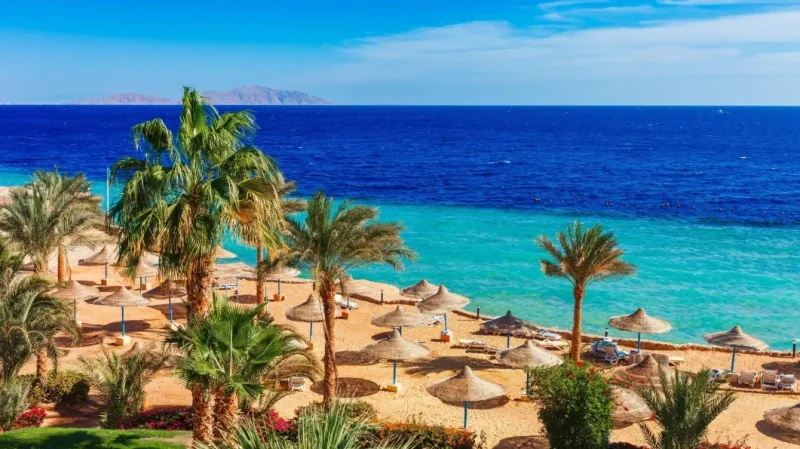
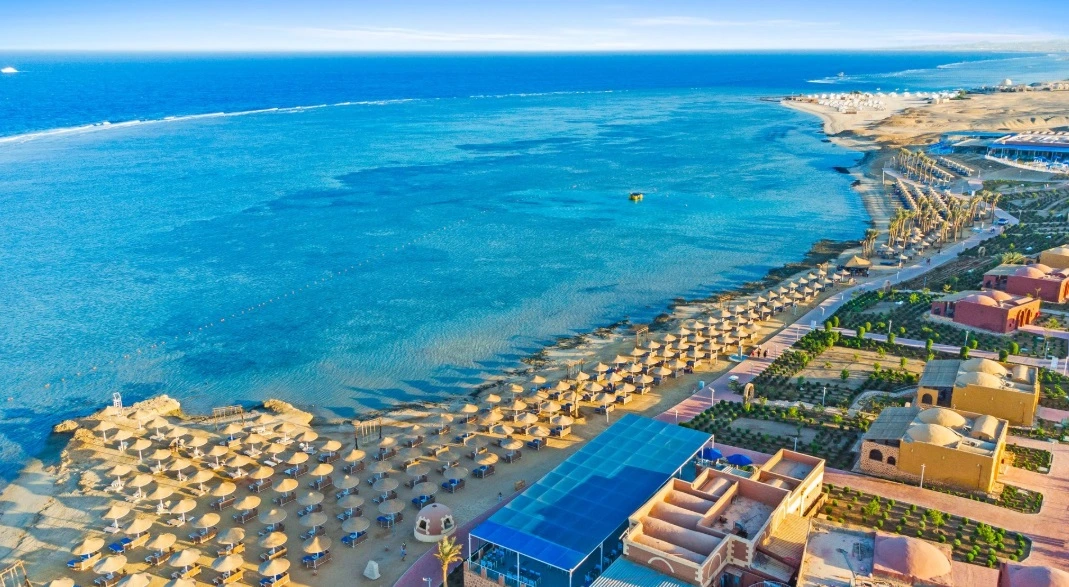
Marsa Alam’s beaches are generally calm and clean, with soft sand and shallow entry points in many bays. Many resorts have their own beach with sunbeds and umbrellas, while some beaches are wilder, with little more than sand, sea, and sky. Some areas have a jetty that crosses the shallow reef, making it easier to reach deeper water.
Snorkeling and Marine Life
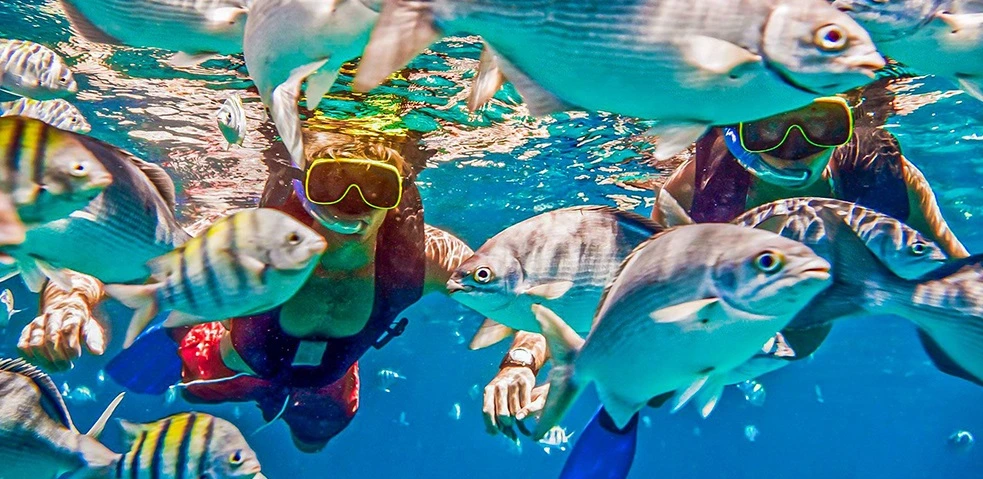
This is the main attraction. Many resorts have a house reef, which means you can snorkel straight from the beach. You may see colorful coral gardens, schools of small fish, parrotfish, clownfish, and rays. Sea turtles are commonly seen in certain bays, and dolphins are often spotted on boat trips. Dugongs, shy sea mammals that graze on seagrass, are sometimes seen in specific areas, but sightings are never guaranteed.
Boat Trips and Day Excursions
Boat trips take you to different reef sites, and some visit the area known as the Dolphin House, where dolphins are sometimes seen resting in a protected bay. Rules and access can change, and the aim should always be to observe animals respectfully without chasing them. Choose operators who follow responsible guidelines.
Diving
Marsa Alam has dive sites suitable for beginners and experienced divers. Many people try an introductory dive here because the water is calm and clear. Certified divers can join day trips or longer offshore trips. Conditions vary by season, so check with your dive center.
The Desert and Nearby Nature
Beyond the water, you can explore desert landscapes, mountains, and protected areas. Wadi El Gemal National Park offers a mix of desert, coast, and wildlife. Some visitors add a jeep trip, a sunset desert tour, or a stargazing evening. The skies are very dark away from towns, and on clear nights the stars are spectacular.
The Atmosphere
Expect quiet, spacious, and relaxed. Evenings are calm, with dinner, music, and conversation rather than late-night noise. Many guests describe it as a place to switch off, not to rush.
Useful Facts: Crowds, Distances, and Weather
- Crowds: Marsa Alam is generally quieter than major resort towns. The busiest times are Christmas and New Year, Easter, and the summer school holidays. Late autumn and spring tend to be calmer.
- Distances: Resorts are spread out along the coast, so you will usually need a transfer or taxi to reach shops, harbors, or other beaches. The airport is about an hour from many resorts, and Hurghada is several hours by road.
- Daytime temperatures: Winter days are usually pleasant and sunny, spring and autumn are warm, and summer days can be very hot, often above 35°C.
- Evenings: Winter evenings can feel cool, especially near the sea, while summer evenings stay warm.
- Sea temperature: Coolest in winter and warmest in late summer. In winter, many people prefer a thin wetsuit. In summer, a rash vest or swimsuit is often enough.
- Wind: Wind levels vary through the year and can affect boat trips and offshore activities. Operators will advise on conditions.
- Rain: Rain is rare, though brief showers can occur outside the summer months.
- Sun: Strong sunshine throughout the year, so sun protection matters in every season.
Practical Travel Tips
- Choose your season by priority. If you want mild weather, aim for October to April. If you want the warmest water, consider June to September.
- Book early for peak holidays. Christmas, New Year, and Easter fill up quickly.
- Pick a resort with a house reef. It saves time and money, and it lets you snorkel whenever the mood strikes.
- Use reef-safe sunscreen. Protect both your skin and the coral. A rash vest also reduces the need for sunscreen.
- Never touch or stand on coral. Corals are fragile living animals, and damage takes years to heal.
- Keep a respectful distance from marine life. Do not chase turtles, dolphins, or dugongs, and avoid feeding any animals.
- Bring a light layer. Evenings and boat rides can feel cool, even in warm months.
- Stay hydrated. The dry climate and sun make it easy to forget how much water you need.
- Pack snorkel gear if you can. Rental gear is available, but your own mask and snorkel often fit better.
- Consider water shoes. They help on rocky entry points and jetties.
- Check boat trip details. Ask what is included, how long the trip lasts, and how many people will be on board.
- Keep cash for small purchases. Tips, snacks, and souvenirs are easier with small bills.
- Respect local customs. Beachwear is fine at resorts, but cover up when visiting towns and villages.
- Plan your transfers. Distances are long, so confirm airport transfers and day trip pickups in advance.
- Leave room for slow days. The best part of Marsa Alam is often doing very little by the sea.
What Travelers Say
Visitors often say Marsa Alam changes their idea of a beach holiday. One of our travelers mentioned that they came in February, expecting cool water and a short swim, and ended up snorkeling every morning with a thin wetsuit. “The water was so clear that I kept forgetting how deep it was,” they said. “Every day felt like a new aquarium.”
Another traveler who visited in October described the perfect balance: warm sea, soft evenings, and almost no crowds. They said they spent hours on the house reef and finished each day with dinner outdoors under a sky full of stars.
Families often tell us that the calm bays and shallow entry points make it easier to relax with children. Couples love the quiet evenings, and solo travelers say it is a peaceful place to read, swim, and think. Heat lovers who visit in summer say they spent most of the day in the water and kept activities for the early morning and late afternoon. Many guests add that the best planning tip is to choose the season based on the kind of holiday you want, not just on the weather forecast.
Frequently Asked Questions
What is the best month to visit Marsa Alam?
Many travelers say October, November, March, and April offer the best balance of warm weather, comfortable evenings, and great snorkeling conditions.
When is the best time for snorkeling?
Snorkeling is good all year. Autumn and spring offer warm water and comfortable air, while summer has the warmest sea. In winter, a thin wetsuit makes longer sessions more comfortable.
When is the best time to see sea turtles?
Turtles can be seen year-round in suitable bays. Choose a respectful operator and stay calm and quiet when you spot one.
Can I see dugongs?
Dugongs are sometimes seen in specific areas, but sightings are never guaranteed. Go early, keep your distance, and follow your guide’s advice.
Is Marsa Alam too hot in summer?
It can be very hot, especially in the afternoon, but the sea is warm and refreshing. Plan activities for early morning and late afternoon, and choose a resort with shade and a pool.
Is winter warm enough for swimming?
Yes, but the sea is cooler than in summer. Many people swim and snorkel comfortably, especially with a thin wetsuit.
What is the cheapest time to go?
Prices often rise during Christmas, New Year, Easter, and school holidays. Shoulder periods such as late spring and early autumn can offer better value, though rates vary.
Is Marsa Alam good for families?
Yes. Many beaches have gentle entry points, and resorts often offer kids’ activities and calm swimming areas.
Is it good for beginners in snorkeling?
Yes. Calm bays, clear water, and house reefs make it a great place to learn, especially with a guide or instructor.
Do I need a wetsuit?
In summer, usually not. In winter, many people prefer a thin wetsuit or shorty for longer sessions.
How many days do I need?
Three to four nights is enough for a short break, but five to seven nights lets you enjoy reefs, day trips, and relaxing time.
How far is Marsa Alam from Hurghada?
It is several hours by road, so most visitors fly directly to Marsa Alam or arrange a private transfer.
What should I pack?
Light clothing, swimwear, a hat, sunglasses, reef-safe sunscreen, a light jacket for evenings, water shoes, and a snorkel set if you have one.
Is photography allowed underwater?
Yes, and a waterproof camera or phone case is a great idea. Never touch or disturb marine life for a photo.
Ready to Choose Your Perfect Month?
Marsa Alam rewards travelers who match the season to the kind of holiday they want. Pick winter for mild days, spring or autumn for balanced weather and warm water, or summer for sunshine and the warmest sea. Whatever you choose, you will find calm bays, clear water, and a slower rhythm that is hard to forget.
If you would like help planning your trip, we would be happy to guide you. Visit our website to explore Marsa Alam holiday options, check the latest details on timing and experiences, and choose a stay that suits your pace and your budget. Your quiet Red Sea escape is waiting for you.