
Marsa Alam
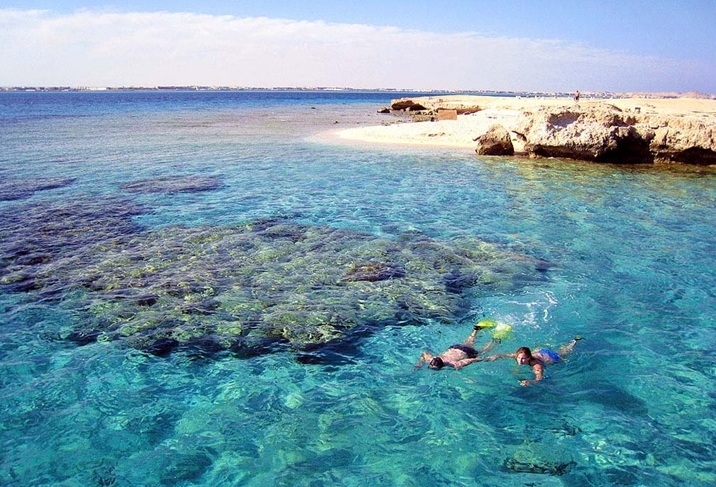
Is Marsa Alam the Last Hidden Paradise of the Red Sea?
For decades, the Egyptian coastline was defined by the rapid expansion of cities like Hurghada, but Marsa Alam has managed to remain a sanctuary for those who prefer the sound of waves over the hum of city life. Located approximately 270 kilometers south of the busier hubs, this region was once a humble fishing village that served only the local Bedouin tribes and a few adventurous nomads. Today, it has transformed into a world-class destination that manages a difficult balancing act: providing modern luxury while keeping its rugged, untouched soul intact. The magic of Marsa Alam lies in its isolation, offering a rare opportunity to see the Red Sea as it existed before the era of mass tourism.
How Did the Geography of Marsa Alam Shape Its Unique Identity?
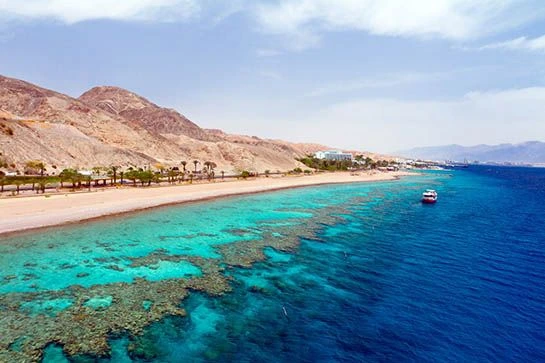
The physical landscape of this region is a dramatic meeting of extremes, where the scorched, golden mountains of the Eastern Desert drop abruptly into the deep blue of the sea. This specific geography has protected Marsa Alam from the sprawling urban development seen elsewhere, as the environment demands a more respectful and spread-out approach to construction. Because the coastline is jagged and filled with natural "Marsas" or bays, the resorts are often tucked away in private alcoves that feel like individual oases. This layout ensures that a stay in Marsa Alam feels intimate and private, even during the peak travel seasons.
Why Does the Marine Biodiversity of Marsa Alam Surpass Other Regions?
If you were to peer beneath the surface of the water, you would find an ecosystem that is arguably the healthiest in the northern hemisphere. The coral reefs surrounding Marsa Alam benefit from cooler water currents and significantly less boat traffic than the northern reefs, which has prevented the coral bleaching seen in other parts of the world. Here, the reefs are not just patches of stone, but massive, ancient structures teeming with life, from the smallest neon-colored sea slugs to giant moray eels. Scientists and marine biologists often visit Marsa Alam to study these resilient ecosystems, which serve as a hopeful blueprint for marine conservation globally.
Have You Heard the Song of the Dugong in the Bays of Marsa Alam?
One of the most profound experiences available to visitors is a chance encounter with the dugong, a rare sirenian that has become the unofficial mascot of the region. These gentle herbivores, which can weigh up to 400 kilograms, spend their days grazing peacefully on the vast seagrass meadows that line the floor of Marsa Alam. Because they are air-breathing mammals, lucky snorkelers can watch them rise gracefully to the surface before they dive back down to continue their slow-motion feast. Protecting these "sea cows" is a top priority for the local community, ensuring that Marsa Alam remains one of the few places on Earth where humans and dugongs can coexist in silence.
Is Samadai Reef Truly the Best Place to Witness Wild Dolphins?
Known locally as the "Dolphin House," Samadai Reef is a horseshoe-shaped natural wonder that offers one of the most ethical wildlife encounters in the world. Large pods of spinner dolphins use the calm, protected interior of the reef as a nursery and a place to sleep during the day, away from the predators of the open ocean. The management of this site near Marsa Alam is a model of success, with strict limits on the number of boats allowed and designated zones where humans are forbidden to enter. This respect for the animals' boundaries means that the dolphins in Marsa Alam are relaxed and often initiate playful interactions with swimmers on their own terms.
What Secrets are Buried in the Ancient Emerald Mines of Marsa Alam?
Long before tourists arrived with cameras and sunblock, ancient empires viewed this land as a source of immense wealth and prestige. The mountains of Marsa Alam were the site of the world’s first emerald mines, which provided the green gemstones favored by Cleopatra and the Roman elite. Today, adventure seekers can trek into the "Mons Smaragdus" region to see the remains of the stone settlements and the dark mouths of the shafts where laborers once worked. These ruins serve as a haunting reminder that Marsa Alam has been a gateway between the treasures of the earth and the empires of the Mediterranean for millennia.
Why is Wadi El Gemal the Most Important National Park in the Area?
Translating to "Valley of the Camels," Wadi El Gemal is a massive protected area that showcases the unexpected vitality of the Egyptian desert. This park, which begins just south of the main hotel zones of Marsa Alam, covers both land and sea, protecting everything from prehistoric rock art to rare mangrove forests. It is a place where you can see wild gazelles darting across the sand in the morning and snorkel through vibrant coral gardens in the afternoon. The park rangers in Marsa Alam work tirelessly to educate visitors on the "Leave No Trace" philosophy, ensuring the desert’s fragile beauty remains unmarred.
Can the Architecture of Marsa Alam Teach Us About Sustainability?
The construction style found in many of the region’s newer resorts is a nod to the ancient wisdom of Nubian and Islamic architecture. By using thick walls, high-domed ceilings, and natural stone, builders in Marsa Alam have created structures that stay cool in the desert heat without relying solely on high-energy air conditioning. These buildings are often painted in earthy tones—ochre, terracotta, and sand—allowing the man-made structures to harmonize with the surrounding landscape. This commitment to aesthetic and functional harmony makes the skyline of Marsa Alam feel like a natural extension of the desert rather than an intrusion upon it.
Is Marsa Alam the Ideal Destination for a Digital Detox?
In an era where everyone is constantly tethered to their devices, this remote coastline offers the ultimate opportunity to disconnect from the virtual world and reconnect with the physical one. While high-speed internet is available, the sheer majesty of the star-filled nights and the rhythm of the tides in Marsa Alam tend to make smartphones feel irrelevant. Many visitors find that after a few days of sun, salt water, and desert silence, the stress of modern life begins to evaporate. It is this psychological "reset" that brings repeat visitors back to Marsa Alam year after year, seeking the mental clarity that only true wilderness can provide.
How Does the Local Bedouin Culture Enrich the Tourist Experience?
The Ababda people, the traditional nomadic inhabitants of the region, possess a deep and intimate knowledge of the desert that adds a layer of soul to any visit. Engaging with a Bedouin guide allows you to see the landscape of Marsa Alam through the eyes of those who have lived there for centuries, learning about traditional medicine, tracking, and survival. An evening spent in a traditional tent, drinking "Jabana" coffee brewed over an open fire, offers a glimpse into a culture that values hospitality and storytelling above all else. This cultural exchange is a vital part of what makes a trip to Marsa Alam feel like a journey rather than just a vacation.
What Makes the Winter Climate of Marsa Alam So Appealing?
While much of the northern hemisphere is shrouded in grey clouds and biting cold, the southern Red Sea enjoys a perpetual summer that is nothing short of restorative. During the winter months, the air temperature in Marsa Alam hovers around a perfect $24^{\circ} \text{C}$, providing enough warmth for sunbathing without the scorching intensity of the July sun. The water remains warm as well, allowing for long hours of exploration in the sea without the need for thick wetsuits. This reliable weather makes Marsa Alam one of the world’s most dependable destinations for those seeking a "winter sun" getaway that actually delivers on its promise.
Is Kite Surfing the New Frontier of Adventure in Marsa Alam?
Beyond the quiet reefs, the northern winds that sweep across the Red Sea have created a paradise for high-speed water sports enthusiasts. The flat-water lagoons of Marsa Alam are perfect for kite surfers, offering steady breezes and plenty of space to maneuver without the crowded conditions found in more famous European spots. Beginners can take lessons in the safety of shallow, sandy-bottomed bays, while experts head further out to catch the bigger swells. This burgeoning sporting scene has added a youthful, energetic vibe to Marsa Alam, attracting a new generation of travelers who live for the wind and the waves.
Why Should Port Ghalib Be on Your Itinerary in Marsa Alam?
For those who enjoy a touch of luxury and the hum of a vibrant marina, Port Ghalib serves as the sophisticated heart of the region. This multi-billion dollar development features a beautiful promenade filled with international restaurants, high-end boutiques, and world-class spas that offer a contrast to the rustic nature of Marsa Alam. It is the primary departure point for many of the liveaboard diving boats that head into the deep south, but it is also a destination in its own right for dinner and social gatherings. Port Ghalib proves that you can have the best of both worlds in Marsa Alam: raw adventure by day and refined elegance by night.
Can Families Find Safe and Engaging Activities in Marsa Alam?
It is a common misconception that this area is only for serious scuba divers; in reality, it is one of the safest and most educational environments for children. The shallow, crystal-clear lagoons of Marsa Alam act as natural swimming pools where kids can put on a mask for the first time and see a world of "Nemo" fish just inches from their faces. Many resorts have implemented kids' clubs that focus on marine biology and environmental protection, teaching the next generation to value the ocean. For a family looking to bond over shared discoveries rather than theme park rides, Marsa Alam is an unbeatable choice.
Add this adventure to your memories by visit it through our Marsa Alam Excursions.
What is the Significance of the Mangroves at Qulaan Near Marsa Alam?
The mangrove forests of Qulaan represent one of the most unique and fragile ecosystems in Egypt, where trees grow directly out of the saltwater. These "forests of the sea" act as a vital nursery for juvenile fish and a nesting ground for exotic birds, providing a lush green contrast to the arid desert of Marsa Alam. Visitors can wade through the ankle-deep water at low tide, observing the complex root systems that protect the coastline from erosion. This area is a photographer’s dream, especially at sunset when the silhouettes of the trees are reflected in the perfectly still waters of Marsa Alam.
How Does Marsa Alam Tackle the Challenge of Water Scarcity?
Being located in one of the driest places on Earth, the region has had to become a pioneer in water management and desalination technology. Most of the water used in the resorts of Marsa Alam is sourced from the sea and processed through advanced reverse osmosis plants that provide fresh water for drinking and irrigation. This reliance on technology is coupled with a strong emphasis on water conservation, with many hotels using recycled greywater to maintain their desert gardens. Understanding the value of every drop is a lesson that every visitor to Marsa Alam eventually learns, fostering a deeper respect for the environment.
Is Marsa Alam the Best Gateway to the Deep South Reefs?
For the truly dedicated diver, the ports here are the starting point for journeys to the legendary "St. John’s" and "Rocky Island" reef systems. These remote sites are too far for day trips, requiring multi-day liveaboard vessels that offer a "dive, sleep, repeat" lifestyle in the middle of the Marsa Alam sea. These southern reefs are famous for their dramatic underwater topography, including caves, tunnels, and steep drop-offs that are home to large pelagic fish. Accessing these world-class sites is much easier from Marsa Alam than from the northern ports, saving travelers days of sailing time and allowing for more hours underwater.
What Should Every Traveler Pack for a Trip to Marsa Alam?
Preparation is key when visiting a location that is as remote and sun-drenched as this southern coastline. High-quality, reef-safe sunscreen is the most important item in any suitcase, as the reflection of the sun off the white sand and water in Marsa Alam can be incredibly intense. Polarized sunglasses and a wide-brimmed hat are also essential for protecting yourself during desert excursions or boat trips. Despite the daytime heat, a light sweater is often necessary for the evenings, as the desert air cools down rapidly once the sun sets over the mountains of Marsa Alam.
How Does Marsa Alam Compare to Other Red Sea Hotspots?
When comparing this region to Hurghada or Sharm El-Sheikh, the most striking difference is the sense of space and the quality of the natural environment. While the northern cities offer more in the way of nightlife, shopping malls, and "tourist kitsch," Marsa Alam focuses almost exclusively on the quality of the ocean and the desert. There is a "slow travel" movement here that encourages visitors to linger, observe, and appreciate the small details of the landscape. For the traveler who wants to avoid the "all-inclusive" feel of a generic resort, Marsa Alam offers a more authentic and soul-stirring alternative.
What is the Future of Sustainable Tourism in Marsa Alam?
As the region continues to grow in popularity, the local authorities are facing the challenge of increasing capacity without destroying the very beauty that attracts people. Plans are currently underway to transform Marsa Alam into a "Green City" by increasing the use of solar power and banning single-use plastics across all resorts. The goal is to create a model of tourism that contributes to the restoration of the environment rather than its depletion. If these initiatives succeed, Marsa Alam will not only remain a top travel destination but will also become a leader in the global movement toward ethical and sustainable travel.
Why Does the "Marsa Alam Vibe" Keep People Coming Back?
There is an intangible quality to this place—a mixture of the salty air, the golden light, and the genuine warmth of the people—that creates a deep sense of belonging. Many visitors who come to Marsa Alam for the first time find themselves booking a return trip before they have even checked out of their hotel. It is a place that strips away the unnecessary noise of modern life, leaving you with nothing but the sun, the sea, and the sand. Ultimately, Marsa Alam is more than just a destination on a map; it is a state of mind that prioritizes peace, wonder, and a deep respect for the natural world.
Conclusion
What is the Final Verdict on Visiting This Coastal Haven?
In summary, Marsa Alam stands as a rare example of a destination that has successfully preserved its natural majesty while opening its doors to the world. It offers a profound escape for those who seek the quiet beauty of the desert and the vibrant life of the Red Sea, far away from the commercial noise of traditional tourist hubs. By choosing to visit Marsa Alam, you are stepping into a world where the environment is the protagonist and every sunset feels like a private show. Whether you come for the dolphins, the history, or the silence, you will leave Marsa Alam with a renewed appreciation for the untouched wonders of our planet.
Add this adventure to your memories by visit it through our Marsa Alam Excursions.