
The Grand Mosque of Chefchaouen: Architectural Jewel of the Rif
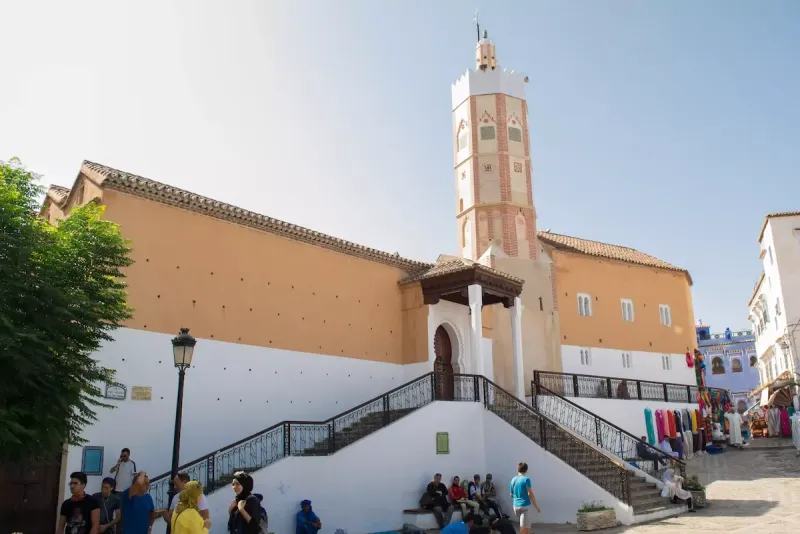
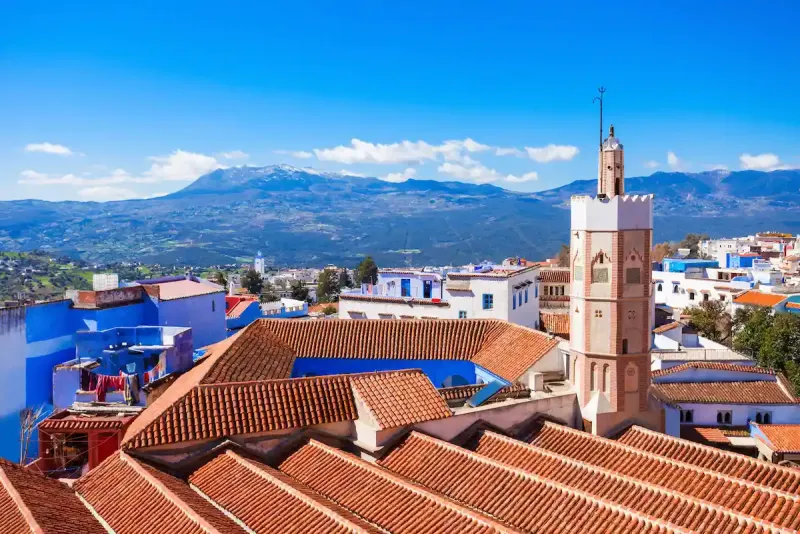
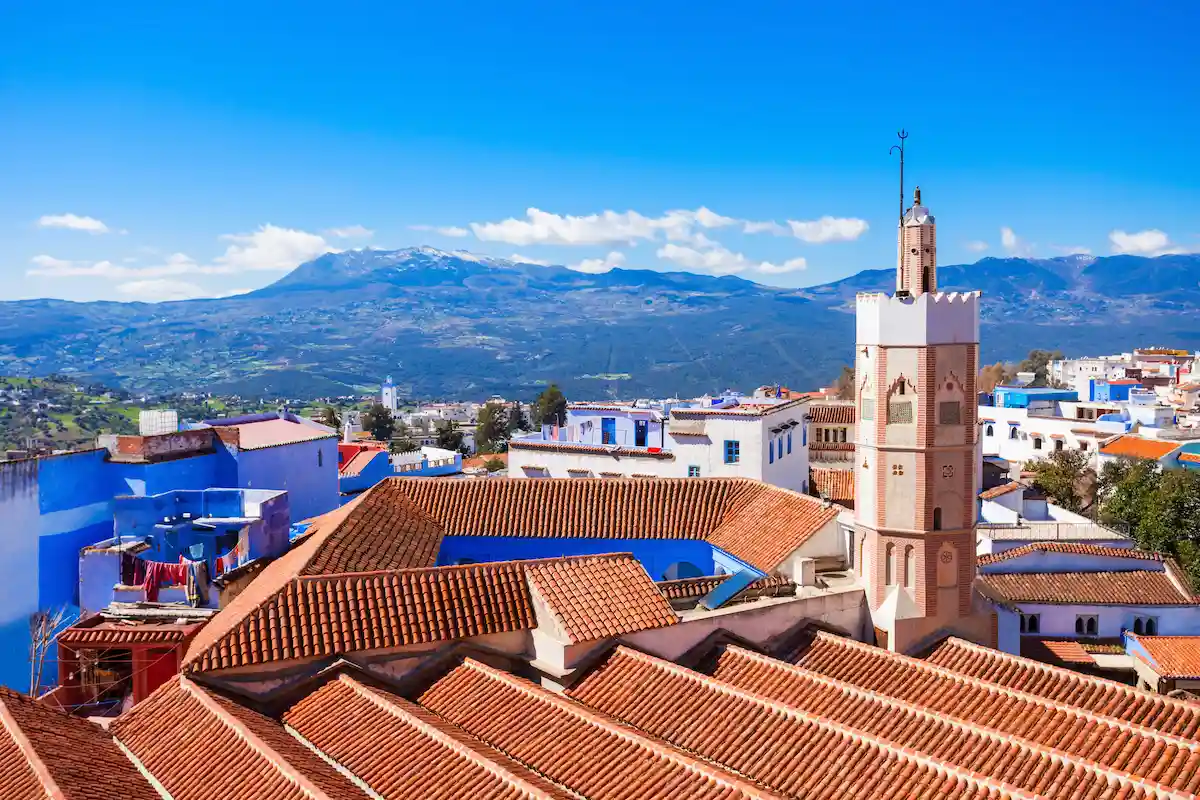
Situated in the heart of the iconic place Outa el-Hammam, the Grand Mosque of Chefchaouen stands as the spiritual anchor, historical cornerstone, and architectural hallmark of Morocco’s famous Blue Pearl. While the surrounding medina captivates global travelers with its endless sea of cobalt-brushed alleyways and blue-washed facades, the Grand Mosque grounds the city in five centuries of profound Andalusian-Islamic heritage, spiritual practice, and regional resilience. With its iconic octagonal minaret—a rare architectural masterpiece in North Africa—the mosque serves as both a active sanctuary for the faithful and an essential focal point for culture, history, and photography lovers from around the world.
1. Deep History & Cultural Origins
The story of the Grand Mosque is inseparable from the founding of Chefchaouen itself. In 1471, the Andalusian-Moroccan leader Moulay Ali Ben Rachid founded the settlement as a strategic hilltop citadel (kasbah) to defend against Portuguese invasions expanding along the North African Atlantic coast. Following the fall of Granada in 1492 and the expulsion of Muslims and Sephardic Jews from Al-Andalus during the Spanish Reconquista, waves of skilled Andalusian refugees sought sanctuary in the Rif Mountains.
Recognizing the rapid growth of the mountain refuge, Moulay Ali Ben Rachid's son, the governor Ali ibn Rashid, commissioned the construction of the Grand Mosque in the early 16th century (around 1560 CE). The goal was to establish a grand congregational mosque (Masjid al-A'zam) capable of hosting Friday sermons (Jumu'ah) and unifying the influx of Moorish artists, scholars, warriors, and families.
1471: City Founded by Moulay Ali Ben Rachid
  │
  ├── 1492: Arrival of Andalusian Exiles (Granada)
  │
  ├── c. 1560: Construction of Grand Mosque by Ali ibn Rashid
  │
  ├── 17th–18th C.: Expansion of Octagonal Minaret & Prayer Hall
  │
  └── Modern Era: Preserved as Active Spiritual & Architectural Anchor
The builders brought with them the refined artistic styles of southern Spain, seamlessly blending Moroccan-Marinid masonry with Andalusian-Moorish elegance. Over centuries of Saadian and Alaouite rule, the mosque underwent subtle renovations and expansions to accommodate the growing population, yet it meticulously preserved its original architectural integrity. Today, it remains one of the oldest and most historically intact structures in northern Morocco.
2. Key Monuments & Architectural Highlights
Unlike modern urban mosques, the Grand Mosque of Chefchaouen is built from local red stone, clay brick, and carved timber, standing out warmly against the blue backdrop of the surrounding medina plaza.
                          [ Octagonal Minaret ]
                                    │
                                    ▼
       [ Historic Main Entrance ] ───► [ Central Open Sahn (Courtyard) ]
                                    │
                                    ▼
                          [ Covered Prayer Hall ]
                         (Horseshoe Arches & Wood)
The Octagonal Minaret
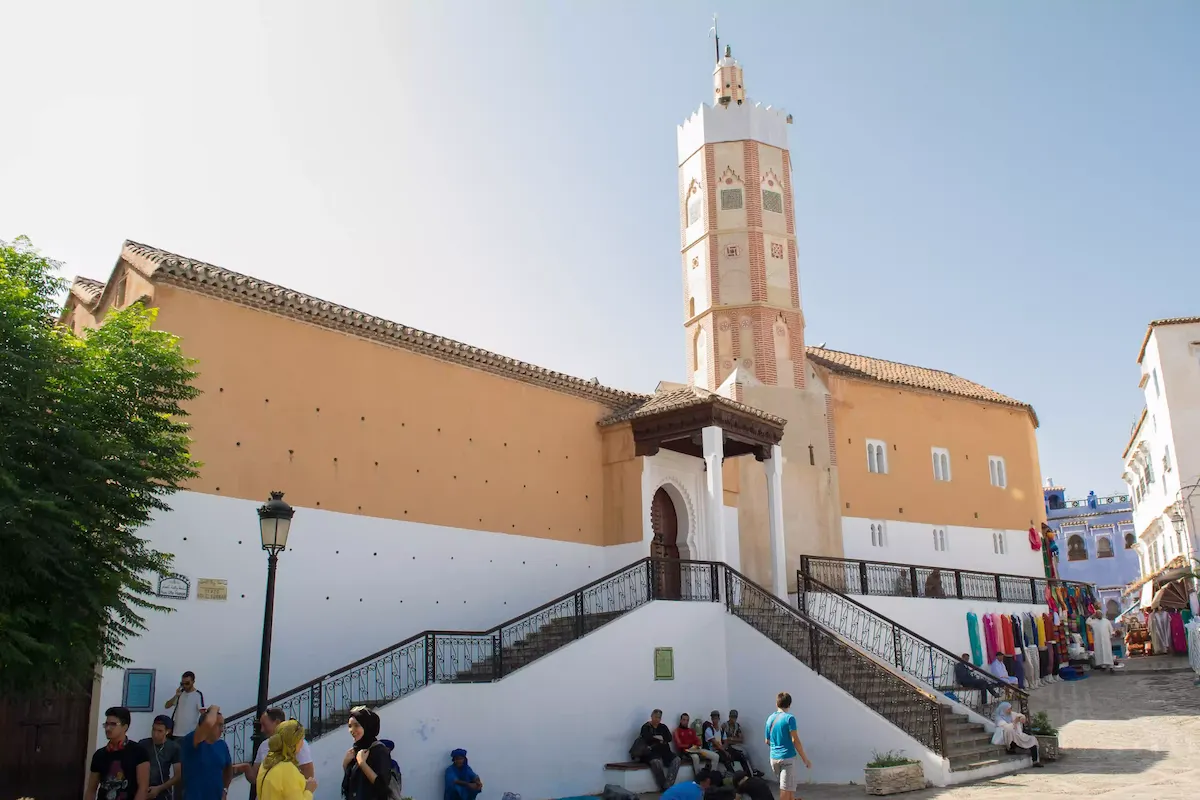
The undisputed centerpiece of the structure is its octagonal minaret. While the vast majority of Moroccan minarets follow the traditional square tower footprint (inspired by the Koutoubia in Marrakech or the Hassan Tower in Rabat), Chefchaouen's minaret features an eight-sided geometry directly influenced by Andalusian designs and northern Spanish bell towers.
-
Craftsmanship: Built from warm reddish-brown earth and brick, it features delicate blind arches (sebka tile motifs), carved stucco, and small arched window apertures.
-
Proportions: Its layered octagonal tiers taper gracefully toward a capped top crowned with a traditional brass finial (jamur).
The Main Portal (Entrance)
The primary entryway facing Place Outa el-Hammam features a classic horseshoe arch encased in a rectangular carved plaster frame (alfiz). Hand-painted zellij tilework decorates the lower borders, welcoming worshippers with traditional calligraphy.
The Courtyard (Sahn) and Prayer Hall
Inside, the mosque centers around an open-air marble courtyard containing a traditional ablution fountain (mida'a) fed by natural mountain springs from the Rif heights. Surrounding the courtyard, the inner prayer hall features rows of carved wooden beams made from aromatic local cedar, supported by heavy white arches that create a tranquil space for contemplation and prayer.
3. Best Monuments & Photo Spots Nearby
While non-Muslims cannot enter the active prayer spaces inside, the exterior of the Grand Mosque and its immediate surroundings offer world-class sightseeing:
-
Place Outa el-Hammam: The vibrant cobbled square directly facing the mosque, filled with outdoor cafes under shady trees, ideal for admiring the minaret while enjoying Moroccan mint tea.
-
The Kasbah Fortress: Positioned directly opposite the mosque, this 15th-century red-brick citadel offers a botanical courtyard and watchtowers with clear, unobstructed views of the mosque’s minaret.
-
The Spanish Mosque Overlook: A 20-minute hike up the eastern hill leads to this historic viewpoint, offering a breathtaking vista of the Grand Mosque rising above the blue rooftops of the entire medina.
4. The Guest Experience
Standing before the Grand Mosque in the center of Place Outa el-Hammam is a deeply atmospheric experience. As morning mist rolls off the surrounding Rif peaks, the warm terracotta hues of the mosque complement the soft pastel blues of the plaza.
[ Early Morning: Quiet Reflection ] ➔ [ Midday: Athan & Plaza Energy ] ➔ [ Evening: Golden Hour & Café Tea ]
Throughout the day, the rhythmic call to prayer (Athan) echoes from the octagonal minaret across the valley, creating a serene soundtrack to everyday medina life. Local elders gather near the entrance in woven wool djellabas, street musicians perform traditional Andalusian lute or Gnawa music in the plaza, and the scent of fresh cedar, baking bread, and mint tea fills the air. It is a place to slow down, observe local rhythms, and appreciate centuries of living cultural tradition.
5. Practical Tips for Visiting
To ensure a respectful and rewarding visit, keep these practical guidelines in mind:
| Category | Practical Recommendation |
| Respecting Prayer Times | Avoid standing directly around the main doors during the five daily prayer calls, especially during Friday midday prayer (Jumu'ah), when worshippers fill the entranceways. |
| Clothing & Dress Code | As this is an active religious area, dress modestly when walking around the perimeter (covered shoulders and knees). |
| Footwear | Wear comfortable walking shoes or sneakers; the surrounding cobblestone square is polished and slightly uneven. |
| Cash & Payments | Nearby cafes and local artisans operate strictly in cash (Moroccan Dirham - MAD). Keep small bills handy for tea and tipping. |
| Navigation | The mosque serves as the primary navigation landmark in Chefchaouen; if you ever get lost in the blue maze, follow downhill paths toward the minaret. |
6. What to DO vs. What NOT to Do
What to DO:
-
DO sit at a rooftop cafe across Place Outa el-Hammam during golden hour to photograph the sun setting behind the minaret.
-
DO pair your visit with a tour of the Kasbah Museum across the plaza to learn more about the Saadian era.
-
DO listen closely to the call to prayer from the square—the acoustics against the mountain wall are remarkable.
-
DO ask for permission before taking close-up photos of worshippers or elders sitting near the mosque steps.
What NOT to Do:
-
NOT attempt to enter the mosque interior unless you are a practicing Muslim (moroccan law strictly reserves active mosque interiors for Muslim worship).
-
NOT block the main entrance doorways with camera tripods or selfie sticks during active prayer times.
-
NOT play loud music or yell in the immediate plaza area surrounding the mosque entrance.
-
NOT climb on historic stone walls or ledges around the mosque perimeter for photos.
7. Best Time to Visit
┌────────────────────────────────────────────────────────────────────────┐
│  BEST TIME OF DAY: Golden Hour (5:00 PM – 7:00 PM)                      │
│  • Soft warm light hits the red-brick minaret against the blue sky.   │
│  BEST SEASON: Spring (March–May) & Autumn (Sept–Nov)                   │
│  • Mild temperatures (20°C–25°C), clear mountain skies, ideal light.  │
└────────────────────────────────────────────────────────────────────────┘
-
Best Time of Day: Late Afternoon / Golden Hour (5:00 PM – 7:00 PM). As the sun dips toward the western hills, warm light illuminates the reddish earth of the octagonal minaret, creating a striking contrast against the blue background.
-
Best Season: Spring (March to May) and Autumn (September to November). During these months, mountain weather is pleasantly warm (20°C to 25°C) and skies are clear, perfect for outdoor exploration and photography.
8. Frequently Asked Questions (FAQ)
Q: Can non-Muslim tourists go inside the Grand Mosque of Chefchaouen?
A: No. Like almost all active mosques in Morocco (with exceptions like the Hassan II Mosque in Casablanca), the interior prayer halls are strictly reserved for Muslim worship. Visitors are welcome to appreciate the exterior architecture, courtyard views from the gates, and minaret from the plaza.
Q: Why is the minaret octagonal instead of square?
A: The octagonal shape reflects direct Andalusian and Moorish architectural influences brought by refugees fleeing southern Spain in the 15th and 16th centuries, inspired by classical Spanish towers.
Q: Is there an admission fee to view the mosque?
A: No, viewing the exterior of the mosque and exploring Place Outa el-Hammam is completely free.
Ready to explore the Grand Mosque of Chefchaouen? Discover it as part of our Morocco Private Tours and experience the beauty, culture, and charm of Morocco.