
Lower Egypt: Location, History, and Top Attractions
A Traveler’s Story: The Green Triangle I Almost Skipped
I had planned my first Egypt trip around the famous names: the pyramids, Luxor, Aswan. Lower Egypt was not on my list. Then a friend in Cairo laughed and said, “You are flying over the most important part of the country.” The next morning, we drove north out of the city, and the desert simply stopped. Fields of clover, rows of date palms and canals shining in the sun spread out as far as I could see.
By the end of the week, I had stood beside the oldest stone pyramid in the world, watched the sun set over the Mediterranean in Alexandria, eaten grilled fish in a harbor café, and wandered through a quiet delta village where a farmer handed me a glass of sweet tea without asking for anything. It was not the Egypt I had imagined, and it was one of the best surprises of my trip.
This guide shares what I wish I had known before I went: where Lower Egypt is, why it matters, what to see, and how to plan a visit that makes sense.
What Is Lower Egypt, and Why Is the Name Confusing?
Lower Egypt is the northern part of the country, where the Nile spreads out into the Delta and flows toward the Mediterranean Sea. It includes Cairo, Giza, Alexandria, the Delta provinces and the area around the Suez Canal. The name sounds like it should refer to the south, but it follows the river: the Nile flows north, so the “lower” part of the river is the northern end, and “Upper Egypt” is the southern part around Luxor and Aswan.
It is the most populated and fertile region of Egypt, and it holds a huge share of the country’s history, from the first pyramids to Greek, Roman, Coptic and Islamic landmarks. For many travelers, it is also the easiest and most varied place to begin a trip.
Quick Facts: Lower Egypt at a Glance
- Location: Northern Egypt, from just south of Cairo to the Mediterranean coast. It covers the Nile Delta, the Giza plateau, Alexandria, Port Said and nearby areas. It sits roughly 1,000 kilometers north of Aswan.
- Opening hours: Most museums and archaeological sites open around 8:00 or 9:00 AM and close between 4:00 and 6:00 PM, with shorter hours in winter and during Ramadan. Markets and cafes stay open late. Hours change, so confirm them before you go.
- Prices: Entrance fees for foreign visitors vary by site, and the Grand Egyptian Museum and the pyramids cost more than smaller sites. A private full-day tour with a guide and transport commonly costs roughly 50 to 150 USD per person, depending on inclusions. Prices and exchange rates change, so treat these as rough guides.
- Duration: Three days covers Cairo, Giza and Saqqara. Five days lets you add Alexandria. A week allows delta towns and the Suez Canal area at a relaxed pace.
- Best time to visit: October to April offers the most comfortable weather. Summer is hot and humid, especially along the coast, though Alexandria is cooler than Cairo.
A Short Background: Where Egypt Began
According to tradition, Egypt was united around 3100 BC when the king of the south conquered the north and founded the first capital near Memphis, close to modern Cairo. From then on, rulers wore a double crown to symbolize the two lands, which is why Egypt was long called the “Two Lands.”
Lower Egypt was the home of the Old Kingdom, when pharaohs built the pyramids at Giza, Saqqara and Dahshur. The Delta was the country’s breadbasket, and ports such as Tanis and Bubastis grew rich on trade. Centuries later, Alexander the Great founded Alexandria in 331 BC, and under the Ptolemies it became a center of learning, famous for its lighthouse and its great library.
The region continued to change under Roman, Coptic, Islamic and Ottoman rule. Cairo grew into one of the world’s great medieval cities, and in 1869 the Suez Canal opened, linking the Mediterranean and the Red Sea. Layer after layer of history still sits side by side here.
What to Expect in Lower Egypt
A busy, lively atmosphere. Cairo is loud, crowded and energetic. Alexandria is calmer and breezier. Delta towns are quiet and rural.
More variety than you expect. One day can include pyramids, a medieval mosque, a Coptic church and a street food lunch.
Heavy traffic. Distances look short on a map, but Cairo traffic can double the travel time. Plan one main area per day.
Friendly attention. Vendors and guides approach visitors near major sights. A polite “no, thank you” and a steady pace work well.
Great food. From koshari and falafel to fresh Mediterranean seafood, the region is a highlight for food lovers.
Mixed comfort levels. Major sites have good facilities, while smaller delta towns have fewer services, so carry water and small bills.
Top Attractions in Lower Egypt
Cairo and Giza
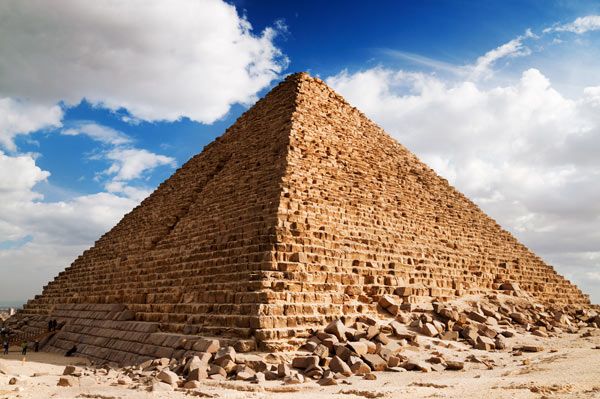
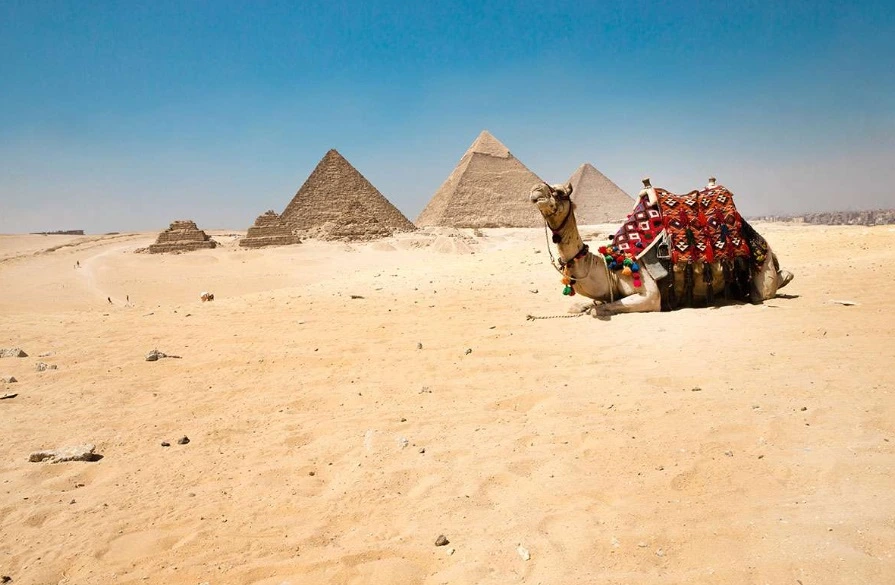
The Pyramids of Giza and the Sphinx. The last surviving wonder of the ancient world. Go at opening time for cooler weather and fewer crowds, and allow three to four hours.
The Grand Egyptian Museum. A vast museum near the pyramids that holds the treasures of Tutankhamun and monumental statues. Allow at least three hours.
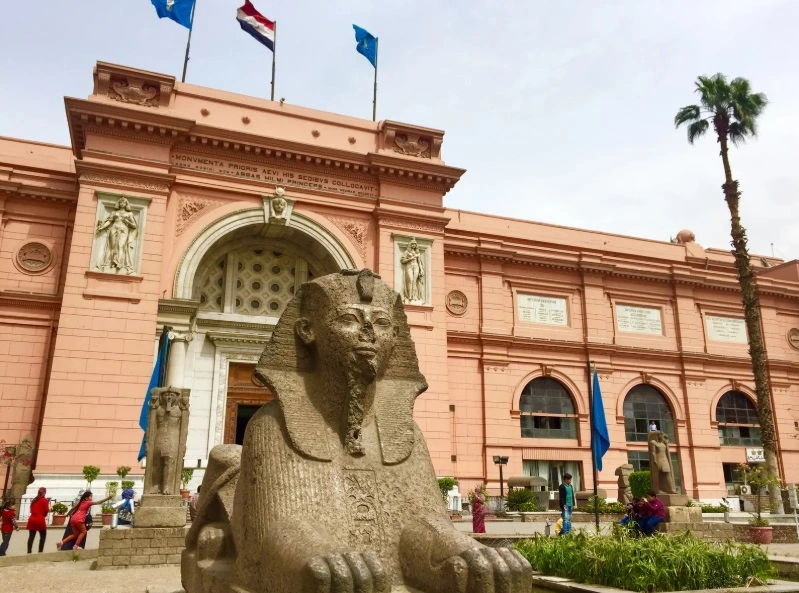
The Egyptian Museum in Tahrir. The historic museum near the Nile, with a huge collection that spans thousands of years. Check its current exhibition status before you go.
Coptic Cairo. A compact area of ancient churches, including the Hanging Church, and narrow lanes that show Egypt’s early Christian heritage.
Islamic Cairo and the Citadel. Medieval mosques, madrasas and the Citadel of Saladin, with sweeping views over the city. Khan el-Khalili bazaar nearby is perfect for souvenirs and tea.
Saqqara, Memphis and Dahshur
Saqqara. Home to the Step Pyramid of Djoser, the oldest large stone building in the world, and tombs with beautifully preserved wall paintings.
Memphis. The first capital of unified Egypt, now a small open-air museum with a colossal statue of Ramesses II.
Dahshur. The Bent Pyramid and the Red Pyramid, often much quieter than Giza, and a good place for travelers who want space and silence.
Alexandria and the Mediterranean Coast
Bibliotheca Alexandrina. A striking modern library built to honor the ancient one, with museums, galleries and a lovely seafront setting.
Qaitbay Citadel. A 15th-century fort on the site of the ancient lighthouse, with sea views and a good place for a sunset walk.
Pompey’s Pillar and the Roman Amphitheater. Remains of Roman Alexandria that show the city’s layered past.
Catacombs of Kom el-Shoqafa. A unusual underground tomb that mixes Egyptian, Greek and Roman styles.
The Corniche and seafood restaurants. A long seafront promenade, with fresh fish served in harbor cafes. It is a relaxed contrast to Cairo.
The Delta and Suez Canal Area
Rosetta (Rashid). A small port town known for Ottoman houses and the place where the famous stone that unlocked hieroglyphs was found.
Tanis and Bubastis. Quiet archaeological sites in the Delta that show the importance of the region in later pharaonic times.
Port Said and the Suez Canal. A coastal city with colonial-era buildings, a ferry across the canal and a view of ships passing through one of the world’s busiest waterways.
Useful Facts: Crowds, Distances, Weather and Timing
Crowds: Giza, the Grand Egyptian Museum and Khan el-Khalili are busiest between 10:00 AM and 2:00 PM and on weekends and holidays. Opening time and late afternoon are quieter. Delta sites and Dahshur are often almost empty.
Distances: Giza is roughly 30 to 60 minutes from central Cairo depending on traffic. Saqqara is about 30 kilometers from Giza, and Dahshur is a little farther. Alexandria is around 220 kilometers from Cairo, about three hours by road or train. Port Said is roughly 200 kilometers east of Cairo.
Weather: Cairo winters are mild, around 15 to 20°C in the day, with cool nights. Alexandria can be windy and rainy in winter. From June to August, Cairo often passes 35°C, while Alexandria stays milder but more humid. Spring and autumn are comfortable almost everywhere.
Tip on timing: Spend mornings at open-air sites and afternoons in museums, cafes or on the seafront, so you avoid the hottest hours.
Practical Travel Tips
- Plan one area per day. Traffic can turn short distances into long journeys.
- Start at opening time. Cooler weather, softer light and fewer visitors make a big difference.
- Hire a licensed guide. At Saqqara and Islamic Cairo in particular, a guide turns stones and facades into stories.
- Take the train to Alexandria. It is comfortable, affordable and avoids road traffic, though a private car gives more flexibility.
- Carry small bills. Tips, taxis and market purchases are easier with small notes.
- Drink bottled water. Carry a refillable bottle and top it up with sealed water.
- Dress modestly. Covering shoulders and knees is respectful, especially in mosques and churches.
- Remove shoes in mosques. Carry socks and a light scarf if you plan to visit several.
- Agree prices in advance. For taxis, rides and souvenirs, confirm the price before you begin.
- Confirm opening hours daily. Special exhibitions, holidays and prayer times can change schedules.
What Travelers Often Say About Lower Egypt
One of our travelers mentioned that they had only planned to see the pyramids and ended up loving Alexandria most. They said the sea breeze, the harbor cafes and the quiet corniche felt like a different country after the intensity of Cairo.
Visitors often say that Saqqara and Dahshur were the biggest surprises, because they offered the same ancient atmosphere as Giza with far fewer people. Another guest told us that having a guide explain the Step Pyramid and the painted tombs made the whole story of ancient Egypt finally make sense.
Several travelers add that the food was a highlight, especially street snacks in Cairo and fresh fish in Alexandria. A common piece of advice from returning visitors is simple: do not treat Lower Egypt as only a stopover. Give it at least four or five days.
Frequently Asked Questions
Where is Lower Egypt?
Lower Egypt is the northern part of the country. It includes Cairo, Giza, Alexandria, the Nile Delta and the Mediterranean coast. It is called “lower” because it is downstream, where the Nile flows north.
Why is Lower Egypt in the north and Upper Egypt in the south?
The names follow the Nile’s flow. The river runs from south to north, so the lower, downstream end is in the north, and the upper, upstream end is in the south.
What are the main cities in Lower Egypt?
Cairo, Giza and Alexandria are the main cities for visitors. Port Said, Tanta, Mansoura and Damietta are important Delta and canal cities that see fewer tourists.
How many days do I need in Lower Egypt?
Three days covers Cairo and Giza. Five days allows you to add Saqqara and Alexandria. A week gives you time for delta towns and the Suez Canal area at a relaxed pace.
What is the best time to visit Lower Egypt?
October to April is the most comfortable period. Summer is hot, though Alexandria is cooler than Cairo thanks to the sea breeze.
What is the difference between Lower and Upper Egypt?
Lower Egypt is the green, densely populated north with the pyramids, Cairo and Alexandria. Upper Egypt is the south, with Luxor, Aswan and many of the great temples and tombs along the Nile.
Is Lower Egypt good for first-time visitors?
Yes. It is easy to reach, offers a wide variety of sights and works well alone or combined with a trip to Luxor and Aswan.
How much does a trip to Lower Egypt cost?
Costs depend on your hotel category, guide and tickets. A guided full-day tour commonly runs 50 to 150 USD per person, while entrance fees and extras are additional. Check current prices before booking.
Is Lower Egypt safe for tourists?
Cairo, Giza and Alexandria are major tourist destinations, with organized services and tourism police around the main sites. As with any destination, check your government’s travel advice, use reputable operators and stay aware of your surroundings.
Ready to Explore Lower Egypt for Yourself?
Lower Egypt is where the story of the country begins, and it is far richer than a quick stop at the pyramids. From the Step Pyramid to the Mediterranean seafront, it rewards travelers who take their time.
If you would like help building a trip that combines Cairo, Giza, Alexandria and beyond, our team at Flying Carpet would be happy to help. You are welcome to explore our Egypt Classic tours on our website and get in touch whenever you are ready to start planning.