
Jebel Shams Muscat – The Grand Canyon of Oman
Introduction
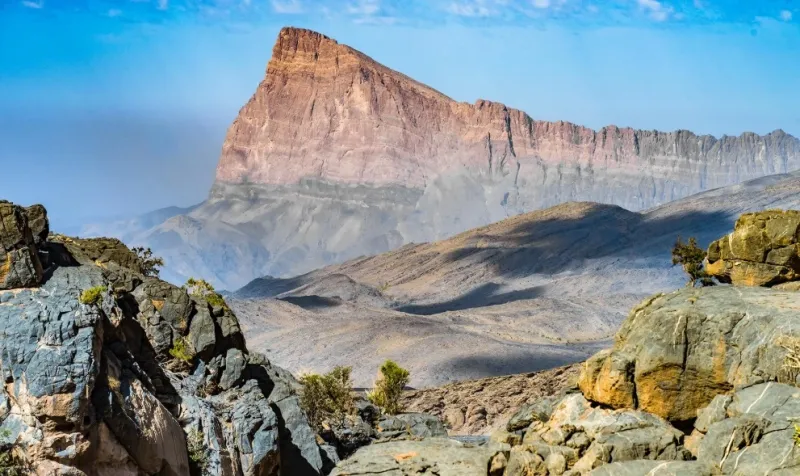
Jebel Shams is the highest mountain in Oman and one of the most spectacular natural attractions in the Arabian Peninsula. Rising to approximately 3,009 meters above sea level, Jebel Shams is part of the majestic Al Hajar Mountains. Although often referred to as “Jebel Shams Muscat” by travelers, the mountain is actually located in the Ad Dakhiliyah region near Nizwa, about 3 hours from Muscat Activities.
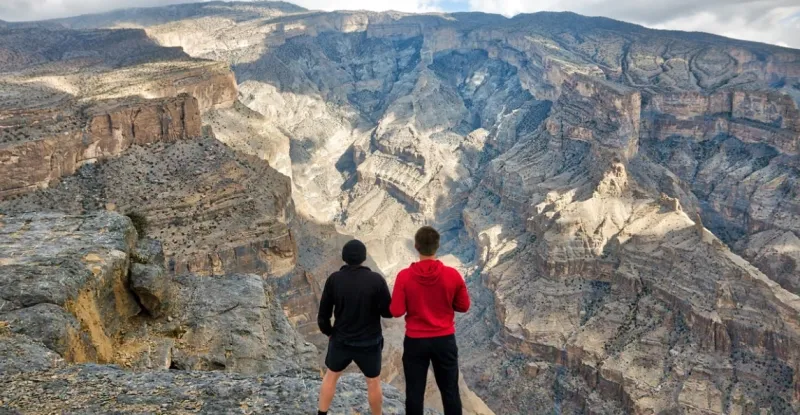
Known as the “Mountain of the Sun,” Jebel Shams is famous for its dramatic canyon views, rugged cliffs, traditional villages, and unforgettable hiking experiences. The mountain overlooks Wadi Ghul, often called the “Grand Canyon of Oman,” due to its vast depth and breathtaking scenery.
For travelers seeking adventure, photography, nature, and authentic mountain culture, Jebel Shams is one of Oman’s most rewarding destinations.
Geography and Landscape
Jebel Shams forms part of the western Al Hajar mountain range. The landscape is dramatic and rugged, shaped by millions of years of tectonic activity and erosion.
Key Geographic Features
-
Elevation: Approximately 3,009 meters
-
Overlooks Wadi Ghul canyon
-
Steep limestone cliffs
-
Rocky plateaus
-
Terraced agricultural villages
The canyon below Jebel Shams drops nearly 1,000 meters in some areas, creating one of the most awe-inspiring landscapes in the Middle East.
Why It Is Called the Grand Canyon of Oman
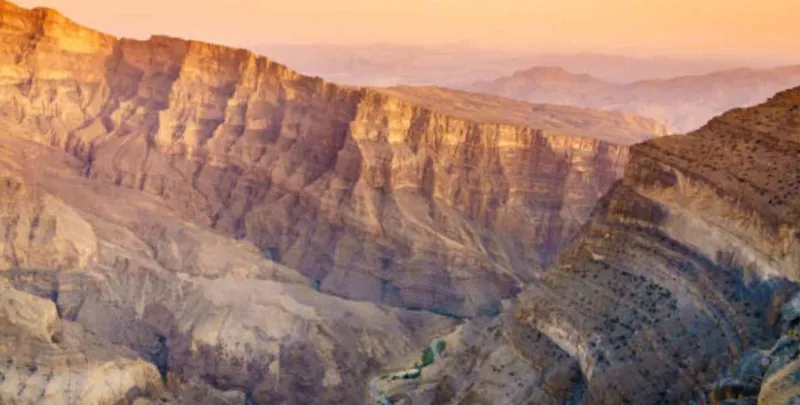
The massive canyon carved into the mountains near Jebel Shams is often compared to the Grand Canyon in the United States. While smaller in scale, it offers equally dramatic views with vertical cliffs and deep ravines.
Standing at the edge of the canyon during sunrise or sunset is one of the most unforgettable experiences in Oman. The changing light creates golden, orange, and pink tones across the mountain walls.
Climate and Weather
Jebel Shams enjoys a cooler climate compared to coastal Oman.
Summer (May–September)
Temperatures range between 20–30°C, making it a perfect escape from the intense heat of Muscat.
Winter (December–February)
Temperatures can drop below freezing at night. Occasionally, frost or even light snowfall occurs at the summit.
Best Time to Visit
October to April offers pleasant hiking conditions and clear skies.
The high altitude makes Jebel Shams ideal for travelers looking to avoid Oman’s desert heat.
History and Cultural Background
Historically, the mountain villages around Jebel Shams were isolated due to difficult access. Local communities relied on agriculture and livestock for survival.
The nearby village of Ghul, located at the canyon’s base, was once an important agricultural settlement. Many abandoned stone houses remain today, offering a glimpse into traditional Omani mountain life.
The region played a role during Oman’s internal conflicts in the mid-20th century, but today it is peaceful and open to tourism.
Hiking Trails and Adventure Activities
Jebel Shams is Oman’s premier hiking destination.
The Balcony Walk
The most famous hiking trail is the Balcony Walk. This moderate trail runs along the canyon edge and offers stunning panoramic views.
-
Duration: 3–4 hours round trip
-
Difficulty: Moderate
-
Suitable for most active travelers
The trail ends near an abandoned village carved into the mountainside.
Summit Trek
Reaching the highest peak requires a guided trek and sometimes special permits, but the reward is panoramic views across northern Oman.
Other Activities
-
Camping under the stars
-
Rock climbing
-
Off-road driving
-
Photography
-
Stargazing
The clear mountain skies make Jebel Shams one of the best places in Oman for night photography.
Traditional Villages Around Jebel Shams
Several villages dot the slopes of Jebel Shams:
Al Hamra
A historic town known for its mudbrick houses and traditional architecture.
Misfat Al Abriyeen
A picturesque mountain village famous for its terraced farms and falaj irrigation systems.
Ghul Village
Located at the base of the canyon, with ancient ruins and stunning viewpoints.
These villages preserve Oman’s heritage and traditional lifestyle.
Accommodation Options
Visitors to Jebel Shams can choose between:
-
Mountain lodges
-
Boutique eco-resorts
-
Traditional guesthouses
-
Camping sites
Many accommodations offer canyon-view terraces where guests can enjoy sunrise and sunset views.
Staying overnight allows travelers to experience the mountain’s peaceful atmosphere and dramatic night skies.
Flora and Fauna
Despite the rugged terrain, Jebel Shams supports a variety of wildlife.
Animals
-
Mountain goats
-
Arabian foxes
-
Birds of prey
-
Reptiles
Plants
-
Juniper trees
-
Wild herbs
-
Seasonal wildflowers
The ecosystem reflects the resilience of life in high-altitude desert environments.
Photography Opportunities
Jebel Shams is a dream location for photographers.
Best photo opportunities include:
-
Sunrise over the canyon
-
Sunset light on limestone cliffs
-
Star trails at night
-
Traditional mountain villages
-
Terraced farms
The dramatic natural lighting makes it one of Oman’s most Instagram-worthy locations.
Travel Tips
-
A 4WD vehicle is recommended
-
Bring warm clothing in winter
-
Wear hiking shoes
-
Carry water and snacks
-
Respect local customs
Due to the altitude, evenings can become very cold even in summer.
How to Reach Jebel Shams from Muscat
The journey from Muscat takes around 3 hours by car.
Route overview:
Muscat → Nizwa → Al Hamra → Jebel Shams mountain road
The final section includes unpaved or steep roads, making a 4WD vehicle highly advisable.
Many visitors combine Jebel Shams with trips to:
-
Nizwa Fort
-
Jebel Akhdar
-
Bahla Fort
-
Wadi Bani Awf
Why Visit Jebel Shams?
Jebel Shams offers:
-
Oman’s highest peak
-
Grand Canyon views
-
Incredible hiking trails
-
Cool mountain climate
-
Authentic village culture
-
Stargazing opportunities
It represents Oman’s wild and untouched beauty.
Cultural Etiquette
While the area is tourist-friendly, it remains culturally traditional. Visitors should:
-
Dress modestly
-
Avoid loud behavior
-
Ask permission before photographing locals
Respect enhances the travel experience.
Conclusion
Jebel Shams Muscat is one of the most extraordinary natural wonders in Oman. As the highest mountain in the country, it offers dramatic canyon landscapes, thrilling hiking trails, cool mountain air, and authentic village culture. Whether you are an adventurer, photographer, or nature lover, Jebel Shams provides a unique and unforgettable experience.
From sunrise over the canyon to stargazing under clear skies, every moment here feels magical. It is a must-visit destination for anyone exploring Oman.
Visit Oman Tour Packages today to discover exclusive Oman travel packages, guided mountain tours, and customized itineraries to Jebel Shams and beyond!