
Wadi Shab Muscat
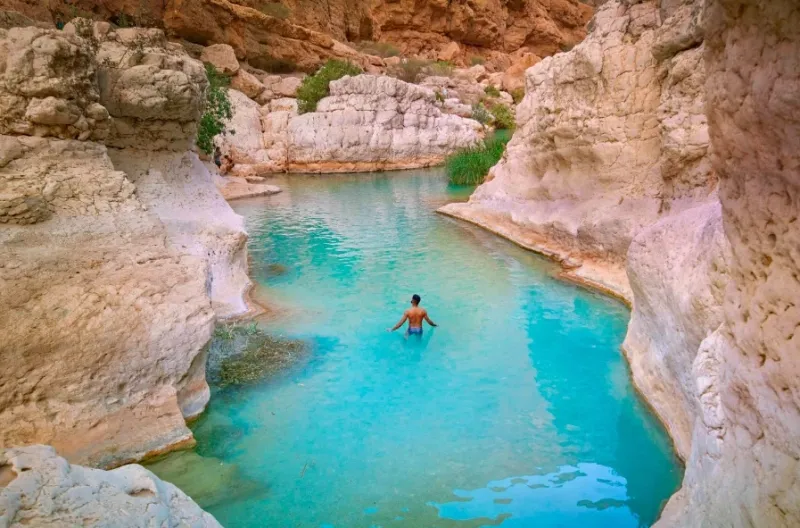
Wadi Shab is one of the most famous natural attractions in Oman, located approximately 140 kilometers southeast of Muscat Activities. Known for its turquoise pools, dramatic canyon cliffs, palm groves, and hidden waterfalls, Wadi Shab is widely regarded as one of the top outdoor destinations in the country.
The name “wadi” refers to a valley or dry riverbed that fills with water seasonally. Wadi Shab, however, contains permanent pools fed by mountain springs, making it a year-round attraction. It combines hiking, swimming, and cave exploration, offering visitors a unique natural adventure experience.
This comprehensive guide provides an in-depth overview of Wadi Shab Muscat, including its geography, history, visitor experience, safety information, and tourism significance.
Geographic Location
Wadi Shab is situated in the Ash Sharqiyah region of northern Oman, along the coastal highway connecting Muscat to Sur. The wadi lies near the town of Tiwi and is surrounded by rugged limestone mountains that form deep canyons.
Coordinates and Access
-
Approximately 1.5–2 hours by car from Muscat
-
Located off the Muscat–Sur coastal road
-
Accessible via a short boat crossing at the entrance
Its proximity to Muscat makes it one of the most popular day-trip destinations from the capital.
Geological Formation
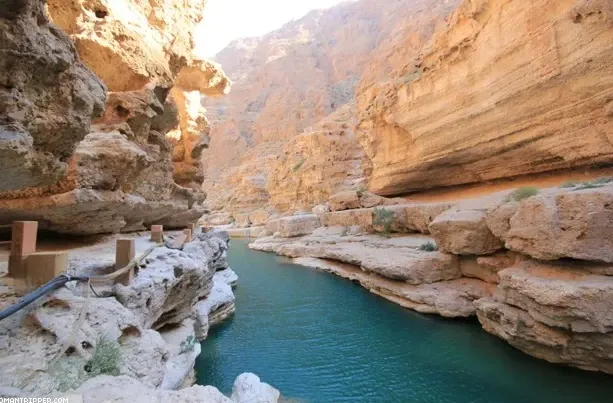
Wadi Shab was formed over thousands of years through erosion caused by seasonal rainfall and mountain runoff. Water carved narrow gorges through limestone rock, creating pools and natural channels.
Key Geological Features
-
Limestone canyon walls
-
Clear freshwater pools
-
Natural caves
-
Rock formations shaped by erosion
The turquoise color of the water is due to mineral composition and sunlight reflection within the canyon walls.
Climate and Best Time to Visit
Oman experiences a desert climate, but the mountainous terrain surrounding Wadi Shab creates a micro-environment.
Winter Season (October–April)
-
Pleasant temperatures
-
Ideal for hiking
-
Comfortable swimming conditions
Summer Season (May–September)
-
High daytime temperatures
-
Early morning visits recommended
Winter is considered the best season for visiting due to moderate weather conditions.
Visitor Experience
Visiting Wadi Shab involves multiple stages, making it an adventurous experience.
1. Boat Crossing
At the entrance, visitors must take a small local boat to cross the shallow water at the mouth of the wadi.
2. Hiking Trail
After crossing, a hiking trail of approximately 40–60 minutes leads through rocky terrain and palm plantations.
The hike includes:
-
Rocky paths
-
Uneven surfaces
-
Gradual elevation
-
Scenic canyon views
3. Swimming Through Pools
The trail eventually ends at the first natural pool. From here, visitors must swim through successive pools to continue deeper into the canyon.
4. Hidden Waterfall Cave
At the end of the swim, adventurous visitors can access a small cave containing a waterfall inside a narrow rock opening. This hidden waterfall is one of Wadi Shab’s most famous features.
Flora and Fauna
The ecosystem of Wadi Shab includes:
Vegetation
-
Date palms
-
Mountain shrubs
-
Seasonal wild plants
Wildlife
-
Small fish species
-
Birds
-
Mountain goats (occasionally visible on cliffs)
The combination of water and vegetation makes Wadi Shab a rare green corridor in Oman’s mountainous landscape.
Tourism Significance
Wadi Shab is considered one of the most photographed natural landmarks in Oman. It is frequently included in travel itineraries alongside:
-
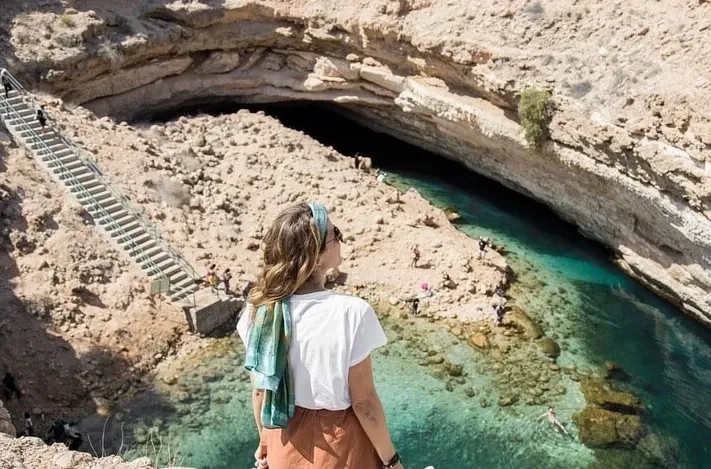
Bimmah Sinkhole
-
Sur
-
Wahiba Sands
Its accessibility and scenic beauty make it suitable for both domestic and international tourists.
Safety Considerations
While Wadi Shab is generally safe, visitors should observe precautions:
-
Wear proper footwear
-
Avoid visiting during heavy rainfall
-
Be cautious when swimming
-
Supervise children closely
-
Follow local safety guidance
Flash floods can occur in wadis after significant rainfall, so checking weather conditions is important.
Cultural Etiquette
Visitors should respect local customs:
-
Wear modest swimwear
-
Avoid littering
-
Respect local residents
-
Maintain cleanliness
Oman places strong emphasis on preserving natural heritage.
Infrastructure and Facilities
Facilities near Wadi Shab include:
-
Parking area
-
Small refreshment stalls
-
Boat operators
-
Basic rest areas
However, there are no extensive commercial developments within the canyon itself.
Photography and Media
Wadi Shab has gained international recognition through:
-
Travel blogs
-
Social media platforms
-
Tourism campaigns
The contrast between desert mountains and emerald pools makes it visually distinctive.
Environmental Preservation
Omani authorities encourage sustainable tourism practices:
-
No littering
-
No graffiti
-
Avoid damaging vegetation
-
Respect wildlife
Maintaining the ecological balance ensures long-term preservation.
Comparison with Other Omani Wadis
Oman has several famous wadis, including:
-
Wadi Bani Khalid
-
Wadi Tiwi
While Wadi Bani Khalid offers larger open pools and easier access, Wadi Shab is known for its canyon hike and hidden cave waterfall.
Accessibility and Transportation
Visitors typically reach Wadi Shab by:
-
Rental car
-
Guided tour
-
Private transfer
A 4x4 vehicle is not mandatory but can be helpful for exploring surrounding areas.
Economic Impact
Tourism at Wadi Shab supports:
-
Local boat operators
-
Small vendors
-
Regional tourism businesses
-
Transportation services
This contributes to sustainable local economic development.
Family Suitability
Wadi Shab can be suitable for families with older children who are comfortable with hiking and swimming.
However, younger children may find the terrain challenging.
Adventure Tourism
Wadi Shab is part of Oman’s broader adventure tourism appeal, which includes:
-
Mountain trekking
-
Desert safaris
-
Snorkeling
-
Cave exploration
It provides a balanced combination of moderate physical activity and scenic relaxation.
Travel Itinerary Integration
A typical day-trip itinerary from Muscat may include:
-
Morning drive to Wadi Shab
-
Hike and swim exploration
-
Lunch stop in Sur
-
Visit to Bimmah Sinkhole
-
Return to Muscat
This route offers coastal and mountain scenery.
Cultural and Natural Balance
Wadi Shab exemplifies Oman’s tourism philosophy: blending cultural heritage with natural preservation. Unlike heavily commercialized natural attractions, Wadi Shab retains its raw landscape and authenticity.
Conclusion
Wadi Shab Muscat stands as one of Oman’s most iconic natural destinations. With its turquoise pools, dramatic canyon landscapes, and hidden waterfall cave, it offers a unique combination of hiking, swimming, and exploration. Its proximity to Muscat and accessibility make it one of the top outdoor attractions in the country.
For visitors seeking nature, adventure, and scenic beauty, Wadi Shab provides an unforgettable experience in the heart of Oman’s rugged terrain.
Ready to explore Wadi Shab and Oman’s breathtaking landscapes?
Visit Oman Tour Packages today to book guided Wadi Shab tours, customized Oman travel packages, and complete adventure itineraries designed just for you. Let us help you experience the best of Oman with expert planning and unforgettable journeys