
The Ubar, often called the “Lost City of Ubar” or the “Atlantis of the Sands,” is one of the most fascinating archaeological mysteries in the Arabian Peninsula. Hidden for centuries beneath the vast sands of the Rub' al Khali, this ancient city has captured the imagination of explorers, historians, and travelers alike.
Located in southern Oman, near the Dhofar region, Ubar is believed to have been a wealthy trading hub that flourished due to its control over the lucrative frankincense trade. Today, the rediscovered ruins at Shisr provide a glimpse into a lost civilization that once thrived on the edge of the desert.
The Legend of Ubar
The story of Ubar dates back thousands of years and is deeply rooted in Arabian traditions and ancient texts. It is often associated with the legendary city of Iram of the Pillars, described as a magnificent city built with towering columns and immense wealth.
According to legend:
- Ubar was inhabited by a powerful and prosperous tribe
- The city became arrogant and turned away from moral values
- As punishment, it was swallowed by the desert, disappearing without a trace
This dramatic narrative has led many to compare Ubar to mythical lost cities like Atlantis, strengthening its reputation as one of the greatest desert legends.
Historical Background
While the legend of Ubar is captivating, archaeological evidence suggests that the site at Shisr was indeed a significant settlement.
Frankincense Trade Hub
Ubar’s importance was largely tied to the ancient frankincense trade, which connected southern Arabia with major civilizations such as:
- Ancient Egypt
- The Roman Empire
- Mesopotamia
- India
Frankincense, harvested from trees in the Dhofar region, was highly valued for religious rituals, perfumes, and medicine. Caravans transported this precious resin across vast desert routes, and Ubar is believed to have been a key stop along these networks.
Rediscovery of the Lost City
For centuries, Ubar remained hidden beneath the desert sands, its existence debated by scholars and explorers. The modern rediscovery of the site is a fascinating story.
In the late 20th century:
- Satellite imagery helped identify ancient caravan routes
- Archaeologists located a promising site at Shisr
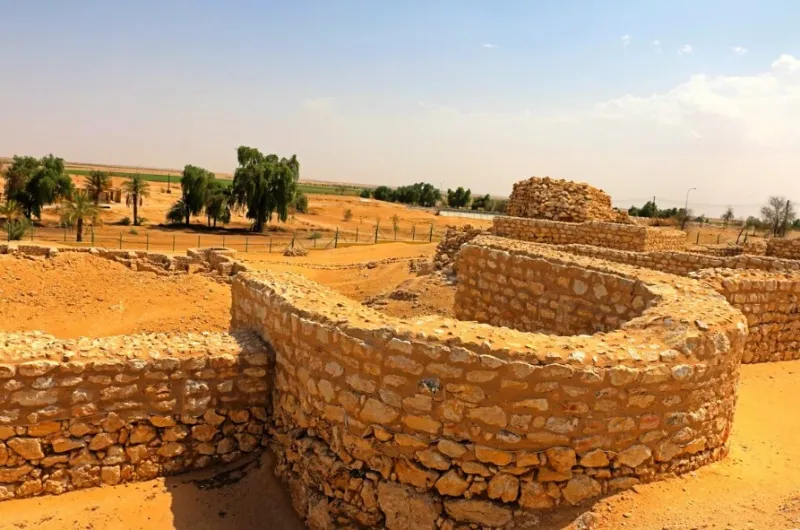
- Excavations revealed the remains of a fortified settlement
The discovery gained global attention, especially with the involvement of explorer Ranulph Fiennes, who helped bring international recognition to the site.
Archaeological Discoveries
Excavations at Shisr uncovered several important features supporting its connection to Ubar.
Fortified Structure
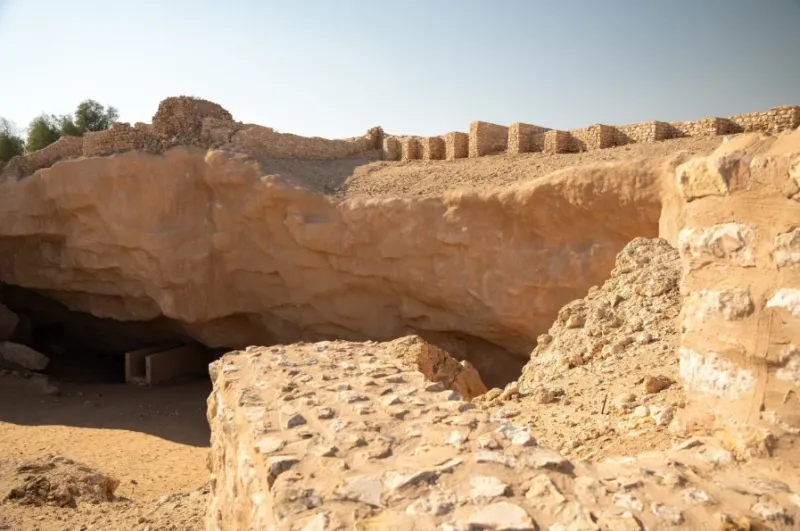
The remains of an octagonal fortress indicate that the site was strategically important and well-defended.
Caravan Routes
Evidence shows that multiple trade routes converged at the site, confirming its role as a commercial center.
Sinkhole Collapse
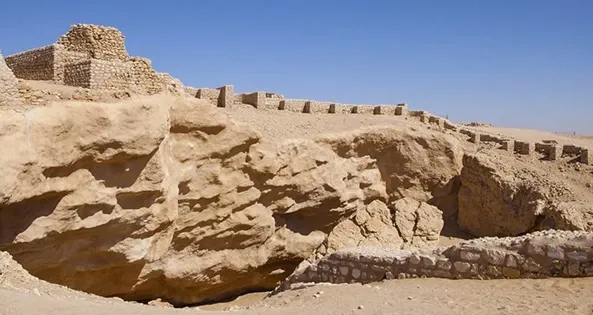
One of the most striking discoveries is a large sinkhole beneath the fortress. This geological collapse may have contributed to the city’s destruction, aligning with the legend of it being swallowed by the earth.
Artifacts
Archaeologists found pottery, incense burners, and tools that date back thousands of years, offering insight into daily life and trade.
Geography and Environment
The Lost City of Ubar lies on the edge of the Rub' al Khali, the largest continuous sand desert in the world. This extreme environment played a key role in both the city’s rise and its eventual decline.
Key Features
- Endless sand dunes stretching for miles
- Harsh climate with extreme temperatures
- Scarce water sources
Despite these challenges, the presence of a water source at Shisr likely made it a crucial stop for caravans.
Ubar and the Empty Quarter
The Rub' al Khali is one of the most inhospitable regions on Earth, yet it holds immense historical importance.
Caravans crossing this desert relied on:
- Knowledge of routes and navigation
- Access to wells and oases
- Strong camels capable of long-distance travel
Ubar’s location allowed it to control access to these routes, making it a vital economic center in ancient Arabia.
Cultural and Religious Significance
The story of Ubar is deeply connected to cultural and religious traditions.
In Islamic Tradition
The city is often linked to Iram, a powerful civilization said to have been destroyed due to its corruption and arrogance.
In Folklore
Local legends speak of a grand city buried beneath the sands, filled with treasures and secrets.
This combination of history and myth adds to the enduring mystery of Ubar.
Visiting the Lost City of Ubar Today
Today, the archaeological site at Shisr is open to visitors, offering a unique opportunity to explore one of Oman’s most intriguing destinations.
What to Expect
- Ruins of an ancient fortress
- Informational displays explaining the site’s history
- Vast desert landscapes surrounding the ruins
Nearby Attractions
- Frankincense trees in the Dhofar region
- Desert safari experiences in the Empty Quarter
- Cultural tours in nearby areas
Activities and Experiences
Visiting Ubar is not only about history but also about adventure.
Desert Safari
Explore the dunes of the Empty Quarter with experienced guides.
Photography
Capture the dramatic scenery where ancient ruins meet endless sand.
Cultural Exploration
Learn about the traditions and heritage of southern Oman.
Stargazing
Enjoy clear desert skies perfect for observing stars.
Best Time to Visit
The best time to visit the Lost City of Ubar is during the cooler months:
- October to April: Ideal for exploration and outdoor activities
- Summer months: Very hot, but less crowded
Travel Tips
- Use a 4x4 vehicle for desert travel
- Carry sufficient water and sun protection
- Travel with a guide for safety
- Respect the historical significance of the site
Why the Lost City of Ubar Matters
The Lost City of Ubar represents a powerful blend of myth and reality. It symbolizes:
- Ancient trade networks
- Human survival in extreme environments
- The lasting power of legend
Whether seen as a historical settlement or a mythical city, Ubar continues to inspire curiosity and exploration.
Conclusion
The Lost City of Ubar is more than just an archaeological site—it is a journey into the mysteries of the desert and the rich heritage of Oman. From its legendary origins to its rediscovery in modern times, Ubar offers a unique travel experience unlike any other.
Standing at the edge of the Empty Quarter, visitors can imagine the caravans that once crossed this land, carrying precious goods and connecting distant civilizations.
Ready to explore the Lost City of Ubar?
Visit our Salalah Activitiestoday to book your unforgettable desert adventure. Discover ancient history, explore hidden ruins, and experience Oman Tour Packages with our expertly guided tours.