
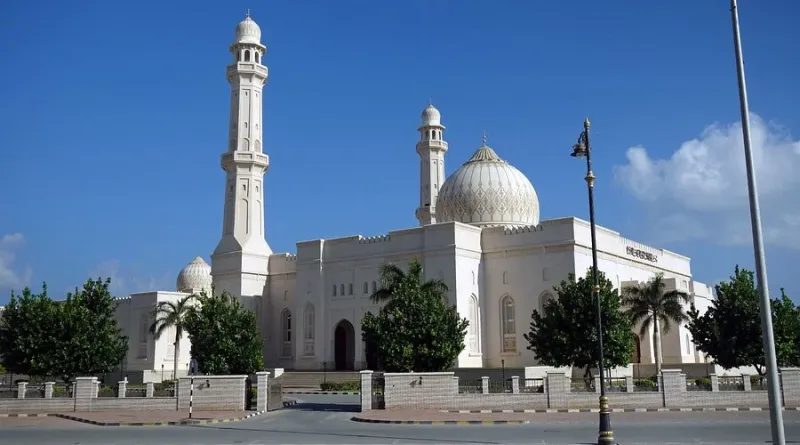
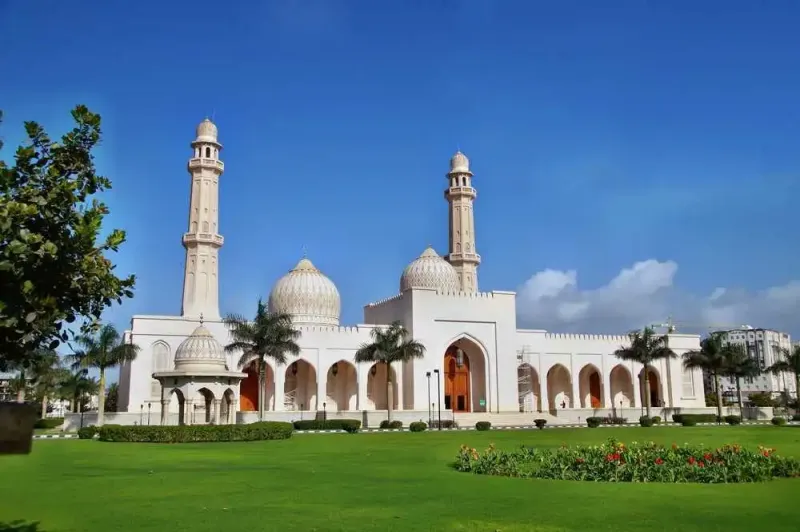
Sultan Qaboos Mosque, located in the heart of Salalah in the Dhofar Governorate of the Sultanate of Oman, stands as one of the most significant religious, cultural, and architectural landmarks in southern Oman. Named in honor of the late Sultan Qaboos bin Said Al Said, the mosque embodies a fusion of traditional Islamic artistry and modern Omani design. It is both a place of deep spiritual worship and a must-visit destination for travelers exploring the cultural heritage of Oman.
Overview and Significance
Sultan Qaboos Mosque in Salalah is widely recognized as the largest mosque in the city and one of the most prominent in the Dhofar region. It serves as a major center for daily prayers, Friday sermons, and religious gatherings for local Muslims, while also attracting visitors from around the world who are drawn to its architectural beauty, cultural significance, and peaceful ambience.
The mosque symbolically honors Sultan Qaboos bin Said — the longest-serving ruler in the history of modern Oman — who oversaw transformative development across the country during his reign from 1970 to 2020. The mosque’s name underscores his legacy of promoting education, faith, and national identity.
Location and Accessibility
Salalah, the capital of Oman’s southern Dhofar Governorate, is a coastal city known for its lush landscapes, particularly during the annual Khareef (monsoon) season. The Sultan Qaboos Mosque is centrally positioned on 23rd July Street, making it easily reachable by car, taxi, or city bus from most parts of Salalah. Its prominent location ensures visitors can combine a visit with other nearby attractions such as local markets, parks, and cultural landmarks.
Historical Context
While the most globally famous Sultan Qaboos Grand Mosque is in Muscat — completed in 2001 and renowned for its grand scale and artistry — the Salalah mosque reflects the broader influence of Sultan Qaboos’s vision throughout the Sultanate. Multiple mosques across Oman carry his name, including major ones in Muscat, Sohar, and Al-Buraimi, each serving local communities while preserving Islamic traditions and architectural excellence.
Unlike the Muscat mosque, which was conceived as a national flagship religious monument, the Sultan Qaboos Mosque in Salalah was developed to meet the spiritual needs of the Dhofar community and to provide a cultural focal point for the city. Its design draws inspiration from classical Islamic motifs while integrating elements that reflect the unique environmental and cultural setting of southern Oman.
Architecture and Design
Exterior Design
The Sultan Qaboos Mosque in Salalah stands out for its striking Islamic architectural style, which incorporates both traditional and contemporary design elements. The exterior is distinguished by:
-
Elegant domes rising above the prayer halls, often painted in shades of green or gold and crowned with crescent finials — a classic symbol in Islamic architecture.
-
Twin symmetrical minarets that enhance the mosque’s skyline presence.
-
Grand archways and entrances framed with intricate stone patterns, reflecting the fusion of Arabesque art with local design sensibilities.
-
Landscaped gardens and walkways that offer peaceful surroundings for reflection before entering the prayer areas.
The white marble and stone façade glimmers under the Omani sun, creating a serene and welcoming visual impression for both worshippers and sightseers.
Interior Features
The interior of Sultan Qaboos Mosque embodies Islamic artistry, spiritual tranquility, and functional design:
Prayer Hall
The main prayer hall is a spacious and luminous area designed to accommodate large congregations. It is characterized by:
-
Large crystal chandeliers that hang from the ceiling, providing warm, reflective light and a sense of spiritual calm.
-
Handwoven carpets in shades of green and traditional patterns, offering comfort for worshippers and symbolizing harmony with nature.
-
Detailed geometric and floral motifs on walls and arches, showcasing classical Islamic ornamentation that resonates with centuries-old architectural traditions.
The prayer hall is designed to support regular five daily prayers, Friday congregational (Jumu’ah) services, and additional Ramadan and Eid prayers, reflecting the mosque’s central role in community life.
Spiritual and Cultural Role
Sultan Qaboos Mosque functions primarily as a place of worship and devotion. Daily prayer services, spiritual lectures, and community gatherings are integral to the mosque’s calendar. Its open and inclusive atmosphere fosters a deep sense of connection among worshippers and visitors alike.
In addition to its religious functions, the mosque is a cultural bridge for visitors interested in learning about Islamic beliefs, Omani tradition, and architectural heritage. For many travelers, a visit offers insight into local customs, including:
-
Respectful dress codes for both Muslim and non-Muslim visitors.
-
Etiquette for entering prayer spaces and communal areas.
-
Understanding the role of mosques in daily life and community organization in Oman.
Visitor Guidelines, Dress Code & Etiquette
Visiting Hours
Non-Muslim visitors are generally welcome to tour Sultan Qaboos Mosque in Salalah Saturday to Thursday from 08:00 to 11:00 AM, with access often restricted during Friday congregational prayers.
Dress Code
Visitors must dress modestly to enter the mosque grounds:
-
Men: Long trousers and shirts with sleeves.
-
Women: Clothing that covers arms and legs, with a headscarf required to cover hair.
-
Headscarves and modest clothing are often available for visitors at mosque entrances.
Etiquette
-
Remove footwear before entering the prayer hall.
-
Photograph respectfully, avoiding images of worshippers during prayer.
-
Observe silence and reverence inside the prayer spaces.
Children under a certain age may be restricted from some areas during peak prayer times.
Visiting a mosque respectfully not only honors local customs but enriches the travel experience by creating a deeper understanding of Oman’s religious and social fabric.
Architectural and Artistic Highlights
One of the most captivating aspects of Sultan Qaboos Mosque is how it blends Islamic architectural principles with local Omani motifs:
Islamic Design Principles
Islamic architecture emphasizes:
-
Symmetry and balance
-
Geometric and arabesque patterns
-
Innovative use of light and shadow
-
Integration of nature through landscaped courtyards
These principles are evident in the mosque’s design, creating visual harmony that enhances spiritual reflection.
Cultural Motifs and Local Influence
While rooted in classical Islamic aesthetics, the Salalah mosque incorporates elements from Omani culture, such as:
-
Calligraphy inspired by Qur’anic verses
-
Patterns reflecting desert and oasis landscapes
-
Craftsmanship reflecting regional artisanship
These features celebrate the unity between spiritual purpose and cultural identity.
Comparisons With Other Sultan Qaboos Mosques
While this article focuses on the Salalah mosque, it is helpful to understand how it fits within the broader context of mosques named after Sultan Qaboos across Oman:
Muscat: Sultan Qaboos Grand Mosque
The Sultan Qaboos Grand Mosque in Muscat is the national flagship and largest mosque in Oman. It is renowned for:
-
Capacity for 20,000 worshippers.
-
A 14-meter Swarovski chandelier and expansive handwoven Persian carpet.
-
Extensive courtyards, gardens, and detailed architectural motifs that attract global visitors.
Sohar & Al-Buraimi Mosques
Other Sultan Qaboos bridges include mosques in Sohar and Al-Buraimi:
-
Sohar mosque — A modern Friday mosque with multiple domes and intricate interior design.
-
Al-Buraimi mosque — A regional mosque serving local worshippers.
Each of these reflects the continuity of mosque construction under Sultan Qaboos’s influence while responding to local needs.
Visiting While Exploring Salalah
A visit to Sultan Qaboos Mosque is often part of a larger itinerary in Salalah, which includes:
-
Al-Husn Palace
-
Salalah Central Market
-
Beaches and coastal sites
-
Seasonal Khareef landscapes
This makes the mosque an important cultural anchor within a broader travel experience.
Conclusion
Sultan Qaboos Mosque in Salalah is more than a place of worship — it is a testament to Omani heritage, Islamic architectural beauty, and the legacy of a visionary leader. From its grand exterior domes and graceful interiors to the peaceful gardens and welcoming atmosphere, the mosque invites reflection, admiration, and cultural appreciation. Whether you come as a pilgrim or as a traveler seeking understanding, Sultan Qaboos Mosque remains an unforgettable highlight of Oman’s southern jewel, Salalah. Let’s discover Sultan Qaboos Mosque through Salalah City Tour.