
Mevlana Museum: A Spiritual Journey into the Heart of Konya
“I still remember the peaceful feeling I had the moment I entered the museum courtyard. The sound of soft prayers in the background, the elegant turquoise dome rising above the complex, and the calm atmosphere made the experience unforgettable. It felt different from any museum I had visited before. This was not only a historical site—it was a place filled with spirituality, poetry, and emotion. Walking through the halls where the teachings of Rumi still inspire millions around the world was deeply moving.”
What Is the Mevlana Museum?
The famous Mevlana Museum is one of the most important cultural and spiritual landmarks in Turkey. Located in the city of Konya, the museum was originally a dervish lodge and the resting place of the renowned poet and philosopher Jalal ad-Din Rumi, also known as Mevlana.
Today, the museum attracts visitors from all over the world who come to learn about Sufism, admire Ottoman architecture, and experience the peaceful atmosphere connected to Rumi’s teachings of love and tolerance.
Quick Facts About Mevlana Museum
| Information | Details |
|---|---|
| Location | Konya, Central Turkey |
| Famous For | Tomb of Rumi |
| Opening Hours | Daily |
| Entrance Fee | Usually free |
| Suggested Visit Duration | 1–2 hours |
| Best Time to Visit | Spring and autumn |
| Nearest Airport | Konya Airport |
| Atmosphere | Spiritual and peaceful |
History and Background
The origins of the Mevlana Museum date back to the 13th century. After the death of Rumi in 1273, his followers built a mausoleum over his grave. Over time, the complex expanded into a large religious center for the Mevlevi Order, also known as the Whirling Dervishes.
Rumi’s teachings focused on love, peace, spiritual understanding, and unity among people. His poetry became internationally celebrated and remains influential centuries later.
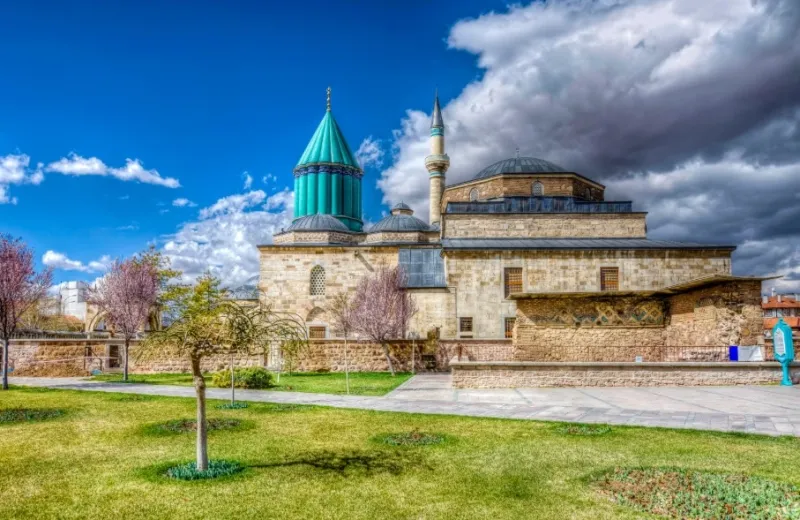
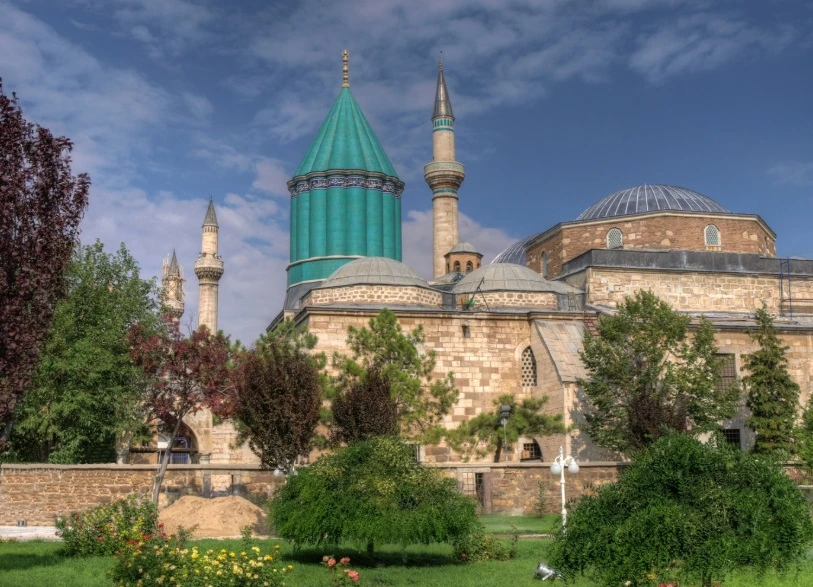
The museum contains manuscripts, musical instruments, prayer rooms, and artifacts connected to the Mevlevi tradition. The iconic turquoise dome above Rumi’s tomb became one of the symbols of Konya.
In the 20th century, the lodge was transformed into a museum, allowing visitors from around the world to experience its rich spiritual heritage.
What to Expect During Your Visit
Visiting the Mevlana Museum is unlike visiting a typical historical attraction. The experience is deeply emotional and reflective.
The Main Courtyard
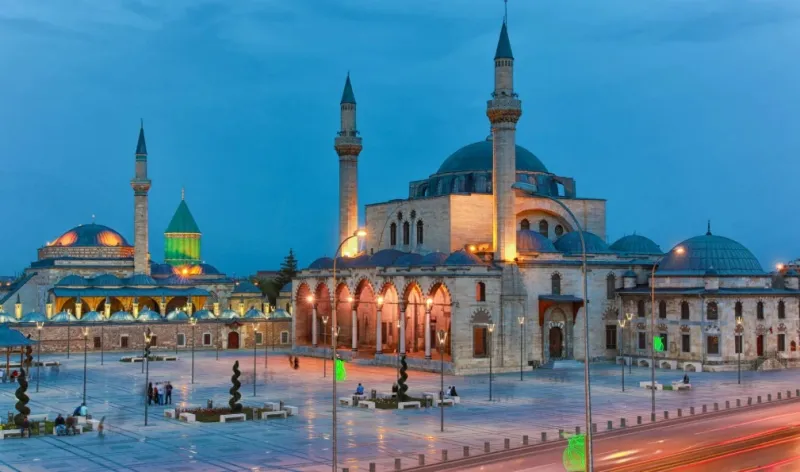
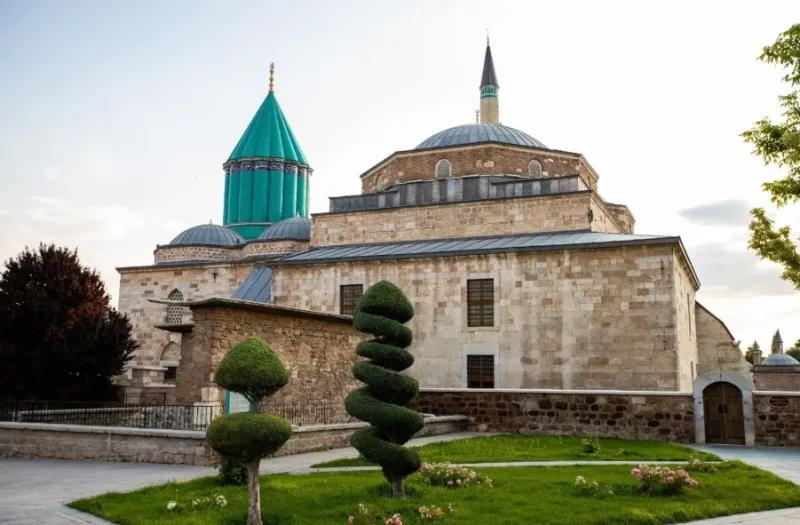
The peaceful courtyard welcomes visitors with fountains, gardens, and traditional Ottoman design. Many travelers spend time here simply enjoying the calm atmosphere.
Rumi’s Tomb
The highlight of the museum is the tomb of Rumi, located beneath the famous turquoise dome. Visitors often lower their voices out of respect as they enter the sacred area.
Dervish Rooms
The former living quarters of the dervishes now display historical objects, clothing, manuscripts, and information about daily spiritual life.
Calligraphy and Artifacts
Beautiful Islamic calligraphy and ancient religious texts are displayed throughout the museum, showcasing the artistic traditions of the era.
Spiritual Atmosphere
Even travelers with little knowledge of Sufism often describe feeling a sense of peace inside the museum.
Why the Mevlana Museum Is So Important
The Mevlana Museum is not simply a tourist attraction. It is considered one of the most important spiritual centers in Turkey.
Cultural Importance
- Preserves the legacy of Rumi
- Represents centuries of Sufi tradition
- Symbol of tolerance and spirituality
Architectural Importance
- Ottoman and Seljuk influences
- Famous turquoise dome
- Elegant courtyards and interiors
Emotional Experience
- Quiet and reflective atmosphere
- Inspiring for many visitors
- Unique combination of culture and spirituality
Facts About the Place
Crowds
The museum is one of the most visited attractions in Konya. It can become busy during weekends and religious holidays, especially during the annual Whirling Dervishes Festival in December.
Distances
- Around 20 minutes from Konya Airport
- Easily accessible from the city center
- Often included in Central Turkey tours
Weather
Spring
Pleasant temperatures and blooming gardens.
Summer
Warm and sunny, but manageable.
Autumn
Cooler weather and fewer crowds.
Winter
Cold but atmospheric, especially during festival season.
Best Time to Visit
The ideal months to visit are April, May, September, and October when temperatures are comfortable and crowds are lighter.
December is also popular because of the annual ceremonies honoring Rumi’s passing, known as “Seb-i Arus,” or the Wedding Night Ceremony.
Practical Travel Tips
Dress Respectfully
As the museum has spiritual significance, modest clothing is recommended.
Visit Early
Morning visits are usually quieter and more peaceful.
Remove Noise
Visitors are encouraged to speak softly and respect the calm environment.
Take Your Time
The museum is not large, but the experience is more meaningful when explored slowly.
Combine with Other Attractions
Konya also offers beautiful mosques, local markets, and traditional Turkish cuisine.
Real Traveler Insights
“One of our travelers mentioned that the Mevlana Museum felt more like a spiritual retreat than a museum.”
“Visitors often say they leave feeling calmer and emotionally connected to Rumi’s message of love and peace.”
Another traveler shared:
“The atmosphere inside the tomb area was incredibly moving. Even with many visitors around, the place still felt peaceful.”
Exploring the Spiritual Legacy of Rumi
Rumi is one of the most beloved poets in history. His words about love, humanity, and spirituality continue to inspire millions worldwide.
Some visitors arrive knowing little about him but leave deeply curious to learn more. The museum serves as both a cultural center and a gateway into Rumi’s philosophy.
Architecture and Design
The Mevlana Museum combines simplicity and elegance.
The Turquoise Dome
The iconic dome is visible from different parts of Konya and remains one of Turkey’s most recognizable landmarks.
Interior Decoration
Inside the museum, visitors will find:
- Ottoman details
- Islamic calligraphy
- Wooden craftsmanship
- Historical carpets and textiles
Photography at the Museum
Photography is allowed in many areas, though some sacred sections may have restrictions.
Best photo opportunities include:
- The turquoise dome
- Courtyard fountains
- Traditional architecture
- Evening lighting outside the complex
Nearby Attractions in Konya
Visitors often combine the museum with nearby attractions such as:
- Alaeddin Hill
- Konya Archaeological Museum
- Traditional Turkish bazaars
- Local restaurants serving Konya cuisine
Family-Friendly Experience
The museum is suitable for families, solo travelers, couples, and cultural enthusiasts.
Children may enjoy:
- Open courtyards
- Historical displays
- The peaceful gardens
Adults often appreciate:
- The spiritual atmosphere
- Historical depth
- Beautiful architecture
FAQ Section
Where is the Mevlana Museum located?
It is located in Konya, Central Turkey.
Who was Mevlana Rumi?
Rumi was a famous poet, philosopher, and spiritual teacher of the 13th century.
How long should I spend at the museum?
Most visitors spend between 1 and 2 hours.
Is there an entrance fee?
The museum is often free to enter.
Can non-Muslims visit?
Yes, visitors of all backgrounds are welcome.
What is the best time to visit?
Spring and autumn are ideal due to pleasant weather.
Is photography allowed?
Yes, in most areas.
Final Thoughts
The extraordinary Mevlana Museum is far more than a museum. It is a place where history, spirituality, poetry, and culture come together in a truly unforgettable way.
Whether you are interested in architecture, history, religion, or simply searching for a peaceful experience, the Mevlana Museum offers something meaningful for every traveler.
Walking through its halls allows visitors to connect with the timeless message of Rumi—a message centered on love, kindness, and human connection.
Discover the spiritual beauty of the Mevlana Museum through our Turkey Tour Packages and let us help you create a memorable journey across Turkey filled with culture, history, and unforgettable experiences.