
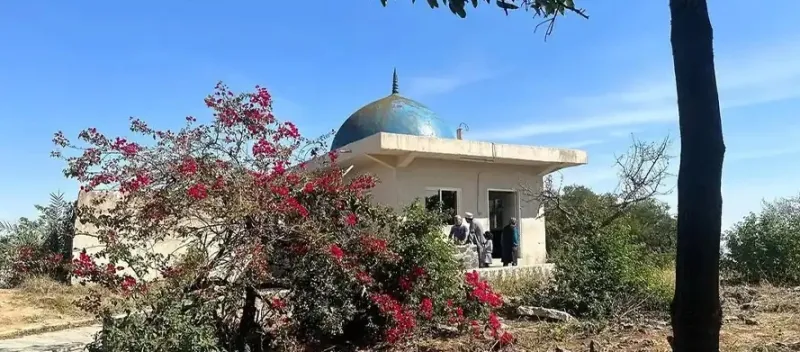
Tombs in Salalah: Discover the Ancient Heritage of Dhofar, Oman
The southern city of Salalah is widely known for its green mountains, monsoon rains, and pristine beaches. But beyond its natural beauty lies a deeply rooted historical treasure: the ancient tombs in Salalah and across the Dhofar region.
These tombs are more than stone structures — they are powerful symbols of faith, trade, civilization, and legends passed down through centuries. From prophet tombs to archaeological burial sites, Salalah offers a unique spiritual and historical journey that attracts visitors from around the world.
In this complete guide, we explore the most famous tombs in Salalah, their historical background, cultural significance, and why they remain an essential part of Oman’s heritage.
The Historical Importance of Tombs in Salalah
Located in southern Oman, the Dhofar region has long been a crossroads of trade and civilization. Ancient frankincense routes connected Oman to Africa, Asia, and Europe. With trade came migration, religious influence, and settlement.
As a result, Salalah became home to several tombs believed to belong to prophets, scholars, and respected religious figures. These sites hold deep spiritual significance and remain important pilgrimage destinations.
Famous Tombs in Salalah
1. Tomb of Prophet Ayoub (Job)
One of the most visited religious sites in Dhofar is the Tomb of Prophet Ayoub, located in the mountains north of Salalah.
Why It’s Important
Prophet Ayoub (known as Job in the Bible) is revered in Islamic, Christian, and Jewish traditions. According to local belief, he endured illness and hardship in this region before being healed by divine mercy.
What to Expect
-
Mountain location with panoramic views
-
A mosque adjacent to the tomb
-
Peaceful atmosphere
-
Spiritual reflection space
The road to the tomb offers breathtaking views of the Dhofar mountains, especially during the Khareef (monsoon) season.
2. Tomb of Prophet Imran
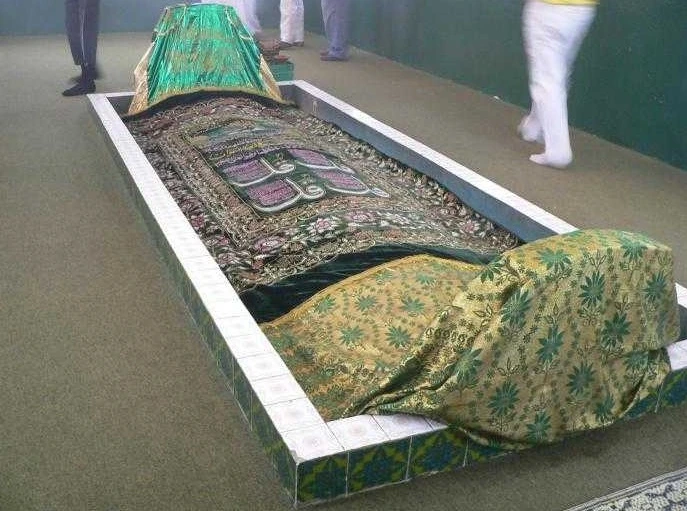
Another significant religious landmark is the Tomb of Prophet Imran, located within Salalah city.
Unique Feature
The tomb is known for its unusually long grave structure, measuring several meters in length — symbolizing reverence rather than literal size.
Cultural Significance
Prophet Imran is traditionally recognized as the father of Mary (Maryam), mother of Prophet Isa (Jesus), according to Islamic belief.
The site includes:
-
A mosque
-
Courtyard
-
Simple yet peaceful architecture
It is one of the most accessible tombs for visitors staying in central Salalah.
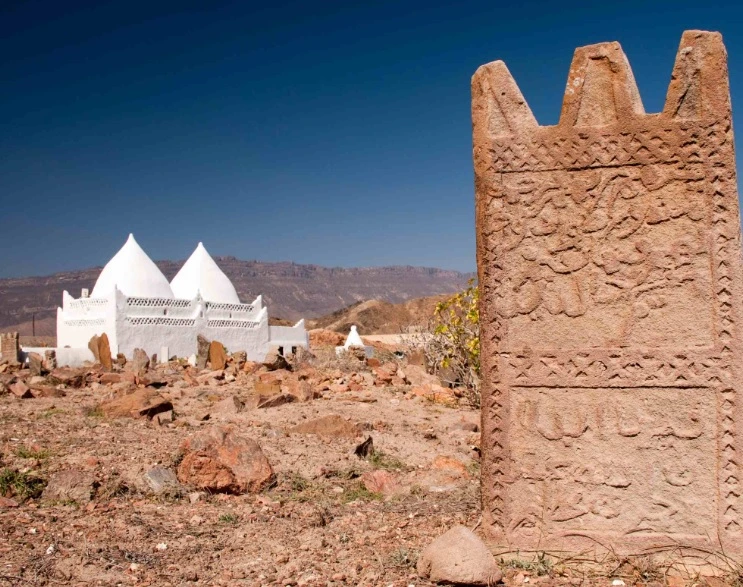
3. Tomb of Prophet Hud
Located west of Salalah near the Yemeni border is the Tomb of Prophet Hud.
Historical Context
Prophet Hud is mentioned in Islamic tradition as being sent to the ancient people of ‘Ad. Some scholars associate the Dhofar region with the territory of this ancient civilization.
This tomb is more remote but deeply respected by locals and regional visitors.
4. Ancient Burial Sites of Al Baleed
Not all tombs in Salalah are religious. The archaeological site of Al Baleed Archaeological Park preserves remains of an ancient port city that flourished during the frankincense trade era.
What You’ll Discover
-
Ruins of old settlements
-
Burial grounds
-
Remnants of Islamic-era architecture
-
Museum exhibits
Al Baleed is part of the UNESCO-listed Land of Frankincense sites, highlighting Dhofar’s role in global trade history.
Architectural Characteristics of Salalah Tombs
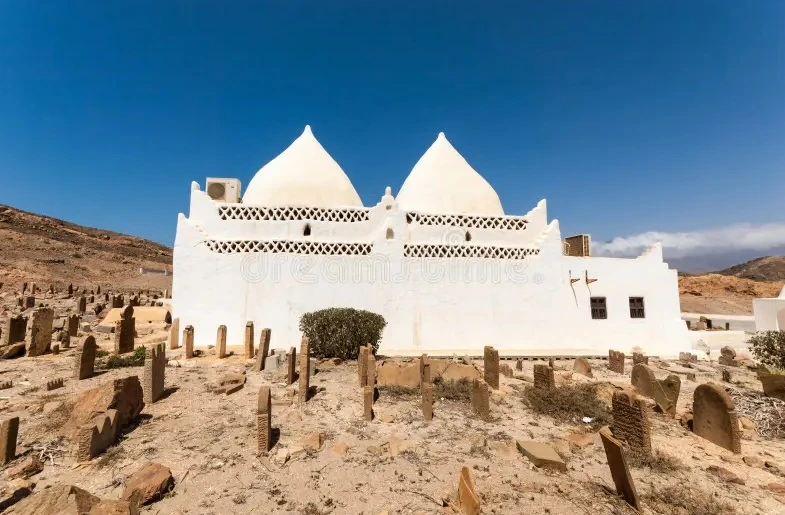
Unlike grand mausoleums in other parts of the world, tombs in Salalah are simple and modest.
Common features include:
-
Whitewashed walls
-
Small domes
-
Prayer areas
-
Courtyards
-
Minimal ornamentation
The simplicity reflects Islamic architectural values emphasizing humility.
Religious and Spiritual Tourism in Salalah
Tombs in Salalah attract:
-
Religious pilgrims
-
History enthusiasts
-
Cultural travelers
-
Regional tourists
-
Researchers
Visitors often combine tomb visits with mosque tours, mountain drives, and cultural sightseeing.
The Connection Between Tombs and the Frankincense Trade
Dhofar was historically the world’s leading producer of frankincense — a highly valued resin used in religious rituals.
Trade routes brought spiritual scholars and religious communities to the region, influencing the establishment of tomb sites and sacred landmarks.
The region’s spiritual identity is closely linked to its trade history.
Visiting Tombs in Salalah: What to Know
Dress Code
Modest clothing is recommended, especially for religious sites.
Photography
Allowed in many areas but always respect signs and worshippers.
Best Time to Visit
-
October to April for cooler weather
-
June to September for lush green scenery
Early morning or late afternoon visits offer pleasant temperatures.
Cultural Respect and Etiquette
When visiting tombs:
-
Remove shoes before entering prayer areas
-
Avoid loud conversations
-
Respect ongoing prayers
-
Do not touch sacred structures unnecessarily
These sites are active religious spaces, not just tourist attractions.
Scenic Routes to Mountain Tombs
Many tombs are located in the Dhofar mountains, offering:
-
Winding scenic roads
-
Green valleys (during Khareef)
-
Cloud-covered peaks
-
Dramatic viewpoints
The journey itself becomes part of the experience.
Combining Tomb Visits with Other Attractions
While exploring tombs in Salalah, travelers often include:
-
Mughsail Beach
-
Wadi Darbat
-
Taqah Castle
-
Frankincense Museum
-
Coastal viewpoints
This creates a balanced itinerary blending spirituality, nature, and history.
Why Tombs in Salalah Are Unique
Unlike crowded pilgrimage destinations elsewhere, Salalah offers:
-
Peaceful surroundings
-
Less commercialized atmosphere
-
Authentic cultural experience
-
Scenic mountain settings
-
Deep historical roots
It’s a place where history and nature coexist harmoniously.
Preservation Efforts
Oman places strong emphasis on preserving its religious and archaeological heritage.
Government authorities maintain tomb structures, improve road access, and promote responsible tourism.
This ensures future generations can appreciate Dhofar’s cultural legacy.
Educational Value
For students and researchers, Salalah’s tombs offer insight into:
-
Islamic history
-
Arabian Peninsula civilizations
-
Trade-route influence
-
Architectural traditions
-
Oral legends and folklore
These sites serve as living history lessons.
Myths and Legends Surrounding the Tombs
Local stories passed through generations add mystique to the tombs. Some legends connect the region to ancient lost civilizations, while others emphasize miracles associated with prophets.
While historical accuracy may vary, these narratives enrich the cultural experience.
Accessibility and Transportation
Most tombs are accessible by car. Renting a 4x4 vehicle is recommended for mountain locations.
Guided tours provide:
-
Historical explanations
-
Cultural context
-
Safe navigation
-
Full-day itineraries
Visitors unfamiliar with the region benefit from local guides.
Why Tomb Tourism Is Growing in Salalah
Modern travelers increasingly seek meaningful travel experiences.
Salalah’s tombs provide:
-
Spiritual reflection
-
Historical exploration
-
Cultural understanding
-
Scenic journeys
This combination makes the region stand out in the Middle East.
Final Thoughts: Explore the Sacred Heritage of Salalah
The tombs in Salalah are not just historical landmarks — they are gateways to understanding Oman’s spiritual depth and ancient traditions. From the mountain sanctuary of Prophet Ayoub to the historic grounds of Al Baleed, each site tells a story that connects faith, trade, and civilization.
Whether you are a history enthusiast, cultural explorer, or spiritual traveler, Salalah offers a rare and enriching experience far from crowded tourist hubs.
Ready to discover the sacred and historical treasures of Salalah?
Visit Oman Tour Packages to book guided heritage tours, customized Salalah travel packages, and complete Oman cultural experiences. Let us help you explore the timeless tombs of Salalah with expert guidance and unforgettable journeys