
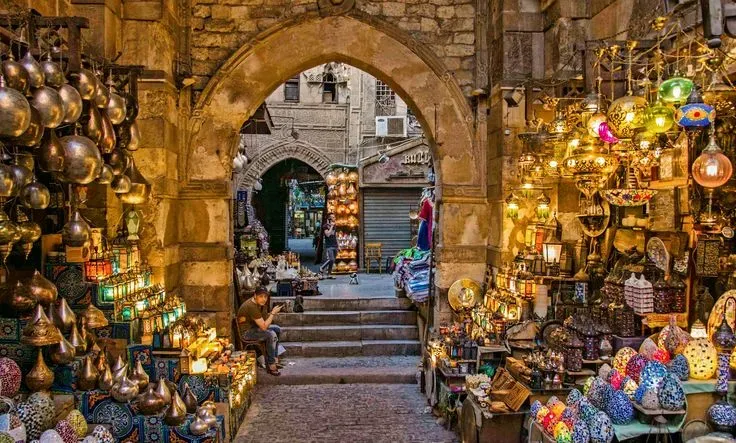
Imagine you’re walking down an ancient street filled with colored lanterns overhead, the scent of spices in the air, merchants calling out, and every corner echoing stories hundreds of years old. This is not a market — this is Egypt’s bazaar culture: a sensory feast, a cultural treaure, and a must‑visit experience for every traveler.
In this guide, we’ll take you through the top bazaars in Egypt, complete with essential travel facts, what to expect, tips from travelers, and practical advice that will make your visit unforgettable.
What Is a Bazaar in Egypt?
In Egypt, a bazaar — locally known as a "souq" (سوق) — is more than a shopping place. It’s a living cultural hub where tradition meets daily life. Bazaars here are centuries old, often found in historic parts of cities, and filled with local goods ranging from spices and textiles to jewelry and handcrafted art.
From the labyrinthine alleyways of Khan el‑Khalili in Cairo to the bustling waterfront markets of Alexandria, Egypt’s bazaars are a bridge between the modern and the ancient.
Quick Facts: Egypt’s Most Famous Bazaars
| Bazaar | City | Opening Hours | Best Time to Visit | Typical Prices | Recommended Duration |
|---|---|---|---|---|---|
| Khan el‑Khalili | Cairo | 10:00–22:00 | Late afternoon to evening | Moderate | 2–4 hours |
| Souq el‑Goma’a | Cairo | 08:00–14:00 | Morning | Low | 1–2 hours |
| Al‑Attarine | Alexandria | 09:00–21:00 | Evening | Moderate | 2–3 hours |
| Souq el‑Fustat (Artisans’ Market) | Cairo | 10:00–22:00 | Afternoon | Moderate | 1–2 hours |
| Aswan Bazaar | Aswan | 08:00–21:00 | Morning | Moderate | 2–3 hours |
| Luxor Souq | Luxor | 09:00–21:00 | Early evening | Moderate | 1–2 hours |
A Brief History of Bazaars in Egypt
The tradition of bazaars in Egypt stretches back thousands of years, rooted in ancient trade routes along the Nile and the Middle East. Markets served as places not only for commerce but for social gatherings, news exchange, and cultural performances.
During the Islamic Golden Age (7th–14th century), bazaars became more organized and specialized — with dedicated streets for spices, textiles, gold, and silversmiths. Many of the markets we cherish today, like Khan el‑Khalili, owe their origin to traders from that era.
Top Bazaars in Egypt — Deep Dive
1. Khan el‑Khalili – Cair
Location: Historic Islamic Cairo
Opening Hours: 10:00–22:00 (weekday times vary)
Best Time to Visit: Late afternoon → evening
Duration: 2–4 hours
Prices: Moderate to high (depending on bargaining)
What to Expect
Khan el‑Khalili is Egypt’s most iconic bazaar — an enchanting network of alleys filled with shops selling everything from ornate lamps to gold jewelry, spices, perfumes, and souvenirs.
The place feels like a maze: narrow pathways open into hidden squares, historic tea stalls, and centuries‑old architectural gems.
Atmosphere: Bustling but soulful — especially as the sun sets and lights begin to glow.
Crowd: Busy, especially in the evening. Locals, tourists, and shop owners mingle together.
Distances: All walkable on foot, though some paths narrow and wind deeper into the market.
Weather: Shade in narrow lanes makes it cooler than open city streets.
Local Favorites
- Hand‑blown glass lamps
- Perfumes & attars
- Egyptian cotton textiles
- Traditional jewelry
Ready to explore the top bazaars in Egypt? Discover the best Egypt tour packages with Flying Carpet Tours!
2. Al‑Attarine – Alexandria
Location: Alexandria (near the city center)
Opening Hours: 09:00–21:00
Best Time to Visit: Evening
Duration: 2–3 hours
What to Expect
Al‑Attarine bazaar in Alexandria is a hidden gem that many tourists overlook.
Structure: A long street market divided into sections — spices, sweets, clothing, accessories, and souvenirs.
Specialties: Local sweets, traditional garments, handcrafted goods, and aromatic spices.
Atmosphere: More relaxed than Cairo’s bazaars, with a seaside breeze from nearby Alexandria Corniche.
Distances: Spread out but walkable; comfortable pace.
3. Souq el‑Fustat – Cairo (Artisans’ Market)
What to Expect
Souq el‑Fustat focuses on authentic Egyptian artisans — from metalworkers to woodcarvers, weavers to jewelry makers.
Experience: Watch craftsmen work live — metal engraving, weaving, and traditional art.
Perfect for: Unique souvenirs, handcrafted art, bespoke gifts.
Note: Prices can be higher because goods are authentic and handmade.
4. Aswan Bazaar – Aswan
Opening Hours: 08:00–21:00
Best Time to Visit: Morning → early evening
Duration: 2–3 hours
Prices: Moderate
What to Expect
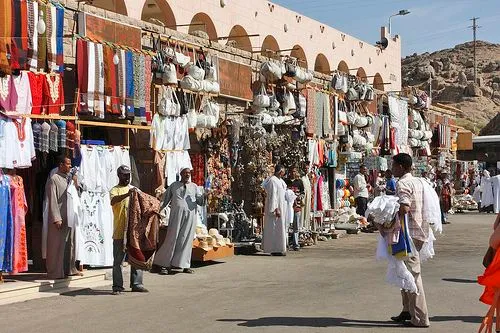
Aswan’s bazaar has a distinct Nubian flair. Expect:
Bright colors
Handmade textiles
Local spices & herbs
Silver jewelry (Nubian style)
Atmosphere: Friendly and less crowded than Cairo’s biggest markets.
5. Luxor Souq – Luxor
Location: Luxor city center (near Karnak)
Opening Hours: 09:00–21:00
Best Time to Visit: Early evening
Duration: 1–2 hours
Prices: Moderate
What to Expect
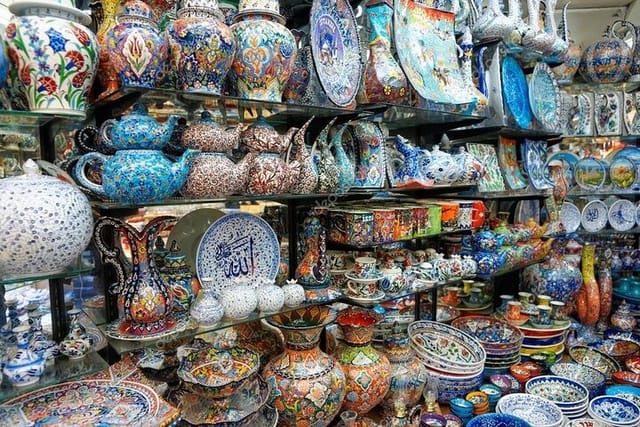
Luxor Souq blends tourist souvenirs with local craft stalls.
Close to major temples, making it a perfect stop before or after sightseeing.
Popular items: Papyrus art, alabaster statues, bedouin accessories.
Atmosphere: Bustling but organized.
What to Expect: A Bazaar Experience in Egypt
Egyptian bazaars are unique — they are:
1. A Walk Through Culture
You’re not just shopping — you’re traveling through history. Many stalls have been run by families for generations.
2. Always Expect Haggling
Haggling isn’t rude — it’s part of the tradition. Vendors expect friendly negotiation.
3. Sensory Overload — In the Best Way
Spices, teas, perfumes, lanterns, jewelry — sights and scents compete for your attention.
4. Crowds & Pace
Markets can be busy. Some lanes are narrow and lively. Keep belongings secure.
5. A Mix of Locals & Travelers
In markets like Khan el‑Khalili or Al‑Attarine, you’ll see Egyptians and international travelers in equal measure.
Practical Travel Tips for Visiting Bazaars
Best Time to Go
- Visit morning markets early (like Souq el‑Goma’a) for the best selection.
- For classic bazaars (Khan el‑Khalili), afternoons → evenings are ideal — cooler weather and livelier atmosphere.
What to Wear
- Comfortable shoes — lots of walking.
- Breathable fabrics — bazaars can be hot and crowded.
- Covered clothing is respectful in traditional areas.
What to Bring
- Water bottle
- Small cash (Egyptian pounds) — many vendors don’t take cards.
- Small backpack or secure pouch
- Camera (many vendors allow photos)
Common Mistakes to Avoid
- Not bargaining — prices often start high.
- Carrying big wallets visibly — pickpockets are rare, but crowds can be tight.
- Ignoring opening hours — some bazaars slow down early or close for prayer.
Real Traveler Insights
One of our travelers mentioned, “Khan el‑Khalili was overwhelming at first — but once we sat at a tea stall, the market seemed alive with stories. We found unique spices and a handmade copper coffee pot.”
Visitors often say that the best deals come from relationships — vendors may give discounts if you chat, smile, and show curiosity about their craft.
Another traveler shared, “At Souq el‑Goma’a, I found a vintage camera for almost nothing — but only because I arrived at 8:30 AM.”
FAQ: Visiting Egypt’s Bazaars
Do vendors accept credit cards?
Mostly no. Cash (Egyptian Pounds) is preferred. Some higher‑end shops may accept cards, but always ask first.
Is it safe to take photos inside?
Yes — but always ask permission, especially for portraits. Most vendors are friendly about it.
Can I bargain?
Absolutely. Bargaining is part of the culture — do it with a smile.
Are prices fixed?
Only in some souvenir stores. In traditional markets, prices are usually negotiable.
Are these bazaars accessible for travelers with reduced mobility?
Some bazaar lanes are narrow and uneven. Accessibility varies — ask a local guide if needed.
Final Thoughts
Egypt’s bazaars are where history, culture, commerce, and community collide. Whether you seek spices, traditional crafts, antiques, or simply an immersive experience — each market has its own rhythm and personality.
Your trip to Egypt isn’t complete without stepping into these living stories. So, grab your bargaining skills, wear comfortable shoes, and dive into the labyrinth of colors, sounds, and memories that only Egyptian bazaars can offer.
Ready to explore the top bazaars in Egypt? Discover the best Egypt tour packages with Flying Carpet Tours!