
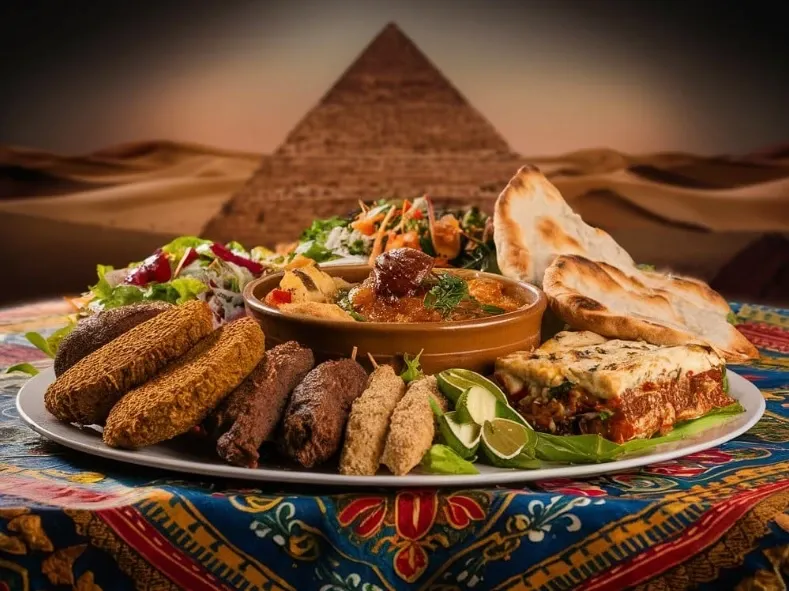
Traditional Egyptian Dishes: What to Eat in Egypt
A Traveler’s Story: The Meal I Did Not Expect to Love
I arrived in Cairo with a head full of pyramids and a very short list of foods I thought I would try. Then, on my second evening, our guide stopped in front of a small, brightly lit shop with a line out the door. “Trust me,” he said. A few minutes later I was holding a steel bowl of rice, lentils, pasta, chickpeas, crispy onions and a spicy tomato sauce, and I had no idea how to eat it.
That bowl was koshari, and it changed how I traveled through Egypt. After that night I stopped treating meals as a pause between sightseeing stops and started treating them as part of the journey. I ate breakfast beans from a paper wrap on a busy sidewalk, shared a platter of stuffed vegetables with a family in Luxor, and finished a Nile cruise dinner with a warm milk pudding I still think about.
If you are planning a trip and wondering what to eat in Egypt, this guide is for you. It covers the dishes that matter, what they cost, how to order them, and how to eat well without stress.
What Are Traditional Egyptian Dishes?
Traditional Egyptian dishes are the home-style and street-style meals that Egyptians have cooked for generations. They are built on simple, affordable ingredients such as fava beans, lentils, rice, wheat, fresh vegetables, herbs and slow-cooked meat. Many of them are naturally vegetarian, and most are designed to be shared.
Egyptian food is not about fiery heat or complicated sauces. It is about comfort, generosity and flavor that builds slowly: garlic fried until golden, cumin, coriander, fresh dill, and a squeeze of lemon at the end. Eating here is social. Meals are long, plates are passed around, and a guest is rarely allowed to leave hungry.
Quick Facts About Eating in Egypt
- Where to find it: Everywhere. Cairo and Giza have the widest choice, Alexandria is known for seafood, and Luxor and Aswan offer excellent local restaurants and Nile-side dining.
- Opening hours: Breakfast bean shops often open very early, around 6:00 AM. Street food stalls and casual eateries usually run from late morning until after midnight. Many restaurants stay open until midnight or later, especially in big cities.
- Typical prices: A street meal such as koshari or a falafel sandwich often costs roughly 1 to 3 USD. A sit-down meal at a local restaurant is usually 5 to 15 USD per person, and upscale dining or hotel restaurants cost more. Prices change with the exchange rate, so treat these as rough guides.
- Time needed: A street snack takes 10 to 15 minutes. A relaxed restaurant meal takes 60 to 90 minutes. A food walk or cooking class usually takes 3 to 4 hours.
- Best time to visit for food: October to April brings pleasant weather for walking and outdoor dining. During Ramadan, the evening meal after sunset is a special experience, although some daytime eateries close or reduce hours.
A Short History of Egyptian Cuisine
Egyptian food has one of the longest continuous histories in the world. Ancient Egyptians grew wheat and barley and made bread and beer from them. Paintings on tomb walls show bakers, brewers, fishermen and farmers preparing food, which tells us that bread, onions, garlic, beans, fish and fowl were central to daily life thousands of years ago.
The Nile shaped everything. Each year the flood left behind rich soil, and the crops that grew in it, especially grains and legumes, became the base of the national diet. That is why beans, bread and rice remain the backbone of Egyptian cooking today.
Over the centuries, new arrivals added to the table. Greek and Roman rulers brought new techniques and ingredients. Arab and Ottoman influences introduced stuffed vegetables, rich pastries and syrup-soaked desserts. Trade with the wider Mediterranean brought spices and new cooking methods. Even koshari, now considered a national dish, is often said to have emerged in the modern era from a mix of Indian, Italian and local influences. The result is a cuisine that feels both ancient and cosmopolitan.
What to Expect When You Eat in Egypt
Bread comes with everything. Flatbread is served with nearly every meal, and it works as both a utensil and a side dish. Expect baskets of it, often still warm.
Mezze-style starters are common. Many restaurants bring small plates of dips, salads and pickles to begin. Tahini, baba ghanoush, and a tomato and cucumber salad are typical.
Portions are generous. A single main dish can be enough for one hungry person, and sharing is normal. Do not be shy about ordering a few dishes for the table.
Service is relaxed. Meals are not rushed. Waiters may not bring the bill until you ask for it, which is a sign of hospitality rather than neglect.
Flavors are comforting, not extreme. Egyptian food is generally mild to medium in spice. Hot sauce is usually served on the side, so you can control the heat yourself.
Tea and coffee close the meal. Sweet black tea and strong coffee are part of the ritual, and refusing a second cup may be met with a friendly attempt to change your mind.
The Traditional Dishes You Should Try
Koshari: The National Comfort Bowl
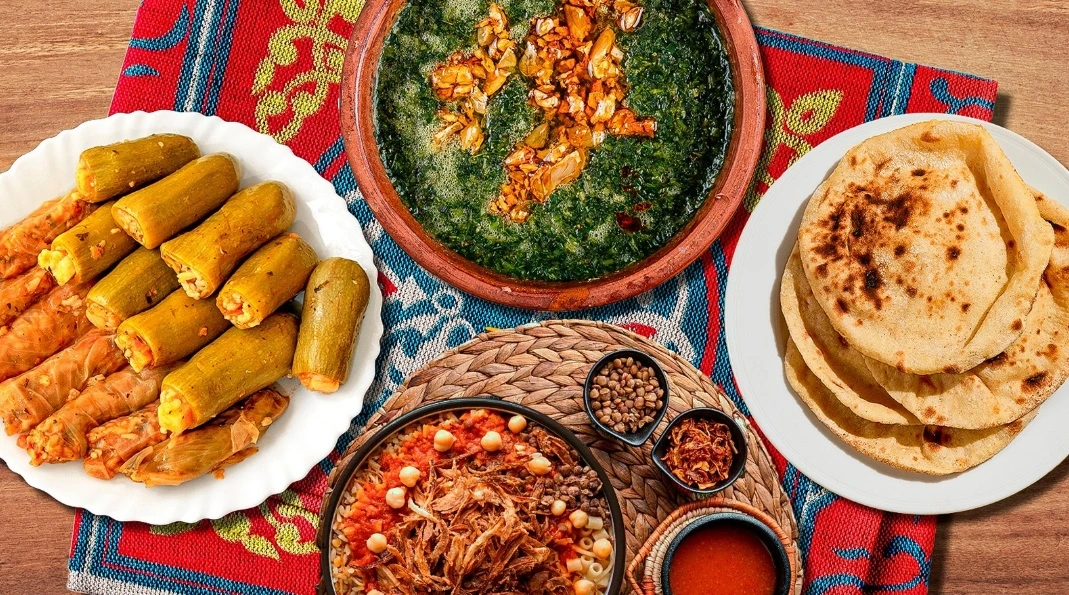
Koshari is a layered mix of rice, macaroni, brown lentils and chickpeas, topped with a tangy tomato sauce, a splash of garlicky vinegar and a handful of crispy fried onions. You can add hot sauce for extra kick. It is filling, cheap and completely vegetarian. Many travelers say it is the dish they crave most after going home. Most koshari restaurants offer small, medium and large bowls, and ordering a small one is usually enough for a first try.
Ful Medames: The Everyday Breakfast
Slow-cooked fava beans mashed with olive oil, lemon, cumin and garlic make up Egypt’s classic breakfast. It is served with warm bread, sliced tomato, chopped onion and sometimes a boiled egg. It is hearty, inexpensive and keeps you full through a morning of temple visits. If you want to eat like a local, look for a small bean shop with a queue of workers and students.
Ta’ameya: Egypt’s Version of Falafel
Egyptian falafel, known locally as ta’ameya, is made from fava beans instead of chickpeas. The result is a bright green interior from fresh herbs such as parsley, dill and coriander, with a crunchy outside. It is usually served in a sandwich with salad, tahini and pickles. Eat it fresh and hot, straight from the fryer.
Molokhia: The Green Soup With a Cult Following
Molokhia is a rich green soup made from finely chopped jute leaves, garlic and coriander, usually served over rice with chicken, rabbit or beef. It has a silky texture that surprises first-time visitors, and many people fall for it quickly. Locals often say that a home-cooked version tastes best, so if you are invited to a family table, say yes.
Mahshi: Stuffed Vegetables
Mahshi refers to vegetables stuffed with seasoned rice and herbs. Grape leaves, zucchini, peppers, tomatoes and aubergines are all common. They are simmered gently until tender, and the filling absorbs the flavors of the cooking broth. A mixed plate of mahshi is a popular choice for lunch and festive meals.
Fatta: A Dish for Celebrations
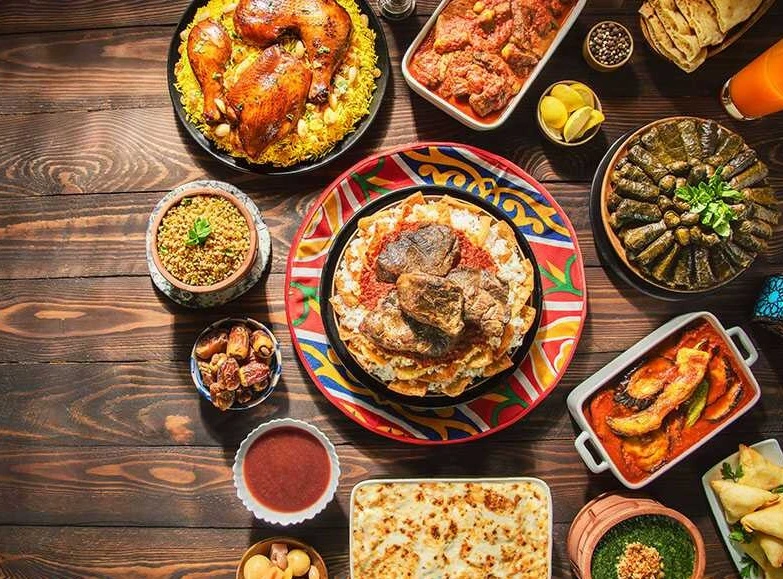
Fatta layers crisp bread, rice and tender meat, then adds a garlicky tomato and vinegar sauce. It is a classic dish for holidays and special occasions, and it is rich enough that sharing is wise. If you see it on a menu, it is worth trying at least once.
Hawawshi: The Egyptian Street Burger
Hawawshi is minced meat seasoned with onion, pepper and spices, packed into flatbread and baked until the outside is crisp and the filling is juicy. It is sold at casual shops and is a favorite late-night snack. Eat it warm, and be ready for a little grease on your fingers.
Kebda: Liver for the Adventurous
Alexandrian-style liver, cooked with garlic, peppers and spices, is a favorite in the north of the country. It is not for everyone, but food lovers who enjoy bold flavors often say it is a highlight. It is commonly served as a sandwich.
Grilled Meats: Kebab and Kofta
Grilled lamb, beef and chicken are staples in Egyptian restaurants. Kofta is spiced minced meat shaped around skewers, and kebab is cubed meat grilled over charcoal. Both are usually served with rice, salad, tahini and bread. It is a safe and satisfying choice if you want something familiar.
Fiteer Meshaltet: Egypt’s Layered Pastry
Fiteer is a flaky, buttery pastry that can be sweet or savory. The savory version is filled with cheese, meat, olives or vegetables, while the sweet version is topped with honey, powdered sugar or jam. A single piece is large, so consider sharing.
Fresh Fish and Seafood
Along the Mediterranean and the Red Sea, seafood is a highlight. Grilled fish, calamari and shrimp are served with rice, salad and lemon. In Nile cities, you will also find freshwater fish prepared simply with herbs and spices. Choose busy restaurants where the fish turns over quickly.
Egyptian Sweets and Drinks Worth Trying
Desserts
- Umm Ali: A warm, creamy pudding made from pastry, milk, nuts and raisins, baked until golden. Many visitors call it the best Egyptian dessert.
- Basbousa: A soft semolina cake soaked in syrup, often topped with an almond.
- Kunafa: Thin, crisp pastry filled with cheese or cream and finished with syrup.
- Rice pudding: A simple, creamy dessert served cold, often with a sprinkle of nuts.
Drinks
- Hibiscus tea: A deep red drink served hot or cold, tart and refreshing. It is a classic way to cool down.
- Sugarcane juice: Pressed fresh in small street shops and very sweet.
- Tea: Strong, sweet and served in small glasses, often with fresh mint.
- Egyptian coffee: Thick, aromatic and served in a small cup. Let the grounds settle before you drink.
- Sahlab: A warm, creamy winter drink topped with nuts and cinnamon.
Useful Facts: Crowds, Distances, Weather and Timing
Crowds: Popular koshari restaurants and bean shops are busiest around lunch, between 1:00 PM and 3:00 PM, and again in the evening after 8:00 PM. Arriving slightly earlier or later can save you a wait. During Ramadan, restaurants fill up quickly around sunset.
Distances: In Cairo, traffic can be heavy, so a restaurant that looks close on a map may take much longer to reach than expected. Plan one major food stop per outing rather than trying to cover several districts in a single afternoon. In Luxor and Aswan, restaurants near the Nile and the main sights are usually short walks or quick taxi rides apart.
Weather: Summer can be extremely hot, especially in Upper Egypt, so outdoor eating works best in the evening. Winter evenings can feel cool, and hot drinks and soups are especially pleasant. Spring and autumn are comfortable for almost any plan.
Tip on timing: Many Egyptians eat their main meal late in the afternoon or in the evening, and dinner often starts after 8:00 PM. If you like quiet restaurants, eat on the earlier side.
Practical Tips for Eating Well in Egypt
- Start with busy places. A crowded restaurant means fresh food and fast turnover, which is the best sign of quality and safety.
- Drink bottled water. Avoid tap water, and be cautious with ice in small places. Sealed bottles are inexpensive and widely available.
- Ease into street food. Begin with cooked-to-order items such as ta’ameya, hawawshi and koshari, and give your stomach a day or two to adjust before trying everything.
- Wash or sanitize your hands. Carry hand sanitizer for moments when a sink is not nearby.
- Ask about ingredients. If you have allergies or dietary needs, say so clearly. Vegetarian and vegan options are easy to find, but some dishes use animal fat or broth, so ask before ordering.
- Carry small bills. Many casual eateries cannot break large notes, and having small change makes ordering smoother.
- Check the bill. In tourist areas, confirm whether service is already included before leaving an extra tip. A small tip for good service is appreciated.
- Try a local food tour or cooking class. It is one of the easiest ways to learn what you are eating and discover places you would not find alone.
- Pace yourself. Portions are generous and meals are long. Sharing dishes lets you taste more.
- Respect Ramadan. During daylight hours, be discreet when eating or drinking in public, and enjoy the festive evening atmosphere after sunset.
What Travelers Often Say About Egyptian Food
Many of our travelers mention that they expected simple meals and were surprised by the depth of flavor. One traveler told us that a plain-looking bowl of beans on the first morning of the trip ended up being their favorite breakfast of the entire journey. Another said that sharing a table of mahshi with a local family in Luxor felt more memorable than any monument.
Visitors often say that Egyptian hospitality shows up most clearly at the table. Hosts insist you try one more dish, and guides happily explain what each item is made of. First-time travelers frequently add that they wish they had left more room for dessert, especially umm ali.
Several guests also mention that vegetarian travel is easier than they feared, since so many classic dishes are built on beans, lentils, rice and vegetables. And a common piece of advice from returning visitors is simple: do not play it safe on every meal. Try at least one dish you cannot pronounce.
Frequently Asked Questions
What is the national dish of Egypt?
Koshari is widely considered the national dish. It combines rice, pasta, lentils, chickpeas, tomato sauce and crispy onions, and it is sold everywhere from small street shops to dedicated restaurants.
Is Egyptian food spicy?
Generally, no. Egyptian cooking leans on garlic, cumin, coriander and fresh herbs rather than chili heat. Hot sauce is usually offered on the side, so you can add as much or as little as you like.
Is it safe to eat street food in Egypt?
Many travelers enjoy street food without problems, especially when they choose busy stalls where food is cooked fresh. Start with hot, freshly prepared items, avoid anything that has been sitting out, and use bottled water.
Can vegetarians and vegans eat well in Egypt?
Yes. Koshari, ful medames, ta’ameya, many mezze dishes and stuffed vegetables are naturally vegetarian, and often vegan. Always confirm that dishes were not cooked with meat broth or animal fat.
How much should I budget for food per day?
A budget traveler can eat well on a few dollars per meal at local eateries. A comfortable mix of local restaurants and a few nicer dinners often lands in the range of 20 to 40 USD per day, while hotel restaurants and fine dining cost more. Exchange rates change, so check current prices before you go.
What should I drink in Egypt?
Bottled water is the safest choice for daily drinking. For something local, try hibiscus tea, fresh sugarcane juice, sweet tea with mint or Egyptian coffee. Alcohol is available in many hotels and some restaurants, but it is not as widely sold as in many other countries.
Is tipping expected in restaurants?
Tipping is customary. Check whether a service charge has already been added, and if it has, a small extra amount for good service is still welcome. In casual eateries, rounding up the bill is common.
What is the best way to learn about Egyptian food during a trip?
Join a guided food tour or a cooking class, or ask your tour guide for their favorite local spots. Locals are proud of their cuisine and are usually happy to recommend dishes and explain how they are made.
Ready to Taste Egypt for Yourself?
Food is one of the easiest ways to understand a place, and Egypt offers a table as rich as its history. Whether you dream of a bowl of koshari after a day at the pyramids, a quiet dinner by the Nile, or a pastry still warm from the oven, the best flavors are the ones you discover on the ground.
If you would like help planning a trip that mixes sightseeing with great local meals, our team at Flying Carpet would be glad to help. You are welcome to explore our Egypt Classis Tours on our website and get in touch whenever you are ready to start planning.