

Manial Palace: Cairo’s Hidden Royal Retreat
A Traveler’s Story: The Palace I Found by Accident
I only went to Roda Island to find a quiet cafe by the Nile. A taxi driver dropped me near a long stone wall, and through an open gate I saw a garden of tall palms and a tiled gatehouse that looked nothing like the Cairo I had known. I paid for a ticket and walked in.
Within minutes, the city noise faded. I crossed courtyards decorated with blue and white tiles, stepped into a mosque with an elaborate painted ceiling, and wandered through a hall of carved wood and colored glass. A guard smiled and told me, “Most people in Cairo have never been here.” I could believe it, and I left wishing I had planned more time.
This guide shares what I wish I had known before I went: what the palace is, how to plan a visit, what to see and how to enjoy it without rushing.
What Is Manial Palace?
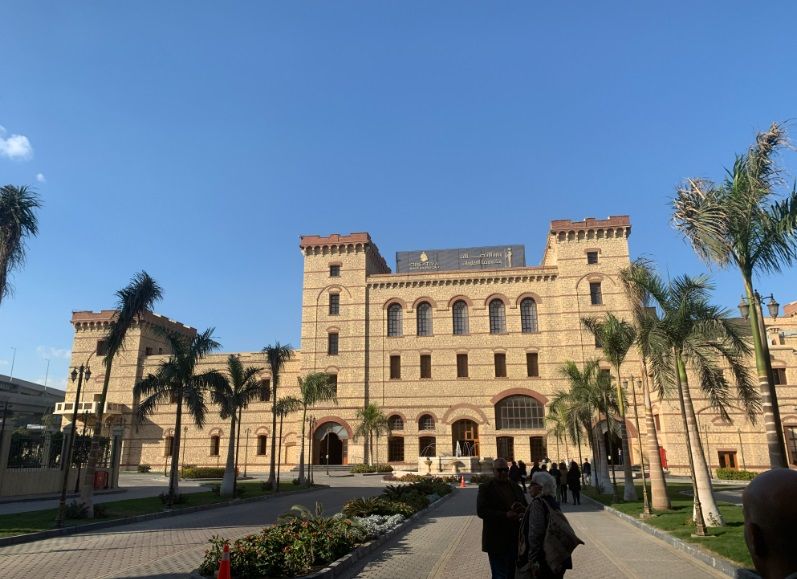
Manial Palace is a complex of royal residences, a mosque, a museum and gardens on Roda Island in the Nile, in the Manial district of Cairo. It was built in the early 20th century as the residence of Prince Mohamed Ali Tewfik, and it is known for mixing several architectural styles, including Ottoman, Persian, Moorish and Andalusian influences.
Unlike a single grand building, the palace is a collection of separate pavilions set among gardens. It is a quiet, atmospheric stop that suits travelers who enjoy architecture, decorative arts and a slower pace.
Quick Facts: Manial Palace at a Glance
- Location: Roda Island, Manial, Cairo, on the Nile and a short drive from downtown Cairo and Old Cairo.
- Opening hours: The palace is usually open during the day, typically from the morning until late afternoon. Hours and closing days can change, so confirm them before you go.
- Prices: Foreign visitors pay an entrance fee, and cameras or extra areas may cost more. A private guided half-day tour with transport commonly costs roughly 40 to 100 USD per person. Prices and exchange rates change, so treat these as rough guides.
- Duration: Allow 1.5 to 2 hours for the buildings and gardens.
- Best time to visit: October to April for comfortable weather. Go in the morning for cooler air and softer light.
A Short Background
Prince Mohamed Ali Tewfik was a member of Egypt’s ruling family and a great admirer of art and architecture. He began building the palace in 1901, and construction continued for around two decades. He designed much of it himself and gathered craftsmen from across the region to build and decorate the pavilions.
The palace was planned as a series of buildings, each with a different purpose, including a reception hall, a private residence, a throne hall, a mosque, a clock tower and a hunting museum. The prince also collected manuscripts, textiles, silver, weapons and other objects, and many of them are displayed in the palace today.
After the prince’s death, the property passed to the state and later opened to the public as a museum. Today it is one of Cairo’s lesser-known historic sites, valued for its craftsmanship and calm gardens.
What to Expect
A collection of pavilions. Expect to walk between several buildings rather than visit a single large palace. Allow time for the gardens in between.
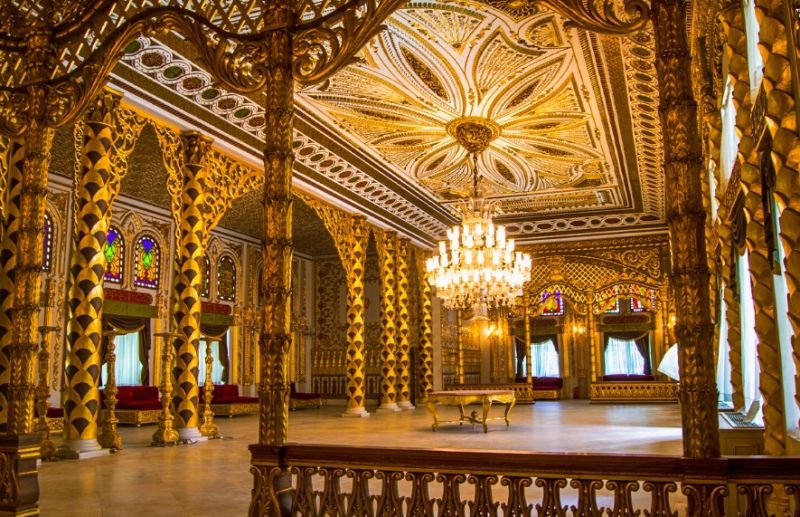
Rich decoration. Painted ceilings, carved wood, tiles, stained glass and mother-of-pearl details fill many of the rooms.
A quiet atmosphere. The palace is usually much calmer than Cairo’s most famous attractions.
Varied condition. Some rooms are beautifully preserved, while others may be closed for restoration. Check the current status before you go.
Some walking and steps. Paths and stairs can be uneven, so wear comfortable shoes.
Main Highlights
The Reception Palace
The main reception hall is decorated with elaborate wood, plasterwork and tiles, and it gives a strong first impression of the prince’s taste.
The Residence Palace
The private living quarters show how a royal family lived in the early 1900s, with furniture, decorated rooms and personal details.
The Throne Hall
Rich with gilded ornament, this hall was designed for formal receptions and shows the prince’s taste for grand decoration.
The Mosque and Clock Tower
The small mosque has colorful tilework and a painted ceiling, while the clock tower gives the compound a distinctive skyline.
The Hunting Museum
A collection of preserved animals and hunting items that reflects the prince’s interests and the tastes of his time.
The Gardens
Tall palms, shaded paths and old trees offer a calm break. They are a pleasant place to rest between buildings.
Useful Facts: Crowds, Distances, Weather and Timing
Crowds: The palace is rarely crowded. Weekends and school groups can bring more visitors, but it is usually much quieter than Giza or Khan el Khalili.
Distances: Manial Palace is roughly 10 to 15 minutes from Old Cairo and about 20 to 30 minutes from Giza, depending on traffic. It is close to the Nile Corniche, and the nearby Nilometer on Roda Island is a short drive or walk.
Weather: From November to March, days are mild and perfect for the gardens. In summer, mornings are best, and the shade of the palms helps.
Tip on timing: Combine the palace with Old Cairo or the Nilometer in a half-day itinerary, and finish with a riverside meal.
Practical Travel Tips
- Go in the morning. Cooler weather and softer light make the gardens more pleasant.
- Wear comfortable shoes. You will walk across courtyards and gardens.
- Dress modestly. Cover shoulders and knees, especially for the mosque.
- Carry small bills. Tips and small purchases are easier with small notes.
- Check photography rules. Cameras may require a separate ticket, and some rooms restrict photos.
- Bring water. Facilities are limited inside.
- Confirm opening status. Some pavilions may be closed for restoration.
- Hire a guide. A guide explains the architecture and the prince’s story.
- Plan a combination. Pair it with Old Cairo, the Nilometer or a Nile-side lunch.
- Allow time. Do not rush. The quiet is part of the appeal.
What Travelers Often Say
One of our travelers mentioned that they expected a small stop and ended up staying much longer, because each building looked different from the last. They said the painted ceilings were the highlight.
Visitors often say that the palace felt like a hidden escape from the city, and that the gardens were an unexpected pleasure. Another guest told us that a guide made the visit much richer by explaining the prince’s story and the meaning of the decoration.
Several travelers add that it is a great choice for people who have already seen the pyramids and want something quieter and more personal.
Frequently Asked Questions
Where is Manial Palace?
It is on Roda Island in the Nile, in the Manial district of Cairo.
Who built Manial Palace?
Prince Mohamed Ali Tewfik began building it in 1901, and it was developed over roughly two decades.
How long do I need?
Plan 1.5 to 2 hours, or longer if you want to enjoy the gardens and take photos.
Is it worth visiting?
Yes, especially for travelers who enjoy architecture, decorative arts and quiet places. It is a good complement to the major monuments.
What is the best time to visit?
Morning, and between October and April for comfortable weather.
Can I take photos?
Usually yes, though cameras may need a separate ticket and some rooms may restrict photography. Ask at the entrance.
Is it suitable for children?
Yes, many families enjoy the gardens and decorated rooms, though young children may find the museum areas less engaging.
How much does it cost?
The entrance fee is modest compared with major sites, but prices change. Check current rates before you go.
Ready to Explore Manial Palace?
Manial Palace rewards travelers who like to look closely. Its tiles, ceilings and gardens offer a quiet side of Cairo that most visitors miss.
If you would like help including the palace in a Cairo itinerary, with a licensed guide and easy transport, our team at Flying Carpet would be happy to help. You are welcome to explore our Cairo tours on our website and get in touch whenever you are ready to start planning.