
Oyun Musa
Oyun Musa, Egypt: Discovering the Timeless Beauty of Moses Springs
Nestled along the western coast of the Sinai Peninsula, Oyun Musa—often referred to as Moses Springs—stands as one of Egypt’s most intriguing yet underrated historical and natural landmarks. Located just a short distance from the Suez Canal, this tranquil oasis blends spirituality, history, and desert beauty into a single destination that continues to captivate travelers, historians, and pilgrims alike. Whether you are drawn by its biblical significance or its serene environment, Oyun Musa offers a unique glimpse into a place where legend and landscape intertwine.
The Historical Significance of Oyun Musa
Oyun Musa, meaning “Springs of Moses” in Arabic, carries deep historical and religious importance. According to Islamic belief, this is the site where Prophet Moses, after leading the Israelites across the Red Sea, struck the ground to bring forth water for his people during their journey through the desert. This story, deeply rooted in Abrahamic religions, has made Moses Springs a symbol of divine provision and survival in harsh conditions.
While the exact historical accuracy of the story is debated among scholars, the cultural and spiritual weight of Oyun Musa is undeniable. Over centuries, the site has attracted visitors seeking both reflection and connection to ancient narratives. The presence of natural springs in such an arid environment further enhances the mystique of the location, making it feel almost miraculous even today.
Geography and Natural Setting
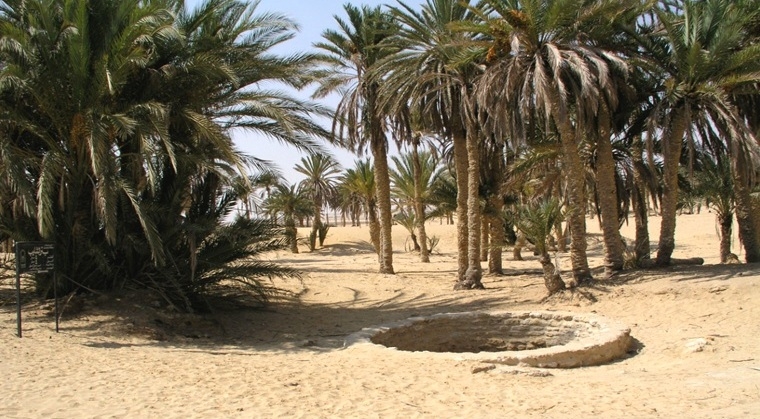
Oyun Musa is situated near the eastern edge of Egypt, where the Sinai Peninsula begins. The surrounding landscape is characterized by rugged desert terrain, sandy plains, and distant mountain ranges that shimmer under the sun. Despite the harsh climate, the springs themselves create a small pocket of greenery, offering a stark contrast to the surrounding desert.
Historically, there were said to be twelve springs at Oyun Musa, though today only a few remain active. These springs are fed by underground water sources, providing fresh water that supports palm trees and small patches of vegetation. This natural oasis has made Moses Springs not only a spiritual landmark but also a vital resting point for travelers and caravans throughout history.
The climate in this region is typically hot and dry, with scorching summers and mild winters. However, the presence of water at Oyun Musa creates a microenvironment that feels noticeably cooler and more inviting, especially for those journeying through the desert.
Cultural and Religious Importance
The significance of Oyun Musa extends beyond geography and into the realm of faith. For many, visiting Moses Springs is not just about sightseeing—it is a spiritual experience. The site is often associated with themes of perseverance, faith, and divine intervention.
In Islamic tradition, Moses (known as Musa in Arabic) is a revered prophet, and stories of his leadership and miracles are widely shared. Similarly, in Christianity and Judaism, the story of Moses bringing forth water from the rock is a powerful symbol of faith and trust in God. As a result, Oyun Musa holds a special place in the hearts of believers from different backgrounds.
Pilgrims and visitors often come to reflect, pray, or simply absorb the peaceful atmosphere. Unlike more crowded tourist destinations, Oyun Musa retains a sense of quiet reverence that allows for personal contemplation.
The Evolution of Moses Springs Over Time
Over the centuries, Oyun Musa has undergone various changes, both natural and human-made. In ancient times, the springs were more abundant, supporting a larger oasis. However, environmental shifts and changes in water flow have reduced the number of active springs.
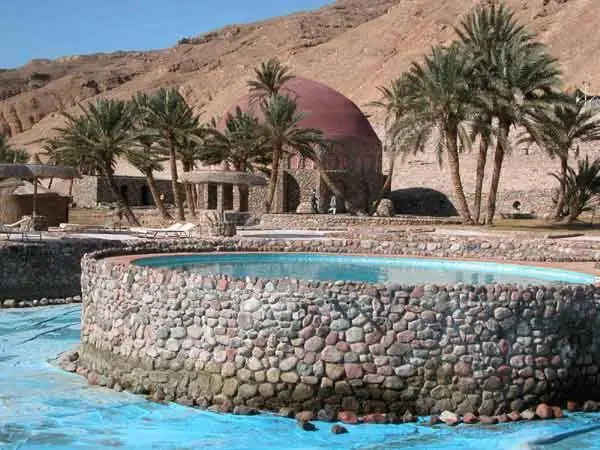
During different historical periods, efforts were made to maintain and protect the site. Some structures, such as simple stone enclosures and irrigation channels, were built to preserve the water sources and make them more accessible. Today, remnants of these efforts can still be seen, adding another layer of historical depth to the location.
Modern development around Oyun Musa has been limited, which has helped preserve its natural and historical character. While this means fewer amenities for tourists, it also ensures that the site remains authentic and largely untouched.
Visiting Oyun Musa Today
For travelers seeking a unique and meaningful experience, Oyun Musa offers an opportunity to step away from the typical tourist trail. Located relatively close to major cities like Suez, the site can be reached by road, making it accessible for day trips.
Visitors to Moses Springs can explore the remaining wells, walk among the palm trees, and take in the quiet beauty of the desert landscape. The area is not heavily commercialized, so it’s important to come prepared with essentials such as water, sun protection, and comfortable footwear.
One of the most rewarding aspects of visiting Oyun Musa is the sense of solitude it provides. Unlike crowded historical sites, this oasis allows you to connect with the environment and reflect on its significance without distractions.
The Symbolism of Water in the Desert
The presence of water at Oyun Musa carries profound symbolic meaning. In a desert environment where water is scarce, springs represent life, hope, and renewal. This symbolism is deeply intertwined with the story of Moses and the Israelites, who relied on divine guidance to survive their journey.
Moses Springs serves as a reminder of the resilience of both nature and humanity. The ability of these springs to persist in such a harsh environment mirrors the enduring nature of faith and perseverance. For many visitors, this symbolism adds an emotional dimension to their experience, making Oyun Musa more than just a physical location.
Environmental and Preservation Challenges
Like many natural and historical sites, Oyun Musa faces challenges related to environmental changes and human impact. The reduction in the number of active springs is a concern, as it reflects broader issues such as water scarcity and climate change.
Efforts to preserve Moses Springs are ongoing, though they are often limited by resources and accessibility. Raising awareness about the importance of Oyun Musa is crucial for ensuring its protection for future generations. Responsible tourism can also play a role in preserving the site, as visitors who respect the environment help maintain its integrity.
Why Oyun Musa Matters Today
In a world where rapid development and modernization often overshadow historical and natural landmarks, Oyun Musa stands as a testament to the enduring value of such places. It offers a rare combination of history, spirituality, and natural beauty that is increasingly hard to find.
The story of Moses Springs continues to resonate because it speaks to universal themes: survival against the odds, faith in difficult times, and the importance of community. These themes are just as relevant today as they were thousands of years ago.
For Egypt, Oyun Musa represents a lesser-known treasure that has the potential to enrich cultural tourism. By highlighting sites like this, the country can offer visitors a deeper and more diverse understanding of its heritage.
A Journey Through Time and Faith
Visiting Oyun Musa is like stepping into a story that has been told for generations. The quiet rustle of palm leaves, the gentle trickle of water, and the vastness of the surrounding desert create an atmosphere that feels both timeless and sacred.
Whether you are a history enthusiast, a spiritual seeker, or simply someone looking for a peaceful escape, Moses Springs offers something unique. It invites you to slow down, reflect, and appreciate the simple yet profound beauty of nature and history combined.
Conclusion
Oyun Musa remains one of Egypt’s most captivating hidden gems, where history, faith, and nature come together in perfect harmony. From its association with the story of Moses to its role as a life-giving oasis in the desert, Moses Springs continues to inspire all who visit. As you stand among the ancient wells and gaze across the Sinai landscape, it becomes clear that Oyun Musa is more than just a destination—it is a place of reflection, resilience, and timeless wonder.
Visiting Oyun Musa offers a unique and enriching experience, especially when discovering this historic oasis with Flying Carpet Tours. This peaceful destination, known as the Springs of Moses, invites travelers to explore its natural wells, palm groves, and serene desert surroundings while connecting with its deep cultural and spiritual heritage. With knowledgeable guides, comfortable transportation, and thoughtfully arranged visits, traveling with Flying Carpet Tours ensures a relaxing and meaningful journey, allowing you to fully appreciate the quiet beauty and timeless significance of one of Egypt’s hidden treasures.