
Karak Archaeological Museum: Discover the Hidden Treasures of Jordan's Historic Fortress
My First Visit to the Karak Archaeological Museum
"After spending nearly two hours exploring the impressive halls and underground tunnels of Kerak Castle, I followed a small sign leading to the Karak Archaeological Museum. I expected a few display cases, but instead I found an incredible collection that brought thousands of years of Jordanian history to life. Standing in front of ancient pottery, Roman sculptures, Crusader weapons, and Byzantine artifacts, I realized the museum wasn't simply displaying objects—it was telling the remarkable story of every civilization that had once called Karak home."
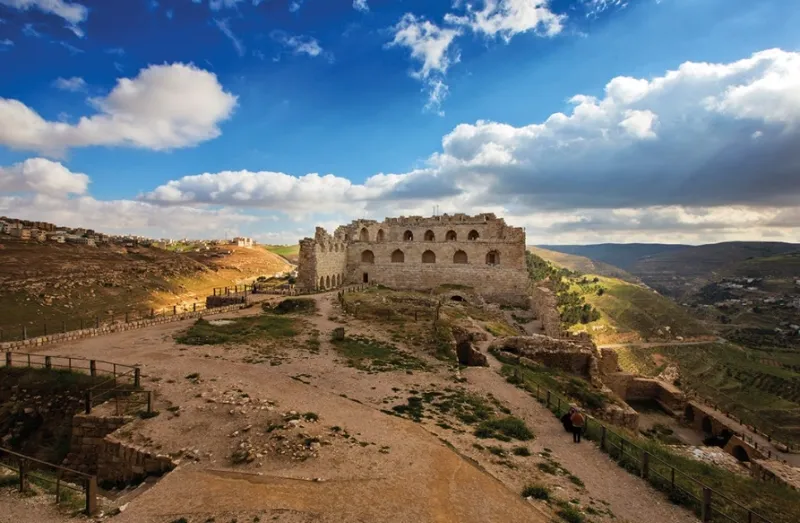
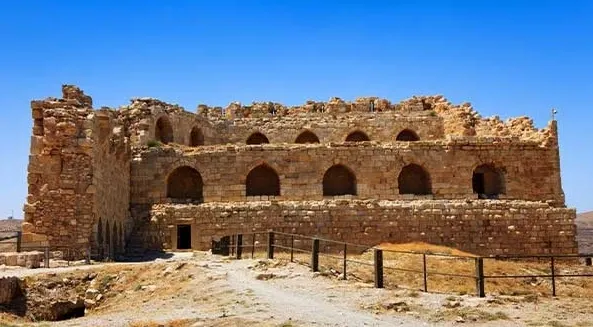
Located inside the magnificent Kerak Castle, the Karak Archaeological Museum is one of Jordan's most fascinating historical museums. It preserves archaeological discoveries spanning prehistoric settlements, the Moabite Kingdom, Roman and Byzantine civilizations, the Crusader era, Islamic dynasties, and the Ottoman period.
For travelers interested in archaeology, medieval history, and Jordan's cultural heritage, the museum provides the perfect complement to exploring the castle itself. Every gallery reveals another chapter in the story of Karak, allowing visitors to better understand why this hilltop city played such an important role for more than three thousand years.
Whether you're following the King's Highway or exploring Jordan's historical landmarks, the Karak Archaeological Museum is an essential stop.
What Is the Karak Archaeological Museum?
The Karak Archaeological Museum is a historical museum housed inside Kerak Castle. Established to preserve and display artifacts excavated from Karak and the surrounding region, it offers visitors a chronological journey through Jordan's rich history.
Its collections include:
- Pottery
- Stone carvings
- Roman sculptures
- Byzantine mosaics
- Glassware
- Coins
- Jewelry
- Weapons
- Inscriptions
- Household objects
Unlike many museums where collections originate from different regions, most exhibits here were discovered in or around Karak, giving visitors a direct connection between the artifacts and the places they explore outside the museum walls.
Quick Facts
Location
Karak Archaeological Museum
Inside Kerak Castle
Karak Governorate
Jordan
Approximately:
- 140 km south of Amman
- 120 km north of Petra
- 30 km from the Dead Sea
Opening Hours
Generally open daily:
8:00 AM – 5:00 PM
Opening hours may vary during holidays.
Entrance Fee
Museum admission is included with the entrance ticket to Kerak Castle and the Jordan Pass.
Recommended Visit Duration
Allow:
- 45–60 minutes for the museum
- 2–3 hours for the complete castle complex
Best Time to Visit
The best seasons include:
- Spring
- Autumn
Morning visits provide cooler temperatures and fewer visitors.
History of the Karak Archaeological Museum
The museum was established to preserve the extraordinary archaeological discoveries made throughout Karak Governorate.
Because the region has been continuously inhabited for thousands of years, excavations have uncovered evidence from multiple civilizations, including:
- Prehistoric communities
- The Moabite Kingdom
- Nabataean settlements
- Roman occupation
- Byzantine churches
- Crusader fortifications
- Ayyubid rule
- Mamluk administration
- Ottoman governance
The museum occupies restored chambers within Kerak Castle, creating a unique setting where visitors explore history inside one of Jordan's greatest historical monuments.
Rather than separating artifacts from their original environment, the museum allows visitors to experience both the fortress and its archaeological discoveries together.
Why Visit the Karak Archaeological Museum?
The museum transforms a visit to Kerak Castle into a much deeper historical experience.
Instead of simply seeing medieval architecture, visitors gain an understanding of the people who lived, traded, worshipped, fought, and governed this strategic city throughout history.
Highlights include:
- Authentic archaeological discoveries
- Medieval military artifacts
- Ancient religious objects
- Roman sculptures
- Byzantine mosaics
- Everyday household items
- Educational exhibits
Every display helps explain how Karak evolved into one of Jordan's most significant historical centers.
Museum Collections
Pottery Collection
Ancient pottery represents one of the museum's richest collections.
Visitors can admire:
- Cooking vessels
- Storage jars
- Water containers
- Decorative ceramics
- Oil lamps
These artifacts illustrate how daily life changed across different historical periods.
Roman Artifacts
Roman influence remains visible through:
- Sculptures
- Coins
- Marble fragments
- Architectural decorations
These objects reveal Karak's importance during Roman rule.
Byzantine Collection
Beautiful religious artifacts include:
- Stone crosses
- Mosaic fragments
- Church decorations
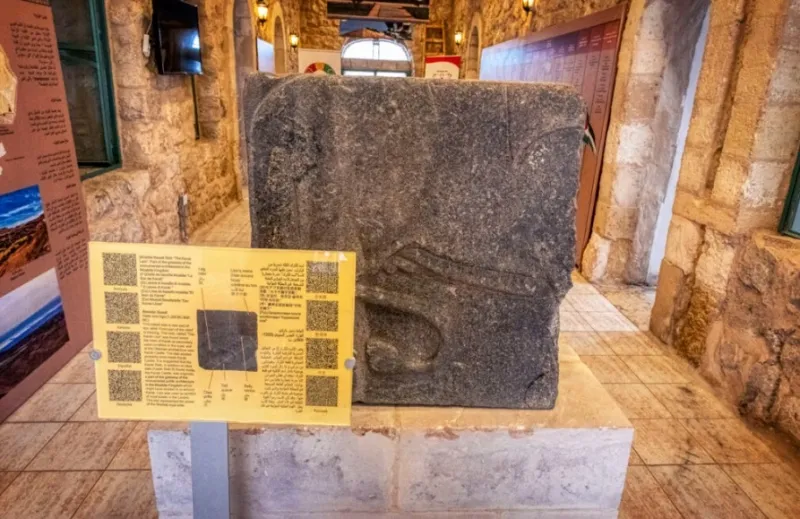
- Inscribed stones
These exhibits highlight Karak's importance as a Christian center during the Byzantine period.
Crusader Collection
One of the museum's most fascinating sections focuses on medieval military history.
Displayed objects include:
- Arrowheads
- Swords
- Armor fragments
- Military equipment
- Fortress construction materials
These collections help visitors imagine life inside Kerak Castle during the Crusades.
Islamic Artifacts
Following Saladin's conquest, Karak flourished under Islamic rule.
Museum displays include:
- Pottery
- Coins
- Glassware
- Decorative objects
- Calligraphic inscriptions
These collections illustrate centuries of continued development after the Crusader period.
Coins
The museum's coin collection spans numerous civilizations.
Visitors can compare currency used during Roman, Byzantine, Islamic, and Ottoman periods while learning about Karak's role along major trade routes.
Jewelry
Beautiful examples of ancient craftsmanship include:
- Rings
- Earrings
- Bracelets
- Beads
- Decorative ornaments
These discoveries provide insight into local fashion and social life throughout history.
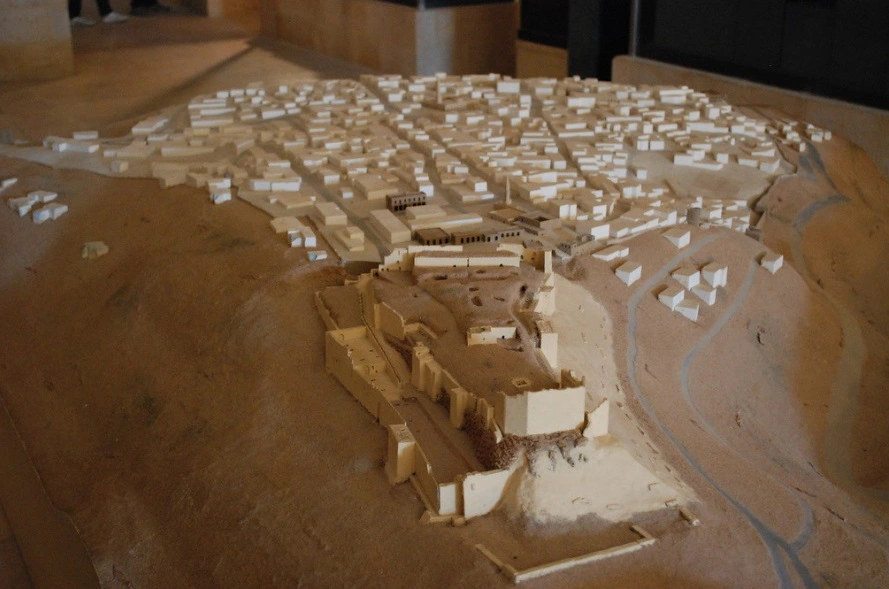
What to Expect During Your Visit
Visitors entering the museum can expect an educational yet enjoyable experience.
Chronological Exhibits
Artifacts are displayed according to historical period, allowing visitors to follow Karak's development through thousands of years.
Informative Displays
Explanatory panels provide historical background, archaeological context, and descriptions of important discoveries.
Authentic Atmosphere
Because the museum occupies original rooms within Kerak Castle, visitors enjoy an immersive historical environment unlike conventional museums.
Excellent Photography Opportunities
Stone architecture, archaeological displays, and medieval surroundings create wonderful photography opportunities while respecting museum regulations.
Educational Experience
Whether you're an archaeology enthusiast or simply curious about Jordan's history, the museum offers valuable insight into one of the country's most fascinating regions.
Why the Museum Completes Your Kerak Experience
Many travelers focus only on Kerak Castle's towers and tunnels.
However, the Karak Archaeological Museum completes the story by introducing the people behind the fortress.
Instead of viewing empty halls, visitors leave with a deeper appreciation of the civilizations that shaped Karak over thousands of years.
From prehistoric communities to Crusader knights and Islamic rulers, every artifact contributes another piece to the remarkable history of this legendary city.
Interesting Facts About the Karak Archaeological Museum
The Karak Archaeological Museum is one of Jordan's most important regional museums, preserving thousands of years of history within the walls of the famous Kerak Castle. Although smaller than the Jordan Museum in Amman, its unique location and carefully curated collections make it an essential stop for anyone interested in archaeology and medieval history.
Some fascinating facts include:
- The museum is housed inside the lower section of Kerak Castle, one of the largest Crusader fortresses in the Middle East.
- Its collections span more than 5,000 years of history, from prehistoric settlements to the Ottoman period.
- Most artifacts were excavated in Karak Governorate, making the exhibits closely connected to the surrounding landscape.
- The museum showcases objects from the Moabite, Nabataean, Roman, Byzantine, Crusader, Ayyubid, Mamluk, and Ottoman periods.
- Admission is included with the entrance ticket to Kerak Castle and the Jordan Pass.
Crowds at the Museum
Compared with Jordan's larger museums, the Karak Archaeological Museum offers a peaceful and relaxed atmosphere.
The busiest times are:
- Spring (March–May)
- Autumn (September–November)
- Weekends
- Public holidays
- Organized tour arrivals
Most visitors spend their time exploring the castle first, so the museum often remains pleasantly quiet.
For the best experience, visit early in the morning or after lunch when tour groups have moved on.
Distances from Major Attractions
The museum's location makes it an ideal stop while traveling along the King's Highway.
Approximate driving distances:
- Amman: 140 km
- Petra: 120 km
- Dead Sea: 30 km
- Dana Biosphere Reserve: 70 km
- Madaba: 95 km
- Mount Nebo: 90 km
- Little Petra: 130 km
- Queen Alia International Airport: 160 km
Nearby attractions within walking distance include:
- Kerak Castle
- Karak Old Town
- Local markets
- Scenic viewpoints overlooking the valleys
Weather
Because Karak sits at a relatively high elevation, temperatures remain cooler than many other regions of Jordan.
Spring
Mild temperatures, blooming hillsides, and comfortable walking conditions make spring one of the best times to visit.
Summer
Although afternoons can be warm, the museum's stone halls remain pleasantly cool.
Morning visits are recommended.
Autumn
Comfortable temperatures and clear skies make autumn another excellent season for sightseeing.
Winter
Cold weather, occasional rain, and even light snowfall can occur, creating a dramatic atmosphere around Kerak Castle.
Practical Travel Tips
Visit the Castle First
Many travelers prefer exploring Kerak Castle before entering the museum.
After walking through the fortress, the museum's collections provide valuable historical context that enhances the entire experience.
Allow Enough Time
Although relatively compact, the museum contains numerous fascinating exhibits.
Plan approximately 45–60 minutes for your visit.
Read the Information Panels
The museum's displays explain the historical significance of each collection and help visitors understand how Karak developed through different civilizations.
Bring a Camera
Photography is generally permitted for personal use in many areas, although flash may be restricted near sensitive artifacts.
Always follow museum regulations.
Wear Comfortable Shoes
Since your museum visit is combined with exploring Kerak Castle, comfortable walking shoes are highly recommended.
Purchase a Jordan Pass
The Jordan Pass includes admission to both Kerak Castle and the museum, making it excellent value for travelers visiting multiple attractions.
Real Traveler Insights
One of our travelers mentioned:
"The museum completed the entire castle experience. After seeing the pottery, coins, weapons, and ancient tools, I could finally imagine the people who once lived inside those incredible stone walls."
Visitors often say the museum is one of Karak's hidden gems because it explains the fortress's long history in a clear and engaging way.
Many travelers leave with a much deeper appreciation of Jordan's cultural heritage after visiting both the castle and the museum.
Nearby Attractions
Kerak Castle
One of the largest and best-preserved Crusader castles in the Middle East.
Karak Old Town
Explore traditional streets, local cafés, bakeries, and authentic Jordanian shops.
King's Highway
One of the oldest continuously used roads in the world, offering spectacular scenery and historic villages.
Dana Biosphere Reserve
Jordan's largest protected nature reserve is famous for hiking, wildlife, and breathtaking canyon landscapes.
Dead Sea
Relax in the world's lowest point on Earth and enjoy its famous mineral-rich waters.
Petra
Continue your journey south to Jordan's world-famous UNESCO World Heritage Site.
Frequently Asked Questions
Where is the Karak Archaeological Museum?
The museum is located inside Kerak Castle in the city of Karak, Jordan.
Is admission included with Kerak Castle?
Yes.
Museum admission is included with your castle ticket and the Jordan Pass.
How long should I spend at the museum?
Most visitors spend 45 minutes to one hour, depending on their interest in archaeology.
Is the museum suitable for children?
Yes.
Families enjoy the historical displays, ancient artifacts, and educational exhibits.
Can I take photographs?
Photography is generally allowed for personal use, but visitors should always follow current museum guidelines.
What are the museum's most famous exhibits?
Popular displays include:
- Ancient pottery
- Roman sculptures
- Byzantine artifacts
- Crusader weapons
- Coins
- Jewelry
- Glassware
- Stone inscriptions
Is the museum worth visiting?
Absolutely.
It provides essential historical context that greatly enhances a visit to Kerak Castle.
What is the best season to visit?
Spring and autumn offer the most comfortable weather for exploring both the museum and the castle.
Conclusion
The Karak Archaeological Museum offers an extraordinary journey through thousands of years of Jordanian history. Located within the magnificent Kerak Castle, it allows visitors to explore authentic artifacts from prehistoric settlements, the Moabite Kingdom, Roman and Byzantine civilizations, the Crusader era, and Islamic dynasties—all in one remarkable setting. Whether you're fascinated by archaeology, medieval history, or Jordan's cultural heritage, the museum provides an enriching experience that perfectly complements your visit to one of the country's greatest fortresses.
Book your Jordan Holiday Packages with Flying Carpet Tours and discover the Karak Archaeological Museum alongside Kerak Castle, Petra, Jerash, Madaba, the Dead Sea, and many more unforgettable destinations through expertly guided tours and personalized travel experiences.