
Luxor vs Aswan: Which City Should You Visit?
Introduction: Two Cities, Two Unforgettable Egyptian Experiences
“When I traveled to southern Egypt, I found myself choosing between Luxor and Aswan. Luxor attracted me with its magnificent temples, ancient royal tombs, and stories of powerful pharaohs. Aswan, on the other hand, promised peaceful Nile views, beautiful islands, colorful Nubian culture, and a slower pace of life. After exploring both destinations, I realized that each offered something different. Luxor made me feel as though I had stepped directly into ancient history, while Aswan gave me time to appreciate the beauty of the Nile and the traditions of southern Egypt.”
Luxor and Aswan are two of Egypt's most remarkable travel destinations, located along the Nile River in the country's south. Both offer extraordinary historical sites, unforgettable landscapes, and opportunities to experience Egyptian culture, but they appeal to travelers in different ways.
Luxor vs Aswan: Which City Should You Visit? The answer depends on your interests, travel style, available time, and the experiences you want to include in your Egyptian holiday.
Luxor is famous for its monumental temples, the Valley of the Kings, and its connection to the ancient city of Thebes. Aswan is known for Philae Temple, the Aswan High Dam, Nubian heritage, scenic river islands, and excursions to the magnificent temples of Abu Simbel.
Whether you are planning a cultural adventure, a relaxing Nile escape, or a longer journey through southern Egypt, understanding the differences between these destinations will help you create the right itinerary. With Egypt Classic Tours, you can explore both cities through carefully planned excursions, private guided tours, and memorable Nile journeys.
What Is the Difference Between Luxor and Aswan?
Luxor and Aswan are both major destinations for exploring ancient Egyptian civilization, but their attractions and atmospheres are different.
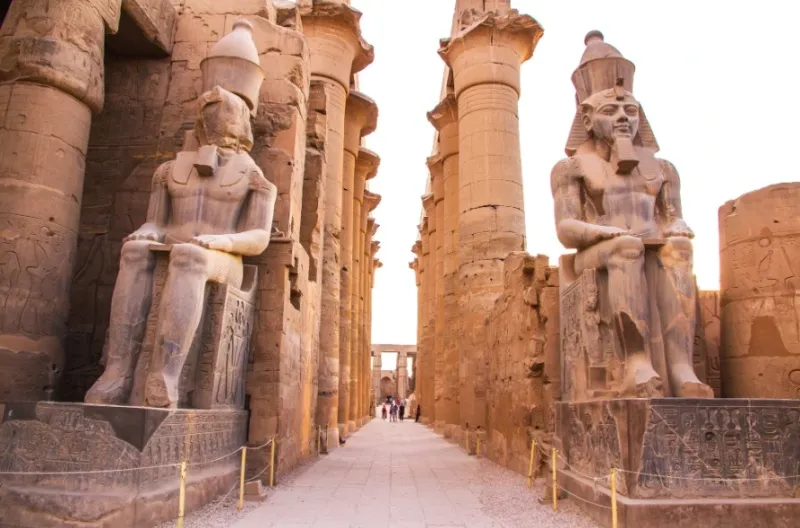
Luxor is particularly famous for the scale and concentration of its archaeological monuments. Visitors can explore Karnak Temple, Luxor Temple, the Valley of the Kings, the Temple of Hatshepsut, and numerous other sites connected to the pharaohs and the ancient city of Thebes.
Aswan combines archaeological attractions with beautiful Nile scenery and a distinctive southern Egyptian identity. Highlights include Philae Temple, the Unfinished Obelisk, the Nubian Museum, and the nearby temples of Abu Simbel.
Luxor is generally the stronger choice for travelers who want to spend several days exploring ancient Egyptian temples and royal tombs. Aswan is ideal for visitors who want a combination of history, river landscapes, Nubian culture, and a more relaxed atmosphere.
For travelers with sufficient time, visiting both cities offers the most complete experience.
Quick Facts: Luxor vs Aswan
Luxor at a Glance
-
Location: Southern Egypt, on both banks of the Nile River.
-
Main attractions: Karnak Temple, Luxor Temple, Valley of the Kings, Temple of Hatshepsut, Medinet Habu, and the Colossi of Memnon.
-
Typical opening hours: Many archaeological sites open around 6:00 AM and close between 5:00 PM and 8:00 PM, depending on the attraction and season.
-
Ticket prices: Admission is charged separately at many sites. As a planning example, the published foreign adult rate for Karnak Temple is EGP 600, while the Valley of the Kings standard ticket is listed at EGP 750. Special tombs may require additional tickets.
-
Recommended duration: Two to three days.
-
Best time to visit: October through April, particularly during the cooler morning hours.
-
Atmosphere: Archaeological, historic, and focused on monumental ancient Egyptian sites.
Aswan at a Glance
-
Location: Southern Egypt, along the Nile near the country's border with Sudan.
-
Main attractions: Philae Temple, Aswan High Dam, Unfinished Obelisk, Nubian Museum, Nubian villages, and Abu Simbel.
-
Typical opening hours: Philae Temple generally opens from 7:00 AM to 4:00 PM, while Abu Simbel generally opens from 6:00 AM to 5:00 PM. Other attractions have their own schedules.
-
Ticket prices: Published foreign adult admission rates include EGP 550 for Philae Temple and EGP 750 for Abu Simbel. Transportation, boat transfers, and other services may cost extra.
-
Recommended duration: Two days, or three days if visiting Abu Simbel and enjoying additional cultural activities.
-
Best time to visit: October through April, when temperatures are generally more comfortable.
-
Atmosphere: Scenic, cultural, relaxed, and closely connected to Nubian heritage and the Nile.
Opening hours and ticket prices can change. Check the official Egyptian Ministry of Tourism and Antiquities website before your visit. The figures above are planning references rather than guaranteed prices.
1. Luxor: A Journey into the World of the Pharaohs
Luxor is one of the world's most important archaeological destinations. Much of the modern city stands near the remains of ancient Thebes, a major religious and political center during several periods of Egyptian history.
For visitors interested in temples, hieroglyphics, royal tombs, and monumental architecture, Luxor offers an exceptional concentration of attractions.
Karnak Temple: A Monumental Religious Complex
Karnak Temple is one of Luxor's most impressive attractions. Rather than a single building, it is an extensive complex of temples, courtyards, columns, and sacred spaces developed by numerous rulers over many centuries.
The Great Hypostyle Hall is especially famous for its enormous columns decorated with inscriptions and reliefs. Walking through this area gives visitors a sense of the scale and ambition of ancient Egyptian religious architecture.
Karnak is an excellent starting point for understanding Luxor's importance as a center of worship dedicated principally to the god Amun-Ra.
Allow at least two hours for a comfortable visit, although history enthusiasts may want longer.
Luxor Temple: Ancient History in the Modern City
Luxor Temple stands close to the modern city center and offers a different experience from Karnak.
Its monumental entrance, statues, columns, and decorated walls reveal the artistic achievements of ancient Egyptian builders. The temple was closely connected with royal ceremonies and religious festivals.
Because of its central location, Luxor Temple is easy to combine with a walk along the Nile Corniche or an evening exploring the city.
An evening visit can be especially atmospheric when the monuments are illuminated, subject to current opening arrangements.
Valley of the Kings: The Tombs of the Pharaohs
On Luxor's West Bank, the Valley of the Kings contains royal tombs created for pharaohs and other rulers of the New Kingdom.
The tombs were cut into the surrounding rock and decorated with colorful scenes, hieroglyphic inscriptions, and religious texts intended to guide the deceased through the afterlife.
The Valley of the Kings is also associated with the discovery of Tutankhamun's tomb in 1922, one of the most celebrated archaeological discoveries in history.
Standard admission generally includes a specified selection of open tombs. Entry to certain famous tombs may require an additional ticket.
Because the site is outdoors and involves walking, visiting early in the morning is recommended.
Temple of Hatshepsut: Architecture Against the Cliffs
The Temple of Hatshepsut stands at Deir el-Bahari, beneath dramatic limestone cliffs on Luxor's West Bank.
Dedicated to one of ancient Egypt's most notable female rulers, the temple is famous for its terraces, colonnades, and carefully arranged architectural design.
Its setting makes it one of Luxor's most photogenic attractions, while its inscriptions and reliefs reveal aspects of Hatshepsut's reign and royal achievements.
Other Attractions in Luxor
Visitors with additional time can explore Medinet Habu, the Colossi of Memnon, the Ramesseum, and other archaeological sites across the West Bank.
A hot air balloon flight at sunrise is another popular experience, offering views of the Nile Valley, agricultural fields, and ancient monuments from above. Flights depend on weather conditions and aviation approvals.
Luxor's variety means that travelers can spend several days exploring without running out of historical attractions.
2. Aswan: The Beauty of the Nile and Nubian Culture

Aswan offers a different rhythm from Luxor. Although it contains important ancient monuments, its appeal also comes from its river scenery, islands, traditional communities, and distinctive cultural heritage.
The city served as a gateway between ancient Egypt and Nubia, playing an important role in trade and communication along the Nile.
Philae Temple: A Sanctuary Dedicated to Isis
Philae Temple is one of Aswan's most celebrated attractions. The complex is associated with the goddess Isis and features impressive columns, reliefs, courtyards, and sacred spaces.
The temple stands on Agilkia Island, where the complex was relocated during the international UNESCO-led campaign to protect monuments threatened by the rising waters associated with the Aswan High Dam.
Reaching the temple involves a boat transfer, which adds to the experience and provides beautiful views of the surrounding water.
The island setting, architectural details, and historical significance make Philae a highlight of any Aswan itinerary.
Aswan High Dam: Modern Engineering and National History
The Aswan High Dam is one of Egypt's most important modern engineering projects.
Completed in the twentieth century, it transformed water management along the Nile, supporting irrigation and electricity generation while helping regulate seasonal flooding.
The dam also contributed to the creation of Lake Nasser, one of the world's largest artificial lakes by surface area.
A visit provides a different perspective on Egypt's relationship with the Nile, complementing the ancient monuments found throughout the region.
The Unfinished Obelisk: Ancient Stoneworking Skills
Located in Aswan's ancient granite quarries, the Unfinished Obelisk offers an opportunity to understand how monumental stone objects were created.
The enormous obelisk remains attached to the bedrock because a flaw developed during the carving process. Its unfinished state allows visitors to observe the working methods used by ancient Egyptian stoneworkers.
The site demonstrates the extraordinary technical ambition required to produce the obelisks and statues that later became symbols of Egyptian architecture.
Nubian Villages: Culture, Color, and Hospitality
Nubian culture is an important part of Aswan's identity.
A visit to a Nubian village can introduce travelers to distinctive architecture, colorful house facades, traditional crafts, local food, and the history of Nubian communities along the Nile.
Many visitors enjoy traveling by boat, walking through village streets, and learning about local traditions from residents and guides.
Choose responsible cultural experiences that respect residents' privacy, traditions, and daily life.
Abu Simbel: A Remarkable Excursion from Aswan
The temples of Abu Simbel are among Egypt's most extraordinary monuments. Located approximately 290–300 kilometers south of Aswan, they were commissioned by Ramesses II and carved into the rock.
The Great Temple features four colossal seated statues of the king, while the smaller temple is dedicated to Queen Nefertari and the goddess Hathor.
The temples were relocated in an international rescue operation during the 1960s to protect them from the rising waters of Lake Nasser after the construction of the High Dam.
Abu Simbel is usually visited on a separate excursion from Aswan. Travelers should expect an early departure and several hours of round-trip road travel.
For many visitors, this excursion is one of the defining experiences of southern Egypt.
3. History and Background: How Luxor and Aswan Developed
Luxor and Ancient Thebes
Luxor's historical importance is closely connected with ancient Thebes, which became a major center of power and religion during important periods of Egyptian history.
The rulers of the New Kingdom expanded monumental temple complexes and constructed royal tombs in the surrounding hills.
The east and west banks developed distinct religious associations. The east bank contained major temples and areas of settlement, while the west bank became associated with royal burial grounds and funerary monuments.
Today, this concentration of archaeological sites makes Luxor one of the most rewarding destinations for exploring the civilization of the pharaohs.
Aswan and the Southern Gateway of Egypt
Aswan has long been a strategic location connecting Egypt with Nubia and regions farther south.
Its granite quarries supplied stone for important monuments, while its position along the Nile supported trade and transportation.
The region's history reflects a mixture of Egyptian and Nubian influences, visible in its archaeology, cultural traditions, and historic connections.
Modern Aswan is also closely associated with the High Dam and the international campaign to relocate threatened Nubian monuments, including Philae and Abu Simbel.
Both cities preserve different chapters of Egypt's history, making them complementary rather than interchangeable destinations.
4. What to Expect: Luxor vs Aswan
What to Expect in Luxor
Luxor is a destination for travelers who enjoy active sightseeing and want to spend substantial time exploring archaeological sites.
A typical day might include a morning visit to Karnak Temple, a break for lunch, and an afternoon visit to Luxor Temple. Another day could focus on the West Bank, including the Valley of the Kings, the Temple of Hatshepsut, and the Colossi of Memnon.
Many attractions involve walking across large outdoor areas, climbing steps, and standing in the sun. Comfortable footwear, sun protection, and adequate drinking water are essential.
Luxor also offers hotels, restaurants, local markets, Nile-side cafes, and traditional sailing experiences. Visitors can balance historical exploration with relaxing evenings by the river.
What to Expect in Aswan
Aswan is often associated with a slower pace and beautiful river scenery.
A typical day could include a morning excursion to Philae Temple, a visit to the High Dam, and a relaxing boat trip around the Nile islands. In the evening, you might enjoy local food, browse traditional markets, or watch the sun set over the river.
A Nubian village visit offers another perspective on the region's culture and community life.
If Abu Simbel is part of your plans, expect a long day with an early departure. This excursion is rewarding but should not be treated as a short local visit.
Aswan can feel more relaxed than Luxor, but popular attractions and organized excursions can still become busy.
5. Crowds, Distances, and Weather
Which City Is Busier?
Luxor attracts travelers interested in its major archaeological sites, particularly during the cooler months. Karnak Temple and the Valley of the Kings can become busy when multiple tour groups arrive.
Aswan also welcomes substantial numbers of visitors, especially around Philae Temple and during the Nile cruise season. Abu Simbel can be busy during peak periods and around the famous solar-alignment dates.
For both destinations, starting early helps you avoid some of the midday heat and larger tour groups.
How Far Apart Are Luxor and Aswan?
Luxor and Aswan are approximately 230–250 kilometers apart by road, depending on the route and exact starting and ending points.
Travel options include trains, private vehicles, and Nile cruises. Train journeys commonly take several hours, while road transfers vary according to traffic and stops. A Nile cruise usually covers the route over multiple days and may include visits to Edfu and Kom Ombo.
The best option depends on whether you prioritize speed, comfort, sightseeing, or the experience of traveling along the Nile.
What Is the Weather Like?
Both cities have a hot desert climate, with very hot summers and generally mild winters.
October through April is usually the most comfortable period for sightseeing. During summer, temperatures can become extremely high, particularly in the middle of the day.
Aswan is generally farther south and can be especially hot during summer. Luxor also experiences intense heat, particularly at exposed archaeological sites.
Plan outdoor sightseeing for early morning when possible, wear lightweight clothing that covers and protects your skin, and carry water throughout the day.
6. Which City Is Better for Different Types of Travelers?
For History Lovers: Luxor
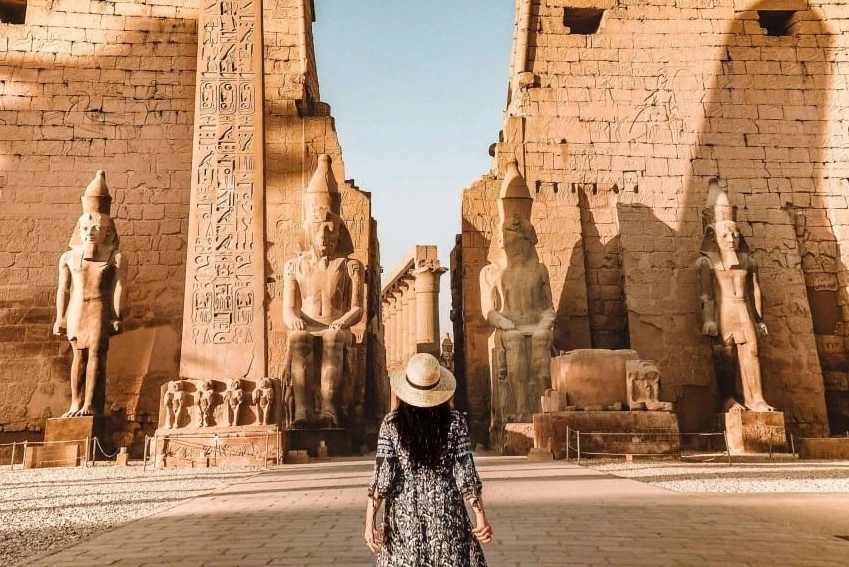
Luxor is usually the stronger choice if your main goal is exploring ancient Egyptian history.
Its temples, royal tombs, inscriptions, and archaeological landscapes provide an exceptional introduction to the country's ancient civilization.
Travelers with two or three days can explore a broad range of sites without needing to travel far outside the city.
For Relaxation: Aswan
Aswan is an excellent choice for travelers seeking a more relaxed atmosphere alongside cultural sightseeing.
Boat trips, riverside views, island landscapes, and Nubian experiences provide a different pace from a schedule focused on major archaeological sites.
It is particularly appealing for couples, photographers, and travelers who want time to enjoy the scenery.
For Families: Both Cities
Families can enjoy both destinations, but the best choice depends on children's ages and interests.
Luxor offers impressive monuments and opportunities to learn about pharaohs and ancient life. Aswan offers boat rides, cultural experiences, and a scenic setting that may appeal to younger travelers.
Families should plan breaks, avoid excessive midday walking, and select a manageable number of attractions each day.
For Photographers: Aswan and Luxor
Luxor is ideal for photographing monumental temples, decorated tombs where photography is permitted, and dramatic desert landscapes.
Aswan offers beautiful Nile views, island scenery, feluccas, and distinctive Nubian architecture.
If photography is a major interest, spending time in both cities provides a wider variety of landscapes and subjects.
For First-Time Visitors to Egypt
If you have time for only one city, choose Luxor for a history-focused trip and Aswan for a combination of culture, river scenery, and relaxation.
If you have at least four or five days available for southern Egypt, combining both destinations is a particularly rewarding option.
7. Can You Visit Luxor and Aswan on the Same Trip?
Yes. Visiting both cities is one of the best ways to explore southern Egypt.
A well-planned itinerary allows you to discover Luxor's major temples and tombs before continuing south to Aswan for Philae Temple, Nubian culture, and an optional Abu Simbel excursion.
Suggested Five-Day Itinerary
Day 1: Arrive in Luxor and Explore the East Bank
Visit Karnak Temple and Luxor Temple. Spend the evening relaxing at your hotel or enjoying a walk along the Nile Corniche.
Day 2: Explore Luxor's West Bank
Visit the Valley of the Kings, the Temple of Hatshepsut, and the Colossi of Memnon. An optional sunrise hot air balloon flight can be arranged, subject to weather conditions and availability.
Day 3: Travel from Luxor to Aswan
Travel by train, private vehicle, or Nile cruise. Depending on your transport arrangements, you may visit Edfu and Kom Ombo along the way.
Day 4: Discover Aswan
Visit Philae Temple, the Aswan High Dam, and the Unfinished Obelisk. Add a boat trip or Nubian village visit if time allows.
Day 5: Optional Abu Simbel Excursion
Leave early for Abu Simbel to explore the magnificent temples of Ramesses II and Queen Nefertari. Return to Aswan according to your transportation schedule.
This itinerary can be adjusted according to your arrival and departure times. If you prefer a more relaxed holiday, add an extra night to either city.
8. Nile Cruises: A Scenic Way to Connect Both Cities
A Nile cruise is one of the most enjoyable ways to travel between Luxor and Aswan.
Instead of arranging every transfer separately, you can spend several nights aboard a river vessel while traveling between major historical destinations.
Many itineraries include stops at Edfu and Kom Ombo, allowing you to explore additional temples between the two cities.
Cruise packages vary by vessel, cabin category, sailing schedule, and included services. Some include meals, guided excursions, and transfers, while others offer different arrangements.
Before booking, confirm the itinerary, departure date, included sightseeing, entrance fees, meal plan, and transportation arrangements.
A cruise is particularly suitable for travelers who want to combine cultural discovery with time to enjoy the river scenery.
However, it is not the only way to travel between the cities. Trains and private transfers may be better for travelers with limited time or a preference for independent sightseeing.
9. Practical Travel Tips for Visiting Luxor and Aswan
A few preparations can make your southern Egypt trip much more comfortable.
Start sightseeing early. Morning visits are generally more comfortable, especially at open-air archaeological sites.
Wear suitable clothing. Lightweight, breathable clothing, comfortable walking shoes, sunglasses, and a hat are useful throughout the year.
Stay hydrated. Carry water during excursions and take breaks when necessary.
Check ticket information. Admission fees and opening hours differ between sites. Confirm current information through official channels before your visit.
Book popular excursions in advance. Consider arranging Abu Simbel, hot air balloon flights, and Nile cruises ahead of time, especially during peak season.
Allow enough travel time. Journeys between Luxor and Aswan can take several hours. Avoid scheduling major activities too close to train departures, cruise check-ins, or flights.
Consider a professional guide. An Egyptologist can explain the historical background of temples, inscriptions, and tombs, helping you understand more than you would from the monuments alone.
Respect local communities. When visiting Nubian villages, ask permission before photographing people and follow your guide's advice about local customs.
Keep your schedule realistic. It is tempting to fit every attraction into one trip, but allowing time for meals, rest, and unexpected delays will make the experience more enjoyable.
10. Real Traveler Insights: What Makes Each Destination Special?
One of our travelers might describe Luxor as the place where ancient Egyptian history became real. Standing among the massive columns of Karnak or entering a decorated royal tomb can create a powerful connection with the people who built these monuments thousands of years ago.
Visitors often say that Aswan feels different because of its scenery and atmosphere. The river, islands, traditional sailing boats, and Nubian heritage create opportunities to slow down and appreciate another side of Egypt.
For travelers who visit both, the contrast is often the most memorable part of the journey. Luxor provides an intensive archaeological experience, while Aswan combines history with nature and living cultural traditions.
These descriptions reflect common travel themes rather than verified quotations from specific customers. Individual experiences vary according to the season, itinerary, guides, and time available.
11. Frequently Asked Questions
Is Luxor better than Aswan?
Luxor is generally better for travelers who prioritize ancient temples, royal tombs, and archaeological exploration. Aswan is ideal for those who want beautiful Nile scenery, Nubian culture, and a more relaxed atmosphere. Both destinations are worth visiting.
Is Aswan worth visiting?
Yes. Aswan offers Philae Temple, the High Dam, the Unfinished Obelisk, Nubian cultural experiences, and access to Abu Simbel. Its river scenery also makes it one of southern Egypt's most distinctive destinations.
How many days do I need in Luxor?
Two full days are a useful starting point for visiting the major East and West Bank attractions. Three days allow additional time for other monuments, museums, or a hot air balloon experience.
How many days should I spend in Aswan?
Two days are usually sufficient for the main city attractions. Consider three days if you want to include Abu Simbel, additional cultural activities, or a more relaxed schedule.
Can I travel from Luxor to Aswan by train?
Yes. Train services connect Luxor and Aswan, although journey times and departure schedules vary. Check the current timetable and book ahead when possible.
Is a Nile cruise worth it?
A Nile cruise can be an excellent choice if you want a scenic journey between the cities with organized sightseeing stops. Compare the included excursions, accommodation, meals, and travel dates before booking.
Is Abu Simbel part of Aswan?
Abu Simbel is located far south of Aswan, near Lake Nasser. It is commonly visited on a separate day trip involving an early departure and several hours of road travel.
Which city is hotter, Luxor or Aswan?
Both cities experience very hot summers. Aswan is farther south and can be particularly hot, but actual temperatures vary with the season and weather conditions.
What is the best month to visit Luxor and Aswan?
October through April is generally a comfortable period for sightseeing. December, January, and February are popular months because daytime conditions are often milder, although evenings can be cool.
Should I visit Luxor or Aswan first?
Many travelers start in Luxor and continue south to Aswan, especially when taking a Nile cruise. However, the best order depends on your flights, hotel arrangements, and onward travel plans.
Conclusion: Luxor or Aswan — Which City Should You Choose?
Choosing between Luxor and Aswan depends on the kind of Egyptian holiday you want.
Luxor is an outstanding destination for travelers fascinated by pharaohs, monumental temples, royal tombs, and ancient Egyptian architecture. Aswan offers a memorable combination of archaeological landmarks, Nubian heritage, beautiful Nile landscapes, and opportunities to relax.
If you love history and have time for only one destination, Luxor is an excellent starting point. If you prefer scenery, cultural encounters, and a slower pace, Aswan may be the better fit.
For the most rewarding experience, consider visiting both cities and discovering how their histories, landscapes, and traditions complement each other.
Ready to explore southern Egypt? Visit the Egypt Classic Tours website to discover private guided excursions, Luxor and Aswan holiday packages, Nile cruises, and Abu Simbel trips. Let us help you plan a memorable journey through the temples, landscapes, and cultural treasures of Egypt.