
Grand Egyptian Museum vs. Egyptian Museum: What's the Difference?
Introduction: Discover Two Remarkable Museums in Cairo
“When I planned my first trip to Cairo, I knew I wanted to explore the treasures of ancient Egypt. I had heard about the historic Egyptian Museum in Tahrir Square, but friends also recommended the impressive Grand Egyptian Museum near the Giza Pyramids. I decided to learn about both, and I quickly discovered that each offered a different experience. One introduced me to the history of Egyptian archaeology through its traditional galleries, while the other impressed me with its modern architecture, spacious exhibition halls, and extraordinary collection of ancient artifacts. Comparing the two helped me understand why both museums deserve attention.”
The Grand Egyptian Museum and the Egyptian Museum are two of Cairo's most important cultural attractions. Both preserve extraordinary archaeological treasures, but they differ in location, architecture, exhibition style, collections, and visitor experience.
If you are planning a holiday in Egypt, understanding the difference between the Grand Egyptian Museum vs. Egyptian Museum can help you decide which attraction best suits your interests. Whether you love ancient pharaohs, royal jewelry, monumental statues, or the fascinating story of Tutankhamun, both museums offer valuable insights into one of the world's oldest civilizations.
With Egypt Classic Tours, you can plan your Cairo sightseeing experience and discover the history, monuments, and cultural treasures that make Egypt such a remarkable destination.
What Is the Difference Between the Grand Egyptian Museum and the Egyptian Museum?
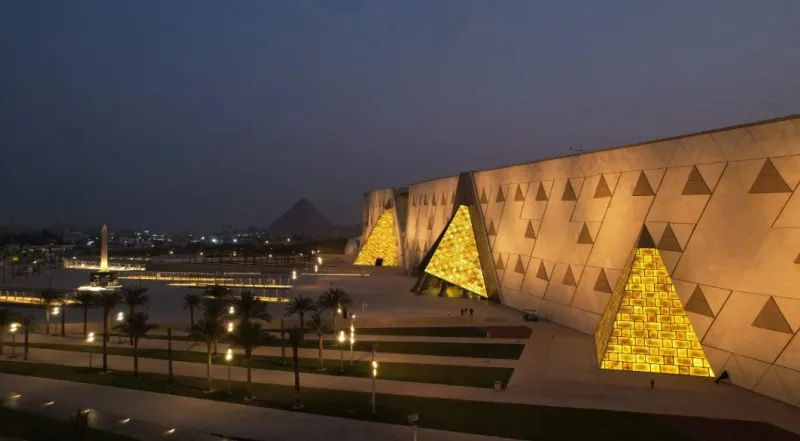
The Grand Egyptian Museum, commonly known as GEM, is a modern archaeological museum located near the Giza Pyramid Complex. It features contemporary architecture, extensive exhibition galleries, major collections of ancient Egyptian artifacts, and modern visitor facilities.
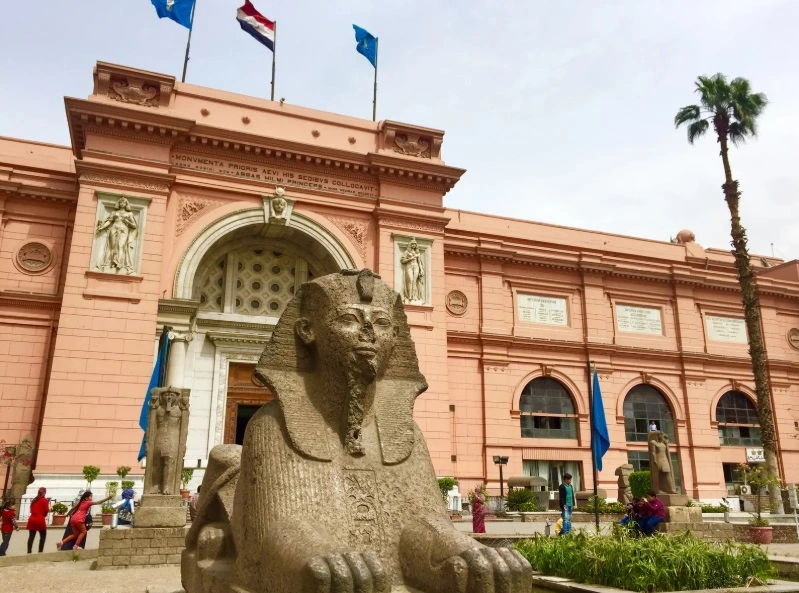
The Egyptian Museum is the historic institution located in Tahrir Square in central Cairo. Opened in 1902, it became internationally recognized for its archaeological collections, including statues, coffins, papyri, jewelry, and artifacts associated with Egypt's ancient rulers.
The most noticeable difference is the way visitors experience ancient Egyptian history. GEM presents artifacts in a modern setting with spacious galleries and carefully organized exhibitions. The Egyptian Museum offers a traditional museum atmosphere and a historic connection to more than a century of archaeological discoveries.
Both museums are important, but they serve different purposes for visitors. One represents a modern approach to displaying Egypt's heritage, while the other preserves the legacy of historic museum collecting and Egyptian archaeology.
Quick Facts: Grand Egyptian Museum vs. Egyptian Museum
Grand Egyptian Museum
-
Location: Near the Giza Pyramid Complex, along the Cairo–Alexandria Desert Road.
-
Opening hours: Generally, the complex opens from 8:30 AM to 7:00 PM, while galleries open from 9:00 AM to 6:00 PM on Sundays, Mondays, Tuesdays, Thursdays, and Fridays. On Wednesdays and Saturdays, the complex stays open until 10:00 PM, with galleries open until 9:00 PM.
-
Ticket prices: Admission prices vary by nationality, ticket category, and any additional experiences. Check the official ticketing website before visiting.
-
Recommended duration: Approximately 3–5 hours, with longer visits possible for history enthusiasts.
-
Best time to visit: Early morning on a weekday for a more relaxed experience.
-
Main highlights: Tutankhamun Galleries, Main Galleries, Grand Hall, Grand Staircase, and the Khufu's Boats Museum.
Egyptian Museum in Cairo
-
Location: Tahrir Square, downtown Cairo.
-
Opening hours: Generally, 9:00 AM–5:00 PM daily, although special schedules and seasonal changes may apply.
-
Ticket prices: The published standard rate for international adult visitors is EGP 550, while student admission is EGP 275. Egyptian rates are different.
-
Recommended duration: Approximately 2–3 hours, or longer if you want to explore the collections in detail.
-
Best time to visit: Early morning, especially during busy tourist periods.
-
Main highlights: Ancient statues, sarcophagi, papyri, jewelry, royal artifacts, and the museum's historic galleries.
Important: Opening hours and ticket prices can change. Confirm current details with each museum before your visit.
1. Location: Which Museum Is Better for Your Cairo Itinerary?
Location is one of the most important differences between the two museums, particularly if you have limited time in Cairo.
Grand Egyptian Museum: Near the Giza Pyramids
The Grand Egyptian Museum stands close to the Giza Pyramid Complex, making it a natural addition to a day exploring the pyramids and the Great Sphinx.
Its location allows travelers to combine modern museum galleries with the monumental landscape of ancient Egypt. Depending on traffic, the journey between central Cairo and GEM may take around 30–60 minutes or longer.
The museum's setting is particularly convenient for visitors staying near Giza or planning a private sightseeing tour that includes the pyramids.
Egyptian Museum: In the Heart of Downtown Cairo
The Egyptian Museum is located in Tahrir Square, surrounded by central Cairo's busy streets, historic buildings, hotels, and restaurants.
It is a convenient option for travelers staying downtown or exploring other attractions in the city center. Visitors can also experience a different side of Cairo, where modern urban life meets a museum that has welcomed generations of history enthusiasts.
The journey from downtown Cairo to Giza depends on traffic and the time of day.
Which location should you choose?
Choose GEM if your sightseeing plans focus on the Giza pyramids. Choose the Egyptian Museum if you want to explore downtown Cairo or prefer a shorter visit between central city attractions.
2. History and Background: Old Museum vs. New Landmark
The Egyptian Museum's Historic Legacy
The Egyptian Museum in Cairo opened in 1902 and became one of the world's most important institutions dedicated to ancient Egyptian antiquities.
Its collection grew through archaeological excavations, discoveries from royal tombs, and the work of generations of Egyptian and international Egyptologists. For decades, the museum served as the principal home for many of Egypt's most famous ancient treasures.
The building itself has historical significance. Its traditional exhibition spaces, display cases, and monumental objects reflect an earlier era of museum design.
For visitors who appreciate the history of archaeology as well as the artifacts themselves, the Egyptian Museum offers a particularly rewarding experience.
The Grand Egyptian Museum: A Modern Approach to Ancient History
The Grand Egyptian Museum was developed to provide a major new home for important Egyptian antiquities and to create a contemporary environment for displaying and interpreting ancient civilization.
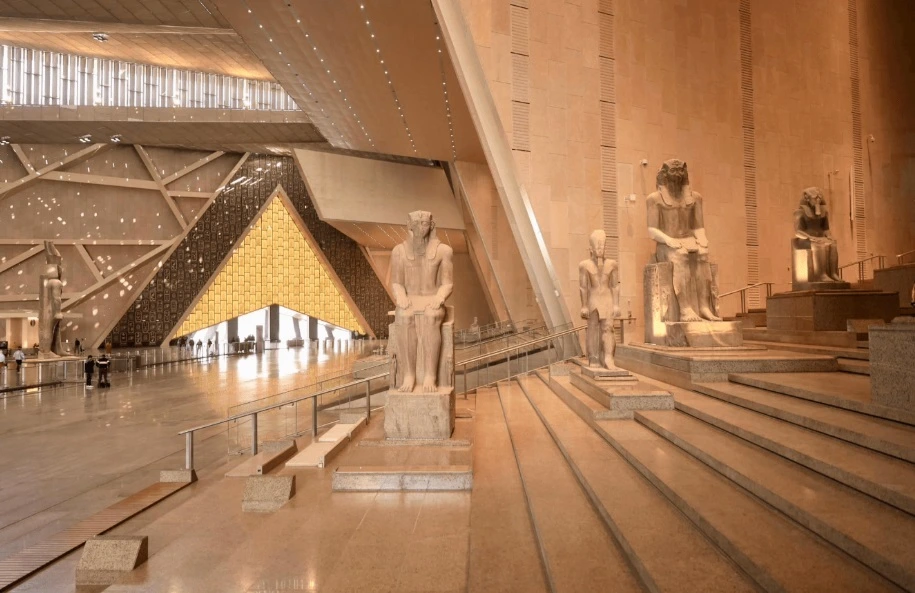
Its architecture incorporates expansive spaces, natural light, monumental design elements, and modern visitor facilities. The building's scale makes the museum a landmark in its own right.
GEM also presents ancient Egyptian objects through more structured exhibition areas, helping visitors follow themes and historical periods more easily.
Its position near the pyramids creates a powerful connection between the museum experience and the archaeological landscape of Giza.
Together, the two museums demonstrate how Egypt's approach to preserving and presenting its heritage has developed over time.
3. Collections and Treasures: What Can You See?
The collections are central to any comparison between the Grand Egyptian Museum and the Egyptian Museum.
What to Expect at the Grand Egyptian Museum
GEM offers a large collection of ancient Egyptian artifacts presented through modern galleries and exhibition spaces.
Highlights include:
The Tutankhamun Galleries
The Tutankhamun collection is one of the museum's major attractions. Visitors can explore objects associated with the young pharaoh, whose tomb was discovered in the Valley of the Kings in 1922.
The collection helps explain royal life, burial traditions, craftsmanship, and ancient Egyptian beliefs about the afterlife. The famous golden funerary mask is among the best-known objects associated with Tutankhamun, although visitors should check the museum's current display information for specific exhibits.
The Main Galleries
These galleries present artifacts from different periods of ancient Egyptian civilization. Statues, ceremonial objects, everyday items, and religious artifacts help visitors understand how Egyptian society developed over thousands of years.
The Grand Staircase
The monumental staircase features large statues and other archaeological objects arranged to create an impressive introduction to the museum's collections.
It is also an architectural highlight and a popular place for photographs.
The Khufu's Boats Museum
The museum includes a dedicated space for the boats associated with King Khufu, the pharaoh linked to the Great Pyramid at Giza. These remarkable vessels offer insight into ancient Egyptian boatbuilding, royal burial traditions, and beliefs about the afterlife.
What to Expect at the Egyptian Museum
The Egyptian Museum's collections reflect more than a century of archaeological research and display.
Royal Statues
The galleries contain impressive sculptures representing Egyptian rulers and important historical figures. These objects reveal details about royal authority, religious beliefs, artistic conventions, and the ways pharaohs wanted to be remembered.
Jewelry and Personal Objects
Ancient jewelry, ornaments, and personal possessions demonstrate the technical skill of Egyptian craftspeople and the importance of status, beauty, and symbolism.
Sarcophagi and Funerary Objects
The museum's coffins, burial objects, and related artifacts help explain ancient Egyptian funerary customs and beliefs about life after death.
Papyri and Everyday Artifacts
Written documents and objects from daily life reveal details about administration, religion, trade, and ordinary activities in ancient Egyptian society.
Some of the museum's most famous collections have moved to other institutions as Egypt has developed new museum displays. Therefore, travelers should not assume that every celebrated artifact historically associated with the Egyptian Museum remains there today.
4. Architecture and Visitor Experience
The difference between the museums is immediately apparent when you enter.
A Modern Experience at GEM
The Grand Egyptian Museum emphasizes space, light, accessibility, and contemporary presentation.
Its broad walkways and large exhibition areas can make it easier to move between displays and appreciate monumental objects. Clearer thematic organization also helps visitors understand how individual artifacts fit into the wider story of Egyptian civilization.
The complex includes visitor services, gardens, retail areas, and places to rest, making it possible to spend several hours exploring.
For families, first-time visitors, and travelers who enjoy modern cultural attractions, the environment can be especially appealing.
A Traditional Experience at the Egyptian Museum
The Egyptian Museum offers a more traditional archaeological atmosphere.
Its historic building, established galleries, and dense displays can feel like a journey through the history of Egyptology itself. The experience may be less streamlined than GEM, but this is part of its character.
Visitors often enjoy discovering unexpected objects in different rooms and comparing artifacts from various periods.
If you love historic museums and prefer a classic approach to exploring collections, the Egyptian Museum remains an excellent choice.
5. Crowds, Weather, and How Much Time Do You Need?
Planning your visit around crowds and weather can make a significant difference.
Crowds
Both museums can attract substantial numbers of visitors, particularly during popular travel seasons, school holidays, and peak sightseeing hours.
GEM's larger scale provides more expansive visitor spaces, but this does not mean it will always be quieter. Special exhibitions, tour groups, and popular galleries can become busy.
The Egyptian Museum's historic galleries may feel crowded when multiple groups arrive together.
For either attraction, arriving early and purchasing tickets in advance when available can help you plan more efficiently.
Weather
Cairo has hot summers, mild winters, and generally limited rainfall. Summer afternoons can be particularly hot, while winter mornings and evenings may feel cooler.
Because both museums are primarily indoor attractions, they are suitable throughout the year. However, walking between outdoor areas, waiting for transportation, and visiting nearby monuments may be less comfortable during hot weather.
If you plan to combine GEM with the pyramids, consider exploring the outdoor archaeological site early and arranging your museum visit around the day's temperature and schedule.
Distances and Transportation
GEM is near the Giza pyramids, while the Egyptian Museum is in downtown Cairo.
Travel times depend on your hotel, traffic, and the transportation option you choose. Allow extra time when traveling between the two areas, especially during rush hour.
A private vehicle with a professional driver can make the journey more convenient, particularly for families, small groups, or travelers following a full-day itinerary.
6. Which Museum Is Better for Different Travelers?
The right choice depends on what you want from your trip.
For First-Time Visitors to Egypt
The Grand Egyptian Museum is an excellent option if you want a modern introduction to ancient Egyptian civilization and plan to visit the Giza pyramids.
Its scale, organized galleries, and major collections can make it an appealing starting point.
For History and Archaeology Enthusiasts
Both museums are rewarding.
GEM offers modern displays and major collections, while the Egyptian Museum provides a historic atmosphere and an opportunity to explore the legacy of Egyptian archaeology.
If you have enough time, visiting both gives you a broader understanding of Egypt's heritage.
For Families with Children
GEM may be more comfortable for families who appreciate spacious public areas and modern facilities. Its large objects and varied displays can also help younger visitors engage with ancient history.
However, the best choice depends on children's ages, interests, walking tolerance, and the length of the visit.
Plan breaks and avoid trying to cover every gallery in a single trip.
For Travelers with Limited Time
If you have only one day to explore the Giza area, GEM is a logical addition to a pyramids excursion.
If you are staying downtown and have a free morning, the Egyptian Museum may fit more naturally into your schedule.
7. Can You Visit Both Museums in One Day?
Yes, visiting both museums in one day is possible, but it requires careful planning.
A full visit to GEM can take three to five hours, while the Egyptian Museum may require two to three hours. Adding transportation between them means the day can become long.
If you want to explore both, consider the following approach:
-
Start at the Egyptian Museum in the morning.
-
Allow approximately two to three hours to explore its major galleries.
-
Travel to GEM with enough time for the journey and entry procedures.
-
Focus on the galleries and collections that interest you most.
-
Avoid adding too many other attractions to the same day.
This itinerary works best for visitors who enjoy museums and are comfortable spending much of the day walking.
For a more relaxed experience, consider visiting the Egyptian Museum on one day and GEM alongside the Giza pyramids on another.
8. Practical Travel Tips for Visiting Either Museum
A little preparation will help you enjoy both museums more comfortably.
Book tickets through official channels. GEM's official ticketing website is the safest starting point for current ticket categories, entry slots, and availability. Check the Egyptian Museum's official website for its admission details.
Bring identification. You may need valid identification to confirm eligibility for discounted admission.
Wear comfortable shoes. Both museums involve walking, and GEM's extensive galleries can take several hours to explore.
Carry water for your sightseeing day. Stay hydrated, especially if your visit includes outdoor attractions around Giza.
Check photography rules. Photography policies may vary between galleries and individual exhibits. Follow posted instructions and avoid flash where prohibited.
Consider a professional Egyptologist guide. A guide can explain the symbolism, historical context, and significance of the objects you see, turning a collection of artifacts into a connected story.
Plan transportation in advance. Cairo traffic can be unpredictable. Allow sufficient time for transfers, especially if you have timed tickets.
Prioritize your interests. Instead of trying to see everything, identify the collections that matter most to you before entering.
9. Real Visitor Insights: What Makes Each Museum Memorable?
Travel experiences differ, but certain themes often shape visitors' impressions of the two museums.
One of our travelers might describe GEM as impressive because of its scale, contemporary design, and the way its major artifacts are displayed. The spacious environment can make the museum feel like a destination in itself rather than simply another stop on a sightseeing tour.
Visitors often say that the Egyptian Museum feels different because of its history and traditional character. Its galleries encourage exploration, and the building itself reflects the long relationship between archaeology, scholarship, and public interest in ancient Egypt.
Another important consideration is the guide's interpretation. A statue may be visually impressive on its own, but learning why a pharaoh commissioned it or how an artifact was used can make the experience far more meaningful.
These are general visitor-experience observations rather than quotations from a specific traveler. Your own experience will depend on the exhibits available, the crowds, and how much time you dedicate to exploring.
10. Frequently Asked Questions
Is the Grand Egyptian Museum better than the Egyptian Museum?
Neither museum is universally better. GEM offers a modern environment, extensive exhibition spaces, and major collections, while the Egyptian Museum provides a historic setting and a different perspective on Egyptology. The best choice depends on your interests and itinerary.
Is Tutankhamun's collection at the Grand Egyptian Museum?
GEM includes dedicated Tutankhamun Galleries and is a major destination for exploring objects associated with the famous pharaoh. Check current museum information for specific displays and access arrangements.
How long should I spend at the Grand Egyptian Museum?
Plan approximately three to five hours for a general visit. Visitors who enjoy archaeology or want to explore the collections in depth may need more time.
How long does the Egyptian Museum take to visit?
Around two to three hours is a useful starting point. If you enjoy reading exhibition information and examining artifacts closely, allow additional time.
Can I visit the pyramids and the Grand Egyptian Museum on the same day?
Yes. Their proximity makes them a practical combination for a full-day Giza itinerary. Start early, allow enough time for both experiences, and arrange transportation in advance.
Is the Egyptian Museum in Tahrir Square still worth visiting?
Yes. Its historic atmosphere, important collections, and place in the history of Egyptian archaeology make it a worthwhile attraction for visitors interested in ancient Egypt.
Which museum is better for photography?
GEM offers contemporary architecture and spacious interiors that can create striking photographic opportunities. The Egyptian Museum offers historic architecture and traditional exhibition spaces. Photography restrictions apply at both venues, so check the rules before taking pictures.
Are the museums suitable for children?
Yes. Both can introduce children to ancient Egyptian history, although the best choice depends on their interests and attention spans. Plan breaks and focus on a manageable selection of exhibits.
Do I need a guide to visit the museums?
A guide is not essential, but a knowledgeable Egyptologist can help explain the historical significance of artifacts, connect different periods, and answer questions that might otherwise go unanswered.
Should I visit both museums during my Egypt holiday?
If you have sufficient time and enjoy history, visiting both offers a broader experience. If your schedule is limited, choose the museum that best matches your interests and the location of your other planned attractions.
Conclusion: Which Museum Should You Choose?
The Grand Egyptian Museum and the Egyptian Museum offer two distinctive ways to discover ancient Egypt. GEM stands out for its contemporary design, extensive galleries, and location near the Giza pyramids. The Egyptian Museum remains an important destination for its historic character, remarkable antiquities, and lasting place in the story of Egyptian archaeology.
If you have time, visiting both can deepen your appreciation of Egypt's ancient civilization. If you must choose one, consider the collections you most want to see, where you are staying, and how much time you have available.
Ready to explore Cairo's remarkable history? Visit the Egypt Classic Tours website to discover sightseeing options, private guided tours, and tailor-made Egypt holidays. Let a carefully planned itinerary help you experience the treasures of ancient Egypt with greater comfort, insight, and confidence.