
Kerak Castle: Jordan's Mighty Crusader Fortress and Medieval Masterpiece
My First Visit to Kerak Castle
"The moment I saw Kerak Castle rising above the hilltop, I knew this wasn't going to be an ordinary historical site. As I stepped through its massive stone gateway and wandered into its dimly lit passageways, I could almost hear echoes of knights, soldiers, and merchants who had once crossed these halls. Standing atop the fortress walls, overlooking the valleys stretching for miles across Jordan, I realized why Kerak Castle has fascinated travelers for centuries. It wasn't simply a castle—it was a journey through medieval history."
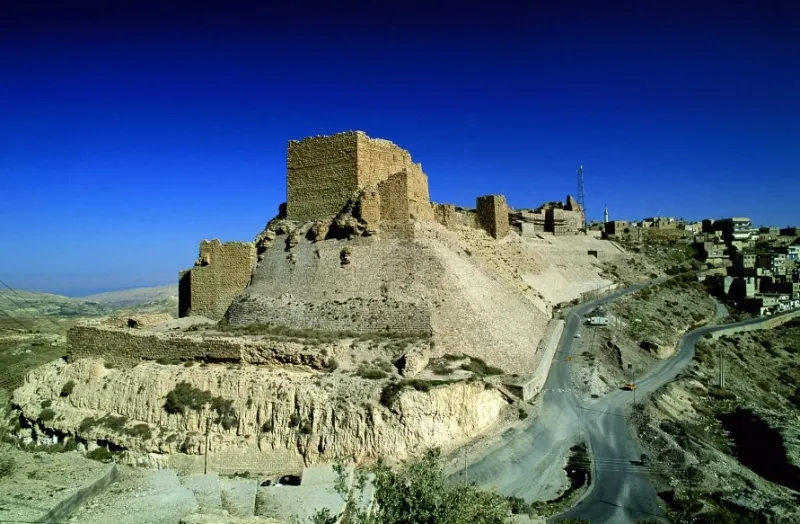
Perched dramatically above the modern city of Kerak, Kerak Castle is one of the largest and best-preserved Crusader castles in the Middle East. Built during the 12th century, this extraordinary fortress played a central role in the Crusades and later became an important stronghold under Islamic rulers. Today, it remains one of Jordan's most impressive historical landmarks, attracting visitors interested in medieval architecture, military history, archaeology, and panoramic landscapes.
Whether you're traveling along the King's Highway or exploring Jordan's cultural treasures, Kerak Castle offers an unforgettable glimpse into the country's rich past.
What Is Kerak Castle?
Kerak Castle is a massive medieval fortress constructed by the Crusaders in 1142 AD. Strategically positioned on a triangular hill nearly 1,000 meters above sea level, the castle overlooks ancient trade routes connecting Egypt, Syria, Arabia, and Jerusalem.
Its powerful defensive design, underground tunnels, thick stone walls, and commanding views made it one of the most formidable fortifications of the Crusader Kingdom of Jerusalem.
Today, Kerak Castle is recognized as one of Jordan's top historical attractions and a highlight of any journey through the country's central highlands.
Quick Facts About Kerak Castle
Location
Kerak City, Karak Governorate, Jordan
Approximately:
- 140 km south of Amman
- 120 km north of Petra
- 30 km east of the Dead Sea
Opening Hours
Generally open daily:
8:00 AM – 5:00 PM
Hours may vary during public holidays and Ramadan.
Entrance Fee
Included with the Jordan Pass.
Individual tickets are available for visitors without the pass.
Recommended Visit Duration
Allow:
- 2–3 hours to fully explore the castle.
- Half a day if combined with the archaeological museum and old town.
Best Time to Visit
The ideal seasons are:
- Spring (March–May)
- Autumn (September–November)
These months offer pleasant temperatures and excellent sightseeing conditions.
History of Kerak Castle
The history of Kerak Castle is deeply connected to the Crusades, one of the most significant periods in medieval history.
Construction began in 1142 AD under Pagan the Butler, a Crusader lord serving the Kingdom of Jerusalem. The fortress was designed to protect trade routes and strengthen Crusader control over the region.
Its strategic location allowed defenders to monitor caravans traveling between Egypt, Damascus, Arabia, and Jerusalem.
The castle became even more famous under Reynald of Châtillon, one of the Crusades' most controversial figures. Reynald repeatedly attacked Muslim trade caravans despite existing peace agreements, provoking the famous Muslim leader Sultan Saladin.
In 1183, Saladin launched a major siege against Kerak Castle during a royal wedding taking place inside the fortress. According to historical accounts, Saladin ordered his troops not to bombard the wedding tower out of respect for the ceremony.
After years of conflict, Saladin successfully captured the castle in 1188, ending Crusader control over Kerak.
The fortress later served the Ayyubids, Mamluks, and Ottoman Empire, each leaving architectural additions that visitors can still explore today.
Why Visit Kerak Castle?
Kerak Castle is far more than an ancient ruin.
It offers visitors:
- Medieval military architecture
- Underground tunnels
- Panoramic mountain views
- Crusader history
- Islamic history
- Archaeological discoveries
- Family-friendly exploration
- Excellent photography opportunities
Unlike many castles that have been partially reconstructed, Kerak preserves much of its authentic medieval character.
Architecture of Kerak Castle
The fortress showcases outstanding military engineering.
Highlights include:
Massive Defensive Walls
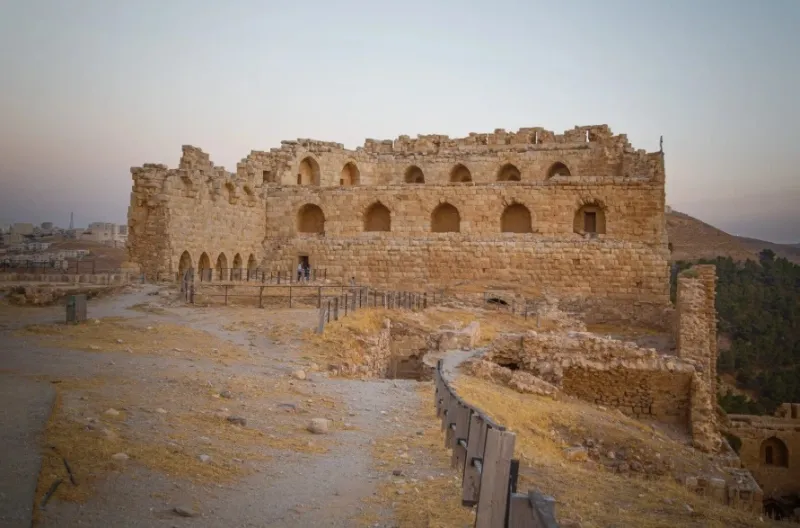
The castle's thick limestone walls were designed to withstand prolonged sieges and enemy attacks.
Some sections remain remarkably intact after nearly nine centuries.
Underground Passageways
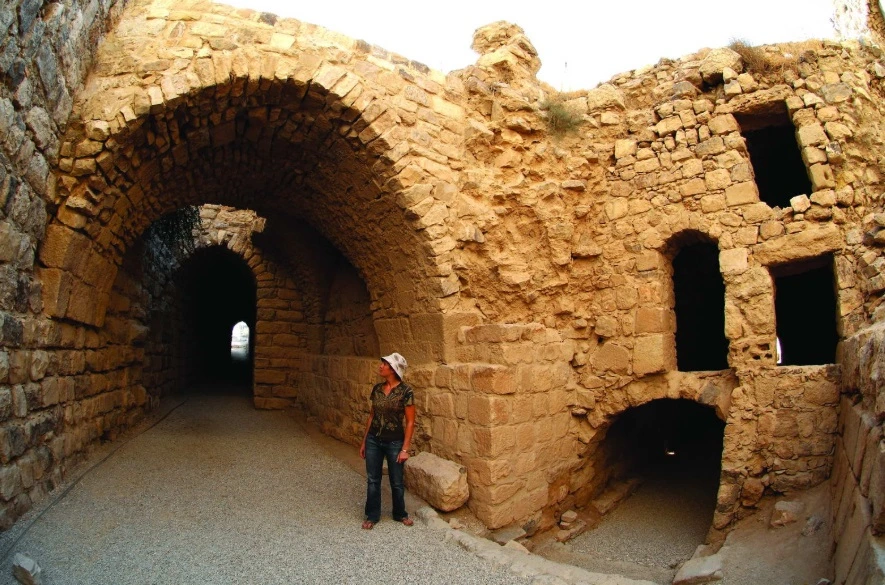
One of Kerak Castle's most fascinating features is its maze of underground tunnels.
These corridors once served as:
- Escape routes
- Storage rooms
- Military passages
- Supply tunnels
Exploring these dimly lit chambers is one of the highlights of any visit.
Towers and Battlements
Numerous watchtowers provided commanding views across the surrounding valleys, allowing defenders to detect approaching armies from great distances.
Courtyards
The large central courtyards once accommodated soldiers, horses, and military equipment.
Today, they offer excellent panoramic viewpoints for visitors.
Vaulted Halls
The castle's enormous vaulted chambers demonstrate remarkable medieval engineering.
These spaces were used for:
- Food storage
- Meetings
- Military planning
- Living quarters
Many remain surprisingly well preserved.
What to Expect During Your Visit
Visitors entering Kerak Castle quickly discover that the fortress is much larger than it appears from the outside.
Walk Through Medieval History
Stone staircases lead to hidden rooms, towers, tunnels, and ancient halls.
Every section reveals another chapter of the castle's fascinating story.
Spectacular Views
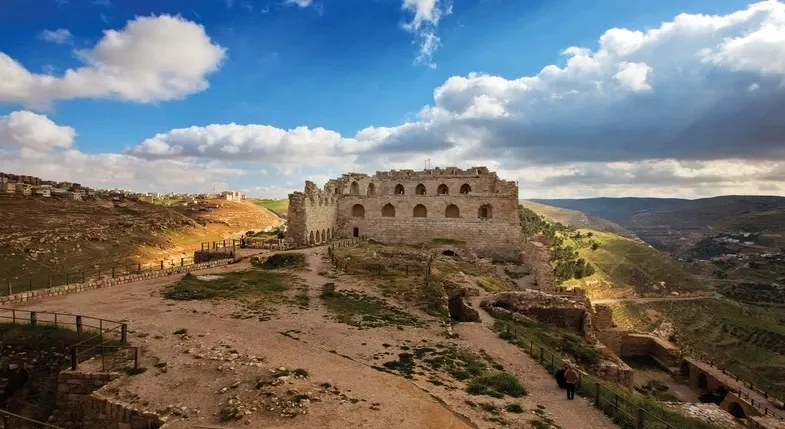
The castle overlooks dramatic valleys and rolling hills stretching across southern Jordan.
Photographers especially enjoy the panoramic scenery from the fortress walls.
Explore the Archaeological Museum
Located within the castle complex, the museum displays artifacts from the Moabite, Roman, Byzantine, Crusader, Mamluk, and Ottoman periods.
Visitors gain valuable insight into the region's long and diverse history.
Discover Hidden Passageways
Many travelers are surprised by the extensive network of underground corridors.
These mysterious tunnels create one of the most memorable parts of the visit.
Learn About the Crusades
Interpretive displays and local guides explain the dramatic events that shaped Kerak Castle, including Saladin's famous siege and the Crusader occupation.
Top Highlights of Kerak Castle
Some of the fortress's must-see attractions include:
- Medieval tunnels
- Defensive towers
- Crusader halls
- Panoramic viewpoints
- Archaeological Museum
- Ancient gateways
- Vaulted chambers
- Massive stone walls
- Historic battlements
Each area provides a unique perspective on life inside one of the Middle East's greatest medieval fortresses.
Why History Lovers Shouldn't Miss Kerak Castle
Few places in Jordan offer such a complete journey through medieval history.
Unlike many historical sites where only ruins remain, Kerak Castle still preserves its imposing structure, allowing visitors to walk through original corridors, climb ancient staircases, and imagine the dramatic events that unfolded within its walls nearly 900 years ago.
Its combination of Crusader architecture, Islamic history, breathtaking scenery, and authentic atmosphere makes Kerak Castle one of Jordan's most rewarding destinations for travelers interested in history, archaeology, and cultural heritage.
Interesting Facts About Kerak Castle
Kerak Castle is much more than one of Jordan's most famous landmarks. It is considered one of the finest surviving Crusader fortresses in the Middle East and has witnessed centuries of military campaigns, political struggles, and cultural change.
Here are some fascinating facts about the castle:
- Built in 1142 AD by the Crusaders.
- Captured by Sultan Saladin in 1188 after several famous sieges.
- Covers approximately 220 meters in length.
- Built on a triangular plateau nearly 1,000 meters above sea level.
- Contains underground tunnels stretching beneath the fortress.
- Features architecture from Crusader, Ayyubid, Mamluk, and Ottoman periods.
- Home to the Kerak Archaeological Museum.
- One of the largest medieval castles in the Levant.
Its impressive preservation allows visitors to experience authentic medieval architecture almost exactly as it appeared centuries ago.
Crowds at Kerak Castle
Kerak Castle receives thousands of visitors every year, yet it remains significantly less crowded than Petra.
The busiest periods include:
- Spring (March–May)
- Autumn (September–November)
- Jordanian holidays
- Weekends
- Organized coach tours
For the best experience:
- Visit between 8:00 AM and 10:00 AM
- Late afternoon also offers quieter conditions and beautiful lighting for photography.
Unlike larger tourist attractions, visitors often have plenty of space to explore the castle independently.
Distances from Major Attractions
Kerak Castle is perfectly positioned along Jordan's famous King's Highway.
Approximate driving distances:
- Amman: 140 km
- Petra: 120 km
- Dead Sea: 30 km
- Madaba: 95 km
- Mount Nebo: 90 km
- Dana Biosphere Reserve: 70 km
- Little Petra: 130 km
- Queen Alia International Airport: 160 km
Because of its location, Kerak is commonly included in road trips between northern and southern Jordan.
Weather at Kerak Castle
Spring
Temperatures range between 18°C and 25°C, making it one of the most pleasant seasons for sightseeing.
Wildflowers cover the surrounding hills, creating spectacular scenery.
Summer
Although temperatures may exceed 30°C, Kerak remains cooler than the Jordan Valley because of its elevation.
Morning visits are recommended.
Autumn
Comfortable weather and fewer visitors make autumn another excellent season.
The clear skies also provide outstanding panoramic views.
Winter
Winter can be cold and rainy, with occasional snowfall.
The castle looks especially dramatic beneath cloudy skies, but warm clothing is essential.
Practical Travel Tips
Wear Comfortable Walking Shoes
Kerak Castle includes:
- Uneven stone pathways
- Staircases
- Underground tunnels
- Sloping passages
Good footwear greatly improves the experience.
Bring Water
Exploring the fortress takes several hours.
Especially during warmer months, carrying bottled water is highly recommended.
Allow Plenty of Time
Many visitors underestimate the size of the castle.
Plan at least 2–3 hours for a complete visit.
Hire a Licensed Guide
Although information panels are available, a knowledgeable guide can explain fascinating stories about:
- Crusader battles
- Saladin
- Medieval engineering
- Daily life inside the fortress
Visit the Museum
Don't skip the Kerak Archaeological Museum inside the castle.
It provides valuable historical context before exploring the fortress itself.
Combine Nearby Attractions
Many travelers include:
- Dana Biosphere Reserve
- Petra
- Dead Sea
- Madaba
- Mount Nebo
during the same journey.
Real Traveler Insights
One of our travelers mentioned:
"The underground tunnels completely surprised me. Walking through the cool stone corridors while imagining medieval soldiers defending the fortress was unforgettable. The panoramic views from the castle walls were equally spectacular."
Visitors often say Kerak Castle is one of Jordan's most underrated attractions because it combines incredible history with relatively small crowds.
Photography enthusiasts especially recommend staying until late afternoon when the golden sunlight illuminates the castle's limestone walls.
Nearby Attractions
Kerak Archaeological Museum
Located inside the fortress, this museum displays pottery, inscriptions, weapons, jewelry, and artifacts spanning thousands of years.
Karak Old Town
Explore traditional streets filled with local bakeries, cafés, and family-owned shops.
King's Highway
Drive along one of the world's oldest trade routes while enjoying spectacular mountain scenery.
Dana Biosphere Reserve
Jordan's largest protected nature reserve is famous for hiking trails and breathtaking canyon landscapes.
Dead Sea
Only about 30 kilometers away, visitors can float in the world's saltiest sea and experience its famous mineral-rich mud.
Petra
Continue your Jordan adventure by visiting the UNESCO World Heritage Site of Petra, located approximately two hours south of Kerak.
Frequently Asked Questions
Where is Kerak Castle?
Kerak Castle is located in the city of Kerak in central Jordan along the historic King's Highway.
Why is Kerak Castle famous?
It is famous for being one of the largest and best-preserved Crusader castles in the Middle East and for its role during the Crusades.
Is Kerak Castle included in the Jordan Pass?
Yes.
Admission is included with the Jordan Pass.
How long should I spend at Kerak Castle?
Most visitors spend 2–3 hours, while history enthusiasts often stay longer.
Is the castle suitable for children?
Yes.
Families enjoy exploring the tunnels, towers, courtyards, and panoramic viewpoints.
Children should be supervised on staircases and elevated areas.
Can I visit Kerak Castle on a day trip?
Absolutely.
Many visitors travel from Amman, the Dead Sea, or Petra for a full-day excursion.
Is photography allowed?
Yes.
Kerak Castle offers some of Jordan's finest opportunities for landscape and architectural photography.
What is the best season to visit?
Spring and autumn provide the most comfortable temperatures and excellent sightseeing conditions.
Conclusion
Kerak Castle stands as one of Jordan's greatest historical treasures, preserving nearly nine centuries of fascinating military history, medieval architecture, and cultural heritage. From its massive defensive walls and mysterious underground tunnels to its breathtaking panoramic views, every corner of the fortress tells a story of courage, conflict, and survival. Whether you're fascinated by the Crusades, medieval engineering, or Jordan's remarkable history, Kerak Castle offers an unforgettable experience that belongs on every travel itinerary.
Ready to explore one of Jordan's most iconic landmarks? Book your Jordan Holiday packages with Flying Carpet Tours and discover Kerak Castle alongside Petra, Jerash, Madaba, the Dead Sea, and many more unforgettable destinations through expertly guided tours and seamless travel experiences.