
Henna Souk Fes: A Complete Guide to the Historic Market of Fez, Morocco
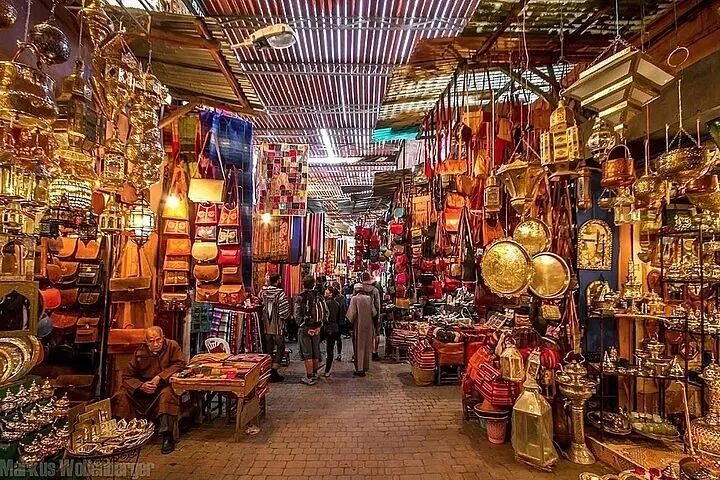
Few places capture the spirit of Morocco’s cultural heritage quite like Henna Souk Fes. Located in the heart of the ancient medina of Fez, this historic marketplace is one of the city's most fascinating attractions. Filled with colorful stalls, traditional crafts, fragrant herbs, natural cosmetics, and handmade pottery, the souk offers visitors an authentic glimpse into Moroccan daily life and centuries-old traditions.
Whether you are interested in history, shopping, photography, or cultural experiences, Henna Souk Fes provides a memorable journey through one of Morocco’s most famous imperial cities. This guide explores its history, significance, what to buy, practical visitor information, and useful travel tips to help you make the most of your visit.
Introduction to Henna Souk Fes
Henna Souk, often known locally as Souk el Henna, is one of the traditional markets located within the UNESCO-listed Medina of Fez. Unlike some of the larger commercial souks that focus on leather goods or textiles, this market developed around the trade of henna and traditional beauty products.
Today, visitors can find a variety of items ranging from natural henna powder and cosmetics to ceramics, perfumes, spices, herbal remedies, and handcrafted souvenirs. The market is smaller and often less crowded than other sections of the medina, making it an excellent place to experience authentic local culture.
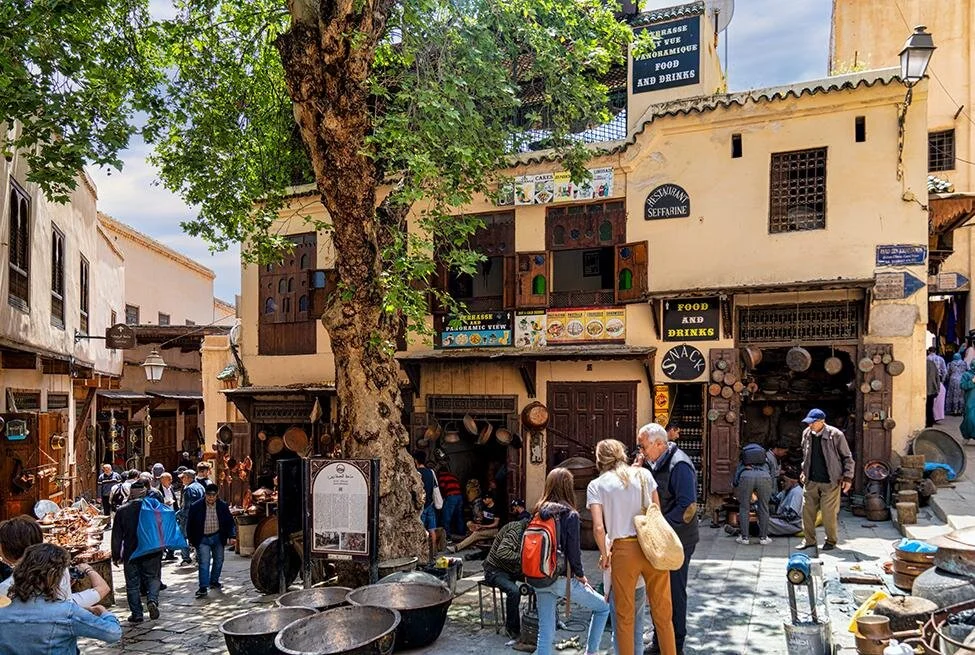
Walking through the narrow lanes surrounding the souk feels like stepping back in time. Traditional architecture, historic fountains, and artisan workshops preserve the atmosphere of medieval Morocco, creating an unforgettable experience for travelers.
Step beyond the ordinary and uncover the timeless charm of Fez with Fez Day Tours.
History of Henna Souk Fes
The origins of Henna Souk date back several centuries. Fez itself was founded in the late 8th and early 9th centuries and quickly became one of the most important centers of trade, religion, and education in North Africa.
As the city expanded, specialized markets emerged throughout the medina. Each market focused on particular goods and trades. Souk el Henna became the designated area where merchants sold henna, medicinal plants, perfumes, and beauty products.
Henna has long played an important role in Moroccan culture. It is used for weddings, religious celebrations, festivals, and personal decoration. Women traditionally apply intricate henna designs to their hands and feet during special occasions, symbolizing joy, beauty, and good fortune.
Over time, the market expanded beyond henna alone. Artisans began selling pottery, cosmetics, herbal remedies, jewelry, and household goods. Despite centuries of change, the souk has maintained its traditional character and remains a working marketplace serving both locals and visitors.
Historical Importance of the Souk
Henna Souk is much more than a shopping destination. It represents an important part of Fez's social and cultural history.
A Center of Traditional Medicine
For generations, local herbalists sold natural remedies in the market. Residents would visit these shops to purchase medicinal herbs, essential oils, rose water, and natural treatments passed down through generations.
Preservation of Ancient Traditions
The market continues to preserve traditional Moroccan customs related to beauty and personal care. Many products sold here are still prepared using traditional methods that have remained unchanged for centuries.
Connection to Artisan Culture
Fez is renowned for its craftsmanship. Henna Souk contributes to this reputation by supporting local artisans who produce ceramics, pottery, perfumes, and handmade goods using traditional techniques.
Part of the Historic Medina
The market forms part of the historic Medina of Fez, one of the world's largest car-free urban areas. Its narrow streets, historic buildings, and artisan workshops help preserve the city's unique identity and heritage.
What Makes Henna Souk Fes Special?
Authentic Atmosphere
Unlike some heavily touristed markets, Henna Souk retains a genuine local character. Residents continue to shop here for everyday products, creating a more authentic experience.
Rich Sensory Experience
The market appeals to all the senses:
-
The scent of herbs and spices fills the air.
-
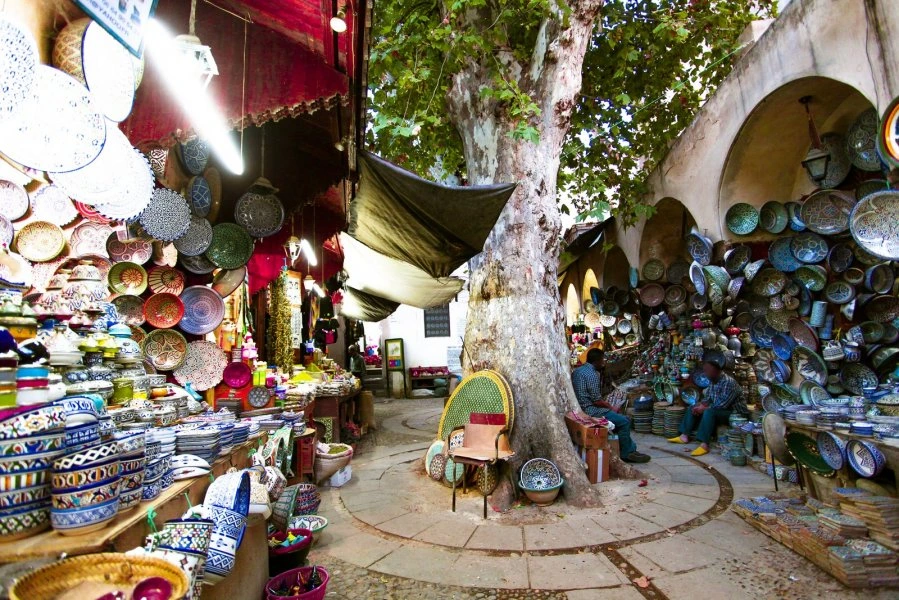
Brightly colored ceramics line the stalls.
-
Traditional music can sometimes be heard nearby.
-
Artisans demonstrate their crafts in small workshops.
Cultural Encounters
Visitors often have the opportunity to speak directly with merchants and artisans, learning about the history and uses of various products.
What to Buy at Henna Souk Fes?
One of the highlights of visiting the souk is shopping for traditional Moroccan products. Here are some of the most popular items available.
Natural Henna
Henna remains the market's signature product. Visitors can purchase:
-
Pure henna powder
-
Henna paste
-
Decorative henna kits
-
Traditional beauty products
Many vendors are happy to explain how henna is prepared and applied.
Moroccan Cosmetics
Traditional beauty products include:
-
Rose water
-
Argan oil
-
Black soap
-
Rhassoul clay
-
Natural perfumes
-
Kohl eyeliner
These products have been used in Moroccan beauty rituals for centuries.
Pottery and Ceramics
Fez is famous for its ceramics. Shoppers can find:
-
Decorative plates
-
Bowls
-
Serving dishes
-
Tea sets
-
Mosaic pieces
-
Handmade pottery
The distinctive blue-and-white designs of Fez ceramics are especially popular.
Spices and Herbs
Many shops sell:
-
Saffron
-
Cumin
-
Cinnamon
-
Mint
-
Herbal teas
-
Traditional medicinal herbs
These make excellent souvenirs and gifts.
Handmade Jewelry
Local artisans offer:
-
Silver jewelry
-
Beaded necklaces
-
Traditional Moroccan designs
-
Handmade accessories
Leather Goods
Although leather is more associated with other areas of the medina, visitors can still find quality leather products in and around the market.
Things to Do at Henna Souk Fes
Explore the Historic Market
Simply wandering through the narrow streets is an attraction in itself. Every corner reveals something interesting, from artisan workshops to hidden courtyards.
Watch Artisans at Work
Many craftspeople continue to use traditional methods. Visitors may observe potters shaping clay, artists painting ceramics, or merchants preparing herbal mixtures.
Photograph the Architecture
The surrounding area contains beautiful examples of traditional Moroccan architecture, including:
-
Decorative tilework
-
Wooden doors
-
Historic fountains
-
Ornate arches
Experience Local Culture
The souk offers one of the best opportunities to observe everyday life in the medina.
Shop for Authentic Souvenirs
Rather than purchasing mass-produced items, visitors can buy handcrafted goods directly from local artisans.
Visit Nearby Attractions
The market is close to several famous landmarks in Fez, making it easy to include in a larger walking tour of the medina.
Location
Henna Souk Fes is located within the historic Medina of Fez (Fes el-Bali), Morocco.
The market lies near several important historic sites and can be reached on foot from many areas of the old city. Because the medina is a maze of narrow streets, many visitors choose to use a local guide or navigation app to find it easily.
Address: Medina of Fez, Fes el-Bali, Fez, Morocco.
Opening Hours
Opening times may vary slightly depending on individual vendors and seasons, but generally:
Daily: 10:00 AM – 6:00 PM
Some shops may open earlier or close later, especially during busy tourist seasons.
Fridays may have temporary closures during prayer times.
Best Time to Visit
Best Season
The ideal seasons are:
-
Spring (March to May)
-
Autumn (September to November)
During these months, temperatures are pleasant for exploring the medina.
Best Time of Day
Morning is often the best time to visit because:
-
Temperatures are cooler.
-
The market is less crowded.
-
Photographs benefit from softer lighting.
Late afternoon can also be enjoyable, as the market becomes lively with local shoppers.
Recommended Duration
The amount of time you spend depends on your interests.
Quick Visit
30–60 minutes
Suitable for visitors who simply want to see the market and purchase a few souvenirs.
Standard Visit
1–2 hours
Allows time for browsing shops, taking photographs, and exploring nearby streets.
In-Depth Visit
2–3 hours
Ideal for those interested in shopping, interacting with artisans, and learning about local traditions.
What to Wear?
Comfort is essential when exploring the medina.
Recommended Clothing
-
Lightweight, breathable clothing
-
Comfortable walking shoes
-
Long pants or skirts
-
Modest tops that cover shoulders
-
A light jacket during cooler months
Footwear
The streets can be uneven and slippery in places, so sturdy shoes are highly recommended.
Cultural Respect
Morocco is generally welcoming to tourists, but modest clothing is appreciated, particularly in historic and traditional areas.
What to Bring?
To enjoy your visit, consider bringing:
-
Cash in Moroccan dirhams
-
Water bottle
-
Sunglasses
-
Sunscreen
-
Camera or smartphone
-
Small backpack
-
Portable charger
-
Shopping bag for souvenirs
Many smaller vendors may not accept credit cards.
Useful Tips for Visiting
Learn Basic Bargaining
Negotiation is a normal part of shopping in Moroccan souks. Always be polite and friendly when discussing prices.
Carry Small Change
Having smaller bills makes purchases easier and helps avoid change issues.
Take Your Time
The charm of the souk lies in wandering slowly and discovering hidden corners.
Ask Before Taking Photos
Many merchants welcome photographs, but it is courteous to ask first.
Compare Prices
Check several shops before making a major purchase.
Stay Aware of Your Surroundings
The medina is generally safe, but like any busy market, visitors should keep an eye on personal belongings.
Common Mistakes to Avoid
Buying the First Item You See
Many visitors purchase items immediately without comparing quality or prices elsewhere.
Forgetting to Negotiate
Bargaining is expected in many stalls and can often lead to better prices.
Wearing Uncomfortable Shoes
The medina involves extensive walking over uneven surfaces.
Getting Lost Without a Plan
The medina's maze-like streets can be confusing. Save your location on a map application before exploring.
Ignoring Product Quality
Inspect ceramics, pottery, and cosmetics carefully before purchasing.
Carrying Too Much Cash
Bring enough for shopping but avoid carrying large amounts of money.
FAQ
What is Henna Souk Fes famous for?
It is best known for traditional henna products, natural cosmetics, herbs, perfumes, pottery, and handcrafted Moroccan goods.
Is Henna Souk suitable for tourists?
Yes. The market welcomes visitors while maintaining an authentic local atmosphere.
Can I buy genuine henna there?
Yes. Many shops specialize in high-quality natural henna products.
How old is the market?
The market has existed for centuries and developed alongside the growth of the Medina of Fez.
Is bargaining expected?
Yes. Negotiation is common and often part of the shopping experience.
How much time should I spend there?
Most visitors spend between one and two hours exploring the market.
Is it safe to visit?
Generally yes. Standard precautions regarding valuables and personal belongings are recommended.
What souvenirs are best to buy?
Popular choices include henna products, ceramics, spices, perfumes, herbal remedies, and handmade jewelry.
Can I visit without a guide?
Yes, although some visitors prefer hiring a guide to better understand the market's history and navigate the medina.
When is the best time for photography?
Morning and late afternoon offer the most attractive lighting conditions.
Conclusion
A visit to Henna Souk Fes is one of the most rewarding experiences in Morocco's cultural capital. Combining centuries of history, traditional craftsmanship, vibrant commerce, and authentic local life, the market offers far more than a typical shopping experience. Whether you are searching for natural henna, beautiful ceramics, aromatic spices, or a deeper understanding of Moroccan heritage, the souk provides countless discoveries around every corner.
From its historical roots as a center for henna and herbal trade to its present role as a living showcase of Moroccan craftsmanship, Henna Souk Fes remains an essential destination for anyone exploring the ancient medina of Fez. Taking the time to wander its narrow lanes, meet local artisans, and appreciate its enduring traditions will leave you with unforgettable memories and a genuine connection to one of Morocco’s most historic marketplaces.
Turn your journey into a complete Moroccan experience and choose your perfect package through Morocco Holiday Packages.