
Things to Do in Luxor: 15 Unmissable Temples, Tombs & Nile Experiences
A Traveler’s Story: The Day I Fell for the City of a Hundred Gates
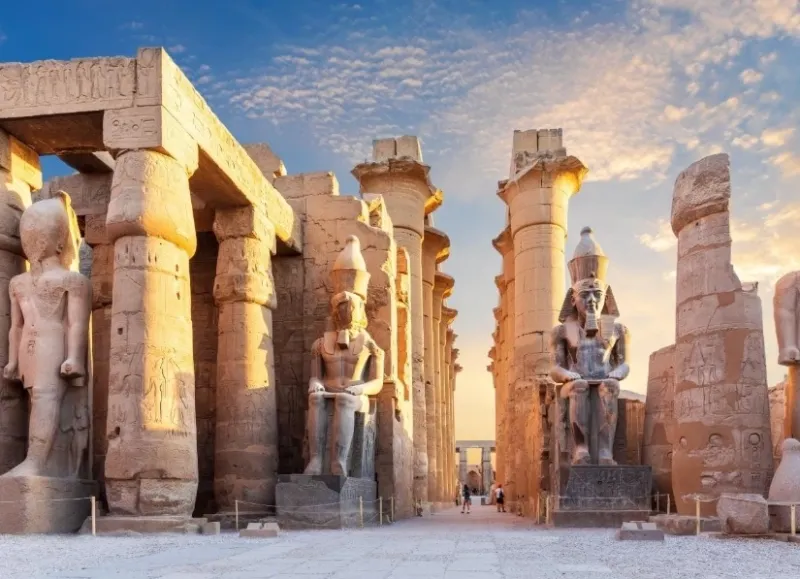
I arrived in Luxor on a morning flight from Cairo, expecting a smaller, quieter version of the capital. Instead, within an hour of dropping my bag at the hotel, I was standing at the foot of a colossal statue of Ramesses II, looking down an avenue lined with sphinxes. A man selling fresh orange juice nodded at me and said, “Welcome to the biggest museum in the world, and it has no roof.”
He was not far off. Over the next three days I walked through the forest of columns at Karnak, descended into a tomb where the paint looked as if it had dried last week, floated over the west bank in a hot air balloon at sunrise, and sailed a felucca at sunset while the call to prayer drifted across the water. I did not want to leave.
This guide shares what I wish I had known before I went. It covers the 15 best things to do in Luxor, what they cost, how long to allow, and how to avoid the mistakes that waste time and energy.
What Is Luxor, and Why Does It Matter?
Luxor is a city on the east bank of the Nile in Upper Egypt, built on and around the ruins of ancient Thebes, the capital of Egypt during the New Kingdom. It is often called the world’s greatest open-air museum, because it holds an extraordinary share of the ancient world’s surviving temples, tombs and monuments in a compact area.
The city is divided by the river. The east bank, where the sun rises, was the land of the living and holds the great temples. The west bank, where the sun sets, was the land of the dead and holds the royal tombs and mortuary temples. Seeing both sides is the key to understanding Luxor.
Quick Facts: Luxor at a Glance
- Location: Upper Egypt, on the Nile, roughly 670 kilometers south of Cairo. It is about 200 kilometers north of Aswan and is the usual starting or ending point for Nile cruises.
- Opening hours: Most temples and tombs open around 6:00 or 7:00 AM and close between 5:00 and 6:00 PM, with Luxor Temple and Karnak often open later in the evening. Hours change with the season and during Ramadan, so confirm them before you go.
- Prices: Entrance fees for foreign visitors vary by site. The Valley of the Kings, Karnak and the Temple of Hatshepsut are the main costs, and a few tombs need extra tickets. A private full-day tour with a guide and transport commonly costs roughly 50 to 150 USD per person, depending on inclusions. Prices and exchange rates change, so treat these as rough guides.
- Duration: Two full days is the minimum for the highlights. Three days allows a relaxed pace, and four days lets you add the balloon, a cruise day and some downtime.
- Best time to visit: October to April offers the most comfortable weather. Summer is extremely hot, so plan early mornings and long afternoon breaks.
A Short Background: From Thebes to Luxor
Thebes rose to prominence around 2000 BC and became Egypt’s religious and political capital during the New Kingdom, roughly 1550 to 1070 BC. Its patron god was Amun, later merged with the sun god Ra as Amun-Ra, and the priesthood of Amun grew powerful enough to rival the pharaohs themselves.
Pharaohs competed to add pylons, halls and obelisks to Karnak, which grew for around two thousand years into the largest religious complex ever built. On the west bank, rulers abandoned the pyramid and hid their tombs in a desert valley, hoping to protect their burials from robbers. Most were looted anyway, but the painted walls survived, and in 1922 the almost intact tomb of Tutankhamun was discovered there.
After the pharaonic age, the city shrank, and a village grew inside the ruins of Luxor Temple. Today, the modern city welcomes visitors from around the world, and archaeologists continue to uncover new discoveries beneath the sand.
What to Expect When You Visit Luxor
Scale and walking. The temples are enormous, and the days involve a lot of walking on uneven ground. Comfortable shoes matter more than anything else you pack.
Early starts. Dawn is the best time to visit, so expect a few early alarms, especially if you add the balloon ride.
Heat in the middle of the day. Even in winter, midday sun can be strong. Plan indoor or shaded breaks.
Friendly attention. Carriage drivers, boat captains and shop owners are common around the corniche and temples. A polite “no, thank you” and a steady pace work well, and agreeing prices before you start avoids confusion.
A relaxed city. Luxor is smaller and calmer than Cairo. Evenings are easy, with restaurants along the Nile and a pleasant corniche for walking.

15 Unmissable Things to Do in Luxor
East Bank: Temples and Town
1. Karnak Temple
The largest temple complex in Egypt, Karnak is a maze of pylons, courtyards, obelisks and sacred lakes. The Hypostyle Hall, with 134 enormous columns, is the highlight. Allow at least three hours, and go at opening time for quiet photos.
2. Luxor Temple
Located in the heart of the city, this temple is beautifully lit after dark and is often more atmospheric in the evening. It was linked to Karnak by an avenue of sphinxes about three kilometers long.
3. The Avenue of Sphinxes
The restored ceremonial road between Karnak and Luxor Temple is lined with hundreds of sphinx statues. A walk along it in the late afternoon is a wonderful way to connect the two temples.
4. Luxor Museum
A compact, well-designed museum with beautifully displayed statues and artifacts from Theban temples and tombs. It is a calm, air-conditioned stop and takes about one to two hours.
5. Mummification Museum
A small museum near the corniche explaining how the ancient Egyptians preserved their dead, with mummies of humans and animals. It is quick, interesting and suitable for families.
6. Luxor Corniche and Souq
Stroll the riverside promenade in the evening and wander the local souq for spices, textiles, lanterns and souvenirs. Prices are usually negotiable.
West Bank: Tombs and Mortuary Temples
7. Valley of the Kings
The burial place of New Kingdom pharaohs, including Tutankhamun, Ramesses VI and Seti I. A standard ticket usually covers three tombs, with extra tickets for the most famous ones. Visit early, as the tombs get hot and crowded later in the day.
8. Temple of Hatshepsut
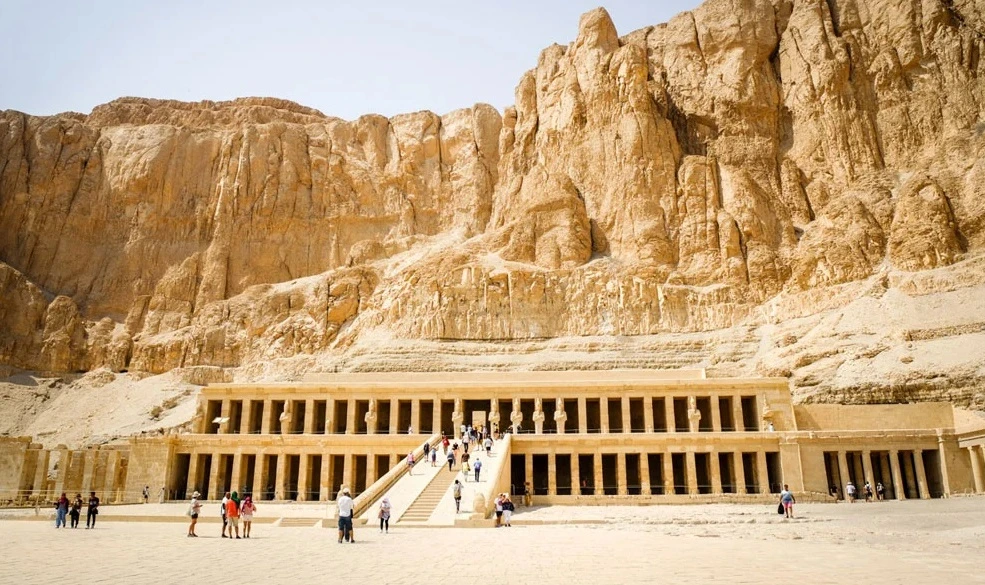
A dramatic terraced temple built for one of Egypt’s most successful female pharaohs, set against towering cliffs. The scale and symmetry make it one of the most photogenic places in the country.
9. Valley of the Queens
Home to the tomb of Queen Nefertari, wife of Ramesses II, often considered the most beautiful tomb in Egypt. Access to her tomb is limited and requires a separate, higher-priced ticket.
10. Colossi of Memnon
Two giant seated statues of Amenhotep III stand alone in the fields on the road to the west bank. It is a quick roadside stop, but worth it for the sense of scale.
11. Ramesseum and Medinet Habu
The Ramesseum is the mortuary temple of Ramesses II, and Medinet Habu, the mortuary temple of Ramesses III, is remarkable for its well-preserved reliefs and bright colors. Both are usually much quieter than the main sights.
12. Tombs of the Nobles and Deir el-Medina
The tombs of the nobles show scenes of everyday life, such as farming, feasting and fishing. Deir el-Medina was the village of the artisans who built the royal tombs, offering a fascinating glimpse of their world.
On the Nile and Beyond
13. Felucca Ride at Sunset
A traditional sailboat ride on the Nile, usually around banana island or along the corniche, is one of the most relaxing hours of any trip. Agree the price and duration before boarding.
14. Hot Air Balloon at Sunrise
Floating over the west bank at dawn gives a sweeping view of temples, fields and desert. Flights depend on weather and are often booked in advance.
15. Day Trip to Dendera and Abydos
Dendera Temple, known for its astronomical ceiling, and Abydos, home to the Temple of Seti I, make a rewarding day trip for those who have extra time. Both are much quieter than the main Luxor sites.
Useful Facts: Crowds, Distances, Weather and Timing
Crowds: Karnak, the Valley of the Kings and Hatshepsut Temple are busiest between 10:00 AM and 2:00 PM, when tour groups arrive from Nile cruises and day trips. Going at opening time, or visiting Luxor Temple in the evening, makes a big difference. High season runs from December to February.
Distances: Karnak and Luxor Temple are about three kilometers apart, which is a short drive or a longer walk. The west bank sites are spread across several kilometers, so a half-day by car is the easiest way to cover the main ones. The airport is about 10 to 15 kilometers from the city center.
Weather: From November to March, days are pleasant at around 22 to 28°C, with cool nights, so a light jacket helps. From May to September, temperatures often pass 40°C, and early starts and long midday breaks are essential. Rain is very rare.
Tip on timing: Visit the west bank in the early morning and the east bank in the late afternoon and evening. It keeps you out of the hottest hours and gives you softer light for photos.
Practical Travel Tips
- Start early. Cooler temperatures, softer light and fewer visitors make the experience far better.
- Hire a licensed guide. A good Egyptologist turns carved walls into stories, which matters at sites with few signs.
- Split the days by bank. Dedicate one day to the east bank and one to the west bank to avoid constant crossing.
- Carry small bills. Tips, tickets for extras and souvenirs are easier with small notes.
- Bring water and sun protection. Shade is limited, so carry a refillable bottle, hat, sunglasses and sunscreen.
- Wear sturdy shoes. Surfaces are uneven, and some tombs have steep steps.
- Dress modestly. Light clothing that covers shoulders and knees is practical and respectful.
- Check camera rules. Photography is restricted or charged in some tombs, so ask before taking photos.
- Book popular extras early. Balloon flights, special tomb tickets and private guides fill up quickly in high season.
- Leave breathing room. Luxor rewards slow travel, so avoid packing every hour.
What Travelers Often Say About Luxor
One of our travelers mentioned that Luxor surprised them more than Cairo, because the temples felt more personal and less crowded. They said that walking through Karnak at opening time, almost alone among the columns, was the highlight of their trip.
Visitors often say that the Valley of the Kings was smaller than they expected, but that standing inside a painted tomb thousands of years old was unforgettable. Another guest told us that the sunrise balloon flight was worth the early alarm, because it gave them a view of the whole landscape that no temple visit could match.
Several travelers add that Luxor Temple at night was their favorite moment, and that a felucca ride at sunset was the perfect way to slow down. A common piece of advice from returning visitors is simple: spend at least three days here, and do not rush.
Frequently Asked Questions
How many days do I need in Luxor?
Two full days cover the main highlights, but three days allow a more relaxed pace and time for extras such as the balloon ride or a day trip to Dendera and Abydos.
What is the best time of year to visit Luxor?
October to April is the most comfortable period. Summer is possible, but temperatures are very high, so plan around early mornings and indoor rest during the afternoon.
Which is better, the east bank or the west bank?
They offer very different experiences, so it is best to see both. The east bank has the great temples, and the west bank has the royal tombs and mortuary temples.
Can I see Luxor in one day?
Yes, if you start early. A full-day tour can cover Karnak, Luxor Temple, the Valley of the Kings and the Temple of Hatshepsut, though it will be busy and tiring.
Is the hot air balloon ride worth it?
For many visitors, yes. Flights depend on weather, and an early start is required, but the view over the west bank at sunrise is a highlight.
How much does it cost to visit Luxor?
Costs depend on your tickets, guide and extras. A guided full-day tour commonly runs 50 to 150 USD per person, while balloon flights, special tombs and rides are additional. Check current prices before you go.
Is Luxor safe for tourists?
Luxor is a major tourist destination, with tourism police and organized services around the main sites. As with any destination, check your government’s travel advice, use reputable operators and stay aware of your surroundings.
How do I get from Cairo to Luxor?
Flying takes about 70 minutes and is the quickest option. Trains, including sleeper services, are cheaper but take much longer, so most short-stay travelers choose to fly.
What should I wear in Luxor?
Light, breathable clothing, comfortable walking shoes, a hat and sunglasses work best. Bring a light layer for cool mornings and evenings in winter.
Ready to Experience Luxor for Yourself?
Luxor is one of those places that stays with you. Whether you stand among the columns of Karnak at sunrise or watch the sun melt into the Nile from a felucca, the city has a way of slowing you down and drawing you in.
If you would like help planning a trip with a licensed guide, comfortable transport and a smooth schedule, our team at Flying Carpet would be happy to help. You are welcome to explore our Cairo and Nile cruise Tours on our website and get in touch whenever you are ready to start planning.