
Things to Do in Giza: Top Attractions You Shouldn’t Miss
A Traveler’s Story: The Morning the Desert Turned Gold
I woke before dawn in a small hotel in Giza, convinced that nothing could live up to the photos. At 7:30 AM, I stepped onto the plateau, and the first light was already turning the limestone from grey to honey. The Great Pyramid rose in front of me, far larger than any picture had suggested, and I realized I had been holding my breath.
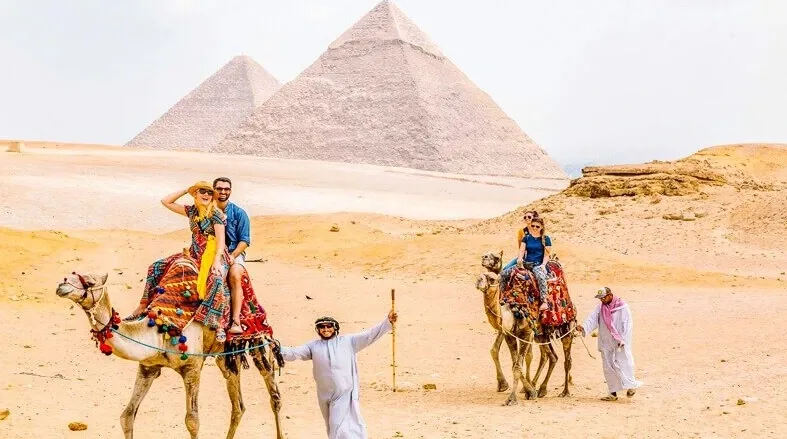
I came for the pyramids, but Giza gave me more than I expected. I rode a camel across the sand for a view of all three pyramids in one frame, stood nose to nose with the Sphinx, and spent an afternoon inside the Grand Egyptian Museum staring at the golden mask of Tutankhamun. I finished the day with a plate of grilled kofta and a glass of sweet mint tea, watching the pyramids glow under floodlights.
This guide shares what I wish I had known before I went: what to see, how long to allow, what it costs, and how to avoid the common mistakes that waste time and energy.
What Is Giza, and Why Does It Matter?
Giza is a city on the west bank of the Nile, just southwest of central Cairo, and home to the Giza Plateau, the most famous archaeological site on Earth. It holds the Great Pyramid of Khufu, the Pyramids of Khafre and Menkaure, the Great Sphinx, and a cluster of smaller tombs and temples. It is also the site of the Grand Egyptian Museum, which houses one of the largest collections of ancient Egyptian artifacts in the world.
The Great Pyramid is the last surviving wonder of the ancient world, and standing at its base is the kind of experience that makes even seasoned travelers go quiet. Giza is easy to reach, rewarding to explore, and one of the few places where the ancient world feels truly close.
Quick Facts: Giza at a Glance
- Location: Giza Governorate, about 15 to 20 kilometers southwest of downtown Cairo. The plateau sits on the edge of the desert, at the end of the city’s urban sprawl.
- Opening hours: The Giza Plateau generally opens around 8:00 AM and closes around 5:00 PM, with shorter hours in winter and during Ramadan. The Grand Egyptian Museum usually runs on its own schedule with longer hours. Hours and ticket rules change, so confirm them before you go.
- Prices: Foreign visitors pay an entrance fee for the plateau, with extra tickets for entering individual pyramids, the Solar Boat area and the museum. Camel and horse rides are paid separately. A private half-day tour with a guide and transport commonly costs roughly 40 to 120 USD per person, depending on inclusions. Prices and exchange rates change, so treat these as rough guides.
- Duration: Allow 3 to 4 hours for the plateau and 3 to 4 hours for the Grand Egyptian Museum. Most travelers spend a full day or two half-days in Giza.
- Best time to visit: October to April offers the most comfortable weather. Arrive at opening time for cooler temperatures and softer light, or visit late in the day for golden tones.
A Short Background: Who Built the Pyramids of Giza?
The Giza pyramids were built during Egypt’s Fourth Dynasty, roughly 4,500 years ago, as royal tombs for three kings: Khufu, his son Khafre, and his grandson Menkaure. Khufu’s pyramid, the largest, was completed around 2560 BC and stood as the tallest human-made structure in the world for nearly four thousand years.
For many years, popular stories claimed that slaves built the pyramids. Archaeological discoveries, including the workers’ town found near the plateau, suggest instead that organized crews of paid laborers lived, ate and were buried nearby, with bakeries, breweries and medical care to support them.
The Great Sphinx, carved from a single outcrop of limestone, is generally linked to Khafre. It has been buried in sand, restored, studied and admired for centuries. Over time, the plateau became a symbol of Egypt itself, drawing explorers and travelers from every era.
What to Expect When You Visit Giza
Scale beats photographs. The pyramids feel larger in person than expected. Give yourself time to simply stand and look.
Desert conditions. Sun, sand and wind are part of the experience. Even in winter, midday can feel strong.
Friendly attention. Camel handlers, souvenir sellers and self-appointed guides are common. A polite “no, thank you” and a steady pace work well, and agreeing prices in advance avoids confusion.
Some climbing and walking. The plateau is large and uneven. Entering a pyramid involves a narrow, low passage that may feel tight.
Photo opportunities everywhere. Panoramic viewpoints, the Sphinx and the museum’s grand hall are all highly photogenic.
Top Attractions in Giza
The Great Pyramid of Khufu
The largest pyramid is the star of the plateau. You can admire it from outside or, with an extra ticket, enter the narrow ascending passage to reach the Grand Gallery and the king’s chamber. The interior is hot, steep and empty of decoration, so enter only if you are comfortable in tight spaces.
The Pyramid of Khafre
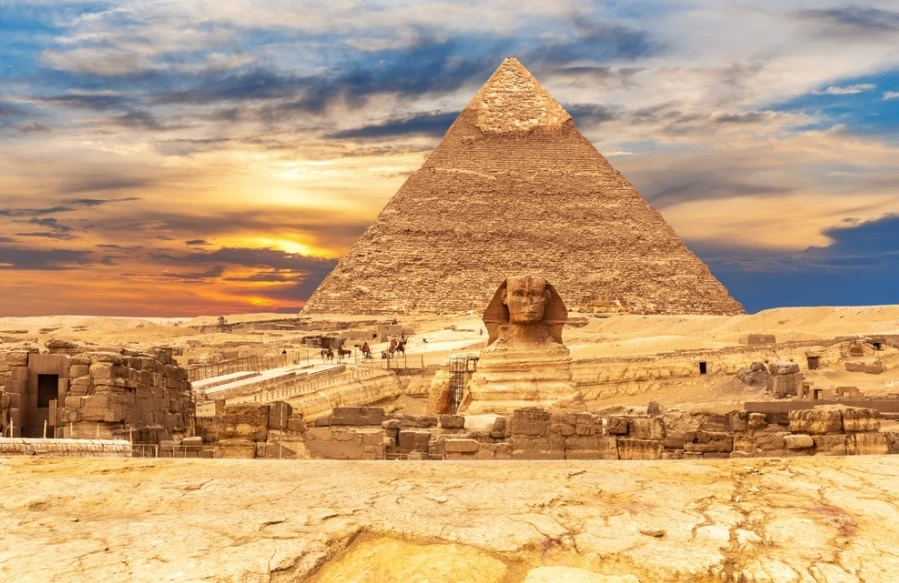
Slightly smaller but seemingly taller because it sits on higher ground, Khafre’s pyramid still keeps a cap of original casing stones near its top. It is the one most often featured in classic photos.
The Pyramid of Menkaure
The smallest of the three, this pyramid is quieter and more peaceful. The three small queens’ pyramids beside it add to the scene.
The Great Sphinx
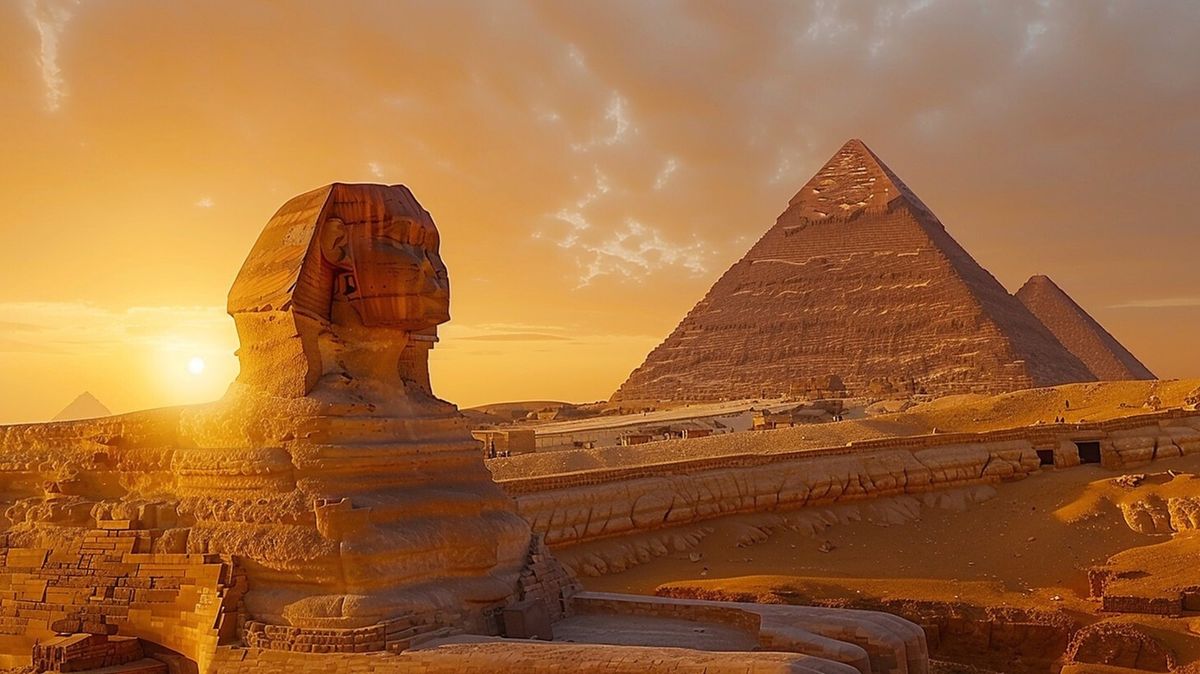
With the body of a lion and the face of a king, the Sphinx guards the entrance to the plateau. The best views are from the front, near the Valley Temple, and from side platforms. Photos with the pyramids behind it are among the most famous in the world.
The Valley Temple and Sphinx Temple
Built from massive limestone and granite blocks, these structures show the engineering skill of the Old Kingdom. They are often less crowded and make an interesting stop after the Sphinx.
The Solar Boat Museum
A 4,500-year-old cedar boat, buried beside the Great Pyramid, is displayed in a dedicated hall. It is one of the oldest and best-preserved vessels in the world, and a quiet highlight for history lovers.
The Panoramic Viewpoint
A short drive from the main entrance, this desert viewpoint lets you see all three pyramids in one frame. It is ideal for photos and for appreciating how the pyramids align across the plateau.
Camel and Horse Rides
A short ride over the sand is a classic Giza experience. Agree the price and duration before you begin, and choose a handler with healthy, well-cared-for animals.
The Grand Egyptian Museum
Located close to the pyramids, this vast museum houses the treasures of Tutankhamun, monumental statues and collections spanning thousands of years. Allow at least three hours, and book entry in advance if possible.
Sound and Light Show
In the evening, a narrated light show illuminates the pyramids and Sphinx. It is a relaxed way to see the site after dark, though schedules and languages vary, so check before you go.
Dinner With a View
Many restaurants and cafes around the plateau offer pyramid views. A late afternoon tea or sunset dinner is a pleasant way to end the day.
Useful Facts: Crowds, Distances, Weather and Timing
Crowds: The plateau is busiest between 10:00 AM and 2:00 PM, when tour buses arrive. Arriving at opening time gives you the best chance of quiet photos. Weekends and holidays are generally busier.
Distances: Giza is roughly 30 to 60 minutes from central Cairo by car, depending on traffic. The plateau is large, so moving between the pyramids, the Sphinx and the viewpoint by car or on a short ride saves time and energy. The Grand Egyptian Museum is a short drive from the main gate.
Weather: From November to March, days are comfortable at around 18 to 26°C, with cool mornings and evenings. From May to September, temperatures often pass 35°C, so early starts and a long midday break are essential. Wind can raise sand, so sunglasses help.
Tip on timing: Visit the pyramids in the morning and the museum in the early afternoon, when the plateau is hottest and the museum’s air conditioning is welcome.
Practical Travel Tips
- Arrive at opening time. Cooler weather, softer light and fewer visitors make a real difference.
- Book a licensed guide. An Egyptologist brings the stones to life and helps you avoid pressure from touts.
- Agree prices first. For rides, photos and extras, confirm the cost and duration before you begin.
- Carry small bills. Tips and small purchases are easier with small notes.
- Bring water and sun protection. There is little shade, so carry a refillable bottle, hat, sunglasses and sunscreen.
- Wear sturdy shoes. The ground is sandy and uneven.
- Dress modestly. Light, breathable clothing that covers shoulders and knees is practical and respectful.
- Check tickets in advance. Pyramid interiors and some areas require separate tickets, and entry may be limited each day.
- Plan for photography rules. Some interiors restrict cameras or charge a fee, so ask before taking photos.
- Do not rush. Leave time to simply sit, look and take it all in.
What Travelers Often Say About Giza
One of our travelers mentioned that the pyramids looked impossibly large in person, and that the first view from the road made their whole group fall silent. They said that starting at opening time made the experience feel calm rather than crowded.
Visitors often say that the panoramic viewpoint was their favorite stop, because it finally let them see all three pyramids together. Another guest told us that the Grand Egyptian Museum deserved more time than planned, and that seeing Tutankhamun’s treasures after the pyramids connected the whole story.
Several travelers add that a guide made a big difference, especially when explaining how the pyramids were built and who built them. A common piece of advice from returning visitors is simple: go early, drink plenty of water and leave room in your schedule.
Frequently Asked Questions
How much time do I need in Giza?
Plan a full day if you want to see the pyramids, the Sphinx and the Grand Egyptian Museum. If you prefer a slower pace, split it into two half-days.
Can you go inside the Great Pyramid?
Yes, with an extra ticket, though daily entry may be limited. The passage is narrow, steep and hot, so it is not recommended for anyone who is claustrophobic or has mobility issues.
What is the best time of day to visit the pyramids?
Early morning at opening time is best for cooler weather and fewer crowds. Late afternoon offers softer light, but the site closes earlier than many visitors expect.
Is it worth hiring a guide?
For most travelers, yes. A guide explains the history, helps with tickets and reduces pressure from touts, making the day smoother.
Is it safe to ride a camel or horse?
Rides are a popular and generally safe experience when you choose a reputable handler and agree prices in advance. Choose animals that look healthy and well cared for.
What should I wear?
Wear light, breathable clothing, comfortable closed shoes, a hat and sunglasses. A light layer helps on cool mornings and in air-conditioned museums.
Can I visit Giza on a layover?
Yes, if your layover is long enough. A private half-day tour can cover the pyramids and Sphinx, but allow generous time for traffic and airport procedures.
How much does it cost to visit Giza?
Costs depend on which tickets and extras you choose. A guided half-day tour commonly runs 40 to 120 USD per person, while entrance fees, pyramid interiors, the museum and rides are additional. Check current prices before you go.
Is Giza suitable for children?
Yes, many children enjoy the pyramids, camel rides and the museum. Bring water, hats and snacks, and plan breaks in the shade.
Ready to Experience Giza for Yourself?
Giza is one of those places that lives up to its reputation. Whether you stand in the pyramids’ shadow at sunrise or watch them glow at dusk, the experience stays with you long after you leave.
If you would like help planning a visit with a licensed guide, comfortable transport and a smooth schedule, our team at Flying Carpet would be happy to help. You are welcome to explore our Giza and Egypt Classic tours on our website and get in touch whenever you are ready to start planning.