
What to See in Egypt in 5 Days: Top Sights & Itinerary
A Traveler’s Story: Five Days, One Very Full Notebook
I landed in Cairo at midnight with a five-day window and a nagging worry that I was being too ambitious. Friends had told me that Egypt needs weeks, not days. But by the end of my first morning, standing in front of the Great Pyramid with the desert wind in my face, I stopped doubting myself.
Five days later, I had walked through the Grand Egyptian Museum, climbed down into a painted tomb in the Valley of the Kings, wandered the giant columns of Karnak, and watched the sun set over the Nile from a small sailboat. I did not see everything, and nobody could. But I saw the heart of it, and I left with a notebook full of scribbles and a promise to return.
If you only have five days, this guide will help you choose wisely. It explains what to see, how to move between cities, what it costs, and how to avoid the common mistakes that waste precious hours.
What Is a 5-Day Egypt Itinerary?
A 5-day Egypt itinerary is a short, focused route that covers the country’s two most famous sightseeing areas: Cairo and Giza in the north, and Luxor in the south. By choosing these two regions and connecting them with a short domestic flight, you can see the pyramids, a world-class museum and the greatest concentration of ancient temples and tombs in the world.
Five days will not cover everything, and that is fine. The goal is to see the essential sights comfortably, leaving enough energy to enjoy them. Travelers who add a third city such as Aswan usually need at least seven days, so this plan keeps things simple and realistic.
Quick Facts: Egypt in 5 Days
- Location: Northeast Africa. This itinerary covers Cairo and Giza in the north and Luxor in the south, connected by a short flight.
- Opening hours: Most major sites open around 8:00 or 9:00 AM and close between 5:00 and 6:00 PM, with shorter hours in winter and during Ramadan. Some temples, such as Luxor Temple, stay open into the evening. Hours change, so confirm them before you go.
- Prices: Entrance fees for foreign visitors vary by site, and the Valley of the Kings and some tombs cost extra. A well-organized 5-day trip with one domestic flight, hotels, a private guide and entrance fees commonly falls between 700 and 1,600 USD per person, depending on comfort level and season. Treat these as rough guides, since prices and exchange rates change.
- Duration: 5 days and 4 nights, including one short domestic flight.
- Best time to visit: October to April offers the most comfortable weather. December and January are the busiest months, while November and March are a good balance of mild temperatures and manageable crowds.
A Short Background: Why Cairo and Luxor?
Egypt’s story begins along the Nile. Around 2600 BC, pharaohs of the Old Kingdom built the first great pyramids near modern Cairo, and the Great Pyramid of Giza remained the tallest human-made structure in the world for nearly four thousand years.
Centuries later, during the New Kingdom, power shifted south to Thebes, now Luxor. Pharaohs built enormous temples on the east bank, such as Karnak and Luxor Temple, and carved their hidden tombs into the cliffs of the west bank. Together, Cairo and Luxor capture the two defining chapters of ancient Egypt: the age of the pyramid builders and the age of the temple and tomb builders.
Cairo also adds a living layer of history. Coptic churches, medieval mosques and busy bazaars show how Egypt kept evolving long after the pharaohs.
What to Expect on a 5-Day Trip
A fast but manageable pace. Most days include one or two major sights, with breaks for meals and rest. Early starts help you beat the heat and the crowds.
Guides make a difference. Many temples and tombs have few signs, and a good Egyptologist turns carved walls into stories.
One travel day. The Cairo to Luxor flight is short, but airport time adds up. Pack light and keep essentials in your carry-on.
Some friendly attention. Vendors and touts are common near major sites. A polite “no, thank you” and a steady pace work well.
Dress for comfort. Light, breathable clothing, a hat and sturdy walking shoes are essential, with a light layer for cool mornings in winter.
The Itinerary: Day by Day
Day 1: Arrive in Cairo and Visit the Pyramids
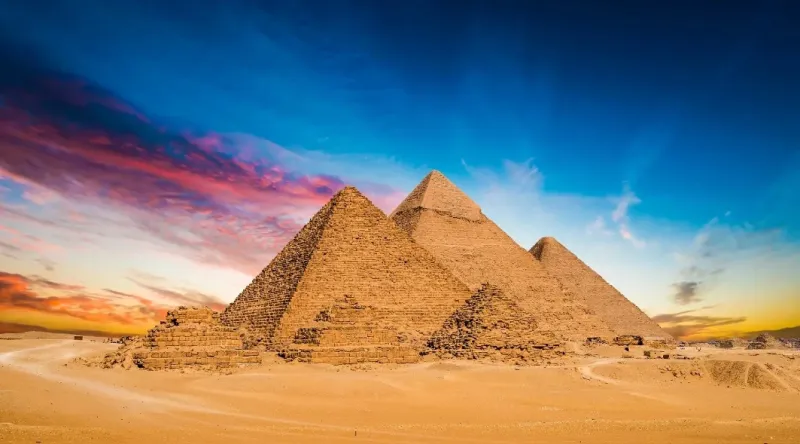
Land in Cairo, transfer to your hotel and, if your arrival is early, head straight to the Giza plateau. Visit the Great Pyramid, the Pyramid of Khafre and the Pyramid of Menkaure, then see the Sphinx up close. A panoramic viewpoint on the desert side gives the classic photo of all three pyramids in a row. If you arrive late, rest and save the pyramids for the following morning.
Day 2: The Grand Egyptian Museum and Old Cairo
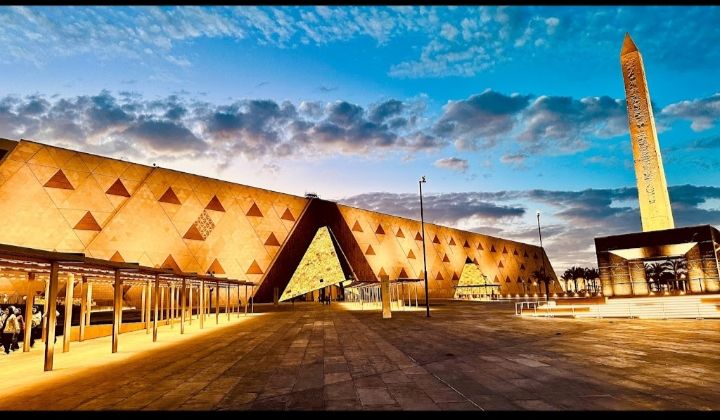
Start the day at the Grand Egyptian Museum near the pyramids. Its collection includes the treasures of Tutankhamun and monumental statues in the main hall. Allow at least three hours. In the afternoon, explore Coptic Cairo with its ancient churches, then visit the Citadel of Saladin for views over the city. End the evening in Khan el-Khalili, the old bazaar, where you can shop for spices, lanterns and souvenirs and enjoy a relaxed dinner.
Day 3: Fly to Luxor, Karnak and Luxor Temple
Take a short morning flight to Luxor, often called the world’s greatest open-air museum. Visit Karnak Temple, an enormous complex of courtyards, obelisks and the Hypostyle Hall with its forest of giant columns. In the evening, visit Luxor Temple, which is beautifully lit after dark. The avenue of sphinxes connecting the two temples adds to the experience.
Day 4: The West Bank of Luxor
Cross to the west bank and start early at the Valley of the Kings, where pharaohs of the New Kingdom were buried. Standard tickets usually cover three tombs, and a few tombs need an extra ticket. Continue to the Temple of Hatshepsut, a dramatic terraced temple set against the cliffs, and stop at the Colossi of Memnon. In the late afternoon, take a felucca ride on the Nile, which is one of the most relaxing hours of the trip.
Day 5: Return to Cairo and Departure
Take a morning or afternoon flight back to Cairo, depending on your departure time. If you have a few spare hours, use them for a last souvenir stop, a café breakfast or a quick visit to something you missed. Then transfer to the airport for your flight home.
Useful Facts: Crowds, Distances, Weather and Timing
Crowds: Giza, the Valley of the Kings and Karnak are busiest between 10:00 AM and 2:00 PM, especially when tour buses arrive. Going at opening time is the single best way to avoid them. Evening visits to Luxor Temple are often quieter and cooler.
Distances: Giza is roughly 30 to 60 minutes from central Cairo depending on traffic. The flight from Cairo to Luxor takes about 70 minutes. On the west bank of Luxor, the main sites are spread out, but a half-day by car covers them comfortably.
Weather: From November to March, days are comfortable at around 18 to 26°C in Cairo and a little warmer in Luxor, with cool nights, so bring a light jacket. From May to September, Luxor regularly passes 40°C, so early starts and long midday breaks are essential. Spring and autumn offer a pleasant middle ground.
Tip on timing: Spend the hottest hours in an air-conditioned café or hotel pool, then return to sightseeing late in the afternoon when the light is softer.
Practical Travel Tips
- Book early. In high season, domestic flights, the best guides and well-located hotels fill up quickly.
- Start at opening time. Early arrivals mean cooler temperatures, softer light and fewer people in your photos.
- Hire an Egyptologist guide. At Karnak and the Valley of the Kings, a knowledgeable guide makes the visit far richer.
- Carry small bills. Tips, snacks and small purchases are easier with small notes.
- Drink bottled water. Carry a refillable bottle and top it up with sealed water during the day.
- Protect yourself from the sun. A hat, sunglasses, sunscreen and a light scarf help, even in winter.
- Dress modestly. Covering shoulders and knees is a good rule, especially in religious sites and smaller towns.
- Check photography rules. Some tombs charge for camera use or restrict photography entirely.
- Keep luggage light. One carry-on sized bag makes the domestic flight and hotel changes much easier.
- Confirm tickets and hours daily. Schedules and special exhibits can change, and your guide or hotel can help verify them.
What Travelers Often Say About This Route
One of our travelers mentioned that they were worried five days would feel rushed, but the mix of Cairo and Luxor gave them the perfect contrast: monumental pyramids first, then intimate tombs and temples. They said they never felt like they were skipping something important.
Visitors often say that Karnak at opening time was their favorite moment, almost empty and glowing in the morning light. Another guest told us that the Grand Egyptian Museum deserved more time than planned, and that they would have added a second visit if they could.
Several travelers add that the late-afternoon felucca ride in Luxor was the perfect way to slow down after busy sightseeing days. A common piece of advice from returning visitors is simple: do not try to squeeze in everything. Choose a few places and enjoy them properly.

Frequently Asked Questions
Is 5 days enough to see Egypt?
Five days is enough to see the highlights: the pyramids, a major museum and the temples and tombs of Luxor. You will not see everything, but you will experience the core of ancient Egypt without exhausting yourself.
Which cities should I visit in 5 days?
Cairo and Luxor are the best pairing for a short trip. Cairo covers the pyramids and the museum, while Luxor offers the temples and royal tombs. Adding Aswan or a Nile cruise usually needs more days.
Is it better to fly or take a train between Cairo and Luxor?
Flying is faster and saves a full day, which matters on a 5-day trip. Trains are cheaper and offer a local experience, but the journey is long, so most short-stay travelers choose to fly.
Can I do a Nile cruise in 5 days?
A short cruise is possible but would take up most of your time and reduce your Cairo sightseeing. If a cruise is a priority, consider extending your trip to at least seven days.
What is the best time of year for this trip?
October to April is the most comfortable period. Summer is possible but very hot in Luxor, so plan around early mornings and indoor rest during the afternoon.
How much should I budget?
A mid-range 5-day trip commonly falls between 700 and 1,600 USD per person, excluding international flights. The total depends on hotel category, guide quality and season. Check current prices before booking.
Is Egypt safe for tourists?
Millions of visitors travel to Egypt each year, and the main tourist areas are well supported by tourism police and organized services. As with any destination, check your government’s travel advice before you go, use reputable operators and stay aware of your surroundings.
Do I need a visa?
Many nationalities need a visa, which can often be obtained online or on arrival. Requirements change, so confirm the latest rules with the official authorities before traveling.
What should I pack?
Pack light, breathable clothing, comfortable walking shoes, a hat, sunglasses, sunscreen, a small day bag, a power adapter and a light layer for cool evenings and air-conditioned vehicles.
Ready to Plan Your Own Five Days in Egypt?
Five days in Egypt may sound short, but with the right plan it can feel unforgettable. From the shadow of the pyramids to the quiet halls of Karnak, the best moments are often the ones you least expect.
If you would like help turning this itinerary into a real trip, our team at Flying Carpet would be happy to help. You are welcome to explore our Egypt Classic tours on our website and get in touch whenever you are ready to start planning.