
The Blue Medina of Chefchaouen
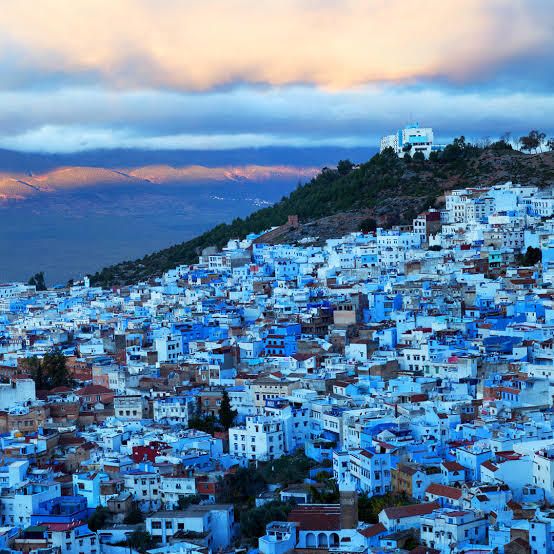
Nestled dramatically between the jagged limestone peaks of Morocco’s northern Rif Mountains lies the world-renowned Blue Medina of Chefchaouen, affectionately known around the world simply as the "Blue Pearl" of Morocco. Founded in 1471 as a small fortress by Moulay Ali Ben Rachid to defend the region against Portuguese invasions, this enchanting mountain town quickly evolved into a haven for Sephardic Jews and Muslim refugees fleeing the Spanish Reconquista following the fall of Granada in 1492. These Andalusian exiles brought with them their distinct architectural traditions, whitewashed aesthetics, and intricate tilework, laying the structural foundation for the medina's winding cobblestone streets, hidden courtyards, and tile-roofed homes.
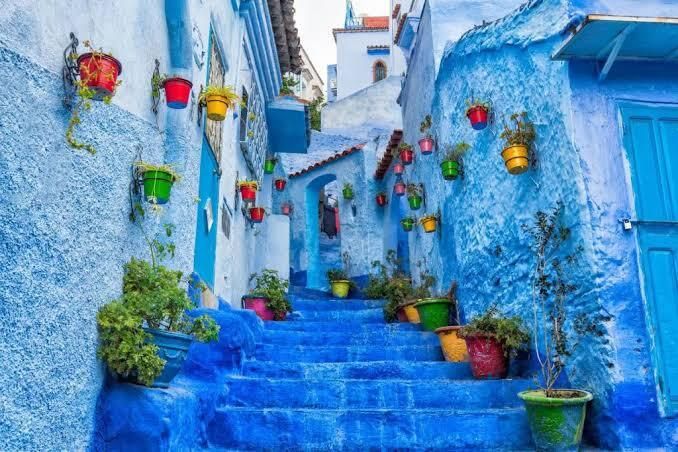
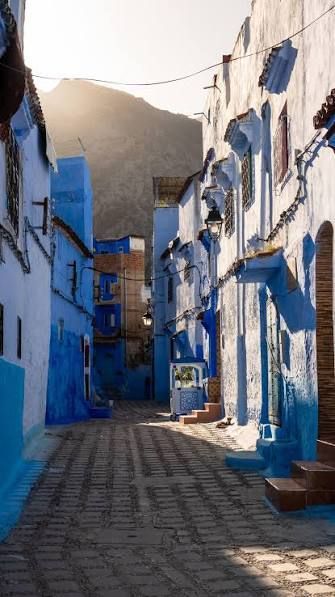
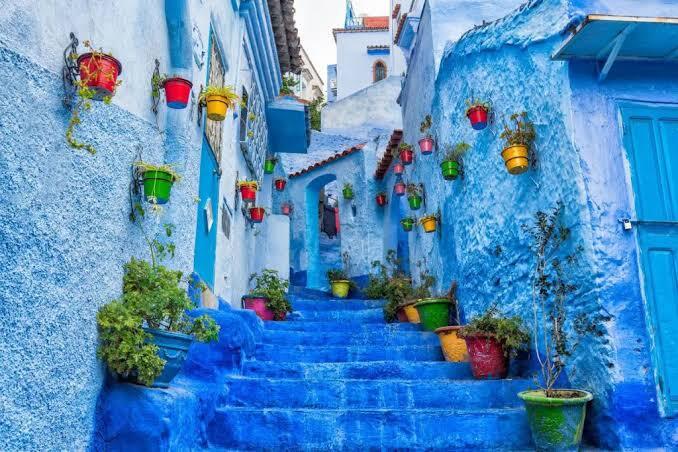
The vibrant blue aesthetic that defines Chefchaouen today was largely introduced in the 1930s by Jewish refugees escaping Europe. According to local history and cultural tradition, the blue wash was applied to buildings, doorways, and cobblestones as a sacred spiritual practice—reflecting the sky and heavens to serve as a constant religious reminder of God’s power and presence, as well as a practical solution to repel mosquitoes and keep interior temperatures cool during hot summer months. Over the centuries, the medina developed a distinct identity defined by its steep, labyrinthine alleyways, vibrant artisans, and peaceful, unhurried mountain rhythm that sharply contrasts with the high-energy urban hubs of Marrakech and Fez.
Key Historic Monuments & Architectural Highlights
Within the maze of cobalt, sapphire, and cerulean walls, several iconic monuments showcase Chefchaouen’s rich historical tapestry. At the heart of the medina lies Outa el-Hammam, the primary public square, flanked by shady cafes and centered around a magnificent stone fountain. Framing one side of the square is the 15th-century Kasbah, a heavily fortified red-brick citadel containing a tranquil Andalusian garden, an ethnographic museum showcasing traditional Rif weapons and textiles, and ancient watchtowers offering sweeping views over the blue rooftops.
Directly adjacent stands the Grand Mosque, built in the 16th century by the town founder's son, featuring a rare octagonal minaret inspired by Andalusian designs. Perched on a hill overlooking the entire valley stands the Spanish Mosque, built in the 1920s during the Spanish Protectorate era; though unused for daily prayer today, its hilltop setting serves as the premier historic lookout over the medina. Beneath the lower eastern gates flows Ras El Maa, a natural freshwater spring where mountain water cascades down the rocks, serving as a historic communal meeting point where locals historically washed clothes and relaxed by the riverbanks.
       [ Outa el-Hammam ]  <--->  [ 15th-Century Kasbah & Museum ]
               |
               +---> [ Grand Mosque (Octagonal Minaret) ]
               |
               +---> [ Ras El Maa Waterfall / Springs ]
               |
               +---> [ Trail to Spanish Mosque Sunset Viewpoint ]
Guest Experience & Travel Tips
Visiting Chefchaouen is an immersive, highly sensory journey where the primary attraction is the act of getting lost among the endless shades of blue. Guests can expect a pedestrian-only atmosphere filled with the scent of freshly baked bread, roasting coffee, and cedarwood. Local artisans line the alleys selling unique hand-woven wool blankets, traditional jellabas, leather goods, and hand-painted ceramics unique to the Rif region.
-
Footwear: Because the medina is built on a steep mountain slope, sturdy walking shoes with strong grip are essential for navigating slick, polished stone steps.
-
Photography Ethics: Always ask for permission before taking close-up photos of local residents or shopkeepers; many prefer privacy.
-
Cash: Ensure you carry sufficient Moroccan Dirhams (MAD), as small shops and street vendors do not accept credit cards, and local ATMs frequently run out of cash during peak weekend travel periods.
-
Pacing: Dedicate at least two full days to enjoy the relaxed pace, taking time to sit at outdoor cafes and savor local goat cheese and fresh mint tea.
Best Time to Visit & Seasonal Overview
| Season | Months | Temperature | Overview & Travel Conditions |
| Spring | March – May | 18°C – 24°C | Ideal weather, blooming mountain flora, perfect for walking tours. |
| Autumn | September – November | 20°C – 26°C | Pleasant temperatures, clear skies, smaller tourist crowds. |
| Summer | June – August | 30°C – 35°C+ | Very hot and crowded; early morning exploration is essential. |
| Winter | December – February | 5°C – 15°C | Cool to cold days with chilly nights; occasional mountain rainfall. |
Ready to discover the Blue Pearl of Morocco? Explore with our Morocco Day Tours
Do's and Don'ts for Visitors
What to DO:
-
DO wake up early (around 7:30 AM) to experience the quiet streets and capture empty photography shots before day-tripper crowds arrive.
-
DO hike up to the Spanish Mosque roughly 45 minutes before sunset for unmatched panoramic views as the evening lights turn on across the blue valley.
-
DO try local northern Moroccan specialties, including regional fresh goat cheese (Jben), mountain honey, and clay-pot fish tagines.
-
DO support local craftsmen directly by purchasing hand-woven wool blankets and cedarwood items inside the medina shops.
What NOT to Do:
-
NOT photograph private residential doorways when homeowners or children are present without explicit consent.
-
NOT accept unsolicited guiding services or offer money to aggressive street touts offering guided trips into private homes.
-
NOT block narrow residential stairways or sit on private doorsteps while taking photos for social media.
-
NOT forget to pack a jacket for the evening; mountain temperatures drop rapidly after the sun sets, even during summer months.
Frequently Asked Questions (FAQ)
Q: Why is Chefchaouen painted blue?
A: While ancient tradition suggests it repelled insects, the primary cultural reason stems from 1930s Jewish refugees who painted the walls blue to symbolize heaven, faith, and spiritual peace. The tradition is maintained today by locals as a proud cultural trademark.
Q: How many days are needed to visit Chefchaouen?
A: A 2-day, 1-night stay is ideal. This allows ample time to explore the medina at a relaxed pace, visit the historic Kasbah, and hike up to the Spanish Mosque for sunset without rushing.
Q: Is Chefchaouen easy to reach from Fez or Tangier?
A: Yes, it is located roughly 2.5 hours by taxi or grand bus from Tangier, and about 3.5 to 4 hours from Fez, making it very accessible for day tours or multi-day itineraries.
The Agadir Kasbah (Agadir Oufella)
Perched majestically 236 meters above sea level on a rugged coastal hill overlooking the Atlantic Coast, the Agadir Kasbah—known in the native Amazigh language as Agadir Oufella ("Agadir from above")—stands as the premier historic emblem of endurance, heritage, and memory in southwestern Morocco. The origins of this formidable fortress date back to 1540, when the Saadian Sultan Mohammed ech-Cheikh constructed a heavy artillery citadel atop the hill to launch a decisive siege against the Portuguese garrison occupying the lower trading post of Santa Cruz do Cabo de Gué below. Following the expulsion of Portuguese forces in 1541, the Kasbah was greatly expanded into a fully functioning, fortified hilltop city (medina).
For over four centuries, the Kasbah housed more than 300 residents within its thick stone ramparts, complete with residential neighborhoods, bustling markets, military barracks, and a central mosque. However, on February 29, 1960, a devastating magnitude 5.7 earthquake struck Agadir, destroying the city in 15 seconds and reducing the Kasbah's interior to ruins. Out of respect for the thousands who lost their lives on the hill, the interior grounds were preserved as a sacred memorial. In recent years, Morocco completed a master restoration project, repairing the outer bastions, reinstating the main gate, constructing elevated wooden boardwalks over the historic ruins, and introducing an aerial cable car system.
                  [ Cable Car Ride / Drive Up ]
                                |
                                v
               [ Main Gate: Bab Oufella (Inscription) ]
                                |
       +------------------------+------------------------+
       |                                                 |
[ Restored Saadian Bastions ]               [ Elevated Wooden Memorial Walkway ]
       |                                                 |
       +------------------------+------------------------+
                                |
                                v
             [ Sunset Ramparts Overlooking Atlantic ]
Key Monuments & Architectural Highlights
The historic citadel contains several key architectural and modern cultural landmarks that make it a compelling destination. The Outer Saadian Ramparts, constructed from local limestone and reinforced earth in the 16th century, showcase early modern military engineering designed to withstand cannon fire. The monumental entrance archway, Bab Oufella, features classic Moroccan stone masonry topped with the national motto carved in Arabic: "الله، الوطن، الملك" (God, Country, King).
Stretched across the mountain face below the walls is the Illuminated Hillside Motto, composed of massive white stones that glow brilliantly across the Agadir skyline each night via modern energy-efficient lighting. Navigating the interior is made seamless by the Elevated Memorial Walkways, custom-built wooden boardwalks that allow visitors to tour the archaeological footprint without stepping on delicate stone foundations or grave sites. Connecting the coast to the fortress is the Agadir Cable Car (Téléphérique d'Agadir), a modern 1.7-kilometer aerial lift offering panoramic views over the harbor, marina, and crescent beach during the ascent.
Guest Experience & Travel Tips
A trip to Agadir Oufella combines rich military history, solemn memorial reflection, and breathtaking Atlantic ocean views. As visitors arrive via the winding hillside road or aerial cable car, they are greeted by fresh ocean breezes and panoramic vistas of container ships and fishing trawlers working the harbor below. Walking across the boardwalks provides clear historical context through bilingual educational displays detailing the 1540 siege, local Amazigh heritage, and the events of the 1960 earthquake.
[Port & Marina] ---> [Cable Car Ascent] ---> [Bab Oufella Gate] ---> [Boardwalk Tour] ---> [Sunset Viewpoint]
-
Wind & Layers: Due to the elevated coastal location (236 meters above sea level), strong ocean winds are common. Bring a light windbreaker jacket or sweater, particularly for late afternoon visits.
-
Accessibility: The newly constructed boardwalks and cable car cabins are fully accessible for wheelchair users and strollers, providing an inclusive experience.
-
Footwear: Wear comfortable sneakers or walking shoes suitable for flat boardwalks and textured stone plazas.
-
Combos: Combine your Kasbah tour with a visit to the nearby Agadir Fishing Port below for a fresh seafood lunch before heading up the hill.
Best Time to Visit & Seasonal Overview
| Season | Time Window | Atmospheric Conditions | Why Visit |
| Late Afternoon | 5:00 PM – 7:30 PM | Soft golden sunlight, cool ocean breezes, clear horizon. | Best for photography, watching sunsets over the ocean, and seeing city lights turn on. |
| Early Morning | 8:30 AM – 10:30 AM | Calm winds, minimal crowds, crisp morning light. | Ideal for peaceful walks, reading history plaques, and avoiding cable car queues. |
| Spring & Autumn | March–May / Sept–Nov | Mild, warm temperatures (20°C to 25°C), very clear skies. | Perfect climate for outdoor sightseeing along the exposed hillside paths. |
Do's and Don'ts for Visitors
What to DO:
-
DO take the cable car at least one way to enjoy dramatic aerial views of the coastline, harbor, and mountain face.
-
DO stay on the designated wooden boardwalks at all times to honor the site as a preserved memorial ground for earthquake victims.
-
DO read the historical marker plaques along the boardwalks to gain a deeper understanding of Saadian military history.
-
DO position yourself along the western ramparts roughly 30 minutes prior to sunset for optimal panoramic photos over the Atlantic Ocean.
What NOT to Do:
-
NOT step off the wooden boardwalks onto the historic dirt grounds or structural ruins under any circumstances.
-
NOT pay unofficial guides or street handlers without confirming credentials; official licensed guides wear official badges.
-
NOT forget sun protection (hat, sunglasses, sunscreen) if visiting during midday hours, as there is very little shade atop the hill.
-
NOT rush your trip; allow at least 1.5 to 2 hours to fully enjoy the cable car ride, boardwalk walk, and sunset viewing.
Frequently Asked Questions (FAQ)
Q: Is there an entrance fee to visit the Agadir Kasbah grounds?
A: Access to the boardwalks, exterior ramparts, and public viewing platforms at Agadir Oufella is completely free. Visitors only pay for private transportation or tickets for the cable car system.
Q: Can you go inside any preserved historic buildings at the Kasbah?
A: There are no fully intact historic buildings remaining inside due to the destruction of the 1960 earthquake. The site is an open-air archaeological memorial traversed via raised wooden boardwalks.
Q: How do I get to the top of Agadir Kasbah?
A: You can reach the top via a short 5-minute ride on the Agadir Cable Car from the Tildi station, a 10-minute taxi ride, an organized tour bus, or via a marked hiking trail leading up the hillside.
From the blue-painted streets to breathtaking mountain views, experience Chefchaouen with our * Best Morocco holidays.