
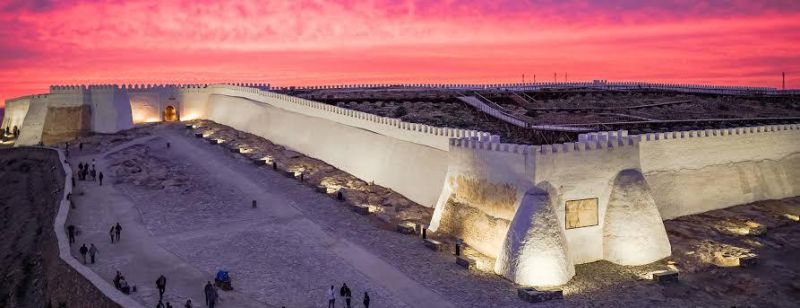
Perched 236 meters above sea level on a rugged coastal hill, the Agadir Kasbah—known natively in Amazigh as Agadir Oufella ("Agadir from above")—stands as the most iconic historical landmark and symbolic heart of Agadir, Morocco. Offering sweeping panoramas over the Atlantic Ocean, the golden crescent bay, and the bustling fishing port below, this ancient fortress encapsulates five centuries of Moroccan fortitude, dramatic geopolitical history, tragedy, and modern renewal.
1. History of Agadir Kasbah
The story of Agadir Oufella begins in the early 16th century during an era of intense European maritime expansion along North Africa's Atlantic coastline. In 1505, Portuguese traders and soldiers established a fortified trading post named Santa Cruz do Cabo de Gué at the base of the hill to control maritime trade routes and tap into the lucrative Saharan trade in gold, spices, and sugar.
Recognizing the strategic threat of a foreign stronghold on Moroccan soil, Sultan Mohammed ech-Cheikh—the founder of the Saadian dynasty—mobilized regional Amazigh tribes in the Sus region to reclaim the territory. In 1540, the Sultan ordered the construction of a military citadel high atop the hill overlooking the Portuguese enclave. Equipped with heavy artillery, this hilltop fortress allowed Moroccan forces to bombard the Portuguese garrison below. Following a decisive six-month siege in 1541, the Portuguese surrendered and evacuated.
Under Saadian rule, the fortress was expanded into a thriving hilltop town (medina). Protected by thick, fortified ramparts reinforced with bastions, the Kasbah housed over 300 residents, a grand mosque, residential quarters, winding alleyways, military barracks, and busy markets where local goods were exchanged with European merchant ships anchored in the bay. For over four centuries, Agadir Oufella remained a vital stronghold guarding southwestern Morocco.
However, the fortress’s long history was tragically altered on February 29, 1960. At 11:47 PM, a devastating magnitude 5.7 earthquake struck Agadir. The violent 15-second tremor demolished almost the entire city, reducing the interior of the ancient Kasbah to rubble. Thousands of residents living atop the hill perished, and because the ruins contained the remains of many victims, the site was preserved as a sacred mass grave and memorial ground.
For decades, the outer walls stood as silent sentinels. In recent years, Morocco launched a meticulous restoration project to rehabilitate the Kasbah. The project stabilized the surviving bastions, restored the main gate, and built elevated wooden walkways over the interior ruins to allow visitors to experience the history while preserving the solemnity of the memorial.
2. Key Monuments & Architectural Highlights
Although the internal residential quarter was destroyed in 1960, several historic structures and modern features make Agadir Oufella a compelling place to explore:
-
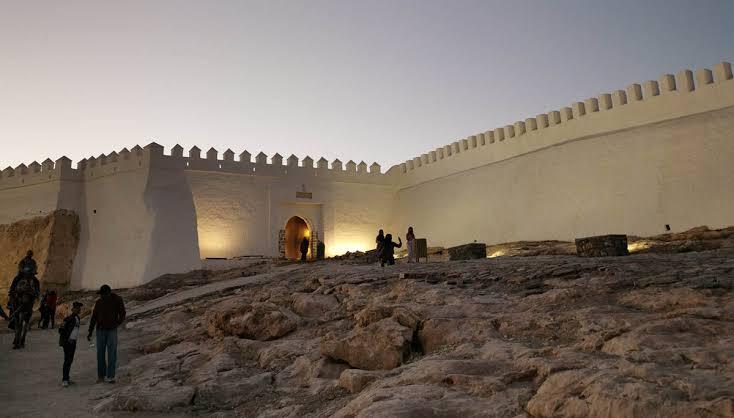
The Outer Ramparts & Bastions: The original 16th-century Saadian walls, constructed from local limestone and reinforced earth, stretch along the hillside perimeter. Restored bastions showcase early modern military defense architecture.
-
The Main Gateway (Bab Oufella): The entrance archway features traditional Moroccan masonry. Above the portal, visitors can see the carved Arabic inscription: "الله، الوطن، الملك" (God, Country, King), reflecting Morocco's national motto.
-
The Elevated Memorial Walkways: Designed during recent conservation efforts, these raised wooden paths guide visitors over the ancient city footprint without stepping on buried structures, preserving the archaeological site and honoring earthquake victims.
-
The Illuminated Hillside Motto: Emblazoned in white stones across the face of the mountain is the motto God, Country, King. Powered by LED lights, this massive inscription glows brilliantly across Agadir's skyline every evening.
-
The Cable Car System (Téléphérique d'Agadir): Launched as part of the city's modern tourism revival, this 1.7-kilometer cable car system connects the lower city directly to the hilltop, offering dramatic aerial views of the harbor and bay.
3. Practical Tips for Visiting
-
Getting There: You can reach the top via the Cable Car (a 5-to-7-minute scenic ride from the Tildi station), a brief 10-minute taxi ride, an organized tour bus, or via a paved hiking trail for active travelers.
-
Wear Comfortable Footwear: The hilltop site involves walking along wooden boardwalks and uneven stone paths; sturdy walking shoes or sneakers are recommended.
-
Bring a Light Jacket: Due to its elevation (236m) and proximity to the open Atlantic, ocean winds can be surprisingly cool, especially in the late afternoon and evening.
-
Accessibility: The newly constructed boardwalks are wheelchair and stroller-accessible, making the site far more inclusive than in previous years.
Discover the charm of Agadir Kasbah and explore the best Morocco holiday packages, filled with historic landmarks, vibrant cities, and stunning landscapes.
4. Best Time to Visit
| Time of Day / Season | What to Expect | Why Choose It |
| Late Afternoon / Golden Hour (5:00 PM – 7:30 PM) | Mild temperatures, soft lighting, and dramatic sunsets over the ocean. | Ideal for photography, catching the sunset, and seeing the city lights turn on. |
| Early Morning (8:30 AM – 10:30 AM) | Quiet atmosphere, minimal crowds, crisp morning air. | Great for peaceful exploration, history lovers, and easy parking/cable car access. |
| Spring & Autumn (March–May & Sept–Nov) | Pleasant temperatures (20°C–25°C), clear skies, moderate crowd levels. | Comfortable weather for walking around the outdoor grounds. |
5. The Guest Experience
Visiting Agadir Oufella is a multi-sensory journey blending natural beauty with historical reflection. The experience begins on the ascent—whether drifting quietly over palm trees and coastal highways in a cable car or winding up the hillside road.
Upon arrival, visitors are greeted by panoramic ocean air and grand views of the harbor, where fishing boats unload their daily catch. Walking through the monumental gateway leads to the elevated boardwalks that traverse the quiet citadel grounds. Informational plaques detail the Saadian conquest, the lifestyle of the former inhabitants, and the events of 1960.
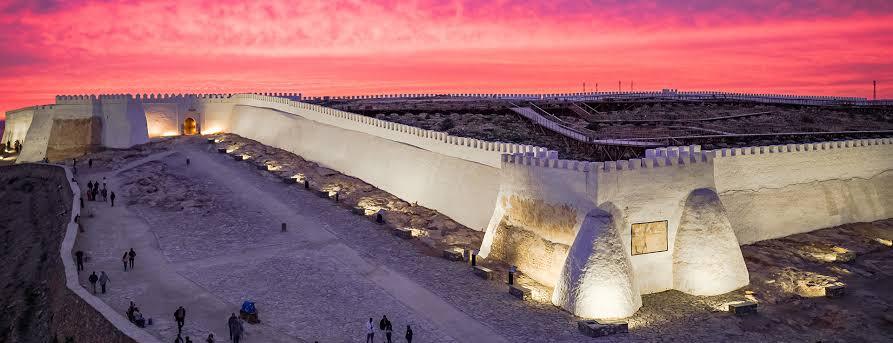
As dusk approaches, visitors gather along the western ramparts. The sight of the sun dipping below the Atlantic horizon while the modern city of Agadir lights up below provides a memorable blend of historic reflection and modern Moroccan warmth.
6. What to Do & What NOT to Do
-
Take the Cable Car: Experience the ride at least one way for incredible aerial views of the coastline.
-
Read the Historical Marker Plaques: Take time to understand the 1960 earthquake to appreciate the significance of the grounds.
-
Capture Sunset Views: Position yourself along the outer western ramparts roughly 30 minutes before sunset.
-
Combine with a Harbor Visit: Visit the downhill Port d'Agadir or Marina for fresh grilled sardine lunches before or after your climb.
What NOT to Do
-
Do NOT Step Off Designated Walkways: The interior of the Kasbah is a protected memorial and cemetery for earthquake victims; straying off the boardwalks is disrespectful and damages fragile archaeology.
-
Do NOT Pay Unofficial Guides without Agreement: Only hire official, badged local guides if you require guided commentary.
-
Do NOT Rush Your Visit: Budget at least 1.5 to 2 hours to walk the grounds, take in the views, and enjoy the ride.
-
Do NOT Forget Sun Protection: The exposed hilltop has minimal shade during midday hours.
7. Frequently Asked Questions (FAQ)
Is there an entrance fee for the Kasbah?
Access to the Kasbah boardwalks, ramparts, and viewing decks is completely free. You only pay if you choose to take the cable car, hire a private guide, or use private transport.
How much does the Agadir Cable Car cost?
A round-trip ticket typically costs around 110–120 MAD (approx. $11–$12 USD) for adults, with discounted fares for children.
Can you go inside the Kasbah buildings?
There are no intact buildings inside due to the 1960 earthquake; visitors walk on elevated paths over the historic foundations and stabilized ruins.
Is Agadir Kasbah suitable for visitors with mobility challenges?
Yes. The restored site features ramped entrances and wooden boardwalks suitable for wheelchairs and strollers.
Perched high above the Atlantic, the Agadir Kasbah stands as a powerful symbol of resilience, seamlessly weaving centuries of imperial history, tragedy, and modern renewal into a single breathtaking experience. From its ancient Saadian ramparts to its modern cable car and accessible memorial walkways, Agadir Oufella offers an unforgettable journey through time alongside some of the most spectacular panoramic views in the region—making it an unmissable highlight for anyone exploring Agadir.
Experience the magic of Agadir Kasbah and unlock the best Morocco holiday packages, featuring iconic landmarks, vibrant cities, and breathtaking landscapes.