
Chellah Castle Rabat: A Complete Guide to Rabat’s Ancient Hidden Treasure
What Is Chellah Castle Rabat and Why Is It Worth Visiting?
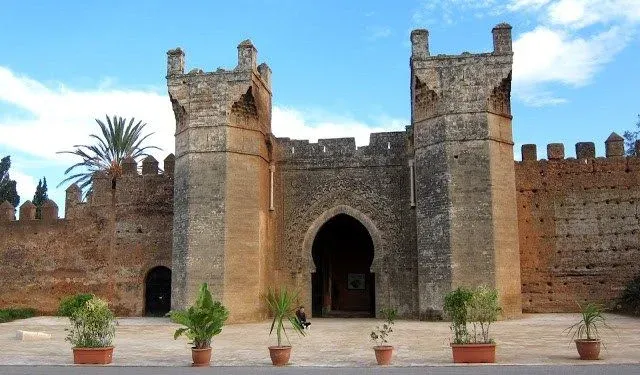
Chellah Castle Rabat is one of Morocco’s most fascinating historical sites, combining ancient Roman ruins, medieval Islamic architecture, beautiful gardens, and a peaceful atmosphere in one unique destination. Located just outside the busy center of Rabat, Chellah Castle Rabat offers visitors a journey through centuries of history while providing a quiet escape from the city's modern rhythm. The moment you step through its historic gates, you feel as if you have entered a completely different world where nature and history exist side by side.
Unlike many crowded tourist attractions, Chellah Castle Rabat allows travelers to explore at a comfortable pace. Ancient walls, archaeological remains, stork nests, and shaded pathways create an unforgettable setting that appeals to history lovers, photographers, and anyone seeking a deeper understanding of Morocco’s cultural heritage.
Visit Morocco Private Tours, and explore the timeless beauty of Morocco and uncover centuries of history.
Quick Facts About Chellah Castle Rabat
Location
Chellah Castle Rabat is located in the southeastern part of Rabat, Morocco, near the Bou Regreg River.
Opening Hours
Chellah Castle Rabat is generally open daily from morning until late afternoon.
Ticket Prices
Visitors can purchase entry tickets at the entrance. Prices may vary depending on visitor categories and seasonal updates.
Best Time to Visit
Spring and autumn are considered the best seasons to explore Chellah Castle Rabat due to pleasant temperatures and beautiful natural scenery.
Recommended Duration
Most visitors spend between 1.5 and 3 hours exploring Chellah Castle Rabat.
The History Behind Chellah Castle Rabat
The story of Chellah Castle Rabat stretches back more than two thousand years. Originally established as a Roman settlement known as Sala Colonia, the site later became an important center during various periods of Moroccan history. Over time, different civilizations left their mark on the area, creating the layered historical character that makes Chellah Castle Rabat so remarkable today.
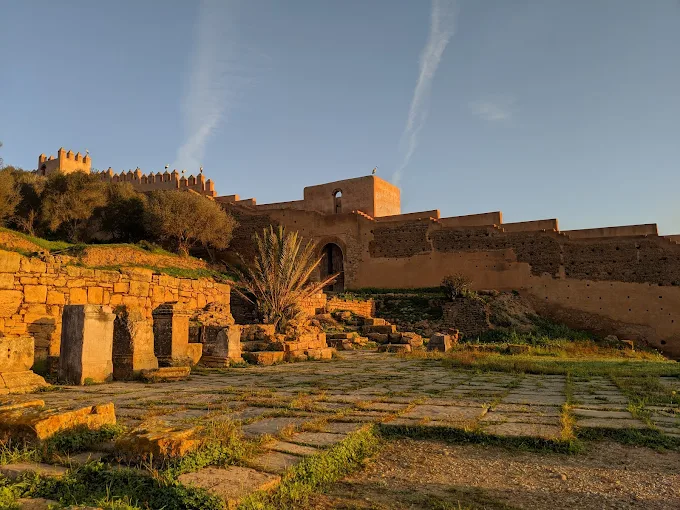
During the medieval period, the Marinid dynasty transformed the site into a fortified necropolis. New walls, gates, religious buildings, and tombs were added, giving Chellah Castle Rabat much of the appearance visitors see today. These additions blended Islamic architecture with the older Roman remains, creating a unique historical landscape.
Today, Chellah Castle Rabat serves as both an archaeological site and a cultural landmark. The preservation of Roman ruins alongside Islamic monuments offers visitors a rare opportunity to witness multiple chapters of Moroccan history in a single location.
What to Expect at Chellah Castle Rabat
The Place
As soon as you enter Chellah Castle Rabat, you are greeted by ancient stone walls, lush gardens, and impressive historical structures. The atmosphere feels peaceful and almost magical compared to the busy streets of Rabat. Walking through the site reveals Roman columns, medieval gateways, old mosques, and archaeological remains hidden among greenery.
The pathways of Chellah Castle Rabat guide visitors through different historical periods. Every section tells a different story, from Roman foundations to Islamic architecture. The site is spacious enough to encourage exploration, yet compact enough to enjoy without feeling overwhelmed.
One of the most memorable aspects of Chellah Castle Rabat is the presence of numerous storks nesting on ancient towers and walls. Their large nests have become one of the site's most recognizable features and add a unique charm to the historical setting.
Crowds
Crowd levels at Chellah Castle Rabat vary throughout the day. Early mornings are usually the quietest time to visit, offering a more peaceful experience and excellent opportunities for photography.
As the day progresses, Chellah Castle Rabat may receive more visitors, especially during weekends, holidays, and peak tourism seasons. However, the site generally feels less crowded than many other major attractions in Morocco.
Distances
Chellah Castle Rabat covers a relatively large archaeological area, and visitors should expect to walk through gardens, pathways, and ruins. A complete exploration may involve walking approximately 1.5 to 2 kilometers depending on the route chosen.
The walking experience is part of the charm of Chellah Castle Rabat because many fascinating details are scattered throughout the site. Taking your time allows you to appreciate hidden corners, historical inscriptions, and beautiful viewpoints.
Weather
The weather at Chellah Castle Rabat is generally pleasant during spring and autumn. Summers can be warm, particularly during midday when the sun is strongest.
Because parts of Chellah Castle Rabat are exposed to direct sunlight, visitors should bring sun protection and stay hydrated. Winter visits are also enjoyable thanks to Rabat’s relatively mild climate.
Tips
-
Visit early in the morning for fewer crowds.
-
Wear comfortable walking shoes.
-
Bring water, especially during warmer months.
-
Take your time exploring smaller pathways.
-
Carry a camera for architecture and wildlife photography.
-
Respect restricted archaeological areas.
Architectural Highlights of Chellah Castle Rabat
One of the greatest attractions of Chellah Castle Rabat is its extraordinary architectural diversity. Few places in Morocco showcase such a fascinating combination of Roman and Islamic influences within the same complex.
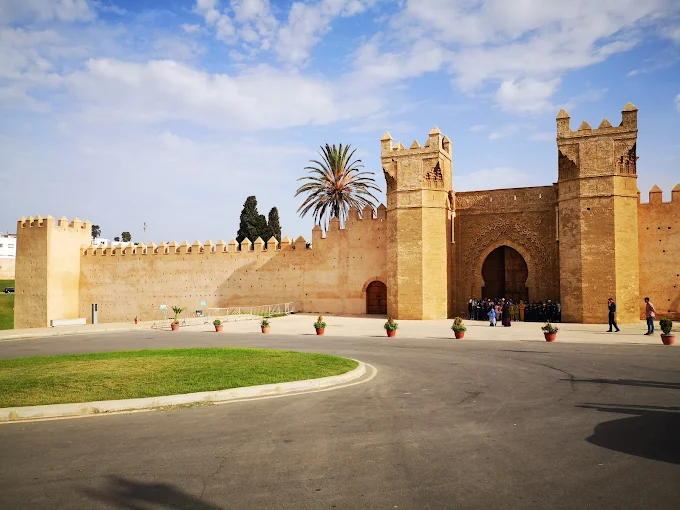
The monumental entrance gate of Chellah Castle Rabat immediately captures attention with its detailed decorative elements and impressive craftsmanship. This gateway reflects the artistic achievements of the Marinid dynasty and serves as a dramatic introduction to the site.
Throughout Chellah Castle Rabat, visitors can discover ancient Roman foundations, stone pathways, columns, and archaeological remains. These structures provide valuable insight into the area's importance during Roman times and reveal the advanced urban planning of the settlement.
The Islamic monuments found within Chellah Castle Rabat add another layer of historical significance. Tombs, religious buildings, and decorative architectural features demonstrate the site's continued importance long after the Roman era ended.
Why Is Chellah Castle Rabat Unique?
Many historical attractions focus on a single historical period, but Chellah Castle Rabat stands out because it brings together multiple civilizations within one location. Roman ruins, Islamic architecture, natural gardens, and wildlife coexist harmoniously, creating an experience unlike any other destination in Morocco.
The peaceful atmosphere of Chellah Castle Rabat is another reason visitors often describe it as one of Rabat’s hidden gems. While other attractions may feel busy and crowded, this site encourages slow exploration and quiet reflection.
Nature also plays a major role in the appeal of Chellah Castle Rabat. Trees, flowers, birds, and especially the famous storks contribute to an environment that feels both historical and alive.
Exploring the Gardens of Chellah Castle Rabat
One of the most enchanting features of Chellah Castle Rabat is its beautiful natural environment. Unlike many archaeological sites that focus solely on ruins, Chellah Castle Rabat combines historical remains with lush vegetation, creating a setting that feels both ancient and alive.
As you walk through Chellah Castle Rabat, you will encounter palm trees, flowering plants, shaded pathways, and peaceful green spaces. These gardens soften the appearance of the stone ruins and create a relaxing atmosphere that encourages visitors to slow down and appreciate their surroundings.
The natural beauty of Chellah Castle Rabat changes throughout the year. During spring, colorful flowers bloom across the site, while autumn brings pleasant temperatures and softer lighting that photographers particularly enjoy.
Wildlife at Chellah Castle Rabat
An unusual aspect of Chellah Castle Rabat is the presence of wildlife, especially storks. Large stork nests can be seen on towers, walls, and historical structures throughout the site.
Many visitors consider the storks one of the highlights of Chellah Castle Rabat. Their nests have become part of the site's identity, and the sight of these birds flying above ancient ruins creates unforgettable photo opportunities.
Birdwatchers often appreciate the peaceful environment of Chellah Castle Rabat because the gardens attract various species throughout the year. This unique combination of history and nature helps distinguish the site from other attractions in Morocco.
Photography Opportunities at Chellah Castle Rabat
Photography enthusiasts will find countless subjects inside Chellah Castle Rabat. Ancient gates, Roman columns, Islamic architecture, gardens, and wildlife provide a variety of visual compositions.
Morning light is particularly attractive at Chellah Castle Rabat because it illuminates the stone structures while creating soft shadows throughout the site. Early visits also reduce the likelihood of crowds appearing in photographs.
Sunset can also produce beautiful colors around Chellah Castle Rabat, especially when the warm light reflects off the historic walls and surrounding vegetation.
Cultural Significance of Chellah Castle Rabat
Beyond its archaeological importance, Chellah Castle Rabat holds deep cultural value for Morocco. The site represents centuries of historical continuity and demonstrates how different civilizations contributed to the country's identity.
For many travelers, Chellah Castle Rabat serves as a symbol of Morocco’s ability to preserve its diverse heritage. Roman, Islamic, and Moroccan influences remain visible throughout the site, offering visitors a richer understanding of the nation’s past.
Educational groups frequently visit Chellah Castle Rabat because it provides a practical way to learn about history beyond textbooks. The physical remains help bring historical narratives to life.
Practical Travel Tips for Visiting Chellah Castle Rabat
Best Time to Go
-
Spring (March to May)
-
Autumn (September to November)
-
Early mornings
-
Weekdays for fewer visitors
Visiting Chellah Castle Rabat during these periods generally provides the most comfortable experience.
What to Wear
-
Comfortable walking shoes
-
Lightweight clothing
-
Hat or cap
-
Sunglasses
-
Light jacket during cooler months
The terrain within Chellah Castle Rabat includes uneven surfaces, making appropriate footwear important.
What to Bring
-
Camera
-
Water bottle
-
Sunscreen
-
Mobile phone
-
Portable charger
These items can help make your visit to Chellah Castle Rabat more enjoyable and convenient.
Common Mistakes to Avoid
-
Arriving during the hottest part of the day
-
Rushing through the site
-
Ignoring smaller pathways
-
Forgetting water
-
Missing the stork nesting areas
Many visitors later realize that spending extra time exploring Chellah Castle Rabat greatly improves the overall experience.
Real Visitor Insights
One of our travelers mentioned that the peaceful atmosphere of Chellah Castle Rabat was completely unexpected. They noted that despite being close to the city, the site felt remarkably calm and removed from urban life.
Visitors often say that Chellah Castle Rabat offers one of the most relaxing historical experiences in Morocco. Many describe enjoying the combination of gardens, ruins, and wildlife more than they initially anticipated.
Another traveler shared that photographing the storks at Chellah Castle Rabat became one of the highlights of their entire trip to Rabat. The unique interaction between nature and history created unforgettable memories.
Related Places and Tours
After visiting Chellah Castle Rabat, consider exploring:
-
Kasbah Ouddaya
-
Hassan Tower
-
Mohammed V Mausoleum
-
Rabat Medina
-
Andalusian Gardens
-
Bou Regreg River
-
Rabat City Tours
-
Historical Walking Tours
-
Cultural Heritage Excursions
These attractions complement the historical experience offered by Chellah Castle Rabat and help visitors gain a broader understanding of Rabat.
Frequently Asked Questions About Chellah Castle Rabat
How Long Does It Take to Visit Chellah Castle Rabat?
Most visitors spend between one and three hours exploring Chellah Castle Rabat. History enthusiasts and photographers may choose to stay longer.
Is Chellah Castle Rabat Crowded?
Chellah Castle Rabat is generally less crowded than many famous attractions in Morocco. Early mornings usually offer the quietest conditions.
Is Chellah Castle Rabat Worth Visiting?
Absolutely. Chellah Castle Rabat combines history, architecture, archaeology, nature, and photography opportunities in a single destination.
Can I Take Photos at Chellah Castle Rabat?
Yes. Photography is one of the most popular activities at Chellah Castle Rabat due to its beautiful architecture and natural scenery.
Is Chellah Castle Rabat Suitable for Families?
Yes. Families often enjoy Chellah Castle Rabat because of its open spaces, wildlife, and educational value.
What Makes Chellah Castle Rabat Different from Other Historical Sites?
The combination of Roman ruins, Islamic architecture, gardens, and stork colonies makes Chellah Castle Rabat unique among Morocco’s historical attractions.
Conclusion
Final Thoughts on Chellah Castle Rabat
Chellah Castle Rabat is far more than an archaeological site. It is a place where history, architecture, culture, and nature come together to create an unforgettable visitor experience. From Roman ruins and Marinid monuments to peaceful gardens and nesting storks, every corner of Chellah Castle Rabat reveals something new.
Whether you are passionate about history, interested in photography, or simply looking for a quiet escape while exploring Morocco’s capital, Chellah Castle Rabat deserves a place on your itinerary. Its unique atmosphere, rich heritage, and scenic beauty continue to impress travelers from around the world.
If you are planning a trip to Rabat, consider combining Chellah Castle Rabat with nearby cultural landmarks and guided tours for an even deeper appreciation of Morocco’s fascinating history and traditions.
Experience one of Morocco’s most remarkable historical sites through visiting Morocco Private Tours.