
Hassan Tower: Discover Rabat’s Most Iconic Historical Landmark
Morocco is home to some of the most fascinating historical monuments in North Africa, and among them, Hassan Tower stands out as one of the country's most recognizable symbols. Located in the capital city of Rabat, this unfinished minaret tells a remarkable story of ambition, architectural excellence, and centuries of Moroccan history. Visitors from around the world come to admire its impressive design, learn about its historical significance, and explore the surrounding attractions that make Rabat a cultural treasure.
Whether you are a history enthusiast, an architecture lover, or simply a traveler seeking unique experiences, Hassan Tower offers a memorable glimpse into Morocco’s rich past. This guide covers everything you need to know, including its history, location, opening hours, ticket prices, features, travel tips, and other attractions worth visiting in Rabat.
The History of Hassan Tower
The story of Hassan Tower dates back to the 12th century during the reign of Sultan Yaqub al-Mansur, one of the most powerful rulers of the Almohad dynasty. The sultan envisioned building the largest mosque in the Islamic world, accompanied by an enormous minaret that would symbolize the strength and influence of his empire.
Construction began in 1195, and the ambitious project quickly became one of the most significant architectural undertakings of its time. The planned minaret was intended to reach approximately 86 meters (282 feet) in height. However, after Sultan Yaqub al-Mansur died in 1199, construction came to an abrupt halt.
As a result, the tower remained unfinished at a height of about 44 meters (144 feet), roughly half of its intended size. Despite never being completed, the structure survived for centuries and became one of Rabat’s most important historical landmarks.
In 1755, a powerful earthquake struck the region, causing severe damage to the unfinished mosque. Many parts of the structure collapsed, leaving only the tower and rows of stone columns standing. Today, these remains serve as a reminder of the grandeur of the original project and the enduring legacy of the Almohad dynasty.
Experience the history and beauty of Hassan Tower and Rabat with Rabat DayTours.
Location
Hassan Tower is located in the heart of Rabat, Morocco’s capital city.
Address: Boulevard Mohamed Lyazidi, Rabat, Morocco
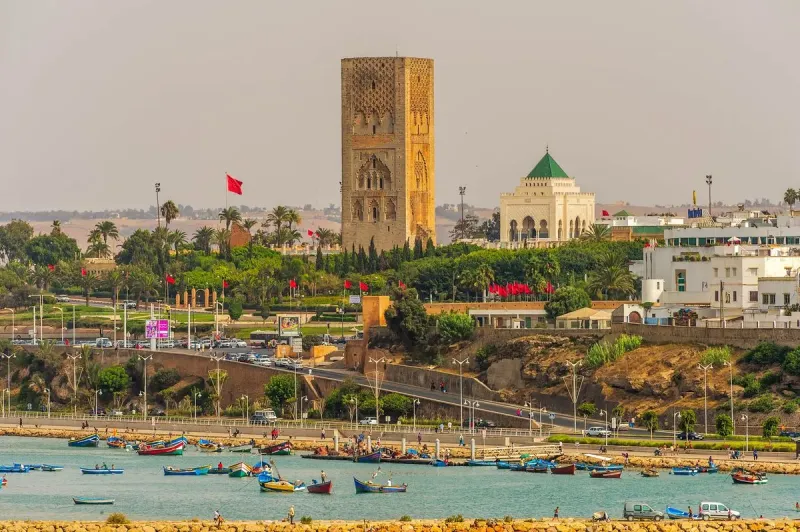
The monument stands near the Bou Regreg River and overlooks the neighboring city of Salé. It is conveniently situated close to several major attractions, including the Mausoleum of Mohammed V.
Visitors can easily reach the site by taxi, tram, private car, or organized tours. Its central location makes it a popular stop on most Rabat sightseeing itineraries.
Opening Hours
One of the advantages of visiting Hassan Tower is its accessibility.
Typical Opening Hours:
-
Monday to Sunday: 8:00 AM – 6:00 PM
Opening times may vary slightly during religious holidays or special events. Visitors are encouraged to check local information before planning their trip.
Entrance Fees and Prices
A major benefit for travelers is that access to the Hassan Tower complex is generally free of charge.
Ticket Price:
-
Hassan Tower: Free Entry
-
Mausoleum of Mohammed V: Free Entry
This makes the site one of the best-value historical attractions in Morocco, allowing visitors to experience centuries of history without purchasing an admission ticket.
Architectural Features of Hassan Tower
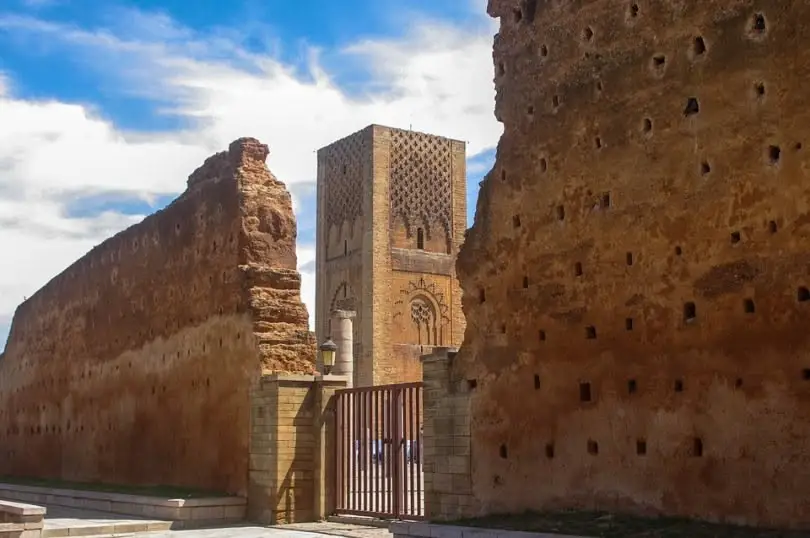
One of the most impressive aspects of Hassan Tower is its distinctive architecture. Although unfinished, it demonstrates the advanced engineering and artistic vision of the Almohad builders.
Red Sandstone Construction
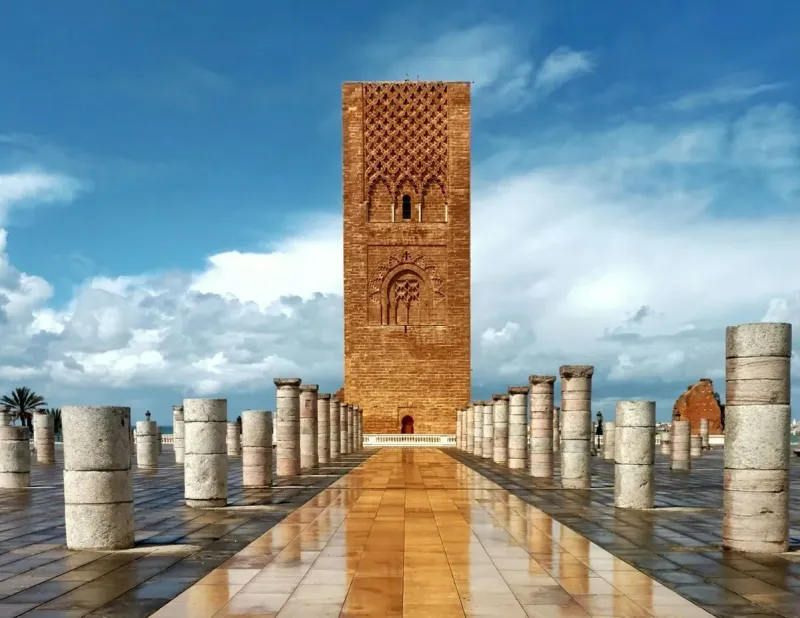
The tower was built using reddish sandstone, which gives it a warm appearance that changes color depending on the sunlight. During sunrise and sunset, the monument often glows with golden and orange hues.
Intricate Decorative Patterns
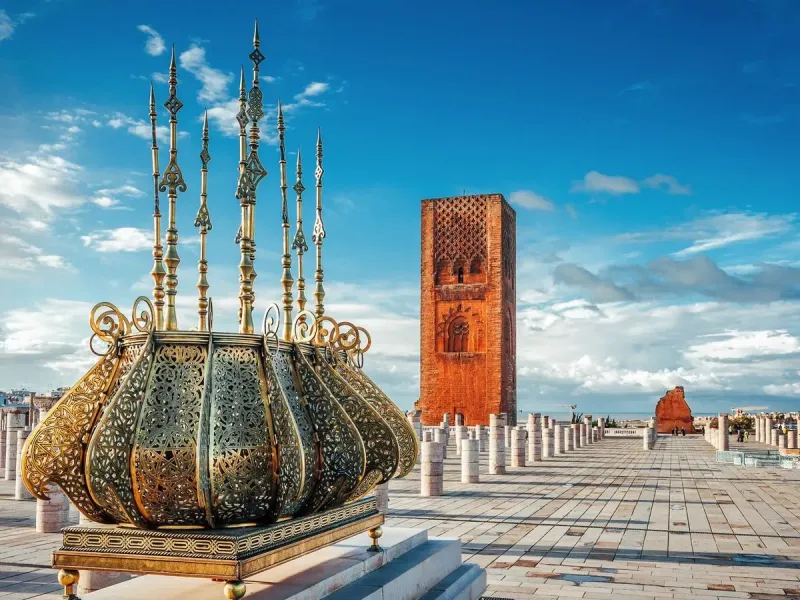
The exterior walls feature beautifully carved geometric motifs, arches, and ornamental designs typical of Almohad architecture. These decorations reflect the artistic sophistication of medieval Morocco.
Internal Ramp Design
Unlike many traditional towers that use staircases, Hassan Tower was designed with ramps inside. This innovative feature allowed guards and officials to ride horses to the top of the minaret.
Massive Stone Columns
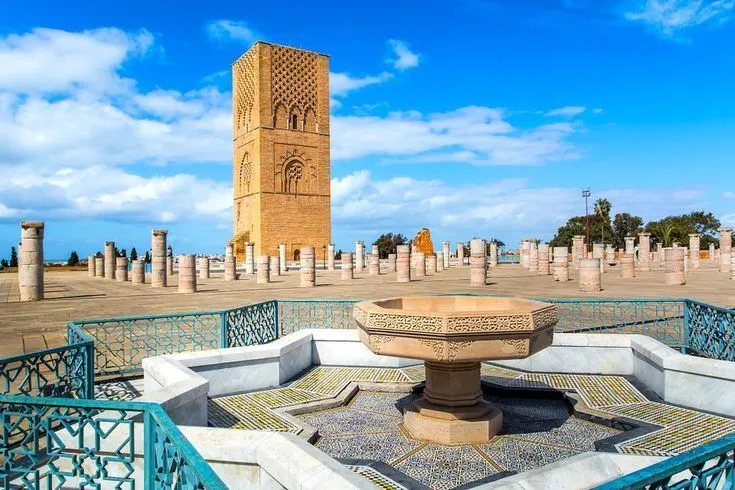
Surrounding the tower are hundreds of stone columns that once formed part of the unfinished mosque. These remains help visitors visualize the immense scale of the original project.
UNESCO Recognition
The monument forms part of Rabat’s UNESCO World Heritage designation, highlighting its international cultural and historical importance.
Why Hassan Tower Is Historically Important?
The historical significance of Hassan Tower extends far beyond its architectural beauty.
Symbol of Almohad Power
The tower reflects the political and military strength of the Almohad Empire during its peak. The ambitious project demonstrated the dynasty’s desire to create one of the largest religious complexes in the world.
Architectural Innovation
The monument showcases advanced engineering techniques for its era, including its internal ramp system and sophisticated decorative carvings.
Cultural Heritage
For centuries, the tower has served as a symbol of Rabat and Moroccan identity. It continues to attract historians, architects, and tourists interested in Islamic civilization and North African history.
Connection to Morocco’s Royal Legacy
Its proximity to the Mausoleum of Mohammed V creates a link between Morocco’s medieval history and its modern monarchy, making the site especially significant for understanding the nation’s development.
Visiting Hassan Tower: What to Expect?
Visitors entering the complex are immediately struck by the imposing structure rising above the open esplanade. The surrounding columns create a unique atmosphere that combines history, tranquility, and architectural beauty.
The site is well maintained and offers excellent opportunities for photography. Informational signs provide historical context, while open spaces allow visitors to explore at their own pace.
The nearby gardens and viewpoints offer spectacular views of Rabat and the Bou Regreg River, making the experience enjoyable even for those with limited interest in history.
Best Time to Visit Hassan Tower
Choosing the right time can significantly improve your experience.
Best Season
The ideal months are:
-
March to May (Spring)
-
September to November (Autumn)
During these periods, temperatures are pleasant and comfortable for outdoor sightseeing.
Best Time of Day
Early morning and late afternoon are generally considered the best times to visit. The weather is cooler, and the lighting conditions are excellent for photography.
Sunset is particularly beautiful, as the golden light highlights the tower’s sandstone façade and creates dramatic shadows among the surrounding columns.
Travel Tips for Visitors
To make the most of your visit, consider the following practical advice.
What to Wear?
Because Hassan Tower is a historical and cultural site, modest clothing is recommended.
Suitable clothing includes:
-
Comfortable walking shoes
-
Lightweight shirts or blouses
-
Long pants, skirts, or modest dresses
-
A hat during summer months
-
Sunglasses for daytime visits
Although strict dress codes are generally not enforced, respectful attire is appreciated.
What to Bring?
Useful items include:
-
Camera or smartphone
-
Water bottle
-
Sunscreen
-
Hat or cap
-
Portable phone charger
-
Travel guide or map
-
Light jacket during cooler months
Best Time to Go
For the most enjoyable experience:
-
Visit during spring or autumn
-
Arrive early in the morning
-
Avoid extremely hot summer afternoons
-
Plan your visit around sunset for stunning photographs.
Common Mistakes Visitors Make
Many travelers miss opportunities to fully enjoy the site because of simple planning errors.
Visiting During Peak Heat
Summer afternoons can become very hot. Arriving earlier in the day provides a more comfortable experience.
Skipping the Mausoleum
Some visitors focus solely on the tower and overlook the nearby Mausoleum of Mohammed V, one of Morocco’s most important modern monuments.
Rushing Through the Site
Although the complex may seem compact, taking time to explore the columns, architectural details, and viewpoints greatly enhances the visit.
Forgetting a Camera
The combination of historical architecture and scenic views creates excellent photography opportunities.
Ignoring Nearby Attractions
Rabat offers many remarkable landmarks within a short distance of Hassan Tower, making it worthwhile to dedicate a full day to exploring the city.
Other Attractions in Rabat
While Hassan Tower is undoubtedly one of Rabat’s highlights, the city offers many additional attractions worth visiting.
Mausoleum of Mohammed V
Located directly beside Hassan Tower, this magnificent mausoleum houses the tombs of King Mohammed V and his sons. Its white marble exterior, green tiled roof, and intricate craftsmanship make it one of Morocco’s finest examples of modern traditional architecture.
Kasbah of the Udayas
This historic fortress overlooks the Atlantic Ocean and features charming blue-and-white streets, beautiful gardens, and panoramic coastal views.
Chellah
An ancient archaeological site combining Roman ruins and medieval Islamic structures, Chellah provides a fascinating journey through multiple periods of Moroccan history.
Rabat Medina
The old medina offers a more relaxed atmosphere than those found in larger Moroccan cities. Visitors can browse traditional markets, purchase local crafts, and enjoy authentic Moroccan cuisine.
Andalusian Gardens
Located within the Kasbah of the Udayas, these peaceful gardens provide a pleasant escape from the city's busy streets.
Rabat Archaeological Museum
History enthusiasts can discover artifacts from prehistoric, Roman, and Islamic periods, providing deeper insight into Morocco’s past.
Bou Regreg Marina
This modern waterfront area offers restaurants, cafés, boat tours, and scenic walks along the river.
Photography Opportunities
Hassan Tower is one of the most photogenic landmarks in Morocco.
Popular photography locations include:
-
The main square facing the tower
-
The rows of historic columns
-
The Mausoleum of Mohammed V grounds
-
Elevated viewpoints overlooking the complex
-
Sunset viewing areas near the river
Golden hour photography, shortly before sunset, often produces the most impressive images.
Cultural Significance Today
Today, Hassan Tower remains one of Morocco’s most cherished monuments. It serves as a symbol of national pride and a reminder of the country's rich architectural and cultural heritage.
The site attracts local visitors, international tourists, researchers, and students interested in history, archaeology, and Islamic architecture. It also plays an important role in promoting cultural tourism in Rabat.
As Morocco continues to preserve and celebrate its historical landmarks, Hassan Tower stands as a bridge connecting the nation’s medieval past with its modern identity.
FAQ
Where is Hassan Tower located?
Hassan Tower is located on Boulevard Mohamed Lyazidi in Rabat, Morocco, near the Bou Regreg River and the Mausoleum of Mohammed V.
Is there an entrance fee?
No. Entry to Hassan Tower and the surrounding complex is generally free.
How long does a visit take?
Most visitors spend between 30 minutes and 1.5 hours exploring the site and taking photographs.
Can visitors enter the tower?
The interior is not generally accessible to visitors, but the exterior and surrounding grounds can be explored freely.
What is the best time to visit?
Spring and autumn offer the most comfortable weather. Early morning and late afternoon provide the best lighting and temperatures.
Why was the tower never completed?
Construction stopped after the death of Sultan Yaqub al-Mansur in 1199, and the project was never resumed.
Is Hassan Tower suitable for families?
Yes. The site is family-friendly, easy to access, and suitable for visitors of all ages.
What nearby attractions should I visit?
The Mausoleum of Mohammed V, Kasbah of the Udayas, Chellah, Rabat Medina, and Bou Regreg Marina are all highly recommended.
Conclusion
A visit to Hassan Tower is one of the most rewarding experiences in Rabat. More than just an unfinished minaret, it is a powerful symbol of Morocco’s historical ambition, architectural achievement, and cultural heritage. Its impressive design, fascinating history, and strategic location make it a must-see destination for anyone exploring the Moroccan capital.
Whether you are interested in medieval history, Islamic architecture, photography, or cultural tourism, Hassan Tower offers a unique opportunity to connect with centuries of Moroccan civilization. Combined with Rabat’s many other attractions, the monument provides an unforgettable journey into one of North Africa’s most captivating cities.
Discover customized vacation packages designed for every traveler through Morocco Holiday Packages.