
Al Jalali Fort Muscat – A Historic Fortress Guarding Oman’s Capital
Introduction
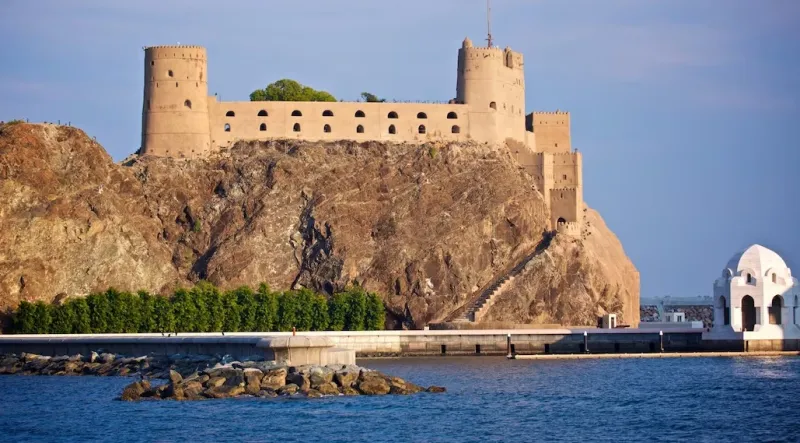
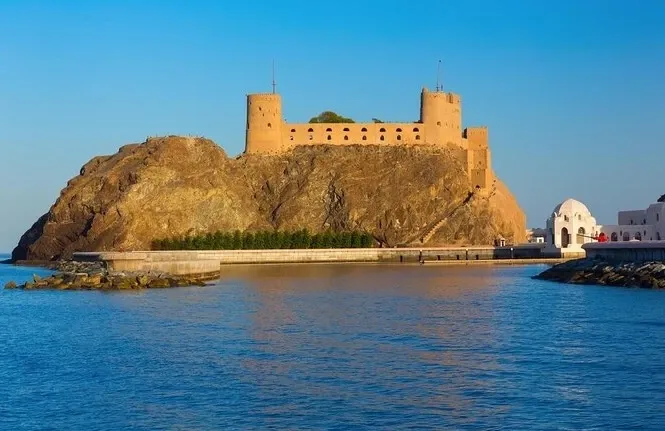
The Al Jalali Fort is one of the most famous historic landmarks in Muscat. Perched dramatically on a rocky cliff overlooking the Gulf of Oman, Al Jalali Fort stands as a powerful symbol of the city’s rich history and strategic importance. Together with its twin fortress, Al Mirani Fort, it forms a defensive system protecting the harbor and the historic district of Muscat.
Located near the royal residence Al Alam Palace, Al Jalali Fort has witnessed centuries of political change, maritime trade, and military defense. Today, it remains one of the most recognizable historical sites in Oman and an important part of the nation’s heritage.
Although the interior of the fort is not always open to the public, its striking architecture and scenic location continue to attract visitors and photographers from around the world.
Historical Background
The origins of Al Jalali Fort date back to the 16th century during the period of Portuguese influence in Oman. The Portuguese established a number of coastal fortifications to secure their trading routes and control strategic ports in the Arabian Sea.
After capturing Muscat in the early 1500s, the Portuguese constructed several defensive structures, including Al Jalali and Al Mirani Forts, to protect the harbor from naval attacks.
In 1650, Omani forces successfully expelled the Portuguese from Muscat. Following their departure, the forts were renovated and strengthened by Omani rulers, who continued to use them as military strongholds.
Over time, Al Jalali Fort served multiple roles including a defensive fortress, military garrison, and even a prison during certain periods of Omani history.
Strategic Importance
Al Jalali Fort occupies a commanding position on a steep rocky hill overlooking Muscat’s natural harbor. This strategic placement allowed guards to monitor ships entering the port and quickly respond to potential threats.
During earlier centuries, Muscat was a vital trading hub linking the Middle East with India, East Africa, and Southeast Asia. Protecting this harbor was crucial for maintaining economic stability and security.
Together with Al Mirani Fort on the opposite side of the harbor, Al Jalali created a defensive gateway that safeguarded the entrance to the city.
Architecture and Design
The architecture of Al Jalali Fort reflects a combination of Portuguese military engineering and traditional Omani building techniques.
Key Architectural Features
-
Thick stone defensive walls
-
Circular watchtowers
-
Elevated observation platforms
-
Narrow staircases built into the rock
-
Gun ports and defensive openings
The fort is constructed primarily from stone and coral blocks, materials commonly used in coastal fortifications during the Portuguese era.
Its design takes full advantage of the natural rocky terrain, making the structure extremely difficult to attack.
Renovation and Restoration
Throughout its long history, Al Jalali Fort underwent several restoration efforts to preserve its structure.
One of the most significant renovations occurred during the reign of Sultan Qaboos bin Said, who initiated many heritage conservation projects across the country.
The fort was carefully restored and converted into a private museum showcasing Omani heritage and historical artifacts. Although public access to the interior is limited, the restoration helped ensure that this important monument remains protected for future generations.
Al Jalali Fort as a Museum
At one point, Al Jalali Fort was transformed into a museum displaying artifacts related to Oman’s history and military heritage.
Items exhibited included:
-
Traditional weapons
-
Historical manuscripts
-
Maritime artifacts
-
Royal gifts and ceremonial items
These collections highlighted Oman’s long history as a seafaring nation and regional power.
While the museum is not always accessible to tourists, the fort itself remains an important cultural landmark.
Relationship with Al Mirani Fort
Al Jalali Fort and Al Mirani Fort form a pair of defensive structures guarding Muscat’s harbor. Positioned on opposite sides of the bay, they created a protective barrier for the city.
Their combined presence ensured that any approaching ships could be monitored and defended against.
Even today, the two forts dominate the skyline of Old Muscat and represent one of the most recognizable historic views in the city.
Location and Surroundings
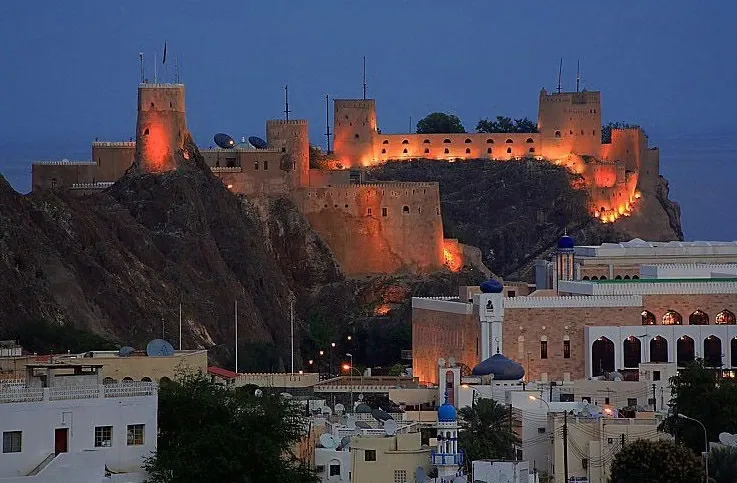
Al Jalali Fort is located in the historic Old Muscat district near several major landmarks.
Nearby attractions include:
-
Al Alam Palace
-
Government buildings
-
Historic harbor
-
Traditional Omani architecture
The fort’s location provides spectacular views of the sea and surrounding mountains, making it one of the most scenic spots in Muscat.
Cultural Significance
Al Jalali Fort represents an important chapter in Oman’s history. It reflects the country’s struggle for independence during the Portuguese occupation and the subsequent rise of Omani maritime power.
The fortress also symbolizes the strength and resilience of Muscat as a historic port city.
Today, it remains a national heritage site and a reminder of Oman’s rich cultural and military past.
Photography and Tourism
Even though interior access is limited, Al Jalali Fort remains a popular attraction for photographers and tourists.
Visitors often photograph the fort from nearby viewpoints along the harbor and from the grounds near Al Alam Palace.
The dramatic cliffside setting combined with the blue waters of the Gulf of Oman creates stunning visual compositions.
Best Time to Visit
The best time to view Al Jalali Fort is during the cooler months between October and April. Sunset is especially beautiful, as the fort’s stone walls glow under the golden light of the setting sun.
Evening visits also offer impressive views when the fort and surrounding buildings are illuminated.
Visitor Tips
Travelers planning to visit the area should consider the following:
-
Bring a camera for scenic photography
-
Combine the visit with nearby landmarks
-
Explore Old Muscat on foot
-
Visit during sunset for the best views
Although the interior may not always be open to tourists, the surrounding area offers plenty of historical and cultural attractions.
Why Visit Al Jalali Fort?
Al Jalali Fort offers visitors the chance to experience one of Oman’s most historic and visually striking landmarks.
Highlights include:
-
Dramatic cliffside architecture
-
Rich historical significance
-
Scenic harbor views
-
Proximity to major Muscat landmarks
It provides a glimpse into the military and maritime history that shaped Oman’s development.
Conclusion
Al Jalali Fort Muscat stands proudly as a historic guardian of Oman’s capital. explore Muscat Activities From its origins during the Portuguese occupation to its role as a symbol of national heritage, the fortress has witnessed centuries of transformation.
Its strategic location overlooking Muscat’s harbor tells the story of a city that once stood at the crossroads of international trade and naval power. Today, the fort remains one of the most recognizable landmarks in the country and an essential stop for visitors exploring the historic district of Muscat.
Whether admired for its architecture, history, or breathtaking views, Al Jalali Fort continues to inspire travelers and historians alike.
Visit our website today to explore exclusive Oman Tour packages, guided Muscat city tours, and unforgettable cultural experiences across the Sultanate.