
Mutrah Souq Muscat, Oman
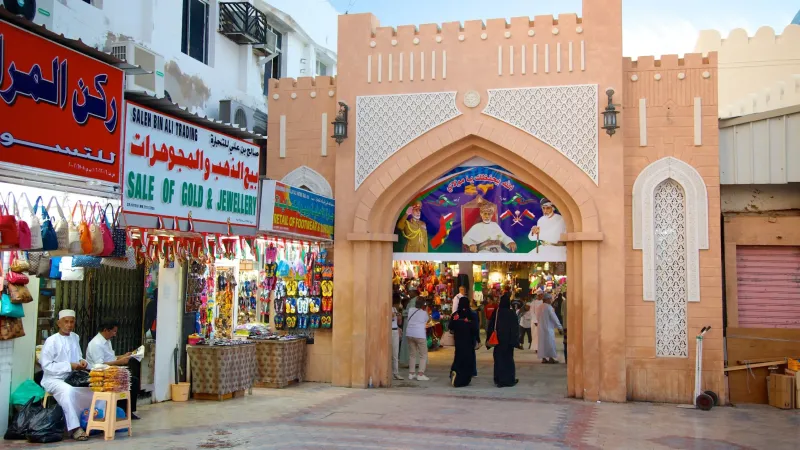
At the heart of Oman’s capital lies one of the most vibrant and historic marketplaces in the Middle East: Mutrah Souq Muscat. A cornerstone of Muscat activities, this bustling market invites visitors to explore centuries-old trade traditions while enjoying a sensory journey through colors, aromas, and sounds. As one of the city’s oldest souqs, it is a living testament to Omani culture, offering a unique opportunity for travelers to experience local commerce, craftsmanship, and hospitality all in one place. Mutrah Souq Muscat not only attracts tourists but also serves as a hub for residents to buy spices, textiles, jewelry, and souvenirs, making it a key destination for anyone exploring the city’s cultural heart.
The souq is strategically located in the historic Mutrah district, near the Corniche and the old port, reflecting its historic significance as a maritime trading hub. Its labyrinthine alleys and covered walkways transport visitors back in time, offering a glimpse of Oman before modernization while still accommodating modern needs and conveniences. Mutrah Souq Muscat represents a fusion of history, commerce, and daily life—a place where past and present coexist seamlessly.
Historical Background
Mutrah Souq Muscat has existed for centuries, evolving alongside the growth of Muscat as a major port city. Its origins trace back to the era when Muscat was a central hub for trade in frankincense, spices, and textiles. Merchants from India, East Africa, and Persia would converge in the souq, exchanging goods and forging commercial relationships that influenced Omani culture and economy for generations.
The architecture and layout of the souq reflect its long history. Covered walkways were added to protect traders and shoppers from the intense heat, while wide alleys allowed for the transport of goods by carts and camels. Over time, the souq has undergone several renovations, ensuring that its historic character is preserved while accommodating increasing numbers of visitors.
Today, Mutrah Souq Muscat stands as a symbol of the city’s rich mercantile heritage, drawing travelers interested in exploring Omani trade traditions through Muscat activities.
Location and Accessibility
Mutrah Souq Muscat is situated in the Mutrah district, easily accessible from central Muscat and nearby attractions like the Mutrah Corniche, Al Jalali and Al Mirani forts, and the Sultan Qaboos Port. Its proximity to the waterfront reflects its historic role in maritime trade, where goods from across the Indian Ocean were brought ashore for sale.
Visitors can reach the souq on foot from the Corniche, by car, or via taxis and tour services. The souq’s layout ensures that while it remains bustling and lively, it is easy to navigate, with alleys leading to specialty sections for textiles, jewelry, spices, and souvenirs.
Layout and Architecture
The souq’s architecture reflects traditional Omani design, with narrow alleys, wooden beams, and covered walkways providing shade. The souq is divided into sections, each dedicated to specific types of goods:
-
Textiles and Clothing: Traditional Omani garments, scarves, and embroidered fabrics.
-
Jewelry and Accessories: Silver khanjars (daggers), bracelets, necklaces, and rings.
-
Spices and Incense: Saffron, frankincense, myrrh, and other aromatic products.
-
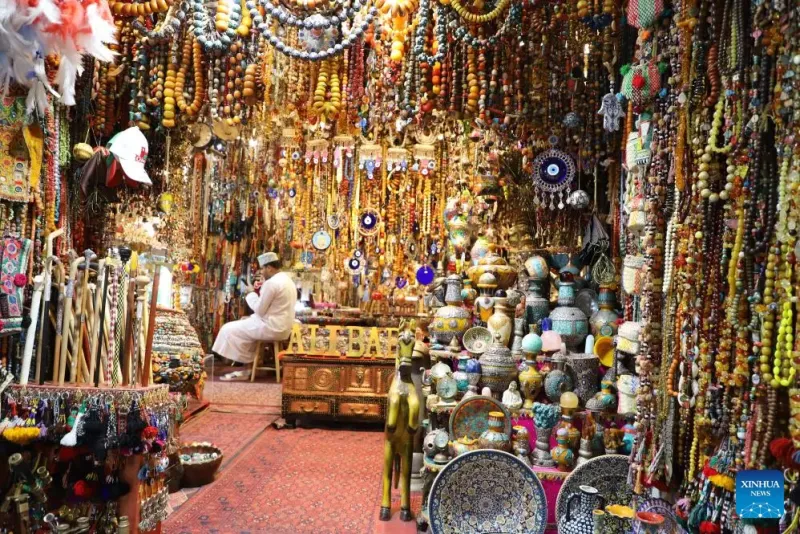
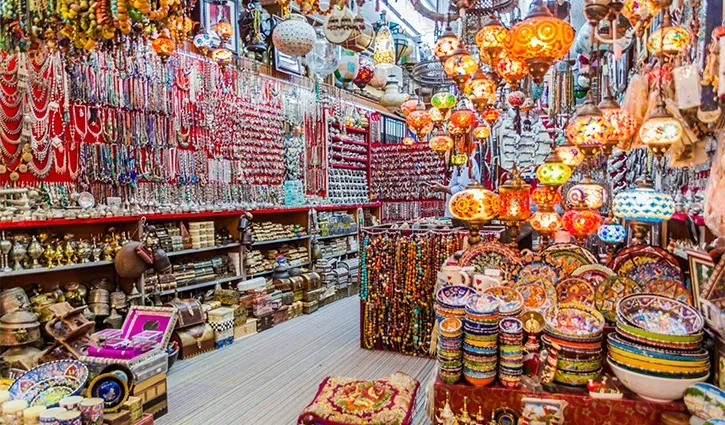
Souvenirs and Handicrafts: Pottery, woven baskets, rugs, and miniature models of dhows.
The covered sections offer relief from the desert sun, while open-air alleys allow natural light to illuminate the vibrant colors of the merchandise. The combination of architecture and layout encourages exploration, with hidden corners and small side alleys revealing unique finds for the attentive visitor.
Cultural and Social Significance
Mutrah Souq Muscat is not just a commercial hub; it is a social and cultural institution. Generations of Omani families have shopped here, exchanging stories and maintaining traditions while the city around them modernized. The souq functions as a living museum, preserving practices that define Omani identity.
Shoppers engage in traditional haggling, a practice that is both practical and culturally enriching. For visitors, participating in these exchanges offers insight into the social dynamics of Omani marketplaces. The souq’s atmosphere is characterized by the calls of shopkeepers, the clatter of goods, and the aromatic scents of spices and incense—a multisensory experience that defines Muscat activities.
Products and Specialties
Mutrah Souq Muscat is renowned for its diversity of products. Among the most sought-after items are:
Traditional Clothing and Textiles
Omani men’s dishdashas and women’s embroidered dresses reflect regional diversity and cultural heritage. Fabrics often feature intricate patterns and vibrant colors, demonstrating the country’s textile craftsmanship.
Jewelry and Khanjars
Silver jewelry and khanjars are iconic Omani items, representing both artistry and cultural symbolism. The khanjar, a curved dagger, is a national emblem often worn during ceremonies and celebrations.
Spices and Incense
Spices such as saffron, cardamom, and frankincense play a central role in Omani cuisine and religious rituals. Visitors can purchase these products both as souvenirs and for use in traditional cooking or ceremonial practices.
Handicrafts and Souvenirs
Wooden carvings, woven baskets, rugs, pottery, and miniature dhows are popular items for tourists. Each piece reflects local craftsmanship and traditional designs, allowing visitors to take a tangible piece of Omani culture home.
Culinary Experiences
Food plays an important role in Mutrah Souq Muscat, with small cafés and snack stalls offering local delicacies. Traditional sweets, dates, and coffee are commonly available, allowing visitors to enjoy authentic flavors while exploring the market. Sampling these foods provides a taste of Omani hospitality and complements the sensory journey through the souq’s alleys.
Tourist Experience
For tourists, Mutrah Souq Muscat offers an immersive and engaging experience. Strolling through the labyrinthine alleys, interacting with shopkeepers, and discovering hidden gems are central aspects of visiting the souq. Photography is popular, especially of the colorful displays and traditional architecture.
The souq also serves as a gateway to other Muscat activities, including walking along the Corniche, visiting forts, or embarking on harbor cruises. Many tour operators integrate the souq visit into a full day of cultural exploration, combining shopping, sightseeing, and culinary experiences.
Role in Muscat Activities
Mutrah Souq Muscat is a key component of Muscat activities for both residents and visitors. It functions as a focal point for cultural tours, educational trips, and leisure activities. The market exemplifies Omani traditions while providing an interactive environment where visitors can learn through observation and participation.
The souq’s presence enhances Muscat’s appeal as a city where modern development coexists with historic preservation. By engaging in Muscat activities centered around the souq, travelers gain a deeper appreciation of Oman’s cultural richness and heritage.
Festivals and Special Events
Throughout the year, Mutrah Souq Muscat hosts special events and celebrations. During national holidays, festivals, and religious observances, the market is decorated with traditional motifs and lights, creating a festive ambiance. Visitors have the opportunity to experience Omani music, dance, and ceremonial practices, adding cultural depth to their visit.
These events often feature live demonstrations of traditional crafts, providing educational experiences that highlight the skill and creativity of Omani artisans.
Sustainability and PreservationAs a historic marketplace, Mutrah Souq Muscat faces challenges related to modernization and tourism pressure. Preservation efforts focus on maintaining architectural integrity, supporting local artisans, and ensuring that commercial activities do not compromise cultural authenticity.
Responsible tourism practices encourage visitors to respect traditional practices, support local businesses, and minimize environmental impact. By balancing heritage preservation with economic vitality, the souq continues to thrive as both a cultural landmark and a functional marketplace.
Conclusion
Mutrah Souq Muscat is more than just a shopping destination; it is a living reflection of Oman’s history, culture, and social life. From traditional garments and jewelry to spices, souvenirs, and culinary delights, every corner of the souq tells a story of centuries-old traditions preserved amidst a modernizing city. As visitors wander through its alleys, they engage with Omani culture in an authentic, interactive way, making it an essential part of Muscat activities.
Lets discover Mutrah Souq Muscat through our Muscat activities and experience the vibrant heart of Omani heritage.