
Royal Opera House Muscat – Oman’s Cultural Masterpiece
Introduction
The Royal Opera House Muscat is one of the most prestigious cultural landmarks in the Sultanate of Oman. Located in the elegant Shati Al-Qurum district of Muscat, the Royal Opera House Muscat (ROHM) represents Oman’s commitment to arts, culture, and international dialogue. Since its inauguration in 2011, it has become a symbol of modern Oman’s cultural renaissance, blending traditional Omani architectural elements with state-of-the-art performance technology.
Commissioned by Sultan Qaboos bin Said, the opera house reflects his vision of promoting cultural exchange and artistic excellence. Today, it stands not only as a venue for world-class performances but also as a major tourist attraction and architectural icon in the Gulf region. explore our Oman Tour Packages
Historical Background
The Royal Opera House Muscat was officially opened on October 12, 2011. The inaugural performance featured the opera Turandot by Giacomo Puccini, signaling Oman’s entry into the global performing arts scene.
The late Sultan Qaboos, known for his passion for classical music and cultural development, envisioned a grand venue that would host international artists while preserving Omani identity. The opera house became the first of its kind in the Gulf Cooperation Council (GCC) countries.
Since its opening, the venue has hosted performances from globally recognized orchestras, opera companies, ballet troupes, and soloists from Europe, Asia, the Americas, and the Middle East.
Architecture and Design
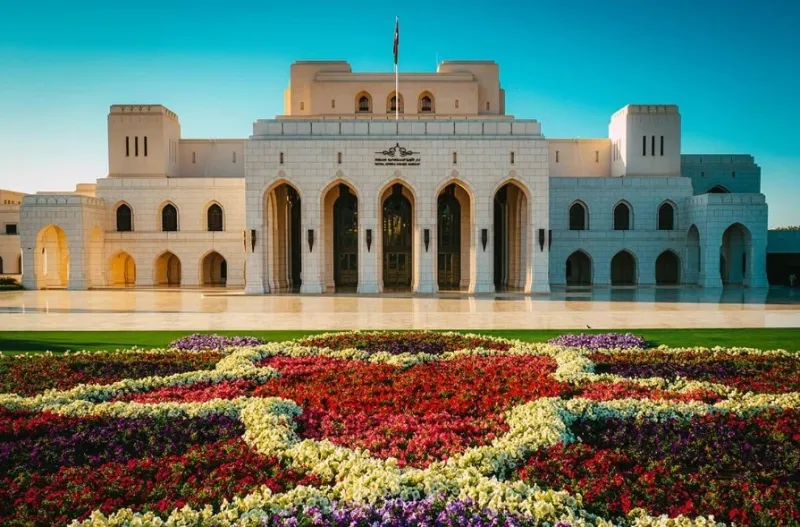
The Royal Opera House Muscat is a masterpiece of Islamic and Omani architectural design. It combines traditional aesthetics with modern engineering.
Architectural Features
-
Grand arched entrances
-
Intricate wooden carvings
-
Marble courtyards
-
Geometric patterns inspired by Islamic art
-
Elegant chandeliers
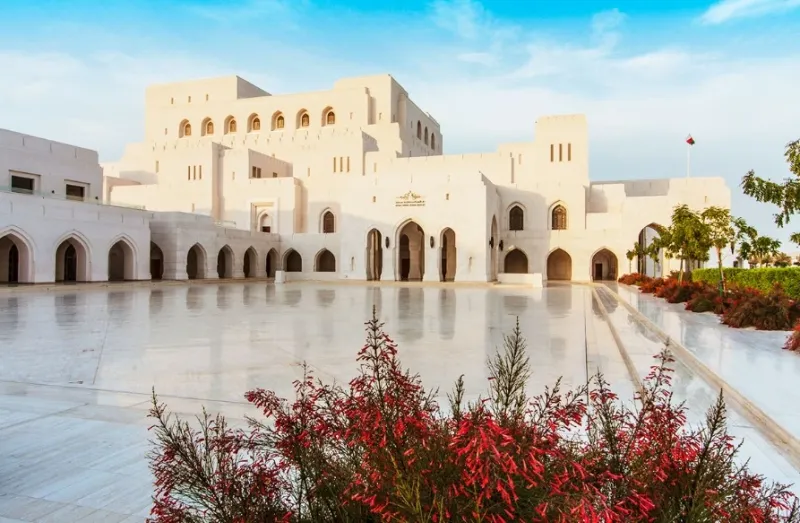
The exterior design reflects Omani fort architecture, with clean lines and harmonious proportions. The building’s white stone façade shines beautifully under the Omani sun.
Inside, the concert hall is fully adjustable. The auditorium can transform from a traditional opera setting into a concert hall or theater space, thanks to advanced acoustic and mechanical systems.
Performance Hall and Facilities
The main auditorium seats approximately 1,100 guests. It is equipped with world-class acoustic technology and adaptable stage mechanics.
Facilities include:
-
Main concert hall
-
Auditorium balconies
-
VIP royal box
-
Rehearsal rooms
-
Art galleries
-
Cultural marketplace
-
Restaurants and cafés
The venue also features beautifully landscaped gardens and an opera galleria that houses luxury boutiques and dining options.
Cultural Significance
The Royal Opera House Muscat plays a central role in Oman’s cultural strategy. It promotes:
-
Classical music
-
Opera
-
Ballet
-
Jazz
-
Arabic music
-
Traditional Omani performances
-
Educational workshops
By hosting artists from around the world, the opera house fosters cross-cultural dialogue and artistic collaboration.
It also provides educational programs for Omani youth, helping to nurture local talent in music and performing arts.
International Performances
Since its inauguration, the Royal Opera House Muscat has welcomed:
-
World-renowned opera singers
-
International symphony orchestras
-
Ballet companies
-
Jazz legends
-
Arabic music icons
The programming blends Western classical traditions with Middle Eastern and Asian performances, creating a diverse cultural calendar.
Performances typically run from September to May, avoiding the peak summer heat.
Visitor Experience
Tourists visiting Muscat often include the Royal Opera House in their itinerary. Even if there is no scheduled performance, guided tours allow visitors to explore the building’s architecture and learn about its history.
Visitors can enjoy:
-
Guided architectural tours
-
Opera-themed exhibitions
-
Cultural shopping
-
Fine dining experiences
-
Evening performances
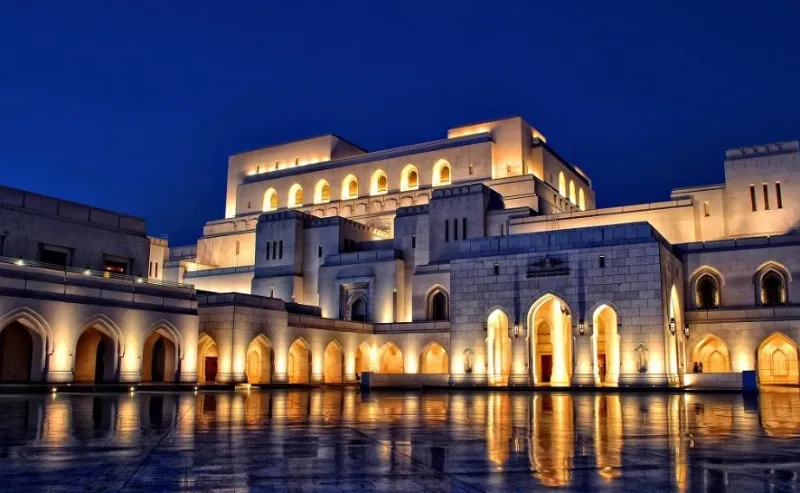
The opera house becomes especially magical at night when illuminated against the dark sky.
Location and Accessibility
The Royal Opera House Muscat is located in Shati Al-Qurum, a prestigious waterfront district in Muscat. It is easily accessible by taxi or private car and is situated near luxury hotels and shopping centers.
Its central location makes it convenient to combine with visits to:
-
Sultan Qaboos Grand Mosque
-
Mutrah Corniche
-
Al Alam Palace
-
Qurum Beach
Dress Code and Etiquette
Visitors attending performances are encouraged to dress elegantly. While formal attire is not strictly mandatory for all events, smart and modest clothing is recommended.
Respect for local customs and cultural norms is appreciated.
Educational and Community Outreach
Beyond performances, the Royal Opera House Muscat organizes:
-
Music education programs
-
Student workshops
-
Masterclasses
-
Cultural lectures
-
School visits
These initiatives help cultivate appreciation for performing arts among younger generations in Oman.
Architectural Awards and Recognition
The opera house has received international recognition for its design and acoustics. It is often described as one of the most beautiful opera houses in the world.
Its combination of traditional Islamic design with cutting-edge technology sets it apart from other global opera venues.
Economic and Tourism Impact
The Royal Opera House Muscat contributes significantly to Oman’s tourism sector. It attracts international visitors, artists, and cultural enthusiasts.
By hosting global performances, it enhances Muscat’s reputation as a cultural destination rather than solely a beach or desert tourism location.
The surrounding opera galleria also supports local businesses and luxury retail brands.
Why Visit Royal Opera House Muscat?
The Royal Opera House Muscat offers:
-
Stunning Omani architecture
-
World-class performances
-
Cultural exhibitions
-
Fine dining experiences
-
A unique blend of tradition and modernity
It represents Oman’s dedication to art, culture, and global engagement.
Best Time to Visit
The performance season typically runs from autumn to spring (September to May). The cooler months offer comfortable weather for evening events and sightseeing.
Guided tours are available throughout the year, except during special events.
Conclusion
The Royal Opera House Muscat stands as one of the Middle East’s most impressive cultural institutions. It symbolizes Oman’s commitment to preserving tradition while embracing global artistic excellence. From its breathtaking architecture to its diverse performance calendar, the opera house provides a refined and enriching experience for visitors and residents alike.
Whether attending a classical opera, enjoying an Arabic music concert, or simply exploring the architectural beauty of the building, a visit to the Royal Opera House Muscat is unforgettable.
Visit Muscat Activities today to explore exclusive Oman travel packages, cultural tours, and performance experiences at the Royal Opera House Muscat. Let us help you plan your perfect cultural journey in Oman!