

Wahiba Sands, Oman, A Living Desert of Culture and Nature
In the heart of the Sultanate of Oman lies a vast sea of golden dunes known to travelers and geographers as Wahiba Sands Oman. Stretching across eastern Oman, this magnificent desert—also commonly called the Sharqiya Sands—offers a landscape of rolling sand hills, dramatic light contrasts, and ancient Bedouin heritage. It is a destination where nature’s raw beauty meets cultural authenticity, creating an experience unlike any other in the Arabian Peninsula.
The desert has long captured the imagination of explorers, scientists, photographers, and adventurers. Its towering dunes, some rising over 100 meters, shift shape with the wind, forming an ever-changing canvas of curves and ridges. Beyond its scenic allure, the region is also home to resilient communities who have adapted to life in one of the world’s harshest environments.
This article explores the geography, ecology, history, culture, tourism potential, and enduring charm of Wahiba Sands Oman, revealing why it remains one of the most fascinating desert landscapes in the Middle East.
Geographic Location and Landscape
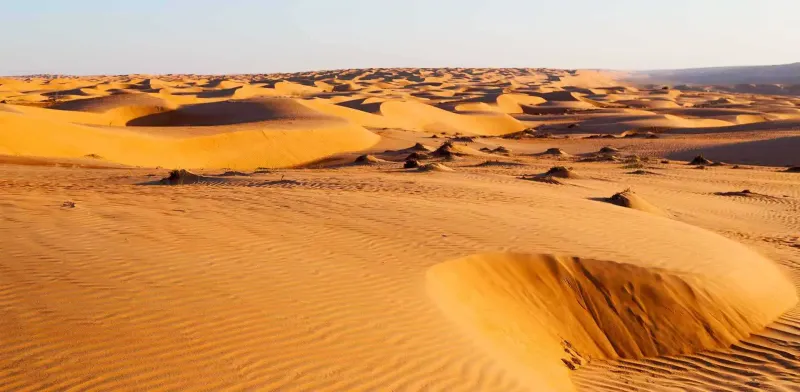
Wahiba Sands Oman stretches approximately 180 kilometers north to south and 80 kilometers east to west. It lies primarily within the Ash Sharqiyah region, bordered by the Eastern Hajar Mountains to the west and the Arabian Sea to the east. The desert’s accessibility from Muscat—Oman’s capital—makes it a popular destination for both short excursions and extended expeditions.
The dunes vary in color from pale gold to deep amber and even reddish hues depending on mineral content and sunlight. Their linear patterns are shaped by prevailing winds, creating parallel ridges that can run for kilometers. These natural formations provide dramatic backdrops for photography, particularly during sunrise and sunset when shadows stretch across the sand like brushstrokes.
The desert floor is not uniform; in some areas, gravel plains and dry riverbeds (wadis) interrupt the dunes, creating ecological diversity and serving as routes for wildlife and travelers alike.
Climate and Natural Conditions
The climate in Wahiba Sands Oman is typical of subtropical deserts. Summers are extremely hot, with daytime temperatures often exceeding 45°C (113°F). Winters are milder and more pleasant, especially between November and March, making this the ideal season for tourism.
Rainfall is scarce but not entirely absent. Occasional winter showers bring brief moments of greenery to the desert landscape, allowing grasses and shrubs to sprout temporarily. These rare rains are vital for sustaining plant and animal life in the region.
The desert environment may appear barren at first glance, but it is surprisingly complex. Shifting winds sculpt the dunes, while temperature fluctuations between day and night create unique microclimates.
Flora and Fauna
Despite its arid conditions, Wahiba Sands Oman supports a remarkable range of life. Desert vegetation includes hardy shrubs such as ghaf trees, acacia species, and salt-tolerant plants. These species have evolved deep root systems and water-conserving adaptations to survive prolonged drought.
Wildlife is equally fascinating. The desert is home to reptiles such as sand vipers and geckos, as well as small mammals including desert foxes and hedgehogs. Bird species, particularly migratory birds, pass through the region seasonally. Insects and beetles also play an essential role in the desert ecosystem.
Scientific expeditions have documented hundreds of species of flora and fauna within the Sharqiya Sands, emphasizing the ecological significance of the region. The biodiversity found here challenges the common misconception that deserts are lifeless.
Bedouin Heritage and Traditional Life
Long before modern tourism developed, the desert was home to Bedouin tribes who relied on camels, goats, and seasonal migration for survival. Their intimate knowledge of the landscape enabled them to navigate dunes, locate water sources, and interpret weather patterns.
Traditional Bedouin tents, woven from goat hair, were designed to withstand harsh desert winds. Hospitality remains central to Bedouin culture; guests are often welcomed with Arabic coffee and dates. Oral storytelling, poetry, and music form part of the cultural fabric passed down through generations.
Today, while many Bedouin families have adopted modern housing and lifestyles, some still maintain semi-nomadic traditions. Visitors to desert camps often have the opportunity to learn about these customs, gaining insight into a way of life shaped by resilience and harmony with nature.
Exploration and Scientific Interest
The Sharqiya Sands attracted scientific interest in the late 20th century when researchers conducted extensive ecological surveys. These studies documented the region’s biodiversity and geological formations, highlighting its importance as a natural laboratory for desert research.
Geologists study dune formation and wind patterns, while biologists examine adaptive survival strategies among plants and animals. The desert’s unique ecosystem continues to provide valuable data for understanding climate adaptation and environmental sustainability.
Tourism and Adventure Activities
Tourism in Wahiba Sands Oman has grown steadily over the past decades. The desert offers a wide range of activities suitable for adventure seekers and cultural travelers alike.
Dune Bashing
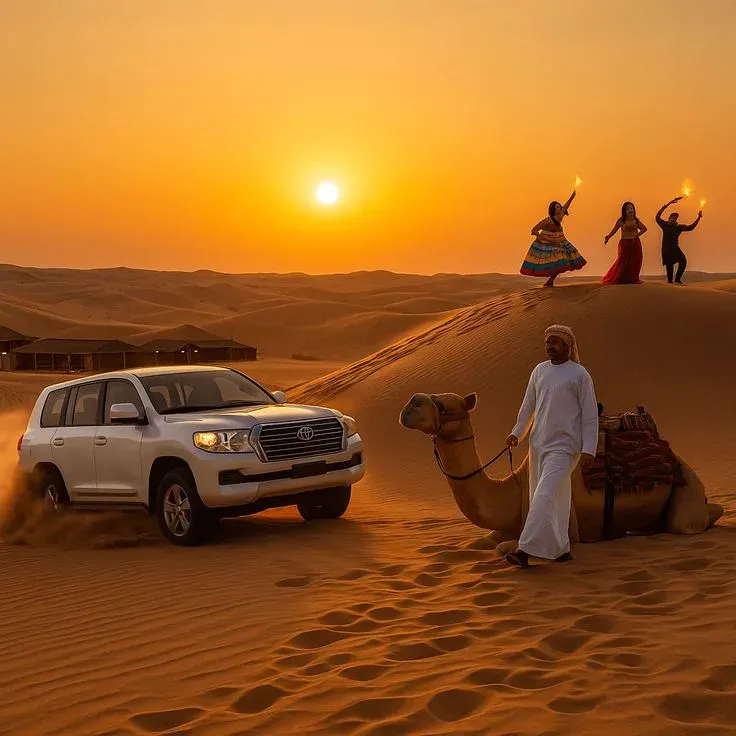
One of the most popular experiences is dune bashing in 4x4 vehicles. Skilled drivers navigate steep slopes and sharp ridges, providing an exhilarating ride across the sands.
Camel Trekking
Camel rides offer a slower, more traditional way to explore the desert. These treks often take place at sunset, when the golden light enhances the landscape’s beauty.
Camping Under the Stars
Overnight stays in desert camps allow visitors to experience the tranquility of the dunes after dark. With minimal light pollution, the night sky becomes a breathtaking display of stars. Stargazing in the desert reveals constellations with remarkable clarity.
Sandboarding and Hiking
Adventure enthusiasts can try sandboarding down steep dunes or hiking across the ridges to enjoy panoramic views.
Luxury camps now offer comfortable accommodations with private tents, traditional décor, and authentic Omani cuisine, blending modern comfort with cultural authenticity.
Cultural Experiences
Visitors often enjoy traditional Omani meals featuring rice, grilled meats, and fragrant spices. Cultural evenings may include folk music and dance performances. Henna art and falconry demonstrations are sometimes part of the desert experience.
These interactions create meaningful exchanges between travelers and local communities, fostering respect and cultural understanding.
Nearby Attractions
Wahiba Sands Oman is ideally located near several natural and historical sites:
-
Wadi Bani Khaled– A lush oasis with turquoise pools perfect for swimming.
-
Sur – A coastal city known for traditional dhow shipbuilding.
-
Ras al Jinz – A protected area famous for green sea turtle nesting sites.
These nearby destinations complement a desert journey with water, wildlife, and coastal heritage.
Sustainable Tourism and Conservation
As tourism grows, sustainability becomes increasingly important. Responsible tour operators promote eco-friendly practices such as waste management, water conservation, and support for local communities.
Protecting the fragile desert ecosystem requires cooperation between authorities, businesses, and visitors. By respecting wildlife habitats and minimizing environmental impact, travelers can help preserve the desert for future generations.
Photography and Artistic Inspiration
The desert’s minimalism inspires photographers and artists alike. The interplay of light and shadow, combined with sweeping horizons, creates compositions of striking simplicity. Sunrise and sunset are particularly magical moments when the dunes glow in warm tones.
Many visitors describe a profound sense of peace while standing atop a dune, surrounded by silence interrupted only by the wind.
The Spiritual Dimension of the Desert
Deserts have long symbolized reflection and renewal. In Wahiba Sands Oman, the vast openness encourages introspection. The absence of urban noise allows visitors to disconnect from daily routines and reconnect with nature.
The rhythm of the desert—sunrise, heat, sunset, cool night—reminds travelers of life’s essential simplicity.
Modern Development and Accessibility
Improved road networks and organized tour services have made the desert more accessible than ever. Guided tours from Muscat typically include transportation, meals, and overnight stays.
Despite modernization, much of the desert remains untouched, preserving its authenticity. This balance between development and preservation defines the current character of Wahiba Sands Oman.
Conclusion
From its towering dunes and resilient wildlife to its rich Bedouin traditions and thrilling adventures, Wahiba Sands Oman stands as a testament to nature’s power and beauty. It is a place where culture, ecology, and exploration converge, offering experiences that linger long after the journey ends.
Whether seeking adrenaline-filled activities or quiet moments beneath a starlit sky, the desert welcomes every traveler with timeless hospitality. Let’s make a new adventure to discover the beauty of wahiba sands tour.