
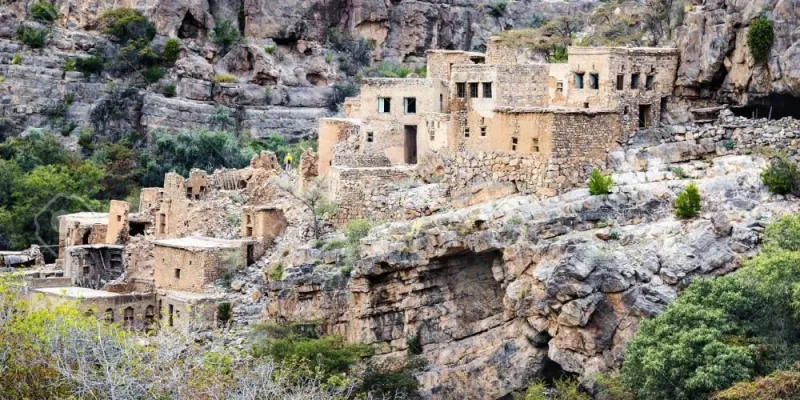
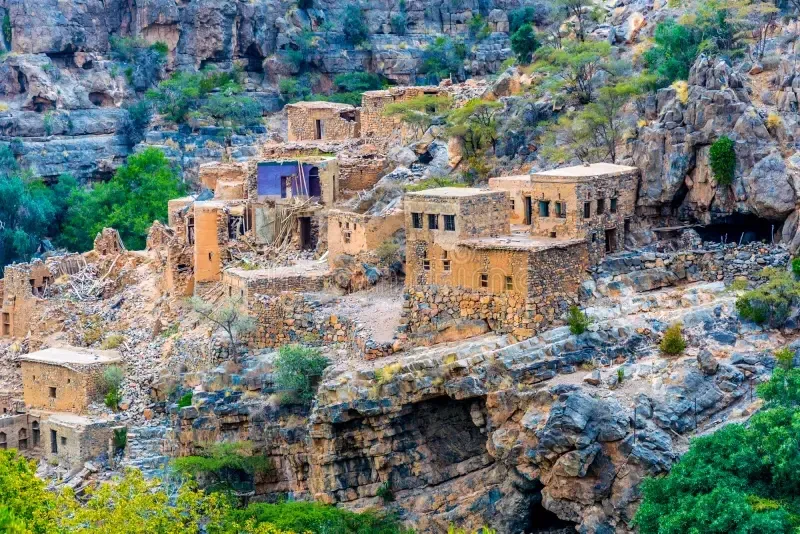
Nestled in the rugged mountains near Nizwa, Wadi Bani Habib Nizwa is one of Oman’s hidden gems, combining natural beauty, cultural heritage, and traditional village life. This wadi, or valley, is renowned for its terraced landscapes, ancient villages, and thriving palm groves. Wadi Bani Habib Nizwa reflects centuries of Omani ingenuity in agriculture, architecture, and water management, offering visitors an authentic glimpse into the Sultanate’s interior regions.
The wadi’s fertile lands have been cultivated for generations, allowing local communities to produce dates, citrus fruits, and other crops in harmony with the harsh mountainous environment. Wadi Bani Habib Nizwa is not only a feast for the eyes with its lush greenery against rugged rock formations, but it also carries deep cultural significance. Traditional villages dot the valley, with stone houses, narrow alleyways, and small mosques that preserve centuries-old ways of life.
Historical Background
Wadi Bani Habib Nizwa has long been an essential location for settlements in Oman. Historically, the valley offered protection from invaders due to its secluded terrain, while the presence of water channels allowed agriculture to flourish. Villages in the wadi were strategically built on elevated terraces to prevent floods, maximize irrigation, and protect homes.
The history of the valley is closely tied to the tribes who inhabited the region. The Habib tribe, after which the wadi is named, established settlements here hundreds of years ago. Their knowledge of irrigation systems, farming techniques, and defensive architecture enabled the communities to thrive in this challenging mountainous environment. Stone watchtowers, narrow village entrances, and terraced fields are testaments to the resilience and ingenuity of the people of Wadi Bani Habib Nizwa.
Over time, the valley became more than just a place of residence; it developed into a hub of culture, local trade, and traditional craftsmanship. The villagers maintained their customs, including pottery, weaving, and traditional Omani cuisine, which continue to attract visitors seeking authentic cultural experiences.
Geography and Natural Features
Wadi Bani Habib Nizwa lies amid the dramatic landscapes of Oman’s interior mountains. Its terrain features a combination of rocky cliffs, fertile terraces, and winding pathways that connect the villages. The wadi is part of a larger network of valleys that channel water from the Hajar Mountains into the fertile plains below.
The presence of natural springs and aflaj (traditional irrigation channels) allows the valley to sustain lush date palms, pomegranate trees, and other crops. Visitors often marvel at the sight of reen terraces clinging to the sides of rocky cliffs, a testament to centuries of agricultural engineering. The unique geology of Wadi Bani Habib Nizwa also provides opportunities for hiking, photography, and eco-tourism, making it a destination for both nature lovers and cultural explorers.
Architecture and Villages
The villages within Wadi Bani Habib Nizwa are remarkable examples of traditional Omani architecture. Stone and mud-brick houses line the narrow alleyways, often adorned with simple wooden doors and small windows. The terraced layout of the villages maximizes space on steep slopes while providing safety and access to water for residents.
Many homes have been continuously inhabited for generations, preserving architectural details that reflect Oman’s historical building practices. Traditional mosques, often small but intricately decorated, serve as spiritual centers for the community. Watchtowers and fortified village entrances hint at the valley’s need for protection in earlier centuries, providing insight into the strategic importance of Wadi Bani Habib Nizwa.
Visitors to the villages can explore the local lifestyle, including traditional kitchens, craft workshops, and communal gathering areas. These villages are not merely tourist attractions; they remain living communities where ancient practices coexist with modern life.
Agriculture and Water Management
One of the most fascinating aspects of Wadi Bani Habib Nizwa is its agricultural system. The use of aflaj, or underground water channels, allows villagers to transport water from mountain springs to their fields efficiently. This system, recognized by UNESCO as part of Oman’s intangible cultural heritage, demonstrates sustainable water management techniques that have endured for centuries.
Date palms are the most prominent crop in the valley, providing both sustenance and economic value to local families. Citrus fruits, pomegranates, and vegetables are also cultivated on terraced fields that follow the natural contours of the mountains. The integration of agriculture with the natural environment reflects a harmonious relationship between humans and nature, one of the defining features of Wadi Bani Habib Nizwa.
Cultural Significance
Beyond its natural and architectural beauty, Wadi Bani Habib Nizwa carries deep cultural importance. It is a repository of Omani traditions, including folklore, music, and cuisine. Festivals and communal gatherings in the villages preserve social cohesion and celebrate heritage. Visitors often witness traditional dances, handicrafts, and culinary practices that provide a window into life in Oman’s interior regions.
Local craftsmanship, particularly in weaving, pottery, and silverwork, remains an integral part of the valley’s culture. These crafts are passed down through generations, and visitors can often purchase authentic souvenirs while supporting the community.
Tourism and Visitor Experience
Wadi Bani Habib Nizwa is increasingly recognized as a must-visit destination for tourists seeking both nature and culture. Its proximity to Nizwa city allows easy access, making it a popular day trip or part of multi-day tours exploring Oman’s interior. Visitors can hike through the valley, explore villages, and enjoy scenic views of terraced fields against the backdrop of rugged cliffs.
Guided tours often include explanations of the valley’s history, architecture, and water management systems, providing a deeper understanding of the area’s significance. For travelers who enjoy photography, the wadi offers stunning landscapes, traditional homes, and vibrant agricultural terraces that capture the essence of Oman’s heritage.
In the middle of a tour itinerary, many Oman tour packages highlight Wadi Bani Habib Nizwa as a key stop. lets discover Wadi Bani Habib Nizwa Souk through our Oman tour packages, where travelers can experience local markets, traditional crafts, and the unique lifestyle of valley residents.
Local Markets and Souk Experience
Though Wadi Bani Habib Nizwa is primarily known for its villages and landscapes, local markets within the valley offer an authentic cultural experience. Residents sell fresh produce, handicrafts, and traditional Omani products, giving visitors a taste of rural commerce. The souk experience in the valley complements visits to nearby Nizwa Souk, creating a holistic view of trade and community life in Oman.
Exploring the markets allows visitors to interact with local artisans, sample traditional foods, and purchase souvenirs that reflect the valley’s rich cultural identity. The combination of natural beauty, architecture, and commerce makes Wadi Bani Habib Nizwa a well-rounded tourist destination.
Eco-Tourism and Adventure
Wadi Bani Habib Nizwa is not only about culture; it is a haven for eco-tourism and adventure enthusiasts. The valley’s terrain is ideal for hiking, trekking, and birdwatching. Visitors can explore hidden pathways, climb rocky hills for panoramic views, and observe native flora and fauna.
Adventure tours in the wadi often include educational components, highlighting sustainable practices, agricultural techniques, and the valley’s natural heritage. By combining adventure with learning, tourists gain a deeper appreciation for Oman’s unique landscapes and the communities that inhabit them.
Preservation and Community Initiatives
Local communities, supported by government and non-governmental initiatives, actively preserve Wadi Bani Habib Nizwa. Restoration of village houses, maintenance of aflaj irrigation systems, and promotion of traditional crafts ensure that the valley retains its cultural and environmental integrity.
Tourism is managed carefully to avoid disruption to village life and the natural environment. Responsible tourism practices encourage visitors to respect local customs, minimize environmental impact, and contribute positively to the communities they visit.
Accessibility and Travel Tips
Wadi Bani Habib Nizwa is accessible by road from Nizwa city, with well-maintained paths leading to the valley and villages. Visitors are advised to wear comfortable footwear for walking on uneven terrain and bring water, sun protection, and cameras to capture the scenery.
Guided tours are recommended for first-time visitors, as guides provide historical context, point out hidden features, and enhance the overall experience. Best times to visit are during cooler months when temperatures are comfortable for exploration.
Final Thoughts
Wadi Bani Habib Nizwa is a remarkable combination of natural beauty, cultural heritage, and traditional lifestyle. Its terraced fields, ancient villages, and flourishing date palms offer visitors a glimpse into Oman’s rich history and resilient communities. The wadi exemplifies sustainable agriculture, traditional craftsmanship, and the enduring legacy of Omani culture.
For travelers eager to explore Oman beyond the urban centers, Wadi Bani Habib Nizwa is a must-visit destination. From scenic hiking to cultural immersion, it provides a full experience of the Sultanate’s interior regions.
In conclusion: lets discover Wadi Bani Habib Nizwa Souk through our Oman tour packages, ensuring an unforgettable journey through the valley’s landscapes, villages, and vibrant culture.