
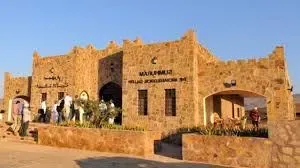
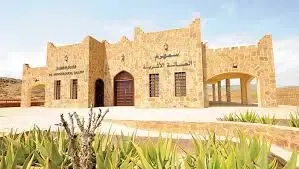
Al Baleed Archeological Park Oman is one of the most significant historical and archaeological treasures in the Sultanate of Oman. Located in the Dhofar Governorate near the city of Salalah, this open-air archaeological park preserves the remnants of a once-thriving medieval port city that was pivotal in the ancient global trade of frankincense. Recognized as part of the UNESCO World Heritage Site known as the Land of Frankincense since 2000, Al Baleed captivates visitors with its ruins, museum, and cultural context, offering a vivid window into Oman’s past.
Historical Overview
The area now designated as Al Baleed Archeological Park Oman occupies the site of the medieval city of Zafar (also spelled Ẓafār). This ancient port city flourished from approximately the 8th century AD until its decline in the 16th or 17th century. Zafar played a central role in maritime trade across the Arabian Sea, serving as a thriving hub for commerce and culture.
Early Origins
Long before Islamic influence, the Dhofar region was already connected to trade networks that spanned Arabia, East Africa, India, and beyond. While the site gained prominence in the early medieval period, archaeological evidence suggests human activity and regional trade in the area that predates the city of Zafar, including the movements of frankincense along ancient caravan routes.
Zafar: A Port of Frankincense
The city of Zafar rose to prominence due to its proximity to rich sources of Boswellia sacra trees, from which frankincense resin is harvested. Frankincense was one of the most valuable commodities in the ancient world — prized by royal households and civilizations as far away as China, India, and the Mediterranean for use in religious rites, medicine, and luxury goods. The port facilitated maritime trade, linking South Arabian merchants with foreign markets via seasonal monsoon winds that carried ships across the Indian Ocean.
By the 12th century, Zafar had evolved into a cosmopolitan hub, welcoming traders, travelers, and scholars. Renowned visitors such as Ibn Battuta and other historical chroniclers documented its importance as a key commercial gateway.
Decline and Abandonment
The city eventually faced decline in the 16th and 17th centuries, for a combination of reasons. The closure of the natural inlet of Khor al Baleed, which had provided sheltered access for ships, significantly reduced its viability as a port. The changing geopolitics of the region, including incursions by Portuguese and Ottoman forces, further disrupted trade networks. Over time, Zafar was gradually abandoned, its structures left to the coastal elements and the passage of centuries.
Rediscovery and Excavation
Interest in the archaeological significance of Al Baleed began in the mid-20th century. Excavations commenced in the 1950s and continued in phases with international collaboration involving Omani, American, Italian, and German archaeologists. These excavations revealed key structures such as mosque foundations, residential quarters, trading warehouses, defensive walls, and intricate water systems.
Over time, efforts were made not only to preserve the ruins but also to make them accessible and educational for visitors. In the early 2000s, what is now known as the archaeological park was developed, complete with walkways, interpretive signage, and visitor facilities.
UNESCO World Heritage and the Land of Frankincense
In 2000, Al Baleed Archeological Park Oman became a part of the UNESCO World Heritage Site Land of Frankincense, which also includes the frankincense trees at Wadi Dawkah, the caravan oasis of Shisr/Wubar, and the ancient port of Khor Rori. The UNESCO designation recognizes the outstanding universal value of the region in illustrating the long-distance trade and cultural exchange centered around frankincense from prehistory through the medieval period.
The UNESCO listing highlights the role of these sites in providing evidence of a thriving network of commerce, human settlement, and cross-cultural interaction at a time when such global exchanges were rare. It also acknowledges the ongoing importance of protecting and interpreting these resources for future generations.
Geographic Setting and Landscape
The archaeological park lies just inland from the Arabian Sea, framed by a brackish lagoon known as Khor al Baleed. The surrounding landscape — flat coastal plains blending into the gentle hills of Dhofar — provides a striking backdrop for the ruins. Palm-lined paths and native shrubland give way to archaeological remains set across a broad expanse, making the park both a historical and scenic destination.
The lagoon itself served as part of the ancient harbor system. While the mouth of the inlet has since silted up, during the city’s heyday it offered calm waters where small trading vessels could moor and transfer goods.
Key Features of the Archaeological Park
Ruins of the City of Zafar
At the core of the park are the extensive remains of the city of Zafar. These include remnants of dwellings, walls, foundations of public and private buildings, and evidence of urban planning. The layout provides insight into the structure of a medieval Arabian port city that balanced residential, religious, and commercial functions.
Grand Mosque
One of the most remarkable structures within the park is the Grand Mosque of Al Baleed. The mosque dates back to the medieval period and is distinguished by its large prayer hall, once supported by more than 144 columns arranged in orderly rows. Although many of the columns have not survived, the footprint and layout remain impressive and offer a tangible link to the city’s religious life.
Palace and Fort Ruins
Near the mosque are the remains of what is believed to have been the ruling elite’s palace or fort. These massive masonry heaps reflect the scale and craftsmanship of significant public and ceremonial buildings in Zafar.
City Walls
Fragments of the city’s defensive walls, sometimes referred to as the Al Madinah Wall, remain visible. While not extensive, these walls once helped protect Zafar from seasonal flooding and provided a defined boundary for the urban settlement.
Museum of the Frankincense Land
One of the highlights of visiting Al Baleed Archeological Park Oman is the Museum of the Frankincense Land, located within the park grounds. Opened in 2007, this museum serves as a cultural hub, interpreting the historical and economic context of the region through carefully curated exhibits.
Museum Exhibits
The museum is organized into major thematic halls:
-
Hall of History – This portion traces the development of the Dhofar region, the rise of frankincense trade networks, and the cultural connections forged through maritime commerce.
-
Maritime Hall – Here, displays focus on Oman’s seafaring traditions, shipbuilding techniques, and the role of the Indian Ocean in shaping global trade routes.
Interactive displays, ship models, ancient artifacts, and interpretive signage help bring to life centuries of history that span far beyond the park’s ruins.
Visitor Experience and Practical Information
Visiting Al Baleed Archeological Park Oman provides a blend of historical exploration, cultural education, and scenic enjoyment. The park’s design allows visitors to walk among ruins, view interpretive panels, and explore the museum — all set against the calming backdrop of the lagoon and surrounding landscape.
Access and Tours
The park is typically open daily, and entry includes access to both the outdoor archaeological area and the Museum of the Frankincense Land. For those who prefer not to walk the extensive grounds, an electric vehicle tour (often available for a modest additional fee) offers a comfortable 20-minute circuit with stops at key sites.
Interpretive Signage and Guided Visits
Informational signboards throughout the park provide bilingual descriptions (English and Arabic) of structures and findings, making the site accessible even for self-guided visitors. Guided tours, when available, enrich the experience with deeper historical context and anecdotes about daily life in the ancient city.
Best Time to Visit
Salalah’s climate is generally hot and dry, but the Khareef monsoon season (roughly June through September) brings cooler temperatures and lush greenery, enhancing the surrounding landscape. Visiting early in the morning or late afternoon — especially outside of the peak heat — provides a more comfortable experience.
Cultural and Educational Value
Al Baleed Archeological Park Oman plays a crucial role in illustrating the historical interplay between culture, commerce, and environment in southern Arabia. Its preservation allows scholars, students, and tourists alike to see firsthand the material culture of an ancient society that was deeply connected to a global trading world through frankincense, maritime exchange, and cross-cultural interaction.
By combining an archaeological site with a museum dedicated to interpretation, the park serves not just as a collection of ruins, but as a dynamic educational landscape where visitors can contextualize their experience within larger narratives of human history.
Conservation and Future Developments
Omani authorities continue to invest in the conservation and enhancement of the Land of Frankincense sites, including Al Baleed. Recent restoration projects aim to stabilize key structures, preserve fragile archaeological remains, and improve visitor infrastructure. These efforts align with Oman’s broader National Tourism Strategy, which emphasizes sustainable cultural tourism and heritage preservation.
Conclusion
Al Baleed Archeological Park Oman stands as one of the most remarkable archaeological parks in the Arabian Peninsula, linking the ancient past with modern heritage tourism and education. With its evocative ruins, comprehensive museum exhibits, and stunning coastal setting, this site offers a unique and immersive window into a medieval world shaped by trade, culture, and the legendary frankincense commerce that once connected Oman to far corners of the globe.
If you need to explore Al Baleed Archeological Park Oman, check our Salalah Activities for tours, detailed guides, and experiences designed to help you make the most of your visit.