
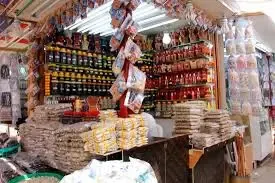

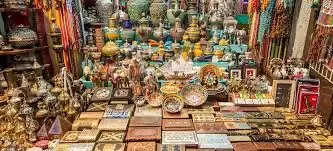
Al Haffa Souq, also known as Al Hafah Souq, is one of the oldest and most iconic traditional markets in Salalah, the capital of Dhofar Governorate in southern Oman. The souq holds deep cultural, historical, and economic significance and is widely recognized as the heart of frankincense trade in the region. Located near the coastal district of Al Haffa, the market reflects centuries of Omani heritage and continues to play a vital role in preserving local traditions while serving as a popular destination for both residents and visitors.
Unlike modern shopping centers, Al Haffa Souq has retained its traditional character, offering an authentic experience that showcases Omani craftsmanship, hospitality, and daily life. The market is especially vibrant during the Khareef (monsoon) season, when Salalah transforms into a lush green destination and attracts thousands of tourists from across the Gulf and beyond.
Historical Background
The history of Al Haffa Souq is closely connected to the ancient trade routes of Dhofar, a region historically famous for producing the world’s finest frankincense. For thousands of years, frankincense harvested from the Boswellia trees of Dhofar was exported through nearby ports to civilizations such as Egypt, Mesopotamia, India, and Rome. Al Haffa Souq emerged as a key local trading hub where frankincense, spices, and other goods were exchanged.
Over time, the souq evolved alongside Salalah’s development, yet it managed to preserve its original identity. Traditional stalls, narrow walkways, and open-front shops remain defining features, offering a glimpse into how markets functioned in Oman long before modern retail structures were introduced.
Location and Urban Context
Al Haffa Souq is strategically located close to Salalah’s old town area and the Arabian Sea coastline. Its proximity to historic neighborhoods, mosques, and heritage sites makes it an essential stop on cultural tours of the city. The surrounding Al Haffa district is one of the oldest residential areas in Salalah, further enhancing the souq’s historical atmosphere.
The market’s layout is simple and pedestrian-friendly, allowing visitors to move easily between shops while engaging directly with vendors. This close interaction contributes to the souq’s welcoming and communal feel.
Architectural Features
The architecture of Al Haffa Souq is modest yet functional, reflecting traditional Omani market design. Most shops are small and rectangular, with wooden doors or open entrances that display goods prominently. Decorative elements are minimal, placing emphasis on the products themselves rather than elaborate structures.
Despite renovations over the years to improve infrastructure and safety, the authorities have maintained the souq’s traditional appearance. This balance between preservation and modernization ensures that the market remains comfortable for visitors while retaining its historical charm.
Frankincense and Its Cultural Importance
Frankincense is the defining feature of Al Haffa Souq. The resin, locally known as luban, has been an integral part of Omani culture for centuries. It is used in religious rituals, traditional ceremonies, homes, and medicinal practices. Vendors in the souq offer various grades of frankincense, each differing in color, aroma, and quality.
Shopkeepers are often highly knowledgeable and explain the differences between types of frankincense, including how they are harvested, stored, and used. This exchange of knowledge adds educational value to the shopping experience and highlights the cultural depth behind a seemingly simple product.
Products and Merchandise
In addition to frankincense, Al Haffa Souq offers a wide range of traditional Omani products. These include perfumes made from natural oils, incense burners, traditional clothing, scarves, silver jewelry, handicrafts, and souvenirs. Many items are handmade, reflecting skills passed down through generations.
Visitors can also find locally produced cosmetics, herbal remedies, and spices. The variety of goods makes the souq appealing to different types of visitors, from cultural enthusiasts to casual shoppers.
Social and Economic Role
Al Haffa Souq plays an important role in supporting local livelihoods. Many families depend on the market for income, whether through direct ownership of shops or through the supply of goods such as frankincense and handicrafts. The souq also strengthens social ties, serving as a meeting place where residents exchange news and maintain community connections.
Economically, the market contributes to Salalah’s tourism sector by attracting visitors seeking authentic cultural experiences. It complements nearby heritage attractions and reinforces the city’s reputation as a destination rooted in history and tradition.
Tourism and Visitor Experience
Tourists visiting Al Haffa Souq often describe it as one of the most memorable stops in Salalah. The scent of incense, the friendly interactions with shopkeepers, and the opportunity to learn about local customs create an immersive experience. Bargaining is common and typically conducted in a respectful and lighthearted manner.
Guided tours frequently include the souq as part of cultural itineraries, allowing visitors to better understand its historical and social significance. Many travelers also appreciate the opportunity to purchase meaningful souvenirs directly connected to Omani heritage.
Let’s discover Al Haffa Souq through our Salalah activities
Exploring Al Haffa Souq becomes even more enriching when combined with broader Salalah activities that highlight the region’s natural beauty, historical sites, and cultural traditions. From nearby beaches and museums to seasonal festivals, the souq serves as a gateway to understanding Dhofar’s unique identity within Oman.
Preservation and Modern Developments
In recent years, efforts have been made to preserve Al Haffa Souq as a cultural landmark. These initiatives include improving facilities, enhancing cleanliness, and regulating signage while maintaining the market’s traditional appearance. Such measures ensure that the souq remains attractive to future generations without losing its authenticity.
Balancing tourism growth with cultural preservation remains a priority. Authorities and local stakeholders work together to protect the souq’s character while allowing it to adapt to changing visitor expectations.
Cultural Significance
Beyond commerce, Al Haffa Souq represents the living heritage of Salalah. It reflects values such as hospitality, craftsmanship, and respect for tradition. The market continues to function as a space where cultural practices are actively preserved rather than displayed solely for observation.
Seasonal events and increased activity during the Khareef season further emphasize the souq’s role as a cultural focal point, bringing together people from different backgrounds in a shared environment.
Conclusion
Al Haffa Souq stands as a symbol of Salalah’s historical depth and cultural continuity. Rooted in the ancient frankincense trade and sustained by local communities, the market offers an authentic window into Omani life. Its enduring presence highlights the importance of preserving traditional spaces in a rapidly modernizing world.
For visitors seeking meaningful cultural experiences, the souq provides far more than shopping—it offers stories, scents, and traditions that connect the past with the present. Let’s discover Al Haffa Souq through our Salalah activities