


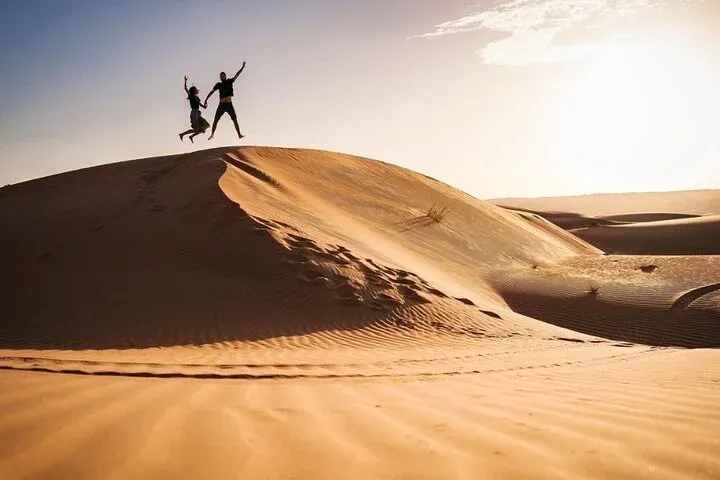
Covering a vast expanse of the Arabian Peninsula, one of the world’s largest continuous sand deserts stands as a symbol of endurance, mystery, and raw natural power. Known for its endless dunes, extreme climate, and deep historical significance, this desert has shaped human movement, trade routes, and cultural imagination for centuries. In Oman, the desert occupies a remarkable position, blending untouched wilderness with ancient stories of survival and exploration. The Empty Quarter Desert Oman represents one of the most dramatic landscapes in the Sultanate, offering a rare glimpse into nature at its most elemental.
Geographic Scope and Landscape
The desert stretches across several countries of the Arabian Peninsula, including Oman, Saudi Arabia, the United Arab Emirates, and Yemen. Within Oman, it occupies the western reaches of the country, forming a vast and largely uninhabited region dominated by towering sand dunes, gravel plains, and salt flats.
The dunes vary in shape and height, some rising hundreds of meters above the desert floor. Wind patterns continuously reshape the landscape, creating ever-changing forms that appear different with each passing season. Despite its apparent emptiness, the desert is a dynamic environment, constantly shaped by geological and climatic forces.
Climate and Natural Conditions
The desert experiences some of the most extreme weather conditions on Earth. Daytime temperatures can soar beyond 50°C in summer, while nights may become surprisingly cold. Rainfall is extremely scarce, often absent for years, making water one of the most precious resources in the region.
These harsh conditions have historically limited permanent settlement. However, they have also fostered remarkable adaptation among both humans and wildlife. Survival here depends on deep environmental knowledge, patience, and resilience.
Geological History
The formation of the desert is the result of millions of years of geological evolution. Shifting tectonic plates, ancient river systems, and long-term climate changes contributed to the accumulation of vast sand seas. Evidence suggests that parts of the desert were once greener, hosting rivers and vegetation during wetter climatic periods.
Over time, decreasing rainfall transformed the region into the arid expanse known today. Beneath the sands lie layers of sediment that preserve clues about ancient ecosystems, offering scientists valuable insights into Earth’s climatic past.
Flora and Fauna
Contrary to its barren appearance, the desert supports a surprising variety of life. Plants such as desert grasses, shrubs, and hardy trees have evolved to survive with minimal water. Their deep root systems and waxy leaves help reduce moisture loss.
Animal life includes reptiles, insects, small mammals, and desert-adapted birds. Many species are nocturnal, avoiding daytime heat by emerging at night. Larger mammals once roamed the region in greater numbers, and some species have been reintroduced through conservation efforts.
Human History and Early Exploration
Human interaction with the desert dates back thousands of years. Nomadic tribes crossed its edges, relying on stars, landmarks, and inherited knowledge to navigate safely. These journeys were often dangerous, but they played a vital role in connecting distant regions through trade and cultural exchange.
The desert also captured the imagination of explorers and historians. Ancient texts reference lost cities and caravan routes swallowed by sand, fueling legends that persist to this day. Archaeological discoveries continue to uncover traces of early human activity, proving that even the harshest environments have long attracted human presence.
Trade Routes and Economic Importance
Historically, the desert lay near important incense and trade routes linking southern Arabia with the Mediterranean world. Frankincense, spices, and other valuable goods passed through nearby regions, contributing to Oman’s historical prosperity.
Although the interior desert itself was rarely crossed directly, its proximity influenced settlement patterns and trade networks. The desert’s reputation as an impassable barrier also shaped political boundaries and cultural identities across the Arabian Peninsula.
Cultural Significance
The desert holds a deep symbolic meaning in Omani culture. It represents endurance, humility, and respect for nature. Poetry, oral storytelling, and traditional wisdom often draw inspiration from desert life, emphasizing patience and adaptability.
For many Omanis, the desert is not merely a physical space but a cultural memory passed down through generations. It reflects a way of life rooted in balance with the environment and acceptance of natural limits.
Modern Exploration and Tourism
In recent decades, the desert has gained recognition as a destination for adventure and eco-tourism. Visitors are drawn by the vast silence, star-filled skies, and the rare opportunity to experience true wilderness.
Guided desert journeys offer activities such as dune driving, camel trekking, sandboarding, and overnight camping. These experiences are carefully managed to minimize environmental impact while allowing travelers to appreciate the desert’s beauty.
The Empty Quarter Desert Oman has become a highlight for travelers seeking authenticity, solitude, and connection with nature, far removed from modern urban life.
Conservation and Environmental Protection
Preserving the desert’s fragile ecosystem is a growing priority. Despite its size, the desert is vulnerable to environmental damage caused by unregulated tourism, off-road driving, and resource exploitation.
Oman has taken steps to promote responsible tourism and conservation awareness. Environmental guidelines encourage sustainable practices, ensuring that future generations can continue to experience the desert’s untouched landscapes.
Scientific research also plays a role in conservation, helping experts understand how climate change may affect desert ecosystems in the long term.

Scientific Research and Global Interest
The desert attracts scientists from around the world studying climate history, geology, and biodiversity. Its extreme conditions make it an ideal natural laboratory for understanding adaptation and resilience.
Research conducted in the Empty Quarter Desert Oman contributes to broader knowledge about desertification, climate change, and sustainable land management, offering lessons applicable to arid regions globally.
The Desert in the Modern Omani Identity
Today, the desert remains an essential part of Oman’s national identity. While modern cities and infrastructure have transformed daily life, the desert continues to symbolize the country’s roots and values.
It reminds Omanis of their ancestors’ resilience and the importance of respecting nature. This balance between progress and preservation defines Oman’s approach to development.
Conclusion
Vast, silent, and awe-inspiring, Empty Quarter Desert Oman stands as one of the most remarkable natural landscapes in the world. Its dunes hold stories of ancient climates, human perseverance, and timeless beauty. From its geological origins to its cultural and scientific significance, the desert continues to fascinate and inspire. Let’s discover the empty quarter desert with Flying Carpet Tours and experience one of Oman’s most extraordinary adventures.